Loading...


Who is he?
Quiz by Hương Hồ
Customize this quiz to suit your class
Instantly translate to 100+ languages
Tag the questions with any skills you have. Your dashboard will track each student's mastery of each skill.
Give this quiz to my class
Who is he?
He's aunt
She's sister
He's uncle
He's dad
What's her name?
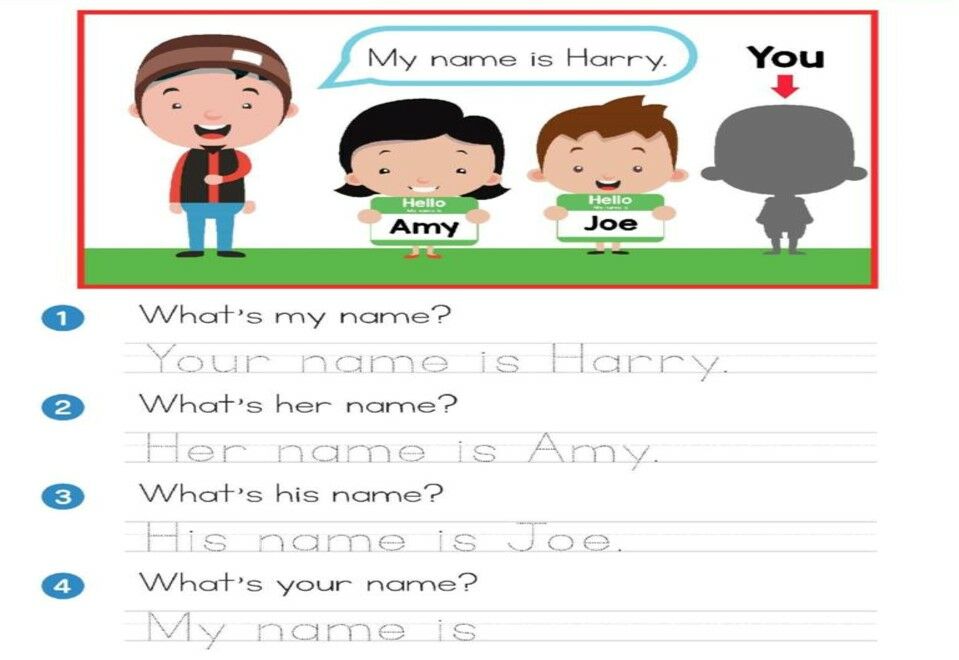
Her name Harry
Her name is Amy
Her name is Joe
His name is Amy
Who is he?
What's her name?

Choose correct word:
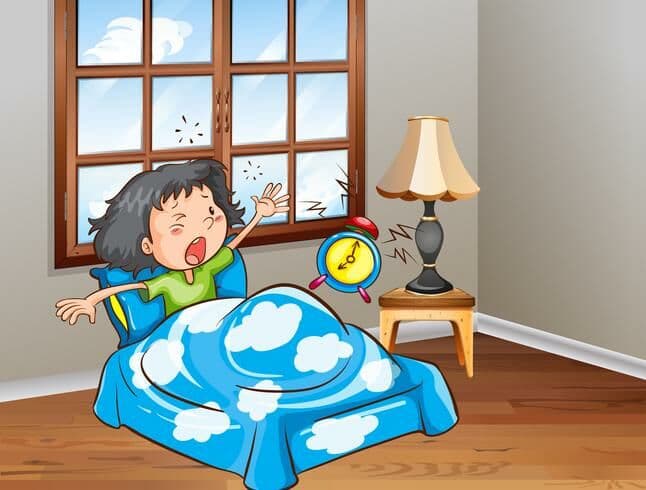
Do your homework
Choose correct sentence:

Choose:
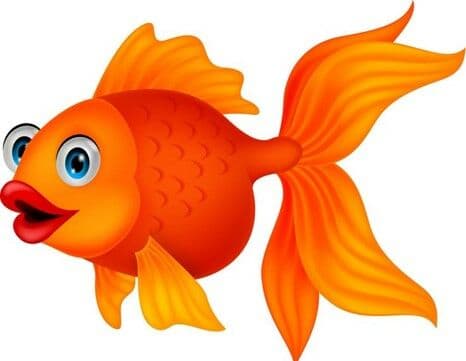
Choose correct word:
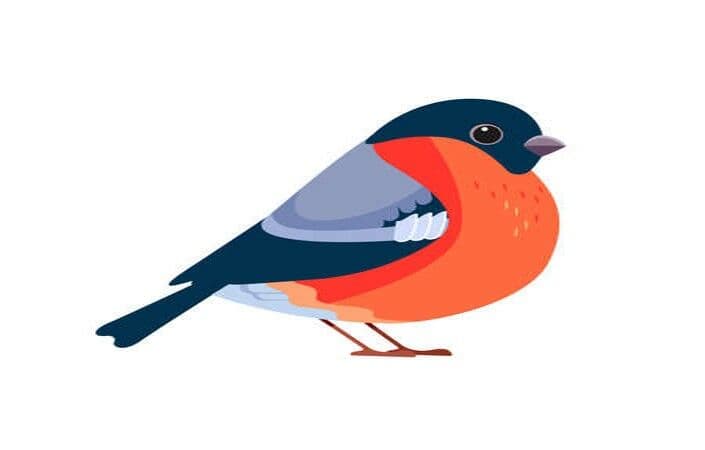
Choose corect word:
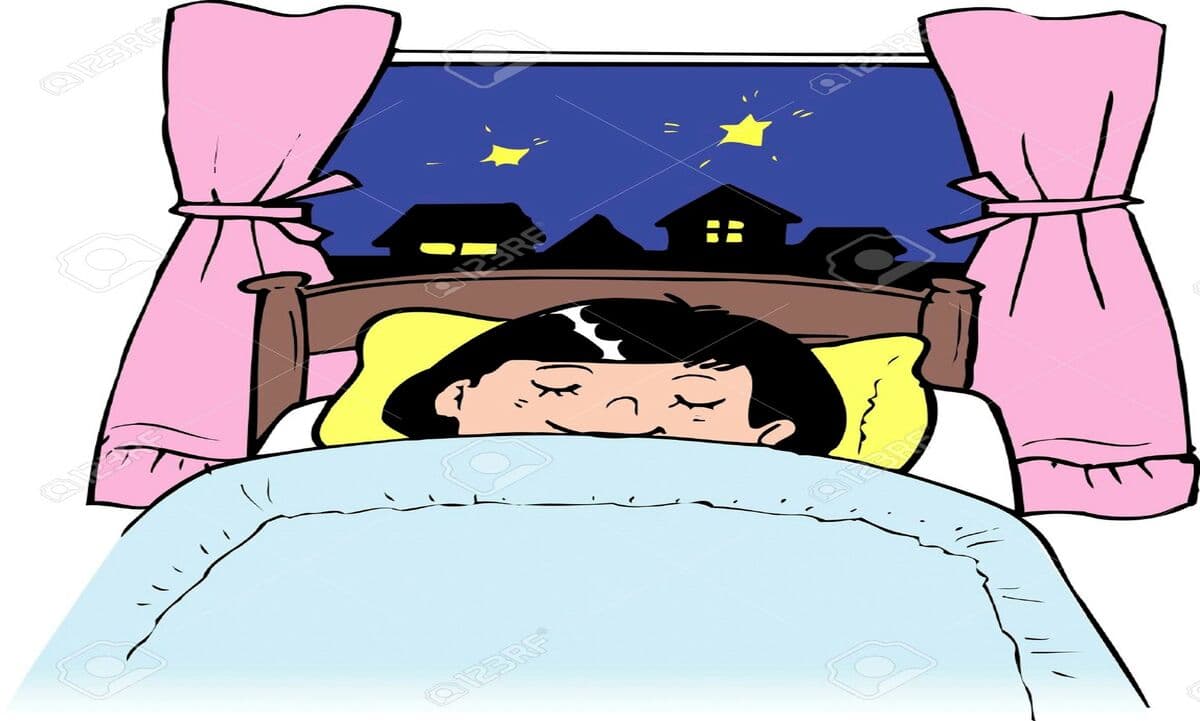
Who's she?
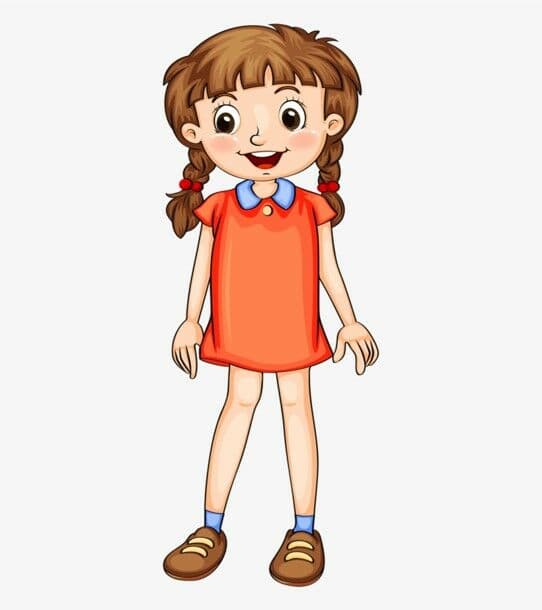
_____________________________? No, they don't

It's nice to meet you
Where are you from?

Where's he from?
 Who is she? She is Jen. She is my mom. Who is he? He is Nick. He is my dad. What is her name? Her name is Sarah. She is my grandma. What is his name? His name is David. He is my grandpa.Who is she? She is my grandma. What is her name? Her name is Sarah. Who is he? He is my grandpa. What is his name? His name is David.Anna: Hi, Cindy! What are you watching? Cindy: Hi, Anna! I am watching a music video. Anna: I like her hair. Who is she? Cindy: She is the singer. Her hair is pink and curly. Anna: His hair is funny. Who is he? Cindy: He is the drummer. His hair is blue and straight. Anna: What are they called? Cindy: They are called “Colorful Hair”. Their music is very good.Who is she/he?Boy: Who is that boy? Timmy: He is Jimmy. He is my big brother. Boy: It seems like he is always playing music. Timmy: Yes, he is always playing music. He really likes to play drums. Boy: Do you have a little brother? Timmy: No, I don’t. Jimmy is my only brother. Timmy: Do you have any brothers? Boy: Yes, I do. Mike is my little brother.Create quiz based on this information Who is the author of Letter 1, and who is the intended recipient? The author of Letter 1 is Robert Walton. The intended recipient is his sister, Mrs. Saville. What is the author's purpose in writing this letter? The author's purpose in writing this letter is to update his sister on his progress and feelings regarding his upcoming Arctic expedition. Where is the author currently located, and what is the significance of the setting? The author is currently in St. Petersburg, Russia. The significance of the setting is that it is the starting point of his journey towards the Arctic, and it sets the tone for the novel's exploration of extreme environments. Describe the author's feelings about the natural world and the northern journey. The author expresses excitement and confidence about his journey. He is inspired by the cold northern breeze, which fills him with delight and a sense of adventure. What is the author's fascination with the pole, and how does he describe it? The author is fascinated by the idea of the North Pole as a land of beauty and eternal light. He envisions it as a region of wonder and hopes to make groundbreaking discoveries there. What are some of the author's hopes and expectations for his journey? The author hopes to make significant discoveries, including a passage near the pole to shorten travel times and the secret of the magnet's power. He also wants to explore uncharted lands. How does the author's enthusiasm change as he writes the letter? At the beginning of the letter, the author is enthusiastic and confident. However, as he reflects on the challenges and uncertainties of his journey, his enthusiasm becomes mixed with doubt and a sense of the unknown. What role has reading played in the author's life, and how does it relate to his journey? Reading has played a significant role in the author's life, sparking his early interest in exploration. He initially wanted to embark on a seafaring life, but reading led him to poetry and later to his current expedition. How has the author prepared for his upcoming expedition? The author has prepared by enduring hardships, accompanying whale-fishers, studying mathematics, medicine, and physical science, and even working as an under-mate on a Greenland whaler to gain practical experience. What does the author express about his feelings, courage, and hopes for the future? The author expresses a strong desire to achieve a great purpose and a willingness to face the challenges and uncertainties of his expedition with courage. He hopes to return triumphant but acknowledges that success may take a long time, if ever.Emma: Hello, Timmy. Who is that man? Timmy: That is Curtis. Curtis plays football for the local team. He is my favorite player. Emma: I think that he is short. What do you think? Timmy: No, he's not. Most football players are tall. It helps them to catch the ball. Emma: Is Curtis very strong? Timmy: Yes, I think that he is strong. He can also run fast. That is why he is good at football. Emma: I see. Are you strong? Timmy: No, I'm not! I'm not good at football like Curtis. I am not strong or fast.1. How many pillars of Islam are there in total? A) Three B) Five (Correct) C) Six D) Seven Hint: Think about the famous Hadith of Gabriel where he asks about the basic practices of Islam. 2. What is the first pillar of Islam? A) Salah (Prayer) B) Zakat (Charity) C) Shahadah (Declaration of faith) (Correct) D) Sawm (Fasting) Hint: It is the declaration that there is no god but Allah and Muhammad is His messenger. 3. How many times a day must a Muslim perform Salah (prayer)? A) Three times B) Five times (Correct) C) Four times D) Six times Hint: Count Fajr, Dhuhr, Asr, Maghrib, and Isha. 4. What does the word 'Zakat' mean in terms of practice? A) Fasting all day B) Giving charity to the poor (Correct) C) Traveling to Makkah D) Reading the Quran Hint: It involves sharing a small part of your saved wealth to purify the rest of it. 5. During which Islamic month do Muslims fast (Sawm)? A) Muharram B) Ramadan (Correct) C) Shawwal D) Dhul-Hijjah Hint: It is the month in which the Quran was first revealed. 6. Where must a Muslim go to perform Hajj? A) Madinah B) Jerusalem C) Makkah (Correct) D) Cairo Hint: This city contains the Kaaba, the direction Muslims face during prayer. 7. Which pillar of Islam directly trains a Muslim in patience and feeling the hunger of the poor? A) Shahadah B) Sawm (Fasting) (Correct) C) Salah D) Hajj Hint: It is done during the daylight hours of Ramadan. Part 2: Pillars of Iman (أركان الإيمان) 8. How many pillars of Iman (faith) are there? A) Five B) Six (Correct) C) Four D) Eight Hint: It is one more than the number of pillars of Islam. 9. What is the first and most important pillar of Iman? A) Belief in Angels B) Belief in Allah (Correct) C) Belief in the Books D) Belief in the Last Day Hint: This is the belief in Monotheism (Tawhid). 10. Muslims believe that angels are created from what? A) Fire B) Clay C) Light (Correct) D) Water Hint: Think of a bright source that illuminates the dark, which matches their pure and luminous nature. 11. Which angel was responsible for bringing the revelation (Quran) to the Prophet Muhammad? A) Angel Mikaeel (Michael) B) Angel Jibreel (Gabriel) (Correct) C) Angel Israfeel D) Angel Malak al-Mawt Hint: He is the leader of all angels and visited the Prophet in the cave of Hira. 12. Belief in the Holy Books is a pillar of Iman. Which book was given to Prophet Isa (Jesus)? A) The Torah B) The Zabur C) The Injeel (Correct) D) The Quran Hint: The English translation often links this word closely to the 'Gospel'. 13. Who is the final Prophet and Messenger sent by Allah to mankind? A) Prophet Ibrahim (Abraham) B) Prophet Musa (Moses) C) Prophet Muhammad (Correct) D) Prophet Nuh (Noah) Hint: He was born in Makkah and received the Quran. 14. What does 'Belief in the Last Day' mean? A) Belief in the last day of Ramadan B) Belief in the Day of Judgment (Correct) C) Belief in the weekend D) Belief that the sun will never set Hint: It is the day when people will be rewarded with Paradise or punished based on their deeds. 15. What is the sixth pillar of Iman? A) Belief in Qadar (Divine Decree/Fate) (Correct) B) Belief in Hellfire C) Belief in the Companions D) Belief in Charity Hint: It relates to destiny and accepting whatever Allah has written for us. 16. What is the Arabic word for the 'Divine Decree' or destiny in the pillars of Iman? A) Zakat B) Qadar (Correct) C) Injeel D) Tawhid Hint: It sounds like 'Al-Qadr', as in the night of decree (Laylat al-Qadr). 17. Belief in Prophets includes believing in messengers mentioned in other scriptures. Who did Allah speak to directly? A) Prophet Musa (Moses) (Correct) B) Prophet Nuh (Noah) C) Prophet Yusuf (Joseph) D) Prophet Yunus (Jonah) Hint: He is the prophet associated with Mount Sinai and parting the sea. Part 3: Ihsan (الإحسان) 18. What is the meaning of 'Ihsan' according to the famous Hadith? A) To give all your money away B) To worship Allah as if you see Him (Correct) C) To memorize the whole Quran D) To fast twice a week Hint: It is the highest level of religion, focusing on absolute perfection and sincerity in worship. 19. If you cannot see Allah during worship, what must you always remember according to Ihsan? A) That other people are watching you B) That Allah sees you (Correct) C) That you should finish quickly D) That the angels will pray for you Hint: Allah is All-Seeing (Al-Baseer) and All-Knowing (Al-Aleem). 20. Which of the following represents the correct order of levels in religion from lowest to highest? A) Ihsan, then Iman, then Islam B) Islam, then Iman, then Ihsan (Correct) C) Iman, then Islam, then Ihsan D) Islam, then Ihsan, then Iman Hint: Every Muhsin (person of Ihsan) is a Mu'min (person of Iman) and a Muslim, but not vice versa.