Loading...


Who's that Baby? + Neonatology Trivia!
Quiz by Olivia Smithson
Customize this quiz to suit your class
Instantly translate to 100+ languages
Tag the questions with any skills you have. Your dashboard will track each student's mastery of each skill.
Give this quiz to my class
Who is THAT baby?
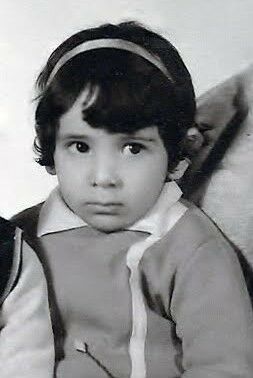
Dr. Borghei
Dr. Hobson
Dr. Barsotti
Dr. Daghigh
Who's this baby?
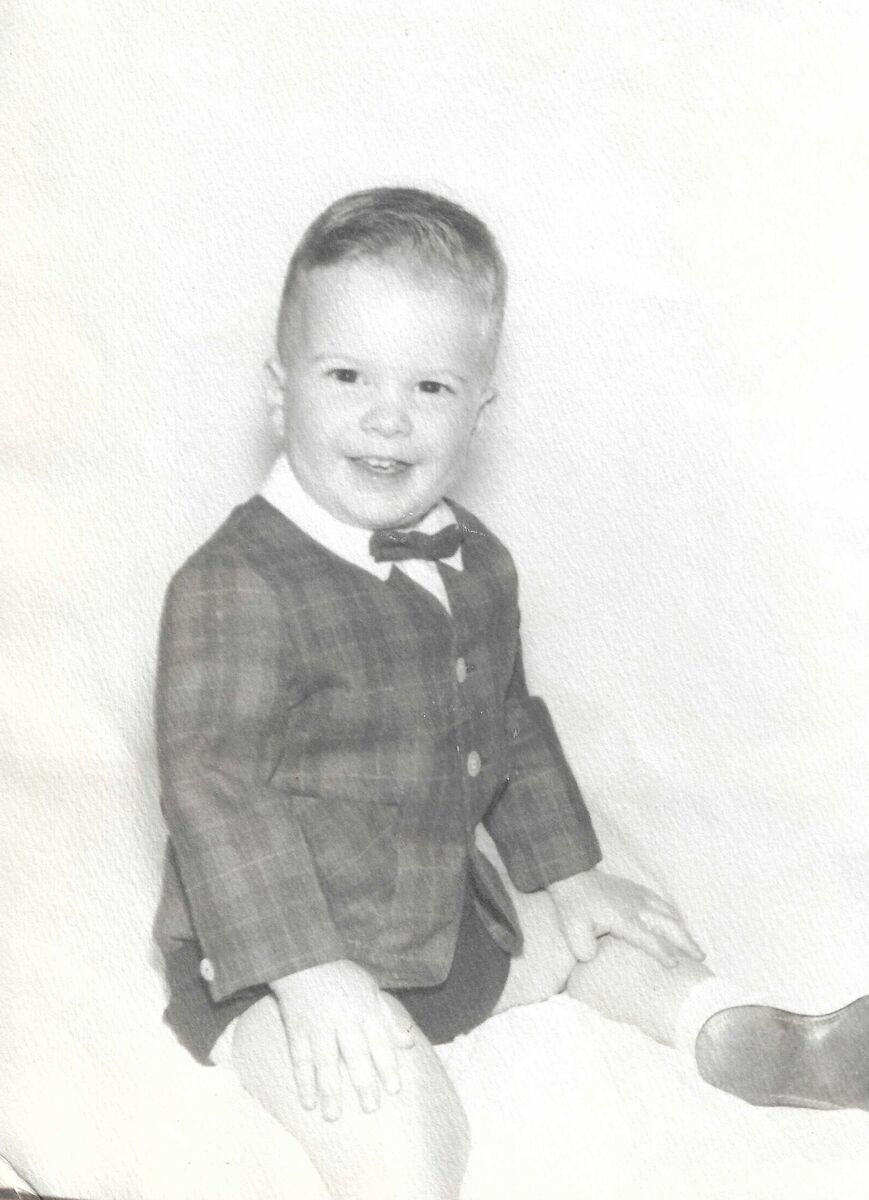
Dr. McGuinness
Dr. Fuller
Dr. Allison
Dr. Adams
Who is THAT baby?
Who's this baby?
WHO is that baby?
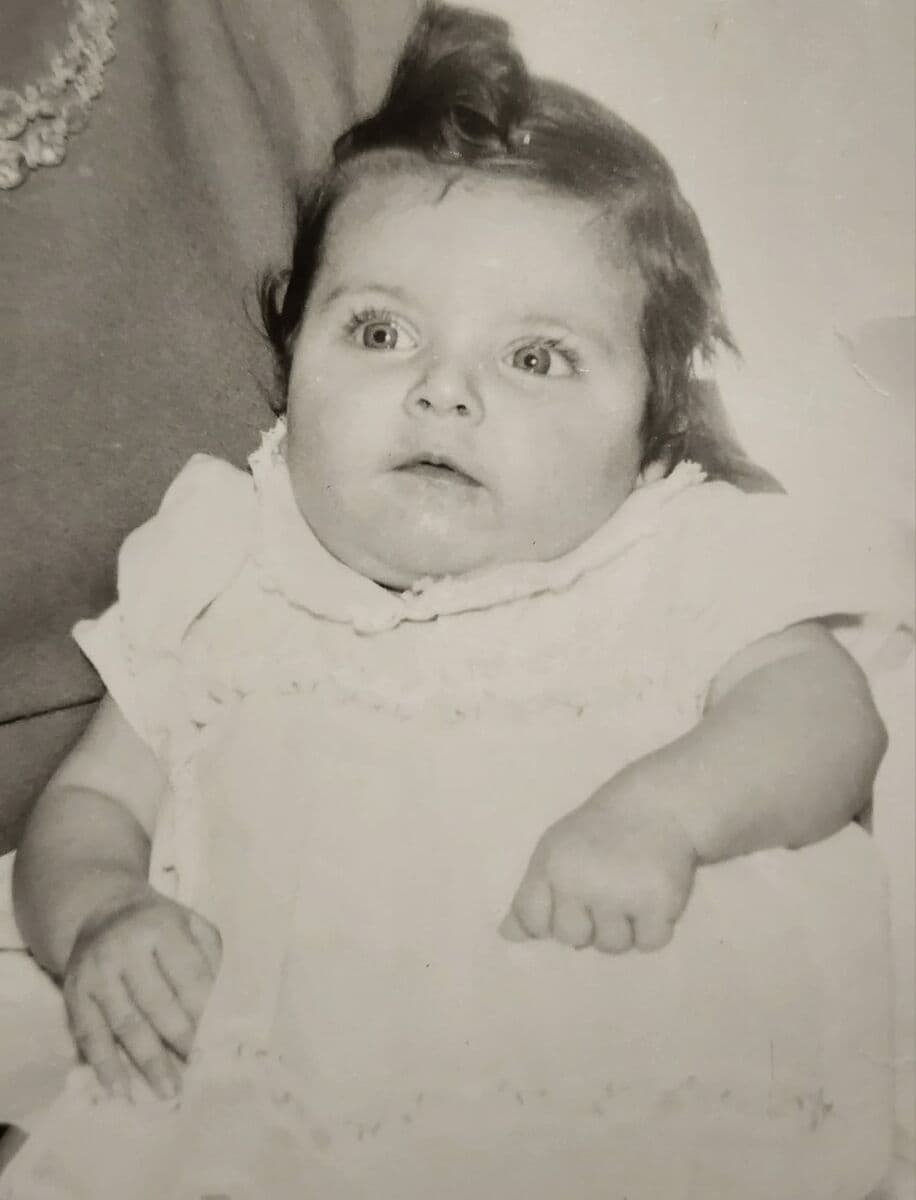
Who's that baby???
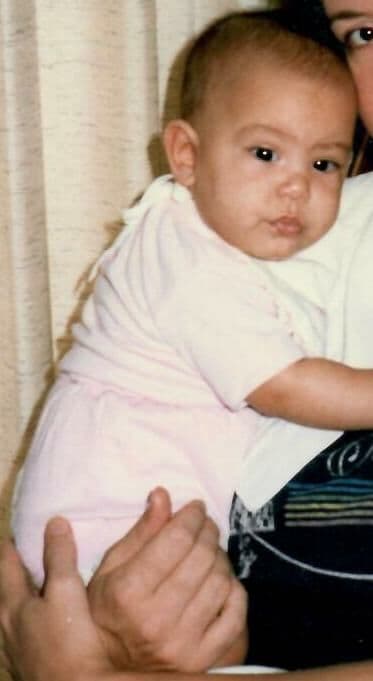
Who's that baby?
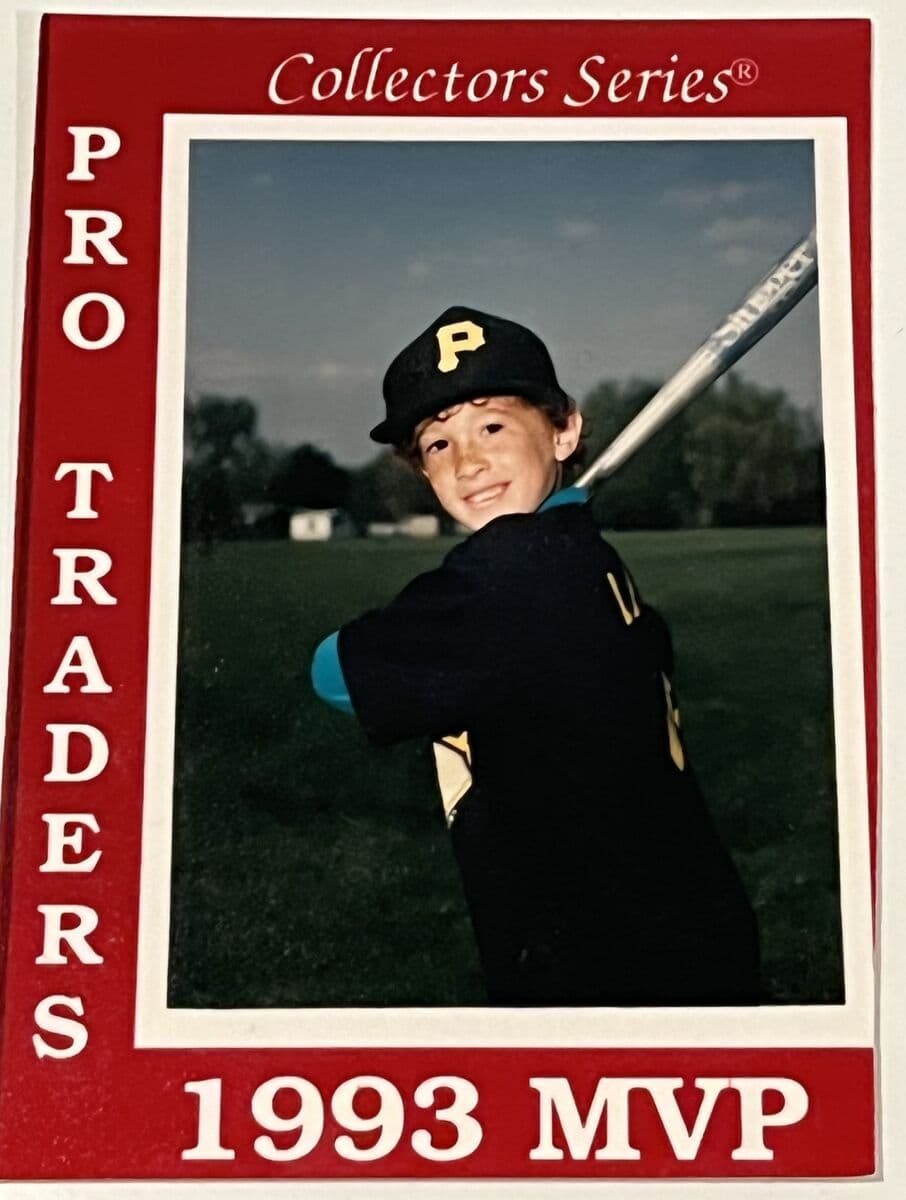
Who's that baby?
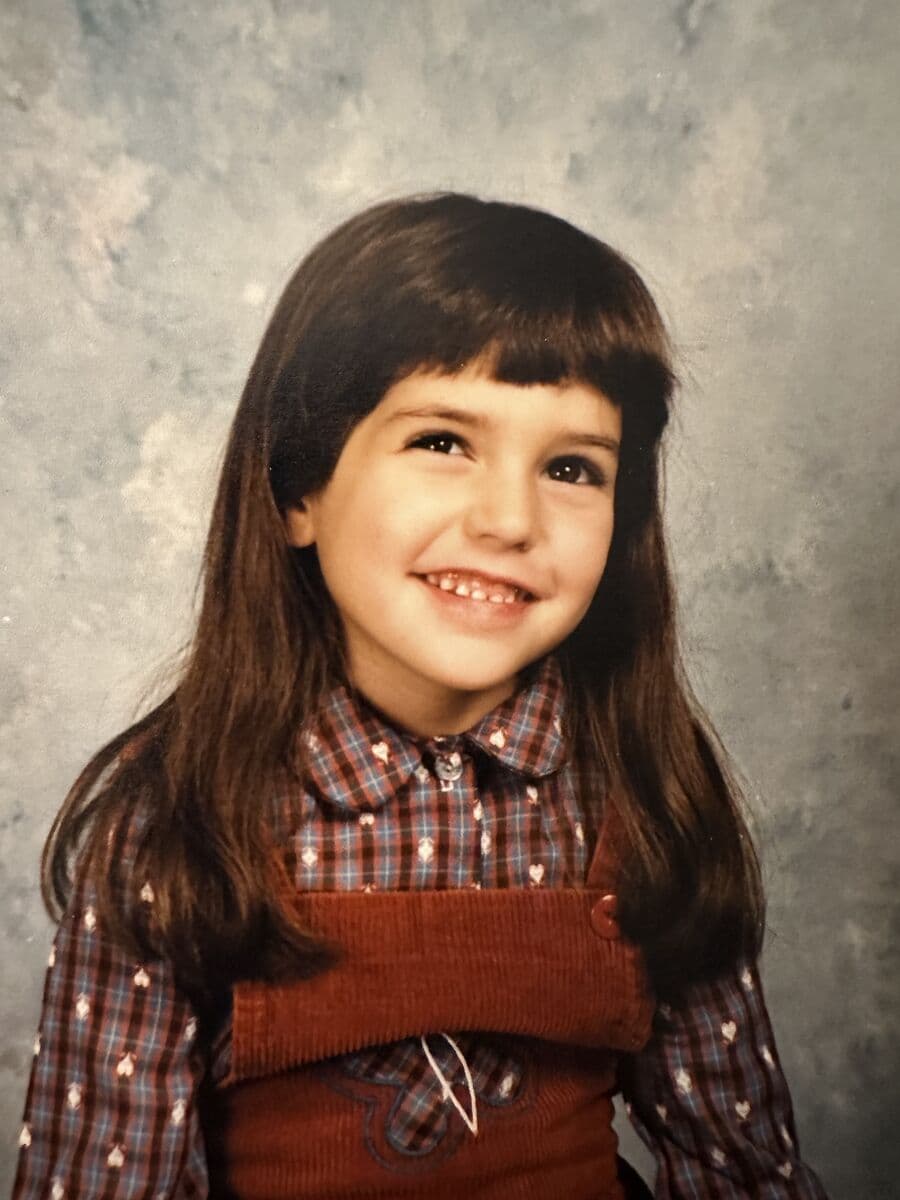
Which of the following is a common respiratory disorder in premature infants?
Which of the following is the LEAST common complication for premature infants?
Who's that baby?
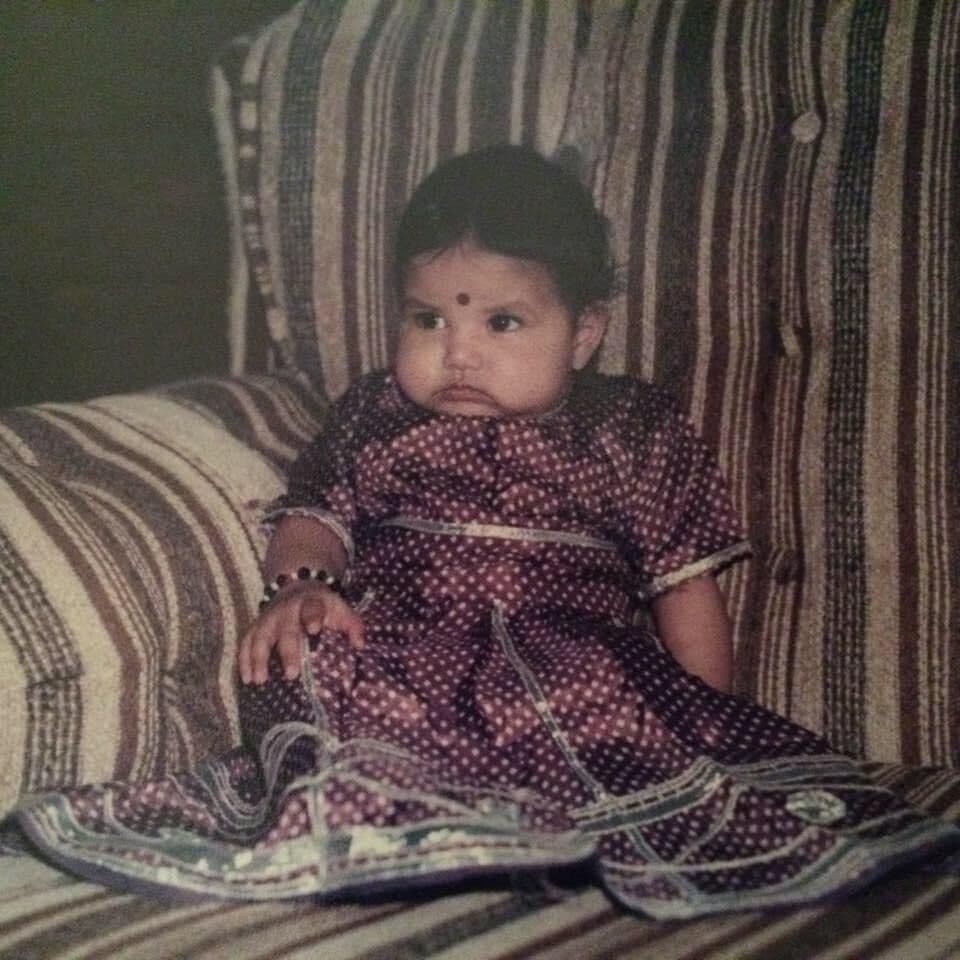
Who's this baby from Dr. Zhang's family?
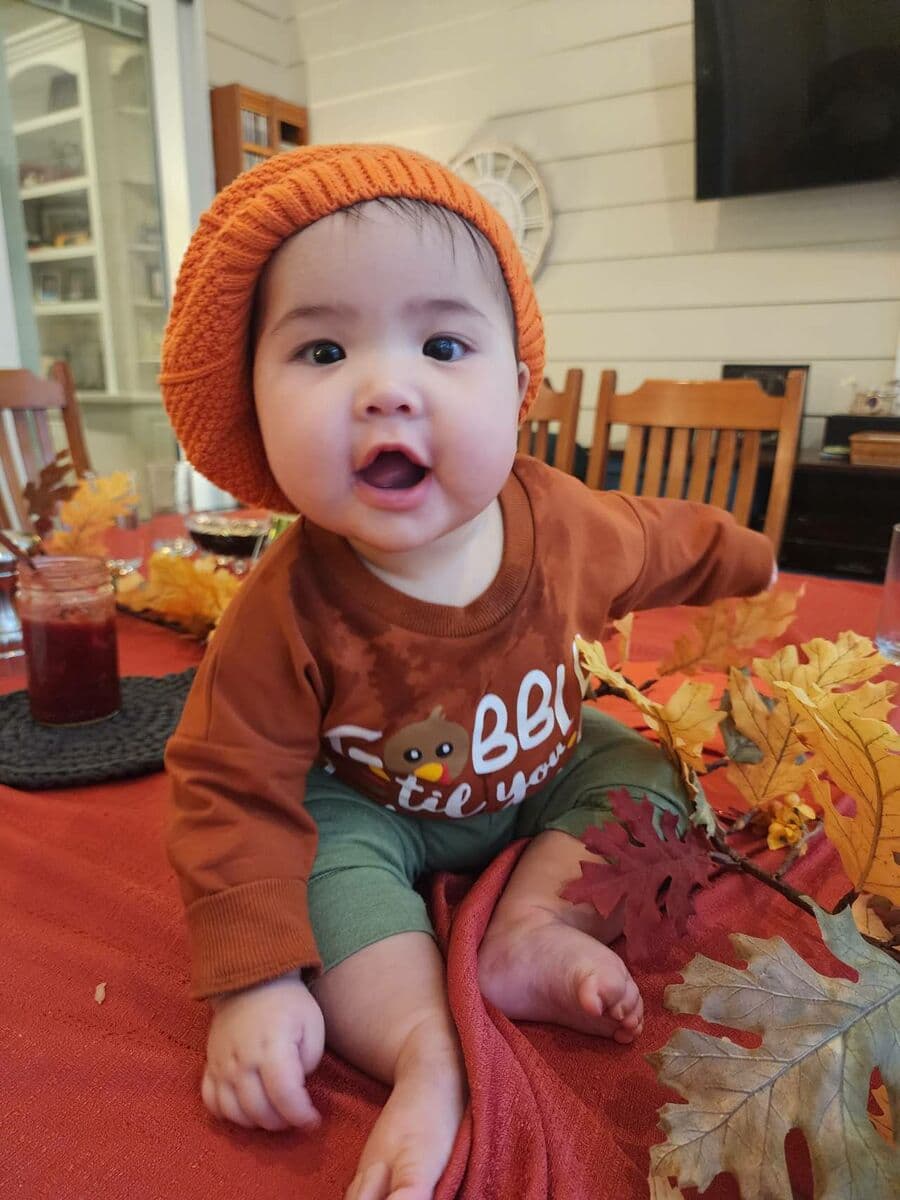
Who's that baby?
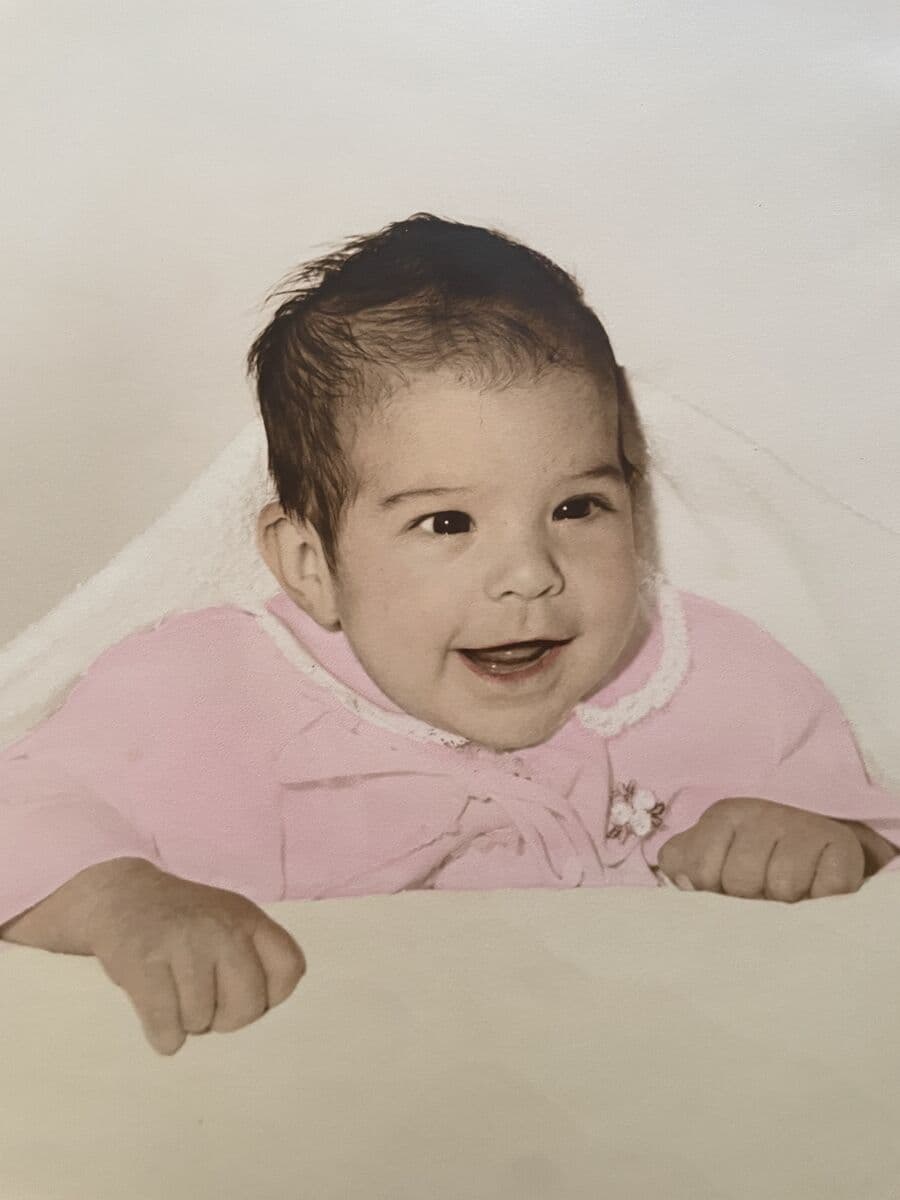
What was the first state to have a NICU?
What percentage of babies go to the NICU?
How much is the average NICU stay?
Who's that baby?
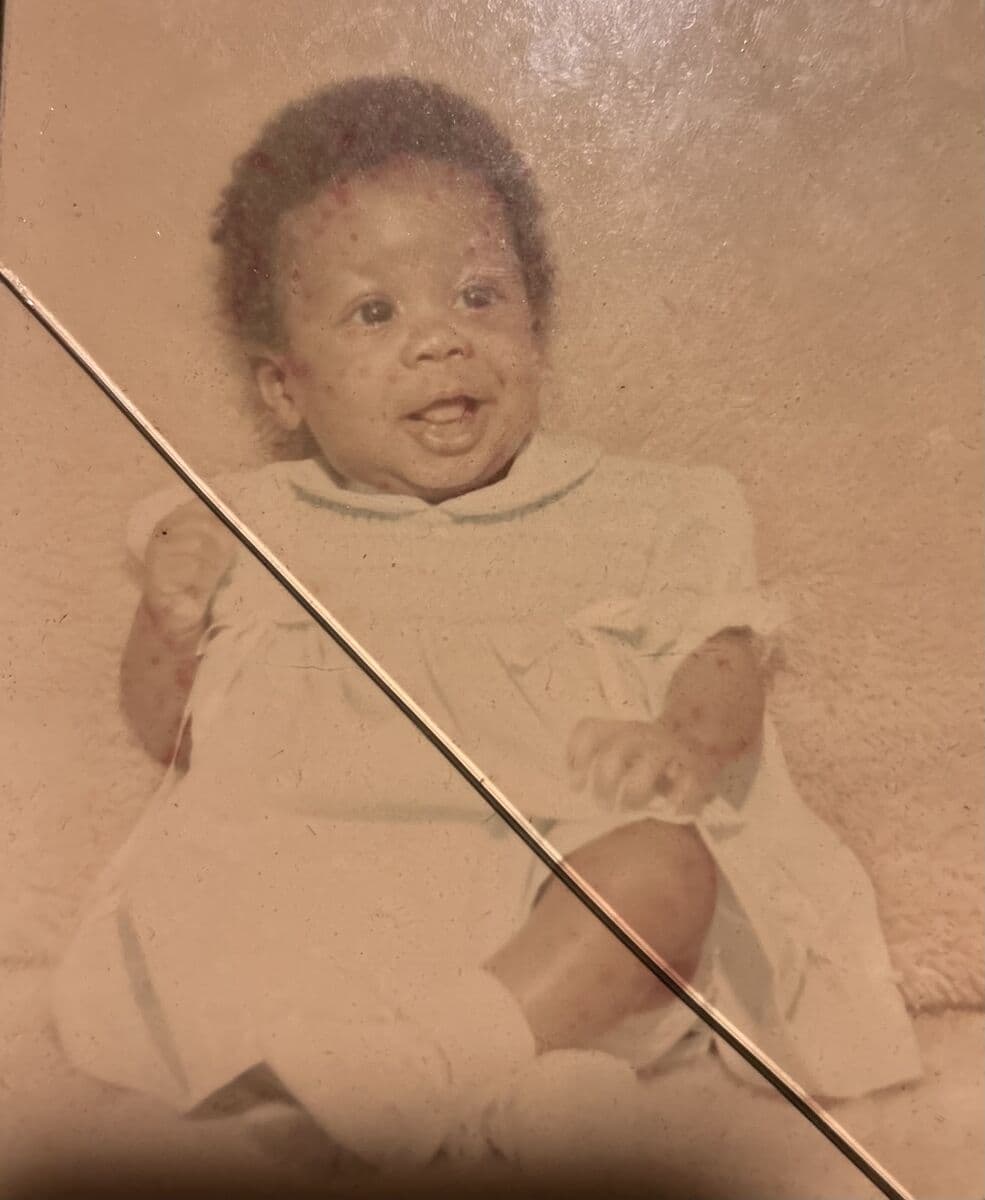
Who's this baby performing the osteopathic "sphinx pose"?

The first ever "NICU" appeared in which setting?
Who's that baby?

Who's that baby?

Who's that baby?
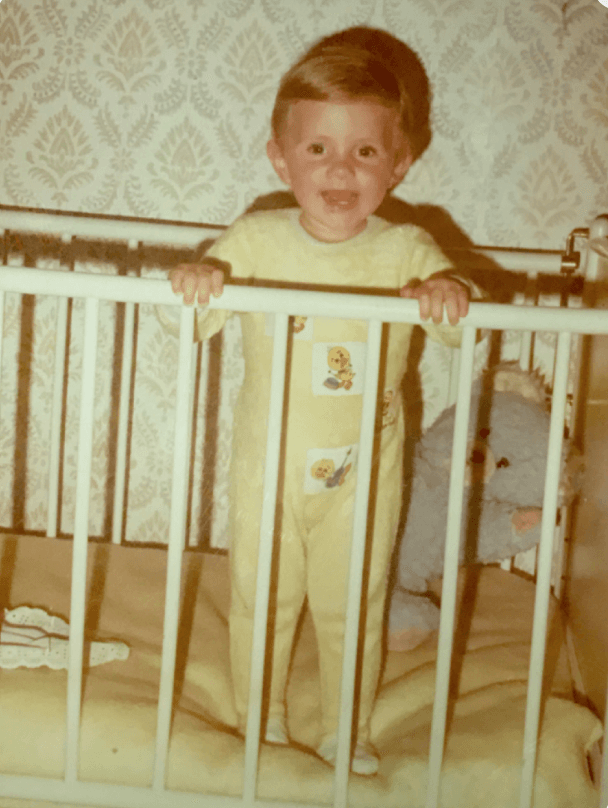
What is the training to become a Neonatologist?
What food should you NEVER give a baby due to the presence of clostridium bacteria and the potential to cause infant botulism?
If a baby is born before week _____, they are considered premature.
Who's that baby?
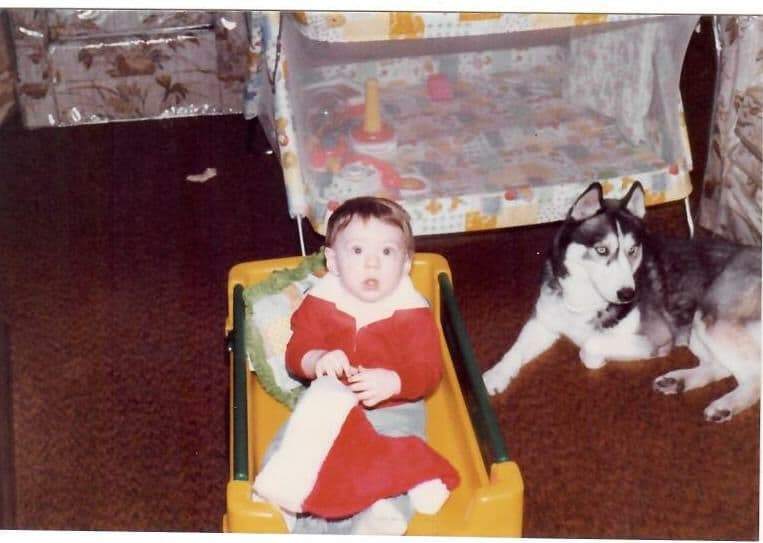
What should you do if you're an M1, enjoy kids, and want a relaxed and super fun leadership position for next year?
Who's that Baby?Guess who's that babyEmma: Look at that giant elephant! It’s the biggest thing I’ve ever seen! Tom: Yes! That giant animal is a mammal. Emma: Is it alive? Tom: Yes! It’s moving and eating. It’s really alive. Emma: Elephants have no fur, right? Tom: Right. But lions do. Lions have thick fur. Emma: What other animals have fur? Tom: Cats, dogs, and monkeys have fur too. Emma: Birds are different. They are covered with feathers. Tom: Yes, birds are not covered in fur like mammals. Emma: Look at the monkey! It’s using its hand to groom its baby. Tom: Monkeys groom each other to stay clean. Emma: That baby monkey is cute! It’s the mother’s offspring, right? Tom: Yes! A baby is called an offspring. Emma: When I grow up, I will be an adult who helps animals. Tom: Me too! I want to be a zoo adult who feeds and grooms animals. Emma: Monkeys are funny. I like mammals the most. Tom: Me too. They are smart and fun to watch.Translator: Joseph Geni Reviewer: Morton Bast Before March, 2011, I was a photographic retoucher based in New York City. We're pale, gray creatures. We hide in dark, windowless rooms, and generally avoid sunlight. We make skinny models skinnier, perfect skin more perfect, and the impossible possible, and we get criticized in the press all the time, but some of us are actually talented artists with years of experience and a real appreciation for images and photography. On March 11, 2011, I watched from home, as the rest of the world did, as the tragic events unfolded in Japan. Soon after, an organization I volunteer with, All Hands Volunteers, were on the ground, within days, working as part of the response efforts. I, along with hundreds of other volunteers, knew we couldn't just sit at home, so I decided to join them for three weeks. On May the 13th, I made my way to the town of Ōfunato. It's a small fishing town in Iwate Prefecture, about 50,000 people, one of the first that was hit by the wave. The waters here have been recorded at reaching over 24 meters in height, and traveled over two miles inland. As you can imagine, the town had been devastated. We pulled debris from canals and ditches. We cleaned schools. We de-mudded and gutted homes ready for renovation and rehabilitation. We cleared tons and tons of stinking, rotting fish carcasses from the local fish processing plant. We got dirty, and we loved it. For weeks, all the volunteers and locals alike had been finding similar things. They'd been finding photos and photo albums and cameras and SD cards. And everyone was doing the same. They were collecting them up, and handing them in to various places around the different towns for safekeeping. Now, it wasn't until this point that I realized that these photos were such a huge part of the personal loss these people had felt. As they had run from the wave, and for their lives, absolutely everything they had, everything had to be left behind. At the end of my first week there, I found myself helping out in an evacuation center in the town. I was helping clean the onsen, the communal onsen, the huge giant bathtubs. This happened to also be a place in the town where the evacuation center was collecting the photos. This is where people were handing them in, and I was honored that day that they actually trusted me to help them start hand-cleaning them. Now, it was emotional and it was inspiring, and I've always heard about thinking outside the box, but it wasn't until I had actually gotten outside of my box that something happened. As I looked through the photos, there were some were over a hundred years old, some still in the envelope from the processing lab, I couldn't help but think as a retoucher that I could fix that tear and mend that scratch, and I knew hundreds of people who could do the same. So that evening, I just reached out on Facebook and asked a few of them, and by morning the response had been so overwhelming and so positive, I knew we had to give it a go. So we started retouching photos. This was the very first. Not terribly damaged, but where the water had caused that discoloration on the girl's face had to be repaired with such accuracy and delicacy. Otherwise, that little girl isn't going to look like that little girl anymore, and surely that's as tragic as having the photo damaged. (Applause) Over time, more photos came in, thankfully, and more retouchers were needed, and so I reached out again on Facebook and LinkedIn, and within five days, 80 people wanted to help from 12 different countries. Within two weeks, I had 150 people wanting to join in. Within Japan, by July, we'd branched out to the neighboring town of Rikuzentakata, further north to a town called Yamada. Once a week, we would set up our scanning equipment in the temporary photo libraries that had been set up, where people were reclaiming their photos. The older ladies sometimes hadn't seen a scanner before, but within 10 minutes of them finding their lost photo, they could give it to us, have it scanned, uploaded to a cloud server, it would be downloaded by a gaijin, a stranger, somewhere on the other side of the globe, and it'd start being fixed. The time it took, however, to get it back is a completely different story, and it depended obviously on the damage involved. It could take an hour. It could take weeks. It could take months. The kimono in this shot pretty much had to be hand-drawn, or pieced together, picking out the remaining parts of color and detail that the water hadn't damaged. It was very time-consuming. Now, all these photos had been damaged by water, submerged in salt water, covered in bacteria, in sewage, sometimes even in oil, all of which over time is going to continue to damage them, so hand-cleaning them was a huge part of the project. We couldn't retouch the photo unless it was cleaned, dry and reclaimed. Now, we were lucky with our hand-cleaning. We had an amazing local woman who guided us. It's very easy to do more damage to those damaged photos. As my team leader Wynne once said, it's like doing a tattoo on someone. You don't get a chance to mess it up. The lady who brought us these photos was lucky, as far as the photos go. She had started hand-cleaning them herself and stopped when she realized she was doing more damage. She also had duplicates. Areas like her husband and her face, which otherwise would have been completely impossible to fix, we could just put them together in one good photo, and remake the whole photo. When she collected the photos from us, she shared a bit of her story with us. Her photos were found by her husband's colleagues at a local fire department in the debris a long way from where the home had once stood, and they'd recognized him. The day of the tsunami, he'd actually been in charge of making sure the tsunami gates were closed. He had to go towards the water as the sirens sounded. Her two little boys, not so little anymore, but her two boys were both at school, separate schools. One of them got caught up in the water. It took her a week to find them all again and find out that they had all survived. The day I gave her the photos also happened to be her youngest son's 14th birthday. For her, despite all of this, those photos were the perfect gift back to him, something he could look at again, something he remembered from before that wasn't still scarred from that day in March when absolutely everything else in his life had changed or been destroyed. After six months in Japan, 1,100 volunteers had passed through All Hands, hundreds of whom had helped us hand-clean over 135,000 photographs, the large majority — (Applause) — a large majority of which did actually find their home again, importantly. Over five hundred volunteers around the globe helped us get 90 families hundreds of photographs back, fully restored and retouched. During this time, we hadn't really spent more than about a thousand dollars in equipment and materials, most of which was printer inks. We take photos constantly. A photo is a reminder of someone or something, a place, a relationship, a loved one. They're our memory-keepers and our histories, the last thing we would grab and the first thing you'd go back to look for. That's all this project was about, about restoring those little bits of humanity, giving someone that connection back. When a photo like this can be returned to someone like this, it makes a huge difference in the lives of the person receiving it. The project's also made a big difference in the lives of the retouchers. For some of them, it's given them a connection to something bigger, giving something back, using their talents on something other than skinny models and perfect skin. I would like to conclude by reading an email I got from one of them, Cindy, the day I finally got back from Japan after six months. "As I worked, I couldn't help but think about the individuals and the stories represented in the images. One in particular, a photo of women of all ages, from grandmother to little girl, gathered around a baby, struck a chord, because a similar photo from my family, my grandmother and mother, myself, and newborn daughter, hangs on our wall. Across the globe, throughout the ages, our basic needs are just the same, aren't they?" Thank you. (Applause) (Applause) For centuries, God's people waited for the prophecies of the expected Messiah to be fulfilled. They waited with hope and expectation for generations. The Savior's first coming was as a baby born in a humble stable. After Jesus' death, burial, and resurrection and before His ascension, He told His disciples that He would come again. At His second coming, Jesus will come in the clouds as the victorious Lord of all. Everyone will see Him. God's plan of salvation is eternal because God is eternal. He has always planned to take believers to heaven to live with Him forever. Transform means to change into something new. Christ, in His omnipotence, will transform believers' earthly bodies into glorified bodies. Anticipate means to look forward to. Christians anticipate Christ's return. Christians should always be ready to meet the Lord. They can get ready for Christ's return by faithfully living holy and godly lives as they put Jesus first in their life and wait hopefully and expectantly for Him. When Christ returns, a trumpet will sound. People will hear a shout and the voice of the archangel. Those who have died believing in Jesus will rise first; then any believers who are still alive will meet the Lord in the air. Jesus' parable of the 10 virgins reminds Christians to be prepared for the Lord's return. Christians understand that the Lord is not slow in keeping His promise. His time differs from earthly time. God desires that all people come to know Him. When the gospel has been preached to every nation, the Lord will indeed come back.Create a comprehension quiz for the following vocabulary; To be getting on in age: Growing older; advancing in years. Pet peeve: Something that annoys or bothers someone significantly. Pinhead: A small-minded or foolish person. Nit-pick: To find fault with small or trivial details. Whilst/while: During the time that; at the same time as. On a dig: Engaged in archaeological excavation. Mad vs crazy: "Mad" typically refers to anger or insanity, while "crazy" can denote insanity or extreme enthusiasm. Twitch: A sudden, quick movement or spasm. Dreamt/dreamed: Past tense forms of the verb "to dream." Eaves: The part of a roof that overhangs the walls. Burly man: A strong, muscular man. She’s a looker: A woman who is attractive or visually appealing. Breech birth: A birth in which the baby is delivered feet first instead of head first. Being too forward: Acting too boldly or presumptuously. Gooey: Soft and sticky, often used to describe certain textures or emotional situations. Spare tire: Excess fat around the waistline; a protruding belly. Twists and turns of fate: Unexpected changes or developments in life. Pompous: Self-important or arrogant. Play a prank on someone: To carry out a mischievous trick or joke on someone. Scamps: Mischievous or playful individuals, often used affectionately. To tend one's resignation: To formally submit one's resignation from a job. A sound judgment: A wise or rational decision. To set someone up with someone else: To arrange a meeting or date between two people. Loon: A colloquial term for a crazy or eccentric person. Duvet: A type of blanket filled with feathers, down, or synthetic fibers, used as a bed covering. Don't Meddle: Do not interfere or intervene. Croquet mallet: A hammer-like instrument used to strike croquet balls. Cut it out: Stop doing something annoying or inappropriate. Pop over: Visit briefly or unexpectedly. It was a riot: It was extremely funny or enjoyable. Spit Tspat spat: Sounds indicating a quick, spat-out expulsion of saliva. A hoot: Something that is amusing or enjoyable. Overhear: To unintentionally hear what others are saying without their knowledge. You're quite a package: You possess many appealing qualities or attributes. I'm quite a catch: I am an attractive or desirable partner. Limper: A person who walks with a limp. A hanky: A handkerchief, a small piece of cloth carried for personal hygiene or used as a fashion accessory.Whose Tracks Are These? Animal Visitors. How do we know whether an animal has visited a place? One way we know is because it may leave tracks, or marks in the soil. Tracks show where the animal's body has touched the ground. Let's find out who has visited us today! Large Animals. A large animal that likes honey made these tracks. This animal is a good climber. It has strong claws for digging up plants, and it eats animals, too. Can you guess who it is? A black bear made these tracks. Black bears sleep all winter and wake up hungry in the spring. A large animal with hooves made these tracks. This animal can eat ten pounds of leaves, bark, and twigs each day. Can you guess who it is? A deer made these tracks. Male deer grow antlers in the spring and shed them in late winter. Baby deer have spots that disappear when they grow up. A large, strong cat made these tracks. This hunter runs fast and jumps far. It eats other animals, such as deer. birds, and rabbits. Can you guess who it is? A mountain lion made these tracks. Adult mountain lions live alone most of the time. Babies must learn to hunt before they can leave their mothers. Small Animals. A smart bird made these tracks. It has a curved beak and sharp claws. It hunts at night and eats many kinds of animals. Can you guess who it is? An owl made these tracks. It has large yellow eyes and can see well in the dark. It makes a noise called a hoot. A small animal made these tracks. Its tail made the line between the footprints. This animal must run very fast to escape being eaten. Can you guess who it is? A mouse made these tracks. Mice are food for owls, snakes, and other animals. But this one got away! Many Kinds of Tracks. Each kind of animal has its own special tracks. Look for tracks when you are in nature. Have fun finding out who has been visiting!Wiggly Worms Small Animals, Big Changes. Do you know about earthworms? These small animals change the soil in big ways. Earthworm Bodies. An earthworm's body is shaped like one tube inside another. On the outside is a tube of muscle. On the inside is a tube that breaks down food. The body of an earthworm is made up of many parts. Each part is shaped like a ring and can bend and stretch. Earthworms move by stretching out their bodies and pulling themselves forward. Short, tough hairs on their bellies help them hold onto the ground. Slimy Worms! Earthworms are slimy. The slime helps keep earthworms cool and wet. It also helps earthworms slide through soil. After worms mate, a ball of slime forms. The slime dries into a cocoon. Baby worms come out of the cocoon. Earthworm Behavior. Earthworms build long tunnels underground. The tunnels protect worms from heat and sunlight. They also help earthworms hide from hungry animals. Earthworms are sometimes called night crawlers because they come out at night to feed. They use their mouths to pull dead leaves and plants into their tunnels. Earthworms Are Good for the Soil. Farmers love earthworms! When earthworms dig tunnels, they make space in the soil. The space helps plants get what they need to grow. Some people raise earthworms on worm farms. The earthworms eat food scraps, turning them into rich soil. Earthworm waste helps plants grow big and strong. Wanted: Earthworms! Farmers aren't the only ones who love earthworms. Moles, rats, and toads love juicy night crawlers. They love to eat them! Worms make good fishing bait because fish think earthworms are tasty, too. Earthworms are important food for these and other animals. Earthworms may be small, but they have a big job. Earthworms help plants grow!