Loading...


Winter Clothes
Quiz by María Cecilia Espinosa Midón
Customize this quiz to suit your class
Instantly translate to 100+ languages
Tag the questions with any skills you have. Your dashboard will track each student's mastery of each skill.
WHAT IS IT?
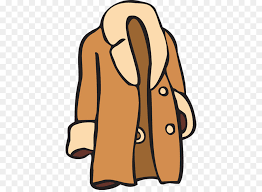
WHAT IS IT?
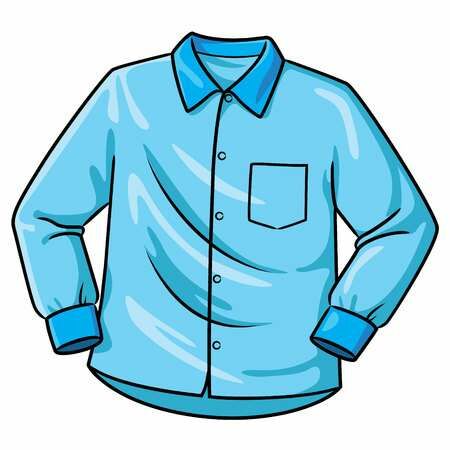
WHAT IS IT?
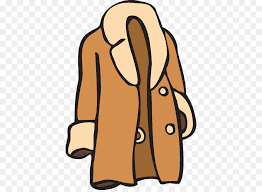
WHAT IS IT?

WHAT IS IT?
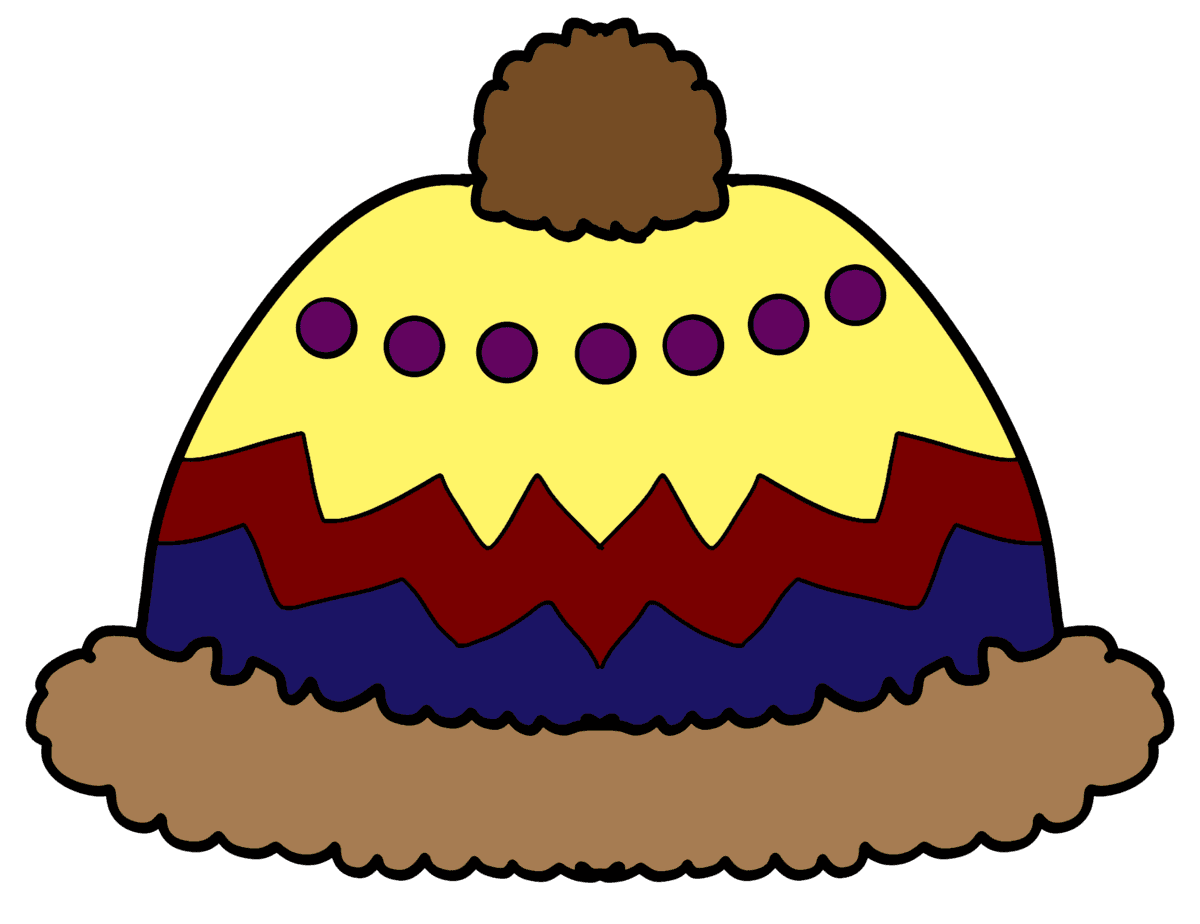
WHAT ARE THEY?
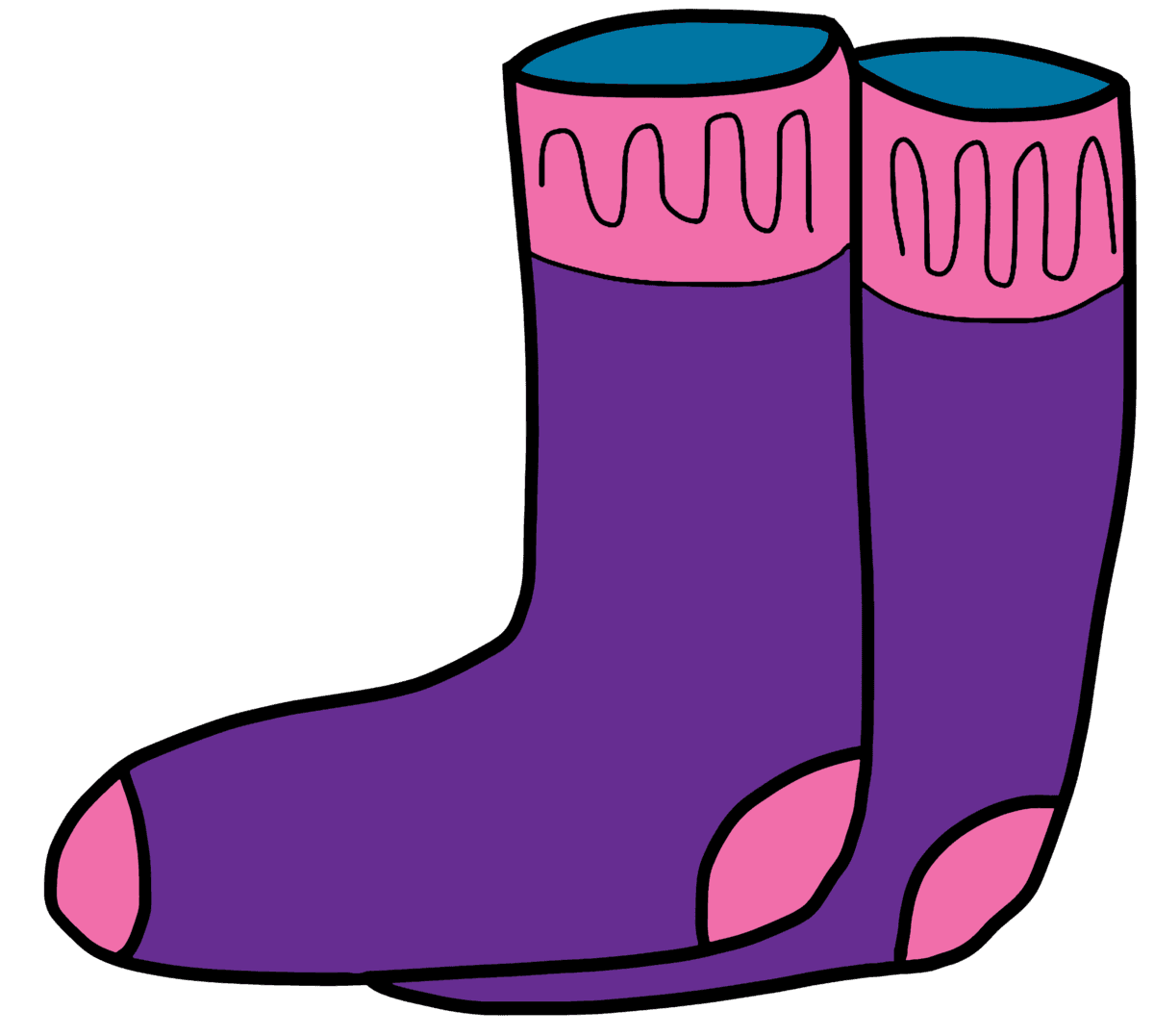
WHAT ARE THEY?

WHAT IS IT?

WHAT ARE THEY?
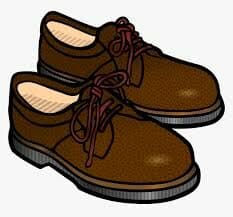
WHAT ARE THEY?
Give this quiz to my class
 Summer and winter clothesClothes: What do you wear when it's cold? A. Swim trunks B. Hat C. Gloves D. Sweater What do you wear when it's rainy? A. Sunglasses B. Ski suit C. Flip-flops D. Umbrella What do you wear in the summer to stay cool? A. Snowsuit B. Scarf C. Boots D. T-shirt Seasons of the Year: Which season comes after winter? A. Autumn B. Summer C. Winter D. Spring What do you like to do in the summer? A. Play hockey B. Run with sleds C. Catch snowflakes D. Swim Weather: What do you wear on a sunny day? A. Ski suit B. Neck warmer C. Gloves D. Sunglasses What happens to puddles on a warm, sunny day? A. Expand B. Turn into ice C. Dry up D. None of the above How does the sky look when it's going to rain? A. Clear B. Orange C. Cloudy D. Golden Mix: What do you wear when it's cold and snowy? A. Swimsuit B. Cowboy boots C. Ski helmet D. Winter jacket What grows on trees in the summer? A. Vegetables B. Colorful leaves C. Carrots D. Fruits What do you do when it's windy? A. Swim in a pool B. Listen to music C. Run with sleds D. Fly a kite Which of the following is a season when it's cold and snowy? A. Summer B. Spring C. Autumn D. Winter What do you wear when it's hot in the summer? A. Ski suit B. Boots C. Scarf D. Straw hat Which of the following are signs of spring? A. Leaves fall B. Snow covers the ground C. Trees lose their leaves D. Flowers bloom What clothing do you wear when it's raining? A. Gloves B. Ski suit C. Sunglasses D. Rain ponchoWhat is the page mainly about? (Answer: C — Homes meet a basic need) A) House colors B) Old buildings C) Homes meet a basic need ✓ D) Travel What basic need do homes give? (Answer: B — Shelter) A) Food B) Shelter ✓ C) Clothes D) Money What does “basic need” mean here? (Answer: C — Something people must have to live) A) Something nice to have B) A school rule C) Something people must have to live ✓ D) A weekend plan Homes keep people ______ and ______. What are the two words from the page? (Answer: B — dry / safe) A) rich / tall B) dry / safe ✓ C) loud / fast D) clean / funny What else are homes for, according to the text? (Answer: B — Eating, sleeping, and being with family and friends) A) Shopping B) Eating, sleeping, and being with family and friends ✓ C) Driving D) Fighting What does the heading “Meeting our needs” tell you? (Answer: B — explains how homes fit the local climate) A) A joke is coming B) This part explains how homes fit the local climate ✓ C) It is a story D) It lists prices What does “climate” mean on this page? (Answer: C — the usual weather of a place) A) Yesterday’s forecast B) A big storm C) The usual weather of a place ✓ D) Room temperature Which roof is best for cold, snowy places? (Answer: D — Slanted) A) Flat B) Dome C) Glass D) Slanted ✓ Why is a slanted roof helpful in snowy places? (Answer: B — snow slides off more easily) A) It is cheaper B) Snow slides off more easily ✓ C) Birds like it D) It is quieter Why do many houses in hot places have many windows? (Answer: B — to let air move through and keep people cool) A) To block all light B) To let air move through and keep people cool ✓ C) To make walls heavy D) To reduce street noise Which detail best supports “climate changes home design”? (Answer: C — Hot → many windows; Snowy → slanted roofs) A) People like blue walls B) Kitchens are big C) Hot → many windows; Snowy → slanted roofs ✓ D) Cities are crowded What does the caption about a traditional Japanese house show? (Answer: C — People sit on mats on the floor to eat) A) People eat outdoors B) Families don’t eat together C) People sit on mats on the floor to eat ✓ D) People stand to eat Which sentence is LEAST connected to the main idea of the page? (Answer: D — Blue walls are relaxing) A) Homes protect people from weather B) Roofs can change with climate C) Windows help rooms stay cool D) Blue walls are relaxing ✓ Which text structure organizes the right paragraph? (Answer: C — Cause–effect) A) Timeline B) Problem–solution C) Cause–effect ✓ D) Description only What is the author’s purpose? (Answer: B — to explain how homes meet a human need) A) To sell houses B) To explain how homes meet a human need ✓ C) To tell a funny story D) To give building laws What can you guess about a flat roof in a snowy place? (Answer: B — snow can pile up and be unsafe) A) Best choice B) Snow can pile up and be unsafe ✓ C) Always cheaper D) Warmer in summer Which page feature helps you find ideas quickly? (Answer: C — Headings and photo captions) A) Rhyme B) Dialogue C) Headings and photo captions ✓ D) Footnotes Which sentence is the best summary of the page? (Answer: C — Homes give shelter; designs change with climate) A) Houses are beautiful in winter B) People prefer bright colors C) Homes give shelter; designs change with climate (slanted roofs, many windows) ✓ D) Windows are the most important part True/False or Short Answer (5) True/False: All homes have the same purpose, even if they look different. (Answer: True) True/False: In hot places, houses usually have fewer windows to keep heat in. (Answer: False — hot places → many windows for airflow/cooling) Short Answer (1–3 words): Homes provide shelter to keep people _____ and _____. (Answer: dry; safe) Short Answer (one example): Write one climate → design pair from the page. (Answer: cold/snowy → slanted roof OR hot → many windows) True/False: The photo shows people in Japan eating on mats on the floor. (Answer: True)The kimono is a traditional Japanese costume. Both men and women wore it in their everyday lives in the past. Most kimonos had flowers, butterflies and lots of colours on them. The Japanese used silk, linen or cotton to make them. They used thick fabric to make kimonos for winter, and a lighter fabric for summer kimonos. They never threw old kimonos away. They usually turned them into bags, cases or clothes for children. Japanese people haven’t stopped wearing kimonos. Today they usually wear them on special days, like when there is a wedding or a traditional event.Write personal questions for a1-a2 kids after they read: Incredible Places to Stay Introduction. Do you want to see some of the world's most amazing hotels? Let's go! Sliding with Sharks. The first stop on your tour is Las Vegas, Nevada. At the Golden Nugget, you can ride a waterslide. It takes you through a shark tank. A Cool Place to Stay. The next stop is the Hôtel de Glace (O-tel DEH GLAHS) in Canada. Many parts of the hotel are made of ice. The ice melts away in the spring. Each winter, it takes a lot of work to build the hotel again. Breakfast with Giraffes. From Canada, you'll travel to Kenya. Giraffes live in the forests around a hotel called Giraffe Manor. Every morning, the giraffes come to the hotel to eat. If you stay there, you can feed them! In the Trees. The next stop on your tour is Sweden. The Treehotel is made up of many tree houses. The Mirrorcube has glass all around it. This tree house blends in with the woods. One tree house looks like a big bird's nest. The UFO tree house looks as if it is from outer space. A Room Without a View. When you are in Sweden, stop at the Sala Silvermine Hotel. When you get there, you can stay in the deepest hotel room in the world! It is a long way down to your room. Dress in warm clothes because it is very cold in the mine. Sleeping with Fish. Your last stop is Jules' Undersea Lodge in Florida. You have to swim down to reach your room! When you are ready to eat, you can even have pizza. Someone from the hotel will swim it down to you. Conclusion. It is time to go back home now. Each incredible hotel is more than just a place to stay for the night. At each one, you will have a lot of fun!Winter Winter holiday questionswinter midterm