Loading...


winter vocabulary (2025 12 29)
Quiz by Rosita Meiluvienė
Tag the questions with any skills you have. Your dashboard will track each student's mastery of each skill.
... ice forms when water on roads or pavements freezes, creating a thin layer of slippery ice.
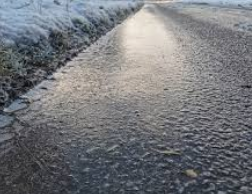
... ice forms when water on roads or pavements freezes, creating a thin layer of slippery ice.

... is small, hard balls of ice that fall from the sky.
... is partly frozen rain or snow that often turns into water when it hits the ground. It can feel uncomfortable if you get caught outside without proper clothing!

A ... occurs when the weather becomes warmer and the snow or ice begins to melt.

... describes how cold it feels when the wind blows. Even if the temperature is -2°C, the windchill might make it feel like -10°C.
If you are snowed ..., you can’t leave your home or area because there is too much snow around you.
A ... is a type of hat that covers your head and ears. It is made from wool, cotton, or other warm materials.
... are a set of tight, warm underclothes that help keep you warm when temperatures drop. You can have a thermal t-shirt, thermal leggings, or thermal socks for example.

There are ... to protect your ears or handmuffs to keep your hands warm. Handmuffs are a long tube of material you can put your hands inside together.

... means cold, but not extremely cold. A chilly day usually needs a coat, but you can still walk outside comfortably.
... weather includes frost on the ground, which is hard water, or ice. It often forms on car windows overnight.
... weather is dull and grey, with little or no sunshine.
... conditions mean light fog in the air, which can make it difficult to see.
When snow starts to melt and mix with water on the ground, it becomes ... and slippery.
A ... room allows cold air to enter through gaps in windows or doors. e.g.: Our flat is so drafty. We need something at the bottom of the doors to stop the wind coming through.