Loading...

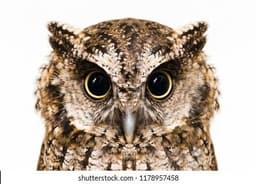
Wise As Owls
Quiz by Marsha Brady
Customize this quiz to suit your class
Instantly translate to 100+ languages
Tag the questions with any skills you have. Your dashboard will track each student's mastery of each skill.
Give this quiz to my class
What is our counselor's name?

Mrs. Madanski
Mrs. Merritt
Mr. Jason
Mrs. Bishop
Who won the French and Indian War?
America
Indians
Britain
France
What is our counselor's name?

Who won the French and Indian War?
Which was NOT one of the 13 original colonies?
Which is a historical Native American tribe of Ohio
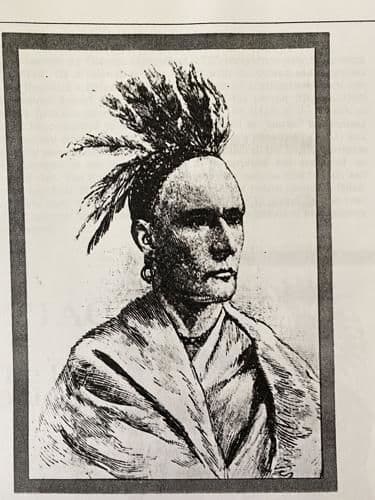
What is Kansas City's pro football team name?

A pauper is
Astonished means

Apex means

A common denominator of 2/3 and 7/9 is
nocturnal means
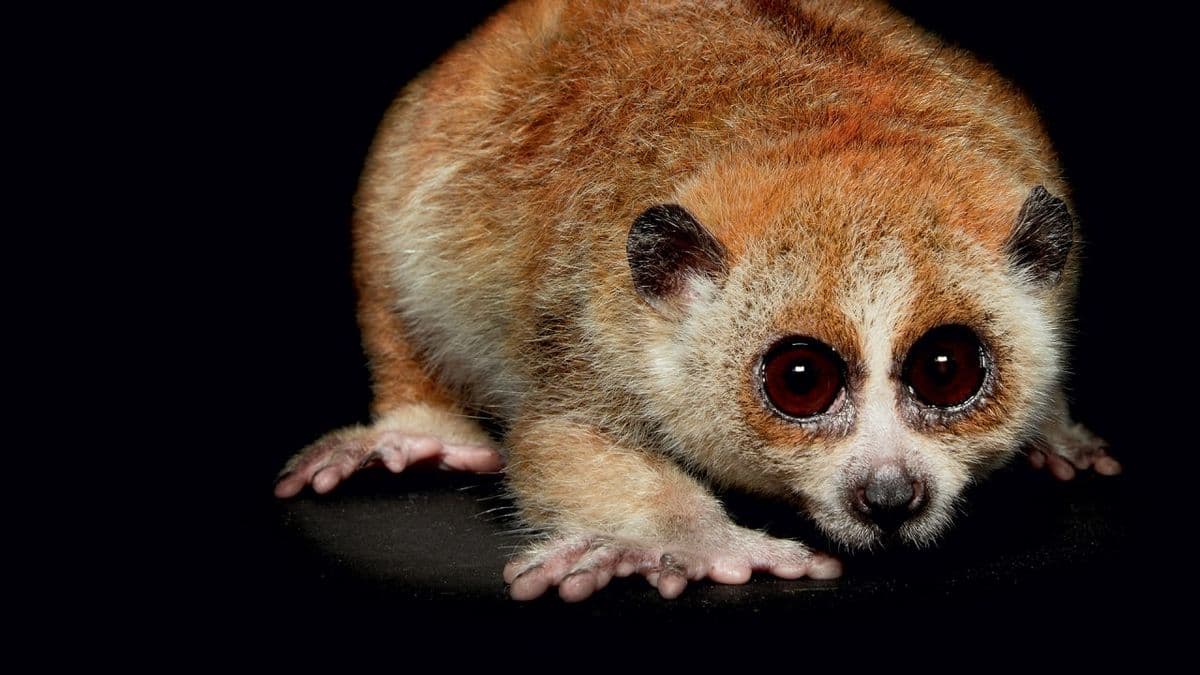
A group of monkeys is called
The tundra is

vigilant means

A group of foxes is
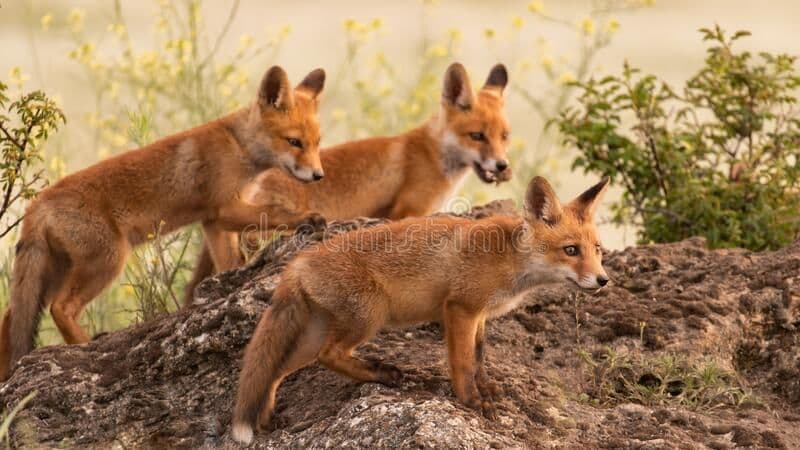
Herbivore means
immediately means

drowsy means
If you swoosh in the mud, you

a utensil is

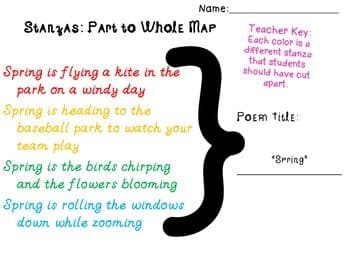
A stanza is
multi means
 Similes-You are as Wise as an Owl!According to 1 Corinthians 15:1-4, the three key parts of the gospel message are that Christ died for the world's sins according to the Scriptures, that He was buried, and that He rose again on the third day according to the scriptures. Evangelism is the process of sharing the gospel with others. Christians should evangelize so others can have faith and salvation in Jesus Christ. Proverbs 11:30 says that it is wise to win souls. The Great Commission is Jesus' command for believers to evangelize all nations. Wherever Christians go, they are supposed to make disciples, baptize believers in the name of each Person in the Trinity, and teach about Jesus and how to live God's way. According to 2 Corinthians 5:20, Christians are ambassadors for Christ. An ambassador for Christ should be a good example through words and actions, such as inviting a friend to church, being friendly to new people, and being obedient and truthful. A witness is a person who gives evidence or proof of something he or she has seen or experienced. Christians can be a witness of Jesus by giving proof of their faith through evidence from the Bible. A Christian can give a testimony of what he or she has seen Jesus do in his or her life. Evangelism should include the following points: everyone is a sinner; a person must believe, repent, and receive eternal life; and a person must choose Jesus as Lord.The Story of Ramayana by Maharshi Valmiki Long ago, Dasharatha, the wise king of Ayodhya of Sarayu, India had three wives. Though the King had three wives, he didn’t have any children with them. The Chief priest Vasishta advised the king to make fire sacrifice to obtain a blessing from the gods. After the gods were pleased, one of them appeared out of the flame and handed him a pot full of nectar. The god told the king to share the nectar with his three queens namely Kausalya, Kaikeye, and Sumitra. While the nectar had been shared, the three queens gave birth to sons: Kausalya had Rama; Kaikeye had Bharatha; and Sumitra had twins Lakshmana and Shatrughna. A sage took the boys out to train them in archery. In a neighboring city, the ruler's daughter was named Sita. When it was time for Sita to choose her bridegroom, at a ceremony called a Swayamvara, the princes were asked to string a giant bow. No one else could even lift the bow, but as Rama bent it, he did not only string it but also broke it into two. Sita indicated that she chose Rama as her husband by putting a garland around his neck. The disappointed suitors were watching. 6 CO_Q3_English8_Module 4 King Dasharatha, Rama's father, decided it was time to give his throne to his eldest son Rama and retired to the forest to seek moksha. Everyone seems pleased. This plan fulfilled the rules of dharma because an eldest son should rule and, if a son can take over one's responsibilities, one's last years may be spent in a search for moksha. In addition, everyone loved Rama. However, Rama's stepmother, the king's second wife, was not pleased. She wanted her son, Bharata, to rule. Because of an oath Dasharatha had made to her years before, she got the king to agree to banish Rama for fourteen years and to crown Bharata even though the king, on bended knee, begged her not to demand such things. Broken-hearted, the devastated king could not face Rama with the news that Kaikeyi must tell him. Rama, always obedient, was as content to go into banishment in the forest as to be crowned king. Sita convinced Rama that she would always be at his side and his brother Lakshmana also begged to accompany them. Rama, Sita, and Lakshmana set out to the forest. Bharata, whose mother's evil plot had won him the throne, was very upset when he found out what had happened. Not for a moment he did consider breaking the rules of dharma and becoming king in Rama's place. He went to Rama's forest retreat and begged Rama to return and rule, but Rama refused. "We must obey father," Rama says. Bharata then took Rama's sandals saying, "I will put these on the throne, and every day I shall place the fruits of my work at the feet of my Lord." Embracing Rama, he took the sandals and returned to Ayodhya. Years passed and Rama, Sita, and Lakshmana were very happy in the forest. Rama and Lakshmana destroyed the rakshasas (evil creatures) who disturbed the sages in their meditations. One day a rakshasa princess named Shurpanakha tried to seduce Rama, and Lakshmana wounded her and drove her away. She returned to her brother Ravana, the ten-headed ruler of Lanka (Sri Lanka, formerly Ceylon), and told her brother, who is always attracted to beautiful women, about lovely Sita. Ravana devised a plan to abduct Sita. He sent a magical golden deer which Sita desired Rama to hunt. A long time had passed, but Rama didn’t return. Thus, Lakshmana went off to find his brother. Before leaving Sita, Lakshmana drew a protective circle around Sita and warned her that she would be safe if she would stay within the circle. As they went off, Ravana, who could change his shape, appeared as a holy man begging alms. The moment Sita stepped outside the circle to give him food, Ravana grabbed her and carried her off to his kingdom in Lanka. Rama was broken-hearted when he returned to the empty hut and could not find Sita. A band of monkeys led by Hanuman offered to help him find Sita. Ravana carried Sita to his palace in Lanka, but he could not force her to be his wife. So, he put her in a grove and alternately sweet-talked her and threatened her in an attempt to get her to agree to marry him. Sita would not even look at him but thought only of her beloved Rama. Hanuman, the general of the monkey band could fly since his father was the wind, and he flew to Lanka and found Sita in the grove, comforted her, and told her Rama would come soon and save her. 7 CO_Q3_English8_Module 4 Ravana's men captured Hanuman, and Ravana ordered them to wrap Hanuman's tail in cloth and to set it on fire. With his tail burning, Hanuman hopped from house-top to house-top, setting Lanka a fire. He then flew back to Rama to tell him where Sita was. Rama, Lakshmana, and the monkey army built a causeway from the tip of India crossing over to Lanka. A mighty battle took place. Rama killed several of Ravana's brothers and then Rama confronted ten-headed Ravana. Rama finally killed Ravana and freed Sita. After Sita gained her freedom from Ravana, she proved her purity through the trial by fire. Then, they returned to Ayodhya and Rama became the king. As Rama became the king, he ruled Ayodhya with Ramrajya - an ideal time when everyone does his or her duties and responsibilities Solomon was the son of David. His mother’s name was Bathsheba. He became king after King David. He was the third king of Unified Israel. When he became king, he prayed to God for wisdom to rule the people of Israel. God responded to Solomon’s prayer for wisdom by granting Solomon wisdom, riches, and honour, as a result, he became a great leader and was the wisest man who ever lived. Knowledge consists of facts or ideas acquired by study, observation, or experience. Wisdom refers to the ability to make good decisions based on knowledge. James 1:5-6 states that anyone who lacks wisdom should ask God for it because He gives generously to all who ask in faith. Godly wisdom is more valuable than earthly riches and treasures. Solomon wrote proverbs so that people could learn godly wisdom, discipline, and discernment. Simply knowing the difference between right and wrong is not enough. A person must also listen to God, act on knowledge and godly wisdom, and choose to obey God. Psalm 111:10 teaches that fearing the Lord is the beginning of wisdom. Wisdom becomes part of a believer's life once he or she learns to fear and revere the Lord. Applying God's Word to everyday life is the foundation for wise living. Solomon wrote 3,000 proverbs and composed 1,005 songs; he was a scientist with great knowledge of many plants and animals.Create a comprehension quiz for the following vocabulary; To be getting on in age: Growing older; advancing in years. Pet peeve: Something that annoys or bothers someone significantly. Pinhead: A small-minded or foolish person. Nit-pick: To find fault with small or trivial details. Whilst/while: During the time that; at the same time as. On a dig: Engaged in archaeological excavation. Mad vs crazy: "Mad" typically refers to anger or insanity, while "crazy" can denote insanity or extreme enthusiasm. Twitch: A sudden, quick movement or spasm. Dreamt/dreamed: Past tense forms of the verb "to dream." Eaves: The part of a roof that overhangs the walls. Burly man: A strong, muscular man. She’s a looker: A woman who is attractive or visually appealing. Breech birth: A birth in which the baby is delivered feet first instead of head first. Being too forward: Acting too boldly or presumptuously. Gooey: Soft and sticky, often used to describe certain textures or emotional situations. Spare tire: Excess fat around the waistline; a protruding belly. Twists and turns of fate: Unexpected changes or developments in life. Pompous: Self-important or arrogant. Play a prank on someone: To carry out a mischievous trick or joke on someone. Scamps: Mischievous or playful individuals, often used affectionately. To tend one's resignation: To formally submit one's resignation from a job. A sound judgment: A wise or rational decision. To set someone up with someone else: To arrange a meeting or date between two people. Loon: A colloquial term for a crazy or eccentric person. Duvet: A type of blanket filled with feathers, down, or synthetic fibers, used as a bed covering. Don't Meddle: Do not interfere or intervene. Croquet mallet: A hammer-like instrument used to strike croquet balls. Cut it out: Stop doing something annoying or inappropriate. Pop over: Visit briefly or unexpectedly. It was a riot: It was extremely funny or enjoyable. Spit Tspat spat: Sounds indicating a quick, spat-out expulsion of saliva. A hoot: Something that is amusing or enjoyable. Overhear: To unintentionally hear what others are saying without their knowledge. You're quite a package: You possess many appealing qualities or attributes. I'm quite a catch: I am an attractive or desirable partner. Limper: A person who walks with a limp. A hanky: A handkerchief, a small piece of cloth carried for personal hygiene or used as a fashion accessory.Nutrition refers to the science that deals with the various factors of which food is composed and the way in which proper nourishment is brought about. Home Economics and Livelihood Education 7 Seibo College 152 Human nutrition involves properly feeding the people. It is therefore important to learn more about nutrition, taking into consideration the three (3) important factors: a. the food we eat b. the way it is digested, absorbed and used in the tissues of the body c. the kind of people for whom the food is intended Good health or “wellness” is not a matter of chance. Good health is a product of good nutrition which is the result of an adequate supply of essential nutrients in your body. Lack of these nutrients lead to illness or a condition known as “malnutrition”. Malnutrition occurs if there is an imbalance intake of nutrients or an inadequacy of one or any of the nutrients. Malnutrition are manifested in the following cases: 1. obesity due to overeating- Obesity occurs when a person eats more than what the body requires under normal condition. This results in an excess supply of calories that leads to obesity or overnutrition. 2. stunted growth of children due to lack of protein- If there is no sufficient supply of carbohydrates or fats protein is used by the body as an alternative source of energy. 3. under weight due to lack of carbohydrates- If the total amount of nutrients provided by the diet is insufficient , it results to undernutrition. What is good nutrition? Home Economics and Livelihood Education 7 Seibo College 153 What are the causes of malnutrition? 1. ignorance or lack of knowledge about proper food intake 2. low standard of living 3. limited food supply 4. emergence of calamities or social unrest 5. increased family size 6. poor eating habits What are food habits? Food habits mean one’s attitude towards food. If the body is fed by junk foods and became over/under supplied with particular vitamins, protein or other nutrients then the body will suffer from malnutrition. Let us identify the factors affecting food habits. Education – knowledge about nutrition will help one to make wise decision about food. Foods available - The kinds of food available to you usually are the foods you eat. Some foods can grow only in certain types of geographic locations and this determines the foods available in such locations Religion - What foods people can eat or cannot eat have been dictated by their religious beliefs. For example, Moslems do not eat pork because Islam forbids them to eat it. Home Economics and Livelihood Education 7 Seibo College 154 Ethnicity – members of cultural groups formed their own living patterns which include food customs. It includes what food can or cannot be eaten. Income/economic status – the type of food you choose depends on how money you have. Income dictates what food you can eat and how you eat them. Convenience -. Meal management practices affect food habits because you can only prepare and eat foods you can easily cook with the facilities and the knowledge you have. Food habit refers to the way in which different people select , cook, serve and eat food that are available to them. Home Economics and Livelihood Education 7 Seibo College 155 Look at the diagram below for a better understanding. FACTORS THAT AFFECT FOOD HABITS FOOD HABITS Education Foods available Religion Convenience Economic status EthnicitWISE OLD MANWise 6P.2. Study Guide Review