Loading...

Customize this quiz to suit your class
Instantly translate to 100+ languages
Track each student's skills and progress in your Mastery dashboards
Give this quiz to my class
Grammar
Complete the sentence with present continuous.
Dan and Mary ____________________ (go) for a walk.

Grammar
Complete the sentence with present continuous.
Julia ____________________ (play) the guitar.

Grammar
Complete the sentence with present continuous.
Dan and Mary ____________________ (go) for a walk.

Grammar
Complete the sentence with present continuous.
Julia ____________________ (play) the guitar.

Grammar
Complete the sentence with present continuous.
Lucas____________________ (read) a book.

Grammar
Complete the sentence with present continuous.
Martha____________________ (cook) in the kitchen.

Grammar
Complete the sentence with present continuous.
My sisters ____________________ (watch) TV in the living room.

Grammar
Organize the polite request.

Grammar
Organize the polite request.

Grammar
Organize the polite request.

Grammar
Organize the polite request.

Grammar
Organize the polite request.

Grammar
Select the correct word to complete the question.
I have ____water in the refrigerator.

Grammar
Select the correct word to complete the question.
How ____ rice are you cooking?

Grammar
Select the correct word to complete the question.
Do we have ____ coffee?

Grammar
Select the correct word to complete the question.
How ____ oranges do you want?

Grammar
Connect the Yes/No questions depending on the answers.
Grammar
Select the correct use of be going to.
What____________ (he) do after school today?

Grammar
Select the correct use of be going to.
___________(you) have a family meal on Sunday?
Grammar
Select the correct use of be going to.
_______________(they) go to the movies tonight.

Grammar
Select the correct use of be going to.
__________________________(we) study for the test.

Grammar
Select the correct use of be going to.
I am tired._____________________ (I) go to bed.

Vocabulary
Write the verb in past simple.
We____________________ (leave) California in 2002.

Vocabulary
Write the verb in past simple.
Fred____________________ (return) to Belgium in 2007.

Vocabulary
Write the verb in past simple.
She____________________ (arrive) here in 2008.

Vocabulary
Write the verb in past simple.
My family ____________________ (go) to Syria in 2005.

Vocabulary
Write the verb in past simple.
I____________________ (live) in Cuba from 2004 to 2006.

Vocabulary
Write the verb in past simple.
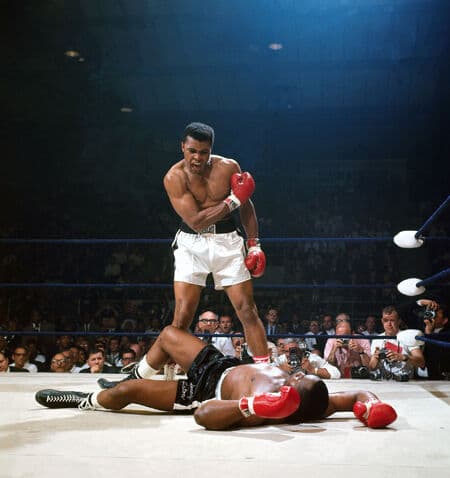
Muhammad Ali____________________ (come) here last year.
Vocabulary
Write the verb in past simple.
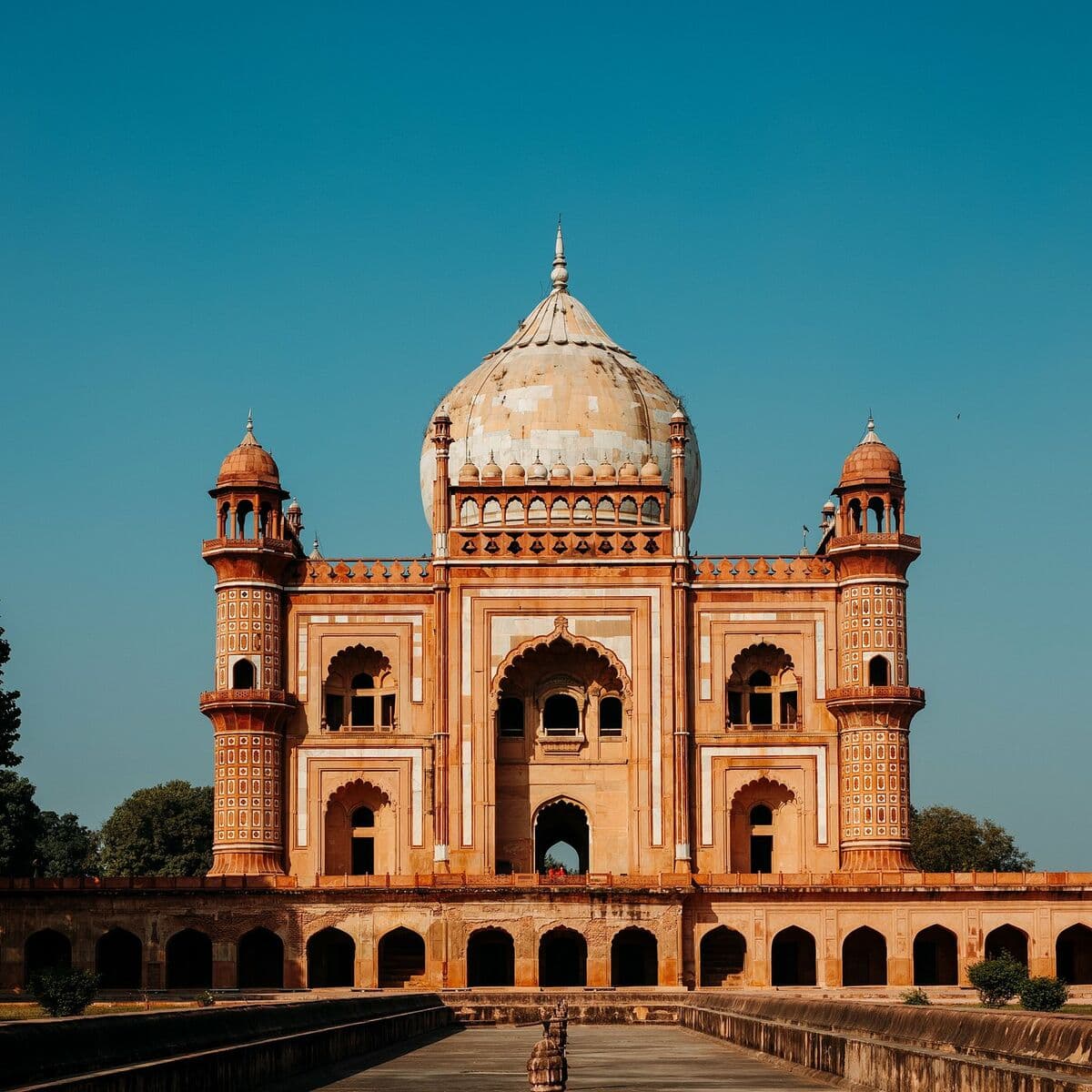
They____________________ (move) to New Delhi three months age.
Vocabulary
Write the verb in past simple.
Chip and Amy ____________________ (stay) at our house for six weeks.

Vocabulary
Connect the questions of How long and When with the correct answer.
Grammar
Check the correct use of the verb Have/Has.
I have a beautiful cat.

Grammar
Check the correct use of the verb Have/Has.
Katherine have a big house.

Grammar
Check the correct use of the verb Have/Has.
Jamal's brother don't have money to buy an ice-cream.

Grammar
Check the correct use of the verb Have/Has.
We don't have to do the homework because we passed the exam.

Grammar
Check the correct use of the verb Have/Has.
My mother has a library with a lot of books.
Everyday English
Connect the questions with the answers.
Reading
Read the article.Then choose True or False.
The families in the reading are moving because of war.
Reading
Read the article.Then choose True or False.
Some families move to the United States for economic reasons.
Reading
Read the article.Then choose True or False.
The fathers are starting English classes in two weeks.
Reading
Read the article.Then choose True or False.
San Francisco is on the West Coast of the United States.
Reading
Read the article.Then choose True or False.
The families are going to live together in a house in New York.
Listening
Listen to the conversation and select True or False.
The man bought the tickets.
Listening
Listen to the conversation and select True or False.
The man got a new passport.
Listening
Listen to the conversation and select True or False.
The speakers will be in Africa for three weeks.
Listening
Listen to the conversation and select True or False.
The woman got the visas.
Listening
Listen to the conversation and select True or False.
The woman packed.
 WORLD ENGLISH INTRO 1-4WORLD ENGLISH INTRO 5-8Yaama I'm Jack Evans and you're watching BTN. Here's what's coming up. We uncover the story behind this famous photo, learn about First Nations seasons and find out the history of Book Week. What is Statehood? Reporter: Tatenda Chibika INTRO: But first, the Prime Minister Anthony Albanese has announced that Australia will join other countries in recognising Palestine as an independent state. So, what does that mean? Tatenda found out. Anthony Albanese, Prime Minister: Australia will recognise the state of Palestine. Australia will recognise the right of the Palestinian people to a state of their own. We will work with the international community to make this right a reality. Tatenda Chibika, Reporter: That's the moment our Prime Minister said Australia would recognise Palestine as an independent state at the upcoming United Nations General assembly next month. It's something other countries, including France and Canada, have said they'll be doing too. So, what does that mean exactly? To be considered an independent state under international law a place needs to have its own land or territories with defined borders, it needs to have people who permanently live there, have a working government and it has to be able to talk and make deals with other countries. Once a place meets all those rules, it can ask to be recognised by other independent states and countries. But a big step in becoming an independent state is being fully recognised by the United Nations. To do that you first need to get approval from at least nine members of the UN's Security Council. That's a group of countries responsible for maintaining international peace and security. But even then, that tick of approval can still be blocked by one of the Security Council's five permanent members Russia, China, the UK, the US and France. If the Security Council approves, the decision then goes to the UN's General Assembly where at least two thirds of the UN's 193 members have to agree to make it official. Yeah, it's a pretty complex process which is why we've only seen a handful of countries recognised by the UN in recent years like South Sudan and Montenegro. Others like Kosovo are only 'partially' recognised which means they have some recognition but not enough to become a full member state at the UN. Right now, Palestine is recognised by more than 140 countries — that's more than two thirds of the UN General Assembly. So, why hasn't it become a UN member state yet? Well, it came pretty close last year when 12 members of the Security Council voted in favour of it. VANESSA FRAZIER, AMBASSADOR OF MALTA, APRIL 2024 UNSC PRESIDENT: I shall now put the draft resolution to the vote. But the US, a close ally to Israel, used its special powers to block Palestine from becoming a member state. VANESSA FRAZIER: Those against? At the time, the U.S said Palestine and Israel needed to come to an agreement on their own first. Throughout the years, there have been attempts to figure out a way for both Palestine and Israel to exist peacefully alongside each other but that hasn't happened yet. And now Israel has said that recognising Palestine as an independent state would be rewarding Hamas the group in charge of Gaza which was responsible for the terror attacks on October 7th, 2023. But the Palestinian Authority which governs parts of the West Bank says Hamas won't have a role in any future state of Palestine which will exist peacefully alongside Israel. Australia, like the US, had previously said that it wanted Israel and Palestine to figure out things by themselves first but because of how the war has been going the Australian government is worried that if it continues to wait, there might not be a Palestinian state to recognise. ANTHONY ALBANESE, PRIME MINISTER: There has been too many lives lost, both Israeli's and Palestinians and the world is saying we need a solution to this conflict, we need to end the cycle of violence and the way to do that is to have a two-state solution. News Quiz Russia's President Vladimir Putin stepped foot on American Soil for the first time in a decade to meet with US President Donald Trump. What state did they meet in? Alabama, Alaska or Arizona?It's Alaska. The two leaders met to discuss a way to end the war in Ukraine but weren't able to make any final agreements. DONALD TRUMP, US PRESIDENT: There were many, many points that we agreed on. Most of them, I would say, a couple of big ones, that we haven't quite got there, but we've made some headway. There's no deal until there's a deal. A lot of people criticised the two world leaders for not including Ukraine's president Volodymyr Zelenskyy in the meeting. But that didn't seem to worry Mr Trump who said the meeting was a success and Mr Putin even invited the US President to meet up again in Russia. DONALD TRUMP: We'll see you again very soon. Thank you very much, Vladimir. VLADIMIR PUTIN, RUSSIAN PRESIDENT: Next time in Moscow. DONALD TRUMP: Oh, that's an interesting one. No, no, no. I'll get a little heat on that one. Last week thousands of people marked the 80th anniversary of VJ Day. What does VJ Day commemorate? The victory of Allied forces in Europe, the surrender of Japan and the end of World War II or the dropping of the first atomic bomb? VJ Day or Victory over Japan day commemorates the surrender of Japan and the end of World War II on the 15th of August 1945. Around the world, and here in Australia, people marked the anniversary with ceremonies remembering those who fought in the war. REPORTER: Who will you be remembering today? VETERAN: Oh, a lot of fellows that I knew that never made it home. Scientists in the UK have created toothpaste that includes which of these ingredients? Hair, eye lashes or fingernails? Yeah, they're all a bit random and gross but the answer is hair. According to scientists from King's College in London, hair could be the key to good oral health because it contains a protein called Keratin which they say when mixed with saliva forms a crystal-like protective coating similar to enamel. And Swifties rejoice because Taylor Swift has announced her 12th Studio album. It's called life of a show what? Is it show pony, show girl or show bag? It's Life of a Showgirl and it'll be released October 3rd. Vincent Lingiari Reporter: Joseph Baronio INTRO: Now to this very famous photograph. It was taken 50 years ago and depicts a really significant moment in Australian history. Joe found out about the story behind it. On the 16th of August 1975, this famous photo was taken. It shows the former Prime Minister Gough Whitlam pouring sand into the hand of Aboriginal leader Vincent Lingiari. A simple gesture that symbolised handing the land at Wave Hill in the Northern Territory back to the Gurindji people. But the journey to get there was far from simple. It started back in the 1960s. At the time, Wave Hill was the biggest cattle station in the world, controlled by British landowner Lord Vestey. The Gurindji people, who had lived on the land for generations, worked for Vestey, but they weren't paid fairly, and conditions were tough. NEWS REPORTER: The station's 100 aboriginal stockmen, with their 100 dependents, are camped in the dry bed of the Victoria River with little shade from 90-degree heat, dust and flies. Eventually, Gurindji leader Vincent Lingiari said it was time to act. VINCENT LINGIARI: I said, "What was it before Lord Vestey born and I was born?" It was blackfella country. So, on August 23rd, 1966, Mr Lingiari and his fellow Aboriginal workers went on strike. It became known as the Wave Hill Walk Off. They moved their camp away from the Wave Hill station to a sacred site called Daguragu on Wattie Creek. They wanted to set up their own cattle station, and said they wouldn't move until their land was returned to them. For years, petitions and negotiations went on between the Gurindji people, the NT Administration, and the Australian Government in Canberra. CLAPPERS: 31. 32. 33. DAVID QUINN, ABSCOL: Well, it's basic justice that their land is recognised. PROTESTORS: Equal rights! As the news spread across the country, thousands of Aussies joined the campaign, including the leader of the Labor Party, Gough Whitlam, who made this promise during his 1972 election campaign. GOUGH WHITLAM: We will legislate to give Aborigines land rights. Not just because their case is beyond argument, but because all of us as Australians are diminished, while the Aborigines are denied their rightful place in this nation. Later that year, Gough Whitlam became Prime Minister. (Song From Little Things Big Things Grow, Song by Kev Carmody and Paul Kelly, 1993) From little things big things grow,from little things big things grow… But it wasn't until 1975, 9 years after the Wave Hill Walk Off started, that he followed through with his promise. Eight years went by, eight long years of waiting'Til one day a tall stranger appeared in the landAnd he came with lawyers and he came with great ceremony GOUGH WHITLAM: I solemnly hand to you these deeds as proof in Australian law that these lands belong to the Gurindji people. And through Vincent's fingers poured a handful of sandFrom little things big things grow 50 years on, and The Wave Hill Walk Off is seen as a pivotal moment in Australia's history. It led to significant legal and social changes for First Nations people, which is something many agree is worth celebrating. First Nations Seasons Reporter: Saskia Mortarotti INTRO: Recently, Melbourne's Lord Mayor suggested ditching the four-season calendar that most of us are familiar with and adopting a six-season Wurundjeri calendar instead saying it gives a better description of what the weather's actually like there. Sas found out more about the different seasonal calendars used by First Nations people. SASKIA MORTAROTTI, REPORTER: Right now, in most of the country, it's pretty cold. COLD GIRL: Think of somewhere warm. What? It's 32 degrees in Darwin in the middle of winter? But ah, yeah. There are some places where it's, well, quite warm. Which makes you wonder whether the weather actually matches the seasons. You see, Australia is pretty big, and we have lots of different weather patterns. Which is something First Nations people have tracked for thousands of years with their own seasonal calendars. KARL WINDA TELFER, CULTURAL CREATIVE KANYANYAPILLA: Why have we got four seasons when you know that don't make any sense here. It doesn't relate to the country here. This is Karl Telfer. He's an artist and storyteller who produced the Kuri Kurru exhibition at the Museum of Discovery in Adelaide that explores the 6 different seasons of the Kaurna Meyunna. SASKIA MORTAROTTI: So, how do you know when you're in one of those six seasons? KARL WINDA TELFER: Well, there are stars that rise. So, you know, there are certain stars, like in Parnatti, for example. There's a star called Parna, and we know what that star is. So, that talks to us about, okay, the time now is going to be cold on the ground. First Nations calendars like the Kaurna one don't just tell us what's happening with the weather; they're also used to track when certain plants and animals are around. KARL WINDA TELFER: It teaches you about what plants you can, you know, what you can eat what you can't and all that what is ready certain times a year and fruit everything, bird shows you the right time to eat the fruit, perfect time, if you try and go get them the next week they're gone. Karl says we can also use these calendars to see how the environment has changed over time. KARL WINDA TELFER: Kudlilla is the season we're in now and Kudlilla that talks about like the rain but we're not having enough rain these days, well, these times. And this is due to climate and the climate changing. There are many different First Nations seasonal calendars around the country. Like Ngan'gi calendar from the Northern Territory which has 13 seasons that follow the life cycle of the native spear grass. Or the Wurundjeri Calendar in Victoria which has 6 seasons. And recently, Melbourne's Lord Mayor, Nicholas Reece, said Melbourne, or Naarm, would be better off adopting the Wurundjeri calendar because it's more in tune to what's happening with the weather. Something many, including Karl, think we should be doing right across the country. KARL WINDA TELFER: I'm talking about the English four seasons. So, this is totally different systems that we're talking about and weather patterns and currents and all sorts of different things, because it's the sea country too. So, my question is, well, why do we have that? If that doesn't work, you know? Quiz How many seasons are there in the Tiwi Island Calendar? 1, 2 or 3? It's 3, although they also have 13 minor seasons. Book Week Reporter: Wren Gillett INTRO: This week, kids across Australia have been dressing up as their favourite characters to celebrate Book Week. Wren finds out why Book Week began 80 years ago and why it's still important today for getting young Aussies into reading. STUDENT: I read an hour every night, maybe even two hours some nights. STUDENT: My favourite book series are the Harry Potter series and the Keeper of the Lost City series. STUDENT: Probably Bad Guys and Weirdo. STUDENT: I like the Amulet, I've been reading that. STUDENT: I love reading Dork Diaries and Exploding Endings. Whether it's Fantasy, mystery, history — whatever you're into. Book week is a time to celebrate, well, books. STUDENT: Me and my friends are dressing up as Inside Out. STUDENT: I was thinking SpongeBob. STUDENT: I'm dressing up as Winnie the Pooh and it's just a fun way to express what kind of books you like. And guess what, book week has actually been a thing for many, many years. WREN GILLETT, REPORTER: Once upon a time, in a land not so far away, literacy lovers noticed a problem. The year was 1945. The second World War had just ended, and kids were mainly reading books from overseas, in particular the UK. Because, at the time, there weren't many Aussie authors writing books for children. WREN GILLETT: So, a group of passionate teachers, librarians, booksellers, publishers, and book-loving volunteers, decided to create what we now know as The Children's Book Council of Australia. Familiar logo, right? Together, they launched book week, all in an effort to get Aussie kids' reading more. And it seemed to work. The 1960s saw a boom in Australian children's books being published. REPORTER: How many books do you read a week? STUDENT: Well, it really depends on the week. If there's exams, I might read only one or two. But if there's no exams and if I've got plenty of time, I might read up to five or six. WREN GILLETT: But today, it's a slightly different story. Studies show that less than one in five eight to 18-year-olds are reading in their free time, and that only one in three actually enjoy reading for fun. WREN GILLETT: Why do you reckon we're seeing this trend? STUDENT: People are getting sucked into screens and they're like spending hours just scrolling through TikTok and stuff, and they're getting so attached to it that they don't feel the need to pick up books and read them. Yeah, there's a lot of different things competing for our attention these days, but many think books are still worth our time. PETER HELLIER, AUSSIE COMEDIAN AND AUTHOR: Books are the exact opposite of boring. And if you think they're boring, I'm sorry, but you're wrong. This is Peter Hellier, he's a pretty famous Aussie comedian, actor, and the author behind these books. And he's just released another one called Detective Galileo, about a trail horse who dreams of solving crimes. PETER HELLIER: He joins the police force and quickly finds out that the horses don't actually solve the crimes, it's the police officers who solve the crime. So he promptly gets thrown out of the force and begins his own detective agency, which I'm reliably told is the only detective agency in the world run by a horse. Peter actually started writing books when he was a kid. PETER HELLIER: I started writing when I was six, seven, eight years old. In fact, I started my own publishing company called Better Books. And I would write these books, and then I would get a parent or one of my parents or teachers to type them up. And I would read them in front of the class. And, you see, each has the logo, the Better Books logo, there it is — the famous Better Books logo. WREN GILLETT: You weren't mucking around. PETER HELLIER: There all on all of them. There we go. There we go. Many, Including Peter, say there's plenty to get from a good book. They help us learn new words and phrases, get a better understanding of the world around us, and strengthen our imaginations. PETER HELLIER: Books can take you absolutely anywhere. They can take you to countries that you never dreamed about going. Countries that exist, countries that don't exist. Reading just makes the world a much bigger place. It's why for the past 80 years, schools around the country have been taking part in book week. STUDENT: Reading is a place where you can have your own world just to yourself. STUDENT: It's like watching a movie inside your head, but you can choose how it goes. STUDENT: Picking up a book is a good idea, maybe you should start with something that you're interested with and then you can start exploring from there. Quiz What is the title of the book that took out this year's Book of the year Award for younger readers? It's Laughter is the Best Endingby Maryam Master. Some other winners included I'm not really here by Gary Loneborough which took out book of the year for older readers and best picture book went to The Truck Cat, by Deborah Frenkel. Sport Australia's men's national basketball team — the Boomers — have won their third Asia Cup in a row, with an epically narrow victory over China. COMMENTATOR: It is Australia who are celebrating! China started strong, leading 25-17 at quarter time. But Aussie Xavier Cooks led a fierce comeback, shooting 30 points and collecting nine rebounds, earning him the title of MVP. And there seriously couldn't have been a tighter finish. Just as the final buzzer went off, China missed a shot that would have won them the game, leaving Australia with a 90-89 victory. COMMENTATOR: An unbelievable finish. The 2025 AFLW season kicked off last week, and so did a new trick. Yeah, 19-year-old Ash Centra from Collingwood, pulled out this move in the warm-up before their season-opener to Carlton, and since then, a lot of people have been trying to do it, with some success, kind of? FOOTY PLAYER: No, I'm not doing it on camera. But despite the epic warmup, Carlton did end up beating Collingwood by 24 points. Now, the moves from these athletes in China weren't quite so graceful but give 'em a break, okay, they're robots. For the first time ever, humanoid robots from all over the world, competed in their very own games, which featured, soccer, boxing, running, and ahh, lots of falling over. Lots. Luckily though, they did bring their own cheer squad. Young Rapper Reporter: Rylie INTRO: Finally, we're going to meet another winner of this year's Heywire competition — which asks young people in regional areas to share their stories. Rylie's going to tell us how music helped to transform his life. Check it out. Mum and I were homeless. We lived at a caravan park, in motels and tents around Warrnambool. It wasn't pretty. I'm First Nations, and I remember feeling like, my own country is failing me right now. So, we camped right along here. I remember pitching a tent right here and this was actually around the same time I started to get into music which was a good way for me to have something to look forward to. I was raised by the SoundCloud era, listening to a lot of trap music. When I was in school, I'd rap along to songs by Juice World, then I started to make my own. My first track was recorded on my phone. It was bad but a lot of fun to make. Some kids in my school heard it and shamed me. That put me off music for the next couple of years, until a friend of mine bought a microphone and encouraged me to give it another go. There was something about that mic and the energy of the crew around me that gave me confidence. It lit a fire in me. Over time, I was able to focus my flow. My songs are about escapism, living the life, being a success. I rap about stuff that takes me to a better place in my head. I'm manifesting my future. My stage name is Hundo Milli, it's short for hundreds of millions. Money's not really the end goal; it's more about having the freedom to dream big. Mum taught me to never stop believing. Even when times were tough, she kept pushing for us to get housing and eventually we did. We're some of the lucky ones. Today, I'm in a Melbourne studio recording my next single. I remember living in my tent dreaming about this very moment and now I'm here, doing what I love. Ain't nothing going to stop me. Closer Well, that's all we've got for you today, but we'll be back before you know it. In the meantime, you can head to our website, there's plenty to see and do. You can also catch Newsbreak every weeknight and there's BTN High for all you highschoolers out there. Have an awesome week and I'll see you next time. Bye.The Revolt of the Northern Earls (1569) Most people in the North remained loyal to the Catholic noble families who controlled the north and their Catholic faith. When Elizabeth came to power, she promoted ‘new men’ (Protestants) from the gentry and the powerful Catholic nobles lost their power and influence. This led them to organise the most serious rebellion of Elizabeth’s reign in 1569. Why did the Northern Earl’s revolt? The Earls had lost their power when Elizabeth became Queen (and wanted it back). They wanted Catholicism restored in England (and felt that ordinary Catholics would support it). Elizabeth was refusing to marry or to name an heir, causing uncertainty about England’s future. Mary Queen of Scots (if freed from prison) could replace Elizabeth and solve all these problems Who were the key players in the Revolt? Earl of Northumberland • A Catholic who had held an important position under Mary I. • He lost a lot of influence under Elizabeth (as she favoured Protestant gentry) • Elizabeth also took the rights to a valuable copper mine found on his lands Earl of Westmorland • From a rich Catholic family in the north Also the Duke of Norfolk’s brother in law Duke of Norfolk • England’s most senior Protestant noble, but he had very close links to old northern Catholic families, & was sympathetic to them & greedy for power. • He hated William Cecil & Robert Dudley, Earl of Leicester (Elizabeth’s favourite) who were Protestant and from the gentry • He planned to marry Mary QS, but later backed down and urged the earls to call off the rebellion. Mary also supported the plan to marry him What role did religion play? (7/10 – but only because it was linked to power) • Most northerners held onto their Catholic beliefs & although Elizabeth didn’t persecute them, they knew that she wanted their religion to gradually die out, so they supported the revolt. • In 1561 Elizabeth hired a strict Protestant as archbishop of Durham to promote Protestantism in the north, but he was unpopular & turned many northerners against the Protestant religion. What role did politics/power play? (9/10 – this was the most important cause of the revolt) • The Northern Earls lost a lot of their power/influence (even jobs/money under Elizabeth) • Northumberland was jealous of new Protestant families being given top jobs in the North • William Cecil & Robert Dudley were not from ancient noble families, but were very close to the Queen, so the northern Earls resented them getting top jobs in her Government • Elizabeth also confiscated large areas of land & the profits from their copper mines • It is possible, that had Elizabeth allowed the Catholic Northern Earls to keep their jobs, money and influence at court, they may have ‘tolerated’ her as a Protestant Queen (greedy/selfish). What role did Mary Queen of Scots and the Succession play? • Elizabeth was refusing to name an heir and it was becoming clear that she would not marry • If Mary Queen of Scots married the Duke of Norfolk, England would have an heir and England would be Catholic again. The country would be stable without people competing for power. • However, some of Elizabeth’s courtiers got worried that it might not work and that it might lead to charges of treason (punishable by death) • So by September 1569, Robert Dudley (Earl of Leicester) decided to tell Elizabeth about the plot. By this time it was much more serious than simply marrying Norfolk to Mary. • Mary QS had secretly asked Spain to send troops to help the rebellion & overthrow Elizabeth Plan for the Revolt of the Northern Earls (1569) • The Earls of Northumberland & Westmorland will raise rebel troops from their lands in the north and take control of Durham. • The rebels will then march south towards London to join with the Duke of Norfolk • 1000s of Spanish troops will land in England to support the rebel forces • The Duke of Norfolk & rebel forces will seize control of Government & overthrow Elizabeth • Mary Queen of Scots is to be freed, ready to marry the Duke of Norfolk Key Events of the Revolt • Once Elizabeth knew of the plot, Norfolk was arrested and sent to the Tower of London • The Northern Earls were worried they would be executed for their involvement and in a desperate attempt to avoid punishment, pushed ahead with the revolt • They raised an army of ordinary Catholics and took control of Durham cathedral • Catholic mass was celebrated across the north for 2 weeks. • They then headed south, to try and free Mary • Mary QSs was moved south to Coventry on the orders of Elizabeth, so she couldn’t escape • The rebellion failed as Spanish troops never arrived • Elizabeth’s friend (Earl of Sussex) had raised an army of 7,000 men to defend her throne. Results: • The rebellion was a serious threat to Elizabeth • She executed 450 rebels in the north • Northumberland was executed in 1572 & his head was put on a spike on the city gate • The Privy Council called for the Duke of Norfolk’s execution too, but Elizabeth released him. • Mary Queen of Scots was kept in prison for the next 14 years. • The failed plot also led the Pope to take action against Elizabeth • In 1570 he excommunicated Elizabeth from the Catholic Church • He also issued a Papal Bull (order) calling on all loyal Catholics to overthrow her hoping it would encourage another rebellion. • In 1571 Elizabeth called parliament to pass an Act making it treason to claim that she was not the rightful Queen and to bring in/print papal bulls in England. The Significance of the Revolt of the Northern Earls • It was the first and most serious rebellion by English Catholics against Elizabeth • Treason laws were made much harsher • It ended the influence of the powerful Catholic Earls in the North • It led to harsher treatment of Catholics, e.g. 1572 Elizabeth sent the Earl of Huntingdon (strict Protestant) to the north to carry out laws against Catholics (and suppress Catholicism). • Although Elizabeth’s brutal revenge on the rebels show how serious a threat it was, most Catholics in the north stayed loyal, but the Pope’s Papal Bull now put their loyalty in doubt There was little support for the revolt among the rest of the Catholic nobility and ordinary people. When faced with a choice between Elizabeth and their religion, most Catholics chose to support the Queen. 1569, was the last time English Catholics tried to remove Elizabeth by force. The future plots against her were always uncovered by Cecil & Walsingham, before they had a chance to get any public support. Despite this, the Northern Revolt & Papal Bull changed Elizabeth’s attitude towards Catholics who were now seen as potential traitors. From 1570, Elizabeth became less tolerant of recusants (people refusing to attend her church) & took increasingly tough measures against Catholics. The Ridolfi, Throckmorton & Babington plots • In the 1870s-80s, there were 3 Catholic plots to assassinate Elizabeth & replace her with Mary. • The plots were supported by France, Spain, the Pope and some Catholic nobles. • They reinforced the form Mary & from Catholics at home and abroad. Also the threat from Spain. The Ridolfi Plot (1571) • Ridolfi was an Italian banker living in England and a spy for the Pope. • He organised a plot to murder Eliz, marry Mary QS to the Duke of Norfolk & make her Queen. • The Pope & King Philip supported the plot & Philip told the Duke of Alba in the Netherlands to prepare 10,000 troops (but to only invade AFTER the English had overthrown Elizabeth). • The plot failed because Sir William Cecil intercepted coded letters & Norfolk was executed. • Mary was kept under closer watch. • Ridolfi was abroad when the plot was discovered and never returned to England. 1574: Catholic Priests and Priest Holes • From 1574 Catholic priests were smuggled into England to keep the religion alive. • They stayed with rich Catholic families, so Catholic families were kept under surveillance. • Catholic homes were raided – to find ‘priest holes’ where Catholic priests were hiding. • Catholic priests who were found could be hung, drawn and quartered (although not all were) • In 1581, Parliament also passed 2 new tougher laws against Catholics: • Recusants would be fined £20 (which would bankrupt most families) • Trying to convert people to Catholicism was now treason (punishable by death) The Throckmorton Plot (1583) • It aimed to assassinate Elizabeth and replace her with Mary. The French Duke of Guise (Mary’s cousin) would invade England with an army, funded by King Philip (Pope also supported it). • An Englishman, Throckmorton carried messages between Mary & Catholic plotters abroad. • Sir Walsingham (Secretary of State) uncovered the plot after his agents found the plans for the plot in Throckmorton’s house. Throckmorton confessed under torture and was executed. Significance: • The plots showed that Mary’s presence in England posed a serious threat • It also showed that France & Spain were a serious threat (& could invade) • Throckmorton’s papers showed a list of Catholic supporters in England, so the threat from English Catholics was also real • 1,000s of Catholics were imprisoned or kept under surveillance/house arrest • In 1585 another Act was passed to make helping Catholic priests punishable by death. • The Bond of Association was signed by the English nobles & gentry & forced them to promise to execute anyone who tried to overthrow the Queen. Weaknesses of the Plots The plots lacked public support & were uncovered by informers & spies before they had the chance to work King Philip was reluctant to destroy his alliance with Elizabeth (France was still a bigger rival) so is support for the plots was half-hearted, he rarely followed through on his promises to help the plotters or send an army The Babington Plot (1586) In 1586, Walsingham used his spy network to PROVE that Mary supported the Babington plot. His evidence persuaded Elizabeth to put Mary on trial & execute her for treason. • This was a plot to murder Elizabeth and put Mary on the throne • France would invade England with 60,000 men and Spain would also send an army • Babington was passing coded letters between Mary & her supporters in England & Europe. • But all of her letters were being intercepted and read by Walsingham. • Walsingham used his spies to follow every stage of the plot & had the letters decoded • One of Mary’s letters approved plans to murder the Queen and free Mary from prison • They also contained the names of 6 Catholics who planned to kill Elizabeth • They were arrested, hung, drawn and quartered for treason. • Mary had been implicated in plots before, but Elizabeth was always reluctant to execute her • But the proof found by Walsingham finally persuaded her to put Mary on trial • In October 1586, Mary was found guilty & was sentenced to death • But Elizabeth still hesitated, and did not sign the death warrant until February 1587. Significance 1) This plot was very significant because by 1585 England was effectively at war with Spain since Elizabeth had sent her army to help the Dutch Protestants fight the Spanish 2) This meant that Elizabeth’ situation was more dangerous than during previous plots. 3) Elizabeth’s government also became more determined to crush Catholicism 4) 1000s of recusants were arrested & 31 priests were executed 5) Mary’s execution removed the Catholic threat at home 6) English Catholics had no one to rally around, & lost hope of overthrowing Elizabeth 7) But Mary’s death increased the threat of a foreign invasion as England was at war with Spain and King Philip had been preparing an attack on England since 1585 8) Mary’s death made Philip even more determined to invade, Mary had left her claim to the English throne to King Philip upon her death Why was Mary Queen of Scots finally executed? 1 • A new Act in 1585 stated that in the event of Elizabeth’s assassination, Mary could be executed as long as she had been proved guilty & Walsingham had provided hard proof. 2 • Another reason was that by 1587, it was clear that Philip was planning to invade England • There were rumours that Spanish ships had landed in Wales & that Mary had escaped. This convinced Elizabeth that Mary had to be executed if she wanted to keep her throne. Walsingham’s Spy Network: • Walsingham (Secretary of State from 1573) had a network of spies all over England & abroad. He had spies in every English town, some were normal people paid to spy on neighbours. • He also had agents and spies in Spain, France, Germany and Italy • He hired mathematicians to crack written codes and people to open/seal letters secretly • He also pressured captured Catholic priests to spy on others for him in return for a pardon. • He used double agents to infiltrate Catholic networks - to help him discover traitors • But he only used torture against Catholic priests caught in England in the most serious cases • But 130 priests and 60 of their supporters were still executed during Elizabeth’s reign. Why did Relations with Spain get worse (1569-1588) • England had tried to stay on good terms with Spain, because Eliz wanted to avoid an expensive war that could lead to her being overthrown (English Catholics could support it) • But by the 1570s, Elizabeth wanted to have an empire of her own. • She also needed to make more money to defend her country and throne (by improving trade) • This religious, political and economic rivalry led to growing tensions between England & Spain Political and Religious Rivalry 1) Land abroad, gave countries wealth/power. By the 1580s, Eliz wanted an empire to rival Spain’s (especially as Spain had supported the Catholic plots against Eliz – even if it was half-hearted) 2) Religion was another cause of conflict. Philip opposed Elizabeth’s religious settlement 1559 3) Luckily for Elizabeth, in the 1550s Spain & France were competing to be the greatest European power and both wanted England as an ally against the other. 4) But from 1567, Spanish ships were sailing to the Netherlands with money for the Alba’s army 5) This alarmed English Protestants and Elizabeth’s Privy Council who put more and more pressure on her to send an army to help the Dutch Protestant rebels (in the Netherlands). Economic (commercial) Rivalry: The New World, privateers and Sir Francis Drake • Under Elizabeth, English merchants wanted to make big profits in the New World (Americas). • However, trading in the New World was difficult because of Spain’s power 1) Spain controlled most of the New World where there were huge profits to be made and anyone who wanted to trade there needed a licence from Spain (which it would not give): 2) But the Americas had valuable crops like tobacco, sugar, and also silver and gold 3) Elizabeth secretly encouraged privateers to trade illegally & raid Spanish ports & ships 4) At first Elizabeth denied responsibility for their actions, which delaye war with Spain Sir Francis Drake: Elizabeth sends Drake to rob Spanish colonies and ships (which infuriates Spain) 1) Spain’s support for the Ridolfi plot (1571) made her more willing to support Drake • In 1572 Eliz hired Drake to sail to the New World & steal £40,000 of Spanish silver • In 1577 she sent Drake back again with a secret mission to rob Spain’s colonies/ships • Drake brought back £400,000 of Spanish treasure & claimed an area of California in Elizabeth’s name (New Albion). He gave a lot of this money to Elizabeth • He boosted England’s finances at a time of growing concern over Spain’s threat • He became famous as the first Englishman to circumnavigate the globe. • Eliz knighted Drake as a reward, which infuriated Philip (as he saw Drake as a pirate) • Drake’s actions & his claim to California made it clear that England did not accept Spain’s domination of the New World. Elizabeth’s Support for the Dutch Rebels led to War with Spain (1585-88) • By the 1580s, tension between England & Spain had reached boiling point • At first, Eliz refused to send her army to help the Dutch rebels, because she wanted to avoid a war with Spain. So she tried to get the Spanish to leave the Netherlands in other INDIRECT ways: 1) By allowing Drake (& other English privateers) to attack and rob Spanish ships and colonies 2) By encouraging others (the French heir/mercenaries) to fight the Spanish in the Netherlands • In the 1570s, Elizabeth promised to marry the heir to the French throne (the Duke of Alencon) so that he would take an army to fight the Spanish in the Netherlands The Spanish Fury (1576) and the Pacification of Ghent (1576) • By 1576, the Spanish Govt in the Netherlands was bankrupt (the war was expensive) • After months without pay, Spain’s soldiers violently robbed Dutch towns in the “Spanish Fury” Spanish troops rebelling and robbing cities in the Netherlands in 1576. This united the Dutch Protestants & Catholics against Spain. They drew up the ‘Pacification of Ghent’ (demanding that): • Spanish troops leave the Netherlands • Spain allows the Dutch to rule themselves • The persecution of Dutch Protestants stops What did Elizabeth do? • Elizabeth sent £100,000 to help the Dutch rebels • In 1577 King Philip’s brother, Don Juan agreed to the rebels demands (but this was a trick) as just 6 months later Philip sent an even bigger army to attack the Dutch. • Elizabeth then hired a mercenary army of 6000 English & Scottish volunteers to help the Dutch. • But her plan backfired because the mercenaries destroyed Dutch Catholic churches, which caused the Catholics to make peace with Spain. • In 1578, her Privy Council urged Eliz to send her official army to help the Dutch, but she refused. The Dutch were disappointed & turned to France for help. The French Duke of Alencon arrived with an army to fight the Spanish, but by 1579 Spain had taken control again. • In 1580 Spain got even stronger after Philip won control of Portugal & its empire. • So Elizabeth gave the Duke of Alencon £70,000 to help him fight the Spanish • In 1582, Alencon took his army the Netherlands but failed to defeat Spain. • Elizabeth’s foreign policy in the Netherlands had failed & she had only managed to annoy Spain 1585: Why did Eliz finally decide to send her army to the Netherlands? (she lost her 2 main allies) • 1584 the Duke of Alencon died (so he could no longer fight the Spanish in the Netherlands) • 1 month later, William of Orange, the leader of the Dutch Protestant rebels was assassinated. • In 1585, Spain signed the Treaty of Joinville with France, agreeing to stamp out Protestantism in France/Europe meaning France & Spain were now allies against Protestantism • Elizabeth now felt she had no choice but to send her official army to the Netherlands • She signed the Treaty of Nonsuch with the Dutch rebels which promised them military help 1585: Robert Dudley’s campaign in the Netherlands was unsuccessful She sent 7,400 man army to the Netherlands led by Dudley. But he accepted the title of ‘Governor General’. Eliz was angry as it suggested that she had deposed King Philip so she told Dudley to resign this position. His army was defeated by the bigger Spanish Army as Eliz had not provided him with enough money to win. In 1587 Dudley resigned and returned to England. At the same time, Eliz had sent Drake to raid Spanish colonies in the New World to disrupt King Philip’s flow of money. Philip was furious and told the Pope he planned to invade England at the end of 1585. Drake singes the King of Spain’s beard 1587 • In 1587 Elizabeth ordered Drake to attack Spain’s most important port Cadiz • He destroyed 30 ships in 3 days – known as the ‘Singeing of the King of Spain’s Beard’ • He also stole lots of wood, meaning the Armada did not have quality barrels for food/water • Drake’s disruption delayed the Armada by a year (& meant that its food rotted in 1588). • This bought England more time to prepare for war. The Spanish Armada (1588) The Plan • By 1588, the Spanish Armada was ready to invade England • It had 130 ships with 8000 sailors & 18,000 soldiers • The Duke of Medina Sidonia would lead the Armada, but he had little experience at sea and didn’t want the job • The Armada would collect Parma’s army from France & sail to England under the protection of the Armada’s warships • Parma would march to London to depose Elizabeth & impose a Catholic government in England. 1) The Armada reached the English Channel The Armada set out in May 1588, but was delayed for a few weeks by bad weather In July the Armada was near England & signal fires were lit to warn Elizabeth English ships set sail to meet the Armada The Armada sailed up the channel in a crescent (half moon) formation, to use the large armed galleons to protect the weaker supply and army ships The English navy carried out a few minor raids, but did not inflict much damage Only 2 Spanish ships were lost (by accident) 2) The English attack the Spanish at Calais (with fire ships) and at Gravelines The Armada sailed up the English channel & anchored at Calais to wait for Parma’s army But Parma’s men didn't reach the coast in time (news had reached them too late) At midnight, the English sent 8 fireships into the Spanish ships causing panic They cut their anchors, broke formation & headed for the open sea (without Parma) The Spanish ships sailed to Gravelines, but bad weather stopped them returning to Calais The English attacked and the battle lasted many hours (5 Spanish ships were sunk) The rest were forced to sail away from France towards Scotland The English ships followed them to make sure they didn’t come back to collect Parma’s army 3) The Armada’s Journey back to Spain around Ireland was a disaster The Spanish called off the attack and returned to Spain around Scotland & Ireland Bad storms sank many ships and wrecked more on the Irish coast Many sailors died from starvation & disease – less than half the men made it back to Spain How did England defeat the Spanish Armada? !) Faster Ships • Years before the battle, England had started building smaller, faster ships (galleons) that could fire canon balls quicker & further than Spanish ships • Spanish ships were huge and slow to change direction. 2) Bad Planning & Communication (Spanish) • Philip’s plan to join with the Duke of Parma’s army in France was risky. • Parma had lots of small ships which took 48 hours to load, man and set sail. • It took too long (a week) for word to reach Parma that Medina was in the English Channel, by which time Medina had set sail to Calais. • Parma was not ready to set sail & the English were already ready to attack (leaving Medina with very little back up when anchored in France). 2) English Tactics were more effective • Spanish ships aimed to come alongside the English ones, jump on board & fight the enemy. But the English ships were faster & kept a safe distance. • They chased the Armada down the Channel, with heavy cannon fire, which forced the Spanish to arrive in France before Parma’s army was ready • As the Armada was waiting, the English sent fireships into the Spanish fleet. • This caused the Armada to panic, cut their anchors & sail away to the north • When the Spanish ships regrouped, the English attacked them in the Battle of Gravelines & the Armada was forced to sail north, chased by faster ships. 5) Bad Weather • Strong winds made it impossible for the Armada to return & pick up Parma’s army and storms wrecked or sunk Spanish ships as they tried to return home along the Scottish-Irish coasts. 2) Spanish Supplies • The Armada was not well supplied with food/weapons. Drake’s attack on Cadiz port in 1587 had destroyed food barrels. Delays in setting sail meant that by the time the English attacked the Armada it had been at sea for 10 weeks and had rotting food. 1000s died from starvation/disease. The consequences of the English victory? • Victory over the Spanish Armada gave Elizabeth a great propaganda victory • A new portrait was made, and a medal was made to commemorate her victory, it said “God blew and they were scattered”. • Elizabeth claimed that God was on the side of Protestantism • This led to a feeling of English pride and encouraged the Dutch rebels to renew their fight against the Spanish • The defeat of the Armada showed the strength of the English navy and gave England the confidence to trade and explore more widely at sea • Although Philip did not give up and continued the war for the rest of Elizabeth’s reign, the defeat had cost Spain dearly, both financially and in terms of its power • The Armada marked the start of a long decline in Spain’s power and fortunes. • English ships were sent on voyages of discovery and set up valuable new trade routes • By the end of Elizabeth’s reign, the navy was also trying to set up a new colony in Virginia • The English victory boosted Elizabeth’s popularity & strengthened the Protestant causeAll living things are made up of one or more cells. A cell is the smallest unit that can carry on all of the processes of life. Beginning in the 17th century, curious naturalists were able to use microscopes to study objects too small to be seen with the unaided eye. Their studies led them to propose the cellular basis of life. Hooke In 1665, English scientist Robert Hooke studied nature by using an early light microscope, such as the one in Figure 4-1a. A light micro- scope is an instrument that uses optical lenses to magnify objects by bending light rays. Hooke looked at a thin slice of cork from the bark of a cork oak tree. “I could exceedingly plainly perceive it to be all perforated and porous,” Hooke wrote. He described “a great many little boxes” that reminded him of the cubicles or “cells” where monks live. When Hooke focused his microscope on the cells of tree stems, roots, and ferns, he found that each had similar little boxes. The drawings that Hooke made of the cells he saw are shown in Figure 4-1b. The “little boxes” that Hooke observed were the remains of dead plant cells, such as the cork cells shown in Figure 4-1c. SECTION 1 OBJECTIVES ● Name the scientists who first observed living and nonliving cells. ● Summarize the research that led to the development of the cell theory. ● State the three principles of the cell theory. ● Explain why the cell is considered to be the basic unit of life. VOCABULARY cell cell theory Robert Hooke used an early microscope (a) to see cells in thin slices of cork. His drawings of what he saw (b) indicate that he had clearly observed the remains of cork cells (300) (c). FIGURE 4-1 (a) (b) (c) Copyright © by Holt, Rinehart and Winston. All rights reserved. 70 CHAPTER 4 Leeuwenhoek The first person to observe living cells was a Dutch trader named Anton van Leeuwenhoek. Leeuwenhoek made microscopes that were simple and tiny, but he ground lenses so precisely that the magnification was 10 times that of Hooke’s instruments. In 1673, Leeuwenhoek, shown in Figure 4-2a, was able to observe a previ- ously unseen world of microorganisms. He observed cells with green stripes from an alga of the genus Spirogyra, as shown in Figure 4-2b, and bell-shaped cells on stalks of a protist of the genus Vorticella, as shown in Figure 4-2c. Leeuwenhoek called these organisms animalcules. We now call them protists. THE CELL THEORY Although Hooke and Leeuwenhoek were the first to report observ- ing cells, the importance of this observation was not realized until about 150 years later. At this time, biologists began to organize information about cells into a unified understanding. In 1838, the German botanist Matthias Schleiden concluded that all plants were composed of cells. The next year, the German zoologist Theodor Schwann concluded the same thing for animals. And finally, in his study of human diseases, the German physician Rudolf Virchow (1821–1902) noted that all cells come from other cells. These three observations were combined to form a basic theory about the cel- lular nature of life. The cell theory has three essential parts, which are summarized in Table 4-1. Anton van Leeuwenhoek (1632–1723) is shown here with one of his hand-held lenses (a). Leeuwenhoek observed an alga of the genus Spirogyra (b) and a protist of the genus Vorticella (c). FIGURE 4-2 TABLE 4-1 The Cell Theory All living organisms are composed of one or more cells. Cells are the basic units of structure and function in an organism. Cells come only from the reproduction of existing cells. (a) (b) (c) www.scilinks.org Topic: Cell Theory Keyword: HM60241 mb06se_csfs01.qxd 5/18/07 10:54 AM Page 70THE FIDE LAWS OF CHESS. Introduction FIDE Laws of Chess cover over-the-board play. The Laws of Chess have two parts: 1. Basic Rules of Play and 2. Competitive Rules of Play. The English text is the authentic version of the Laws of Chess (which were adopted at the 93rd FIDE Congress at Chennai, India) coming into force on 1 January 2023. Preface. The Laws of Chess cannot cover all possible situations that may arise during a game, nor can they regulate all administrative questions. Where cases are not precisely regulated by an Article of the Laws, it should be possible to reach a correct decision by studying analogous situations which are regulated in the Laws. The Laws assume that arbiters have the necessary competence, sound judgement and absolute objectivity. Too detailed a rule might deprive the arbiter of his/her freedom of judgement and thus prevent him/her from finding a solution to a problem dictated by fairness, logic and special factors. FIDE appeals to all chess players and federations to accept this view. A necessary condition for a game to be rated by FIDE is that it shall be played according to the FIDE Laws of Chess. It is recommended that competitive games not rated by FIDE be played according to the FIDE Laws of Chess. Member federations may ask FIDE to give a ruling on matters relating to the Laws of Chess. BASIC RULES OF PLAY. Article 1: The Nature and Objectives of the Game of Chess 1.1 1.2 1.3 1.4 The game of chess is played between two opponents who move their pieces on a square board called a ‘chessboard’. The player with the light-coloured pieces (White) makes the first move, then the players move alternately, with the player with the dark-coloured pieces (Black) making the next move. A player is said to ‘have the move’ when his/her opponent’s move has been ‘made’. The objective of each player is to place the opponent’s king ‘under attack’ in such a way that the opponent has no legal move. 1.4.1 The player who achieves this goal is said to have ‘checkmated’ the opponent’s king and to have won the game. Leaving one’s own king under attack, exposing one’s own king to attack and also ’capturing’ the opponent’s king is not allowed. 1.4.2 The opponent whose king has been checkmated has lost the game. 1.5 If the position is such that neither player can possibly checkmate the opponent’s king, the game is drawn (see Article 5.2.2). Article 2: The Initial Position of the Pieces on the Chessboard 2.1 2.2 The chessboard is composed of an 8 x 8 grid of 64 equal squares alternately light (the ‘white’ squares) and dark (the ‘black’ squares). The chessboard is placed between the players in such a way that the near corner square to the right of the player is white. At the beginning of the game White has 16 light-coloured pieces (the ‘white’ pieces); Black has 16 dark-coloured pieces (the ‘black’ pieces). These pieces are as follows: A white king usually indicated by the symbol K A white queen Two white rooks Two white bishops Two white knights Eight white pawns A black king A black queen Two black rooks Two black bishops Two black knights Eight black pawns usually indicated by the symbol Q usually indicated by the symbol R usually indicated by the symbol B usually indicated by the symbol N usually indicated by the symbol usually indicated by the symbol K usually indicated by the symbol Q usually indicated by the symbol R usually indicated by the symbol B usually indicated by the symbol N usually indicated by the symbol Staunton Pieces p Q K B N R 9 2.3 The initial position of the pieces on the chessboard is as follows: 2.4 The eight vertical columns of squares are called ‘files’. The eight horizontal rows of squares are called ‘ranks’. A straight line of squares of the same colour, running from one edge of the board to an adjacent edge, is called a ‘diagonal’. Article 3: The Moves of the Pieces 3.1 It is not permitted to move a piece to a square occupied by a piece of the same colour. 3.1.1 If a piece moves to a square occupied by an opponent’s piece the latter is captured and removed from the chessboard as part of the same move. 3.1.2 A piece is said to attack an opponent’s piece if the piece could make a capture on that square according to Articles 3.2 to 3.8. 3.1.3 A piece is considered to attack a square even if this piece is constrained from moving to that square because it would then leave or place the king of its own colour under attack. 3.2 The bishop may move to any square along a diagonal on which it stands. 3.3 The rook may move to any square along the file or the rank on which it stands. 3.4 The queen may move to any square along the file, the rank or a diagonal on which it stands. 3.5 3.6 3.7 When making these moves, the bishop, rook or queen may not move over any intervening pieces. The knight may move to one of the squares nearest to that on which it stands but not on the same rank, file or diagonal. 3.7 When making these moves, the bishop, rook or queen may not move over any intervening pieces. The knight may move to one of the squares nearest to that on which it stands but not on the same rank, file or diagonal. The pawn: 3.7.1 The pawn may move forward to the square immediately in front of it on the same file, provided that this square is unoccupied, or 3.7.2 on its first move the pawn may move as in 3.7.1 or alternatively it may advance two squares along the same file, provided that both squares are unoccupied, or 3.7.3 the pawn may move to a square occupied by an opponent’s piece diagonally in front of it on an adjacent file, capturing that piece. 3.7.3.1 A pawn occupying a square on the same rank as and on an adjacent file to an opponent’s pawn which has just advanced two squares in one move from its original square may capture this opponent’s pawn as though the latter had been moved only one square. 3.7.3.2 This capture is only legal on the move following this advance and is called an ‘en passant’ capture. 3.7.3.3 When a player, having the move, plays a pawn to the rank furthest from its starting position, he/she must exchange that pawn as part of the same move for a new queen, rook, bishop or knight of the same colour on the intended square of arrival. This is called the square of ‘promotion’. 3.7.3.4 The player's choice is not restricted to pieces that have been captured previously. 3.7.3.5 This exchange of a pawn for another piece is called promotion, and the effect of the new piece is immediate. 3.8 There are two different ways of moving the king: 3.8.1 by moving to an adjoining square. 3.8.2 by ‘castling’. This is a move of the king and either rook of the same colour along the player’s first rank, counting as a single move of the king and executed as follows: the king is transferred from its original square two squares towards the rook on its original square, then that rook is transferred to the square the king has just crossed. 3.8.2.1 The right to castle has been lost: 3.8.2.1.1 If the king has already moved, or 3.8.2.1.2 With a rook that has already moved. 3.8.2.2 Castling is prevented temporarily: 3.8.2.2.1 if the square on which the king stands, or the square which it must cross, or the square which it is to occupy, is attacked by one or more of the opponent's pieces, or 3.8.2.2.2 if there is any piece between the king and the rook with which castling is to be effected. 3.9 The king in check: 3.9.1 The king is said to be 'in check' if it is attacked by one or more of the opponent's pieces, even if such pieces are constrained from moving to the square occupied by the king because they would then leave or place their own king in check. 3.9.2 No piece can be moved that will either expose the king of the same colour to check or leave that king in check. 3.10 Legal and illegal moves; illegal positions: 3.10.1 A move is legal when all the relevant requirements of Articles 3.1 – 3.9 have been fulfilled. 3.10.2 A move is illegal when it fails to meet the relevant requirements of Articles 3.1 –3.9. 3.10.3 A position is illegal when it cannot have been reached by any series of legal moves. Article 4: The Act of Moving the Pieces 4.1 4.2 Each move must be played with one hand only. Adjusting the pieces or other physical contact with a piece: 4.2.1 Only the player having the move may adjust one or more pieces on their squares, provided that he/she first expresses his/her intention (for example by saying “j’adoube” or “I adjust”). 4.2.2 Any other physical contact with a piece, except for clearly accidental contact, shall be considered to be intent. 4.3 Except as provided in Article 4.2.1, if the player having the move touches on the chessboard, with the intention of moving or capturing: 4.3.1 one or more of his/her own pieces, he/she must move the first piece touched that can be moved. 4.3.2 one or more of his/her opponent’s pieces, he/she must capture the first piece touched that can be captured. 4.3.3 one or more pieces of each colour, he/she must capture the first touched opponent’s piece with his/her first touched piece or, if this is illegal, move or capture the first piece touched that can be moved or captured. If it is unclear whether the player’s own piece or his/her opponent’s was touched first, the player’s own piece shall be considered to have been touched before his/her opponent’s. 4.4 If a player having the move: 4.4.1 touches his/her king and a rook he/she must castle on that side if it is legal to do so 4.4.2 deliberately touches a rook and then his/her king he/she is not allowed to castle on that side on that move and the situation shall be governed by Article 4.3.1. 4.4.3 intending to castle, touches the king and then a rook, but castling with this rook is illegal, the player must make another legal move with his/her king (which may include castling with the other rook). If the king has no legal move, the player is free to make any legal move. 4.4.4 promotes a pawn, the choice of the piece is finalised when the piece has touched the square of promotion. 4.5 4.6 If none of the pieces touched in accordance with Article 4.3 or Article 4.4 can be moved or captured, the player may make any legal move. The act of promotion may be performed in various ways: 4.6.1 the pawn does not have to be placed on the square of arrival. 4.6.2 removing the pawn and putting the new piece on the square of promotion may occur in any order. 4.6.3 If an opponent’s piece stands on the square of promotion, it must be captured. 4.7 When, as a legal move or part of a legal move, a piece has been released on a square, it cannot be moved to another square on this move. The move is considered to have been made in the case of: 4.7.1 A capture, when the captured piece has been removed from the chessboard and the player, having placed his/her own piece on its new square, has released this capturing piece from his/her hand. 4.7.2 Castling, when the player's hand has released the rook on the square previously crossed by the king. When the player has released the king from his/her hand, the move is not yet made, but the player no longer has the right to make any move other than castling on that side, if this is legal. If castling on this side is illegal, the player must make another legal move with his/her king (which may include castling with the other rook). If the king has no legal move, the player is free to make any legal move. 4.7.3 Promotion, when the player's hand has released the new piece on the square of promotion and the pawn has been removed from the board. 4.8 4.9 A player forfeits his/her right to claim against his/her opponent’s violation of Articles 4.1 – 4.7 once the player touches a piece with the intention of moving or capturing it. 4.8. A player forfeits his/her right to claim against his/her opponent’s violation of Articles 4.1 – 4.7 .4.9. If a player is unable to move the pieces, an assistant, who shall be acceptable to the arbiter, may be provided by the player to perform this operation. Article 5: The Completion of the Game 5.1.1 The game is won by the player who has checkmated his/her opponent’s king. This immediately ends the game, provided that the move producing the checkmate position was in accordance with Article 3 and Articles 4.2 – 4.7. 5.1.2 The game is lost by the player who declares he/she resigns (this immediately ends the game), unless the position is such that the opponent cannot checkmate the player’s king by any possible series of legal moves. In this case the result of the game is a draw. 5.2.1 The game is drawn when the player to move has no legal move and his/her king is not in check. The game is said to end in ‘stalemate’. This immediately ends the game, provided that the move producing the stalemate position was in accordance with Article 3 and Articles 4.2 – 4.7. 5.2.2 The game is drawn when a position has arisen in which neither player can checkmate the opponent’s king with any series of legal moves. The game is said to end in a ‘dead position’. This immediately ends the game, provided that the move producing the position was in accordance with Article 3 and Articles 4.2 – 4.7. 5.2.3 The game is drawn upon agreement between the two players during the game, provided both players have made at least one move. This immediately ends the game. COMPETITIVE RULES OF PLAY Article 6: The Chessclock 6.1 ‘Chessclock’ means a clock with two time displays, connected to each other in such a way that only one of them can run at a time. ‘Clock’ in the Laws of Chess means one of the two time displays. Each time display has a ‘flag’. ‘Flag-fall’ means the expiration of the allotted time for a player. 6.2 Handling the chessclock: 6.2.1 During the game each player, having made his/her move on the chessboard, shall pause his/her own clock and start his/her opponent’s clock (that is to say, he/she shall press his/her clock). This “completes” the move. A move is also completed if: 6.2.1.1 6.2.1.2 the move ends the game (see Articles 5.1.1, 5.2.1, 5.2.2, 9.2.1, 9.6.1 and 9.6.2), or the player has made his/her next move, when his/her previous move was not completed. 6.2.2 A player must be allowed to pause his/her clock after making his/her move, even after the opponent has made his/her next move. The time between making the move on the chessboard and pressing the clock is regarded as part of the time allotted to the player. 6.2.3 A player must press his/her clock with the same hand with which he/she made his/her move. It is forbidden for a player to keep his/her finger on the clock or to ‘hover’ over it. 6.2.4 The players must handle the chessclock properly. It is forbidden to press it forcibly, to pick it up, to press the clock before moving or to knock it over. Improper clock handling shall be penalised in accordance with Article 12.9. 6.2.5 6.2.6 Only the player whose clock is running is allowed to adjust the pieces. If a player is unable to use the clock, an assistant, who must be acceptable to the arbiter, may be provided by the player to perform this operation. His/Her clock shall be adjusted by the arbiter in an equitable way. This adjustment of the clock shall not apply to the clock of a player with a disability. 6.3 Allotted time: 6.3.1 When using a chessclock, each player must complete a minimum number of moves or all moves in an allotted period of time including any additional amount of time added with each move. All these must be specified in advance. 6.3.2 The time saved by a player during one period is added to his/her time available for the next period, where applicable. In the time-delay mode both players receive an allotted ‘main thinking time’. Each player also receives a ‘fixed extra time’ with every move. The countdown of the main thinking time only commences after the fixed extra time has expired. Provided the player presses his/her clock before the expiration of the fixed extra time, the main thinking time does not change, irrespective of the proportion of the fixed extra time used. 6.4 Immediately after a flag falls, the requirements of Article 6.3.1 must be checked. 6.5 Before the start of the game the arbiter shall decide where the chessclock is placed. 6.6 At the time determined for the start of the game White’s clock is started.6.7. Default time: 6.7.1 The regulations of an event shall specify a default time in advance. If the default time is not specified, then it is zero. Any player who arrives at the chessboard after the default time shall lose the game unless the arbiter decides otherwise. 6.7.2 If the regulations of an event specify that the default time is not zero and if neither player is present initially, White shall lose all the time that elapses until he/she arrives, unless the regulations of an event specify, or the arbiter decides otherwise. 6.8 A flag is considered to have fallen when the arbiter observes the fact or when either player has made a valid claim to that effect. 6.9 Except where one of Articles 5.1.1, 5.1.2, 5.2.1, 5.2.2, 5.2.3 applies, if a player does not complete the prescribed number of moves in the allotted time, the game is lost by that player. However, the game is drawn if the position is such that the opponent cannot checkmate the player’s king by any possible series of legal moves. 6.10 Chessclock setting: 6.10.1 Every indication given by the chessclock is considered to be conclusive in the absence of any evident defect. A chessclock with an evident defect shall be replaced by the arbiter, who shall use his/her best judgement when determining the times to be shown on the replacement chessclock. 6.10.2 If during a game it is found that the setting of either or both clocks is incorrect, either player or the arbiter shall pause the chessclock immediately. The arbiter shall install the correct setting and adjust the times and move-counter, if necessary he/she shall use his/her best judgement when determining the clock settings. 6.11.1 If the game needs to be interrupted, the arbiter shall pause the chessclock. 6.11.2 A player may pause the chessclock only in order to seek the arbiter’s assistance, for example when promotion has taken place and the piece required is not available. 6.11.3 The arbiter shall decide when the game restarts. 6.11.4 If a player pauses the chessclock in order to seek the arbiter’s assistance, the arbiter shall determine whether the player had any valid reason for doing so. If the player has no valid reason for pausing the chessclock, the player shall be penalised in accordance with Article 12.9. 6.12.1 Screens, monitors, or demonstration boards showing the current position on the chessboard, the moves and the number of moves made/completed, and clocks which also show the number of moves, are allowed in the playing hall. 6.12.2 The player may not make a claim relying only on information shown in this manner.The Story of Ramayana by Maharshi Valmiki Long ago, Dasharatha, the wise king of Ayodhya of Sarayu, India had three wives. Though the King had three wives, he didn’t have any children with them. The Chief priest Vasishta advised the king to make fire sacrifice to obtain a blessing from the gods. After the gods were pleased, one of them appeared out of the flame and handed him a pot full of nectar. The god told the king to share the nectar with his three queens namely Kausalya, Kaikeye, and Sumitra. While the nectar had been shared, the three queens gave birth to sons: Kausalya had Rama; Kaikeye had Bharatha; and Sumitra had twins Lakshmana and Shatrughna. A sage took the boys out to train them in archery. In a neighboring city, the ruler's daughter was named Sita. When it was time for Sita to choose her bridegroom, at a ceremony called a Swayamvara, the princes were asked to string a giant bow. No one else could even lift the bow, but as Rama bent it, he did not only string it but also broke it into two. Sita indicated that she chose Rama as her husband by putting a garland around his neck. The disappointed suitors were watching. 6 CO_Q3_English8_Module 4 King Dasharatha, Rama's father, decided it was time to give his throne to his eldest son Rama and retired to the forest to seek moksha. Everyone seems pleased. This plan fulfilled the rules of dharma because an eldest son should rule and, if a son can take over one's responsibilities, one's last years may be spent in a search for moksha. In addition, everyone loved Rama. However, Rama's stepmother, the king's second wife, was not pleased. She wanted her son, Bharata, to rule. Because of an oath Dasharatha had made to her years before, she got the king to agree to banish Rama for fourteen years and to crown Bharata even though the king, on bended knee, begged her not to demand such things. Broken-hearted, the devastated king could not face Rama with the news that Kaikeyi must tell him. Rama, always obedient, was as content to go into banishment in the forest as to be crowned king. Sita convinced Rama that she would always be at his side and his brother Lakshmana also begged to accompany them. Rama, Sita, and Lakshmana set out to the forest. Bharata, whose mother's evil plot had won him the throne, was very upset when he found out what had happened. Not for a moment he did consider breaking the rules of dharma and becoming king in Rama's place. He went to Rama's forest retreat and begged Rama to return and rule, but Rama refused. "We must obey father," Rama says. Bharata then took Rama's sandals saying, "I will put these on the throne, and every day I shall place the fruits of my work at the feet of my Lord." Embracing Rama, he took the sandals and returned to Ayodhya. Years passed and Rama, Sita, and Lakshmana were very happy in the forest. Rama and Lakshmana destroyed the rakshasas (evil creatures) who disturbed the sages in their meditations. One day a rakshasa princess named Shurpanakha tried to seduce Rama, and Lakshmana wounded her and drove her away. She returned to her brother Ravana, the ten-headed ruler of Lanka (Sri Lanka, formerly Ceylon), and told her brother, who is always attracted to beautiful women, about lovely Sita. Ravana devised a plan to abduct Sita. He sent a magical golden deer which Sita desired Rama to hunt. A long time had passed, but Rama didn’t return. Thus, Lakshmana went off to find his brother. Before leaving Sita, Lakshmana drew a protective circle around Sita and warned her that she would be safe if she would stay within the circle. As they went off, Ravana, who could change his shape, appeared as a holy man begging alms. The moment Sita stepped outside the circle to give him food, Ravana grabbed her and carried her off to his kingdom in Lanka. Rama was broken-hearted when he returned to the empty hut and could not find Sita. A band of monkeys led by Hanuman offered to help him find Sita. Ravana carried Sita to his palace in Lanka, but he could not force her to be his wife. So, he put her in a grove and alternately sweet-talked her and threatened her in an attempt to get her to agree to marry him. Sita would not even look at him but thought only of her beloved Rama. Hanuman, the general of the monkey band could fly since his father was the wind, and he flew to Lanka and found Sita in the grove, comforted her, and told her Rama would come soon and save her. 7 CO_Q3_English8_Module 4 Ravana's men captured Hanuman, and Ravana ordered them to wrap Hanuman's tail in cloth and to set it on fire. With his tail burning, Hanuman hopped from house-top to house-top, setting Lanka a fire. He then flew back to Rama to tell him where Sita was. Rama, Lakshmana, and the monkey army built a causeway from the tip of India crossing over to Lanka. A mighty battle took place. Rama killed several of Ravana's brothers and then Rama confronted ten-headed Ravana. Rama finally killed Ravana and freed Sita. After Sita gained her freedom from Ravana, she proved her purity through the trial by fire. Then, they returned to Ayodhya and Rama became the king. As Rama became the king, he ruled Ayodhya with Ramrajya - an ideal time when everyone does his or her duties and responsibilitiesWORLD ENGLISH INTRO I