Loading...


Your're a Jellyfish Level O
Quiz by Chris Blair
Customize this quiz to suit your class
Instantly translate to 100+ languages
Tag the questions with any skills you have. Your dashboard will track each student's mastery of each skill.
Give this quiz to my class





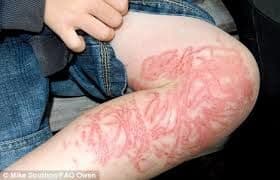
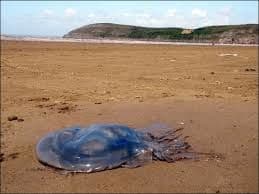



 Title: The Adventures of Max and the Magical Computer (Shortened Version) Once upon a time, in a small town called Techville, there lived a curious fourth-grader named Max. One day, while exploring his grandma’s attic, he found an old, dusty computer. As he cleaned it, the screen lit up, and a cheerful voice said, “Hello, Max! I’m Compy, your magical computer. Let’s learn about operating systems, files, and folders!” Max was thrilled. “A talking computer? Let’s go!” Chapter 1: The World of Windows Compy explained, “I run on Windows, the brain of the computer. It uses a Graphical User Interface (GUI), so you can interact with me using icons, menus, and buttons. Let’s start by changing my desktop background—the image on the screen.” Max chose a spaceship picture. “Cool! Can I add a screen saver too?” “Of course!” said Compy. “It’s an image that appears when I’m inactive. Try this swirling galaxy!” Max set the screen saver and giggled as it appeared. “This is fun!” Chapter 2: Organizing with Folders and Files Compy’s screen filled with random icons. “Oh no! My files are a mess. Can you help?” “Sure! What are files and folders?” asked Max. “A file is information, like a picture or document. Files have names, like ‘Homework.docx.’ The part after the dot, like .docx, is the file extension. It tells you the file type,” Compy explained. Max pointed to “Game.exe.” “So, this is a program file?” “Yes!” said Compy. “To organize, we use folders—like drawers for files. You can even put folders inside folders!” Max created a “School” folder, added his homework files, and made a “Projects” folder inside it. “Now everything’s neat!” Chapter 3: The File Explorer Adventure Compy’s screen flickered. “Some files are missing. Let’s use Windows Explorer to find them. It’s like a map for files and folders.” Max opened Windows Explorer and saw a tree-like list of folders. “This is like a tree with branches!” “Exactly!” said Compy. “Search for the missing files and move them to the right folders.” Max found the files in “Downloads” and moved them. “I feel like a computer detective!” Chapter 4: The Final Challenge Compy’s screen turned into a game board. “Time for a quiz! What’s the purpose of an operating system? How do you change the desktop background? What’s the difference between a file and a folder?” Max answered all the questions correctly, and fireworks lit up the screen. “Congratulations, Max! You’re a computer whiz!” The End Max smiled. “Thanks, Compy! I can’t wait to teach my friends!” Compy replied, “Remember, Max, learning is an adventure. Keep exploring!” As Max turned off the computer, he knew his journey into technology had just begun.To understand melody in music, think about some music you’re familiar with. If you were asked to hum it, what would that sound like? The part of the music that you’d hum is the melody. It’s the main thread of sound that your brain tracks and holds onto when you’re listening to music. In vocal music, the melody is sung by the lead singer. Other vocalists can provide harmony and instruments can add accompaniment, but the melody is the star of the show.What are the characteristics of melody in music? How do you describe a melody in music? A melody needs to have two things. The first is a sequence of notes, or pitches, which range from high to low. The second is rhythm, which is the timing and duration of each note. These two simple elements can create an incredible variety of combinations. Even though a melody only consists of one note at a time, it can convey so much energy and emotion. Melodies can be fast and sparkly, like “The Flight of the Bumblebee.” They can be slow and majestic, like “Finlandia.” They might be sweeping and graceful, like a Strauss waltz. Or they can be fun and exciting, like your favorite pop tunes that you love to sing along with. Melodies often tell you a lot about where a piece of music comes from. It’s easy to recognize and identify melodies from different folk traditions such as the Japanese folk song “Sakura” or the Irish tune “Star of the County Down.” Learn how to play your favorite melodies on piano, and more! Sign up now. What is melody in music? Here are some examples. Here is the famous melody for the song “Lean on Me” written out on a staff. Notice the way that the notes move up, down, and then repeat. What is melody in music? Example of Lean On Me notes on treble staff. A melody all by itself is great, but music can be even more fun when there’s an accompaniment. Here are a few bars of “Lean on Me” with the accompaniment written out. As you listen to this song, notice how the accompaniment has a very similar rhythm and movement to the melody. Then there’s that one note in the bass line that comes along every measure with its own rhythm, which adds some extra energy and movement to the song. What makes a good melody? When you create a melody, there are four types of movement you can use: Repeat (same note) Step (up or down) Skip (up or down) Leap (up or down) Stepping and repeating are the most common types of melodic motion, and this makes a melody easier to sing. Most “hummable” tunes use steps and repeats almost exclusively. This kind of melody is called conjunct. Beethoven’s “Ode to Joy,” one of the most famous melodies of all time.Skips and leaps are generally more sparing in melodies, but when thoughtfully placed they can have a powerful emotional impact. Tunes with a lot of leaps are called disjunct. Listen to Sarah Brightman sing All I Ask of You from The Phantom of the Opera starting at 0:39. This is a very disjunct melody, and challenging to sing. Great melodies also incorporate patterns that blend unity, repetition, and contrast. Our ears love patterns, but they also love novelty and growth. A good melody incorporates all of these elements. For example, listen to John William’s “Princess Leia Theme.” Can you hear the repeated pattern in the melody that gradually moves higher as the theme progresses? Now listen to the way it changes and develops into something that fits with what came before but sounds new at the same time. This is some great melodic writing! Can melody exist without rhythm? There is no way for a melody to exist without rhythm. Even if your melody only has one note, that note has a duration, and that’s the rhythm. If your melody has two notes, how long those notes last and how much time passes between hearing them is also a rhythm. A melody in music can often be recognized even when it’s performed with different rhythms. This frequently happens in live performances of pop, rock, and jazz, in which singers typically improvise slight rhythmic differences with each performance. No two renditions are exactly the same, and this constant reinterpretation keeps the music fresh. How to make a melody for a song on piano Creating your own melodies on the piano is easy and fun! There are so many ways you can discover a melody all your own. Here are a few ideas. Get some inspiration from the world around you. What can you hear right now? A clock ticking? A bird song? A car passing by your house? See if you can find some notes on the piano that imitate the sounds you hear. Think of a feeling you’d like to put into a melody. What are some ways you could make a string of notes sound happy, sad, angry, or maybe just thoughtful. Choose a line from a poem you like, or write your own. Read it out loud and put some feeling into it. Did your voice rise and fall in pitch as you were reading? Now go to the piano, start on any note you like, and try to imitate what happened when you read. Go up when your voice naturally went up, go down when your voice naturally went down. How did that sound? Now you have the perfect melody to go with those words. Too many keys on the piano? The truth is, most melodies use only a limited number of different notes. Try creating a melody using only the black keys. These form what’s called a pentatonic scale. It’s used in a lot of folk music traditions around the world and can be a great place to start if you want to create your own melodies. Remember, when you create your melody, keep it simple. Use repeated notes and steps, but add a few skips to keep things interesting. One tip about leaps: when you do put in a big leap, try doubling back and filling in the empty space you leaped over. This keeps the melody self-contained and easier to sing. Also, see if you can use the same patterns of notes and rhythms to give the melody unity, but also change those patterns to give it variety. There is no right or wrong way to create your own music. Keep trying combinations of notes and rhythms until you find something that you like. How many bars and notes are in a melody? Many types of music tend to have a prescribed number of bars, or measures. This will vary widely between different genres, and creates an overall sense of musical structure. If you’re writing a pop song, a verse will usually have between eight and sixteen bars. The prechorus that follows often has just four bars, and this “foreshortening” creates a sense of acceleration, driving the listener toward the chorus. The number of notes can also vary widely. A melody in music needs at least two notes, and a long and complex one can have hundreds or even thousands of notes. What is a countermelody in music? How many melodies should a song have? A counter melody is a melodic line that interacts with the primary melody as an independent but supportive voice. A great example of this is the song “We Don’t Talk about Bruno.” Each character sings their own melody during the piece, but these melodies all combine at the end as countermelodies. This produces a musical texture known as counterpoint. The same thing happens in “One Day More” from Les Miserables. The different melodies are first sung separately, but end up being combined in a splendid, complex texture that leads the music to its thrilling conclusion. The difference between a countermelody and regular harmony is that harmony usually supports the rhythms of the melody. A countermelody will move more independently, with different rhythms from those of the melody, and will often sound “melodic” when sung or played all by itself. A melodic song should have one main melody. This is the part that the lead voice sings. It’s usually in the spotlight, and will be the most memorable part of the music. Anything else is either harmony, countermelody, or accompaniment. Does all music have to have a melody? A piece of music doesn’t have to have a melody. There are many different kinds of music without melody. For example, a lot of music played on percussion instruments won’t have a melody. Listen to this example of Tahitian drumming. This is some great music, exciting and fun to listen to, but you’d have a hard time humming it. It’s music, but it doesn’t have a melody. Rap music is another style of music where there doesn’t have to be a melody. In rap, words are chanted rather than sung. The performer will raise and lower the pitch of their voice for emphasis, but it’s the rhythm of the words that creates most of the music. Music can even lack any melody, at least in some sections. Listen to the opening chords of “Duel of the Fates.” This choral passage is all about harmony, with little rhythmic variance or sense of melody. But it makes an effective contrast with the next section, which is bustling with rapid instrumental melodies. In some pieces, there are multiple melodic lines but there is no one main melody. When music is made up of equally important countermelodies, it creates a contrapuntal texture. Baroque composer J.S. Bach was one of the greatest masters of this style, such as in his Little Fugue in G minor. It starts with a single melodic line, the subject, but then a countermelody is added, and then more and more until several melodic lines are playing together. It’s fun to listen to, but once all the countermelodies are playing together it becomes hard to decide which part to hum along with! You’ll also hear a lot of counterpoint in jazz music, in which the different instruments are all playing together and improvising their own melodies that combine to create a rich, thick musical texture. Experience the wonder of melody in music! Whether you’re humming your favorite tune, or creating a new song all your own, melody is a memorable, shareable part of music. Enrich your music experience by being aware of, listening for, and enjoying the melodies all around you. “On this night, we share a roof protecting us from fleets of inequity. Our unification promises a better tomorrow. Those larger than myself, sitting on their marble thrones, sipping blood from cups composed of human skin and singing songs of so-called virtue, grow weaker each moment. Their caravans are revolting. There is hope yet. There is progress! Though tonight may mark a countdown, it is still a celebration. Look at all we have done, not just for Trials but for Palatium Infra as a whole. In four years, when I’m no longer Sovereignty, the Spoiled Purity and his people will continue to strive. So drink! Smoke! Crush up those exotic plants and snort them! We will not falter, weaken, or wane. Our influence is expanding, and somebody new opens their eyes every day. Even the Silbys of Aculeus have reached alarming potentials despite their embittered minds. So long as you relish in tonight, dance, and pray to your “dead” Gods, our revolution shall rise beyond the bounds of class, and when I’m only a commoner, we shall rise again beyond our brainwashed adversaries! Cheers, my people. Cheers!” Followers raised their cups. Some clinked theirs together. Others stood still and screamed breathlessly in agreement. I smiled with courtesy, then stepped off my platform. My voice still rang across the cellar. Speeches before were grander. Those displays were supposed to be emptying, and yet this one left me bloated, swollen tight. I watched as they popped the corks of their bottles and chanted in the name of Purity. Maybe the quality of my words wasn’t what mattered to them anyway, so long as I screamed loud enough. There’s no merit in attacking your people, a voice corrected me. “That’s right,” I said aloud. “Knox, my-my Sovereign!” squealed a nearby devotee, jittering as he stuffed his face with catered pastries. He was one I’d never seen before or had failed to remember. “Look what I’ve found! It’s wine, and not the shoddy Infran kind, either. Earth-made with good fruit! I don’t know how anyone managed to get their hands on this. Maybe some space travel mischief.” He giggled and held up a small glass bottle. “How neat.” “I want you to have it, Sir.” I nodded my head. “Yes, of course. Thank you.” Backing off into the midst of rowdy disciples, I clutched the bottle. What a waste of grapes. It could have been jam instead. Earthly food had a superior taste, ripe with delicate intricacies and nostalgia, but Palatium Infra had mastered the art of alcohol. Why waste your time with a drunkenness so sad and sickening? The booze of trash. Not many more followers approached me. The barren peroration must have upset them. My hands itched to submerge into my suit pockets, and my legs stood suddenly numb, wobbling. Four more years until I’m nothing. But tonight, you are nothing. “Shut up,” I told myself. Tightly packed together in the corner of the dwelling sat the Sibyls. A mound of writhing fabric and tones of skin made up their unified silhouette. I snapped the strap of the nearest gown, balancing on my hands and knees, waving the bottle before them. In their almost rodent nature, narrow noses prodded my way. Their dresses wrinkled and fell to their ankles. Knees dropped, and eyes widened. Many grumbled at me like hungry she-beasts. Those newer ones with faded curtains for hair, sunken eyes, and dirtied nails looked, hid their face, then sobbed. I imagined them in a pack together, fighting wildly against the Spoiled Purity in their rat decorum–biting down with square teeth laced with rabies. “I’ve got you all something,” I said. “Go back off to your pedestal and yap some more. We don’t want it.” A woman rose from the pile and spat. “You don’t even know what it is yet. It's Earth hooch, or more likely a near-flawless replica. I figured you girls would also like a chance to enjoy yourselves tonight.” “Your playmates have been harassing us since the moment you hung the banners and opened the cellar door.” The youngest, with a striking cyan mop upon her head, uncoiled from the mass. What was she now? 20, 21? We celebrated a birthday recently, I thought as she spun around me. “I remember something about a promise. Multiple promises, actually. Are you trying to bribe us into just shutting up and taking it? Because if another sticky, 40-year-old, Earth-born virgin gropes my shoulder, I’m going to have an aneurysm!” the girl continued. “Why not an Infran follower? Do you like it when they touch you?” I returned her accusing tone. “I’m sorry, sweet prophets, that you feel I’ve neglected my duties. I’ll keep a better eye out. Remember, you can always just holler if somebody is bothering you. And Anwen, friend, if I’ve ever tried to bribe you with anything, it was certainly the hair dye. I mean, look at you! Such handsomeness!” I exclaimed. The other Siblys began to encircle her, uttering compliments or even announcements of their envy. Anwen disappeared in a wink with flushed cheeks back into the mound. “I’ll just leave this here.” Smiling, I set down the bottle. ** “141, 143. . .” I counted each step as I trekked the staircase. There was no doubt I lost track somewhere. The ledges kept spawning under my feet, infinitely multiplying until I wasn’t moving at all–swallowing me up in a whirlpool of stone. My tie still hung around my neck, and my blazer remained tied around my hips as a skirt. Streaks of red dribbled off from the cavity in my chest. It was a gorgeous marking, sensual to my fingertips as I traced its edges. Purity, oh, Purity. Purity and his wings of burnt skin. Purity and his many faces. Purity the spoiled. Purity the mutilated. The Silbys did not bother waiting for me. On bare feet, they stormed up the stairs to their room. A trail of red, though in paint unlike mine, streamed after them. None looked remotely near me as they squeaked and gossiped intangibly. I saved them, those Infran broads, enlightened them. As much as they liked to deny it, spit at me, and bask in the thought of their victimhood, in this home, they stood empowered. You’ve done well, my thoughts affirmed, though in the manner of an insincere commentator rather than a hype man. Teeth grace in tile violin goes laundry paper when. It dissolved into an intruding drivel. I rubbed my head and sniveled. “Do you need help, Knox?” called a Silby. Fattened by my coddling, her shadow fell upon me from the doorway steps ahead. I attempted counting again. There must’ve been at least another hundred between me and her. “I’m hallucinating some,” I said, breathing deeply to suppress a burp as I struggled to recall her name. Two syllables. Typically Latin, though sometimes English. Drops of slobber leaked from my mouth. “I’m hallucinating some, Tybal. Do you like your name, Tybal? I would have named you something better. Ty-Tyballinia. No, we’d have to eliminate the ‘ball’ aspect. It sounds too crude.” “One foot in front of the other,” she said. So I walked. Mess greeted me at the doorway. Dirtied culinary obscured the dark wooden countertops, and the sink lay running. I approached the kitchen table, sat, and set my face down upon its cool wooden surface. Assaulting my nose was the smell of neglected flowers, like soil mixed with the kind of sweet cough medicine that would have left me gagging as a child. Open windows whispered songs of the twilight hour through the vessels of busy trolleys and shooting guns. My mouth strained to vomit, but there was nothing in my stomach to regurgitate except the petals of Stulto’s bloom, which came out effortlessly in little sputters. Teetering, I stood up and brushed disgorged plant parts off the tabletop. “Love,” I said as I slogged up yet another staircase. “Are you awake?” She said she’d wait. Somebody’s gotten her. No, she always misses movie night. That sleepyhead, I assured myself. There was a stirring amidst the manor’s cloak of dusk. Portraits of myself, my wife, and my daughter turned to face me as the hallway lights flickered, escaping their quartz frames to penetrate my ears with nonsense. The taxidermied heads of Infran creatures bared their teeth. I stopped to stare at my favorite, an adabactor with daunting spiked tusks poking out from its forehead. Its nose remained black and sharp, and its eyes wide with malice. “Where is my Spes, Adaba-boy? Is she sleepy?” There’s someone in the house. The sounds of the stirring rose along with my blood pressure. Footsteps orbited around me, drawing near and far and then near again, little dancers in the dark. The carpet immersed me in its mass of purples and blues, leaving my skin stained indigo and my vision abstracted. I toiled to reach the master bedroom across the aisle as it stretched out to me with bright lights and celestial howling, like a dove struggling in a pool of oil. Never again with Stulto’s bloom. Never again on what was already a bad night. My hand brushed the doorknob, and the high abruptly faded into only a persistent hum-buzz twirling around my brain. The portraits returned to their typical depression–Spes posing with her ax, Ari’s school photo, and myself in the cap I wore when addressing the military with the Verbis emblem embroidered in its center. All lifeless shots. Who were they for when they captured not the subject’s essence but only some fragment of their identity? They used to feel personal, not advertisements of some supposed characters. Servants, babysitters, and likewise civilian guests, I reminded myself, mustn’t forget whose home they’re in. Yet my body moved independently, taking Ari’s from its hook and laying it backward against the wall to hide her distant grin and tamed posture. It was time for new pictures. Sweet ones, real ones; time was ticking. I approached my own when the stirring began again. Groans and squeals erupted from the vents as if someone had set a pen of pigs loose in my crawlspace. No, not the crawlspace, my bedroom door. I turned the ruby knob. Underneath a blanket wrestled my two squealing piglets, their skins melting together beneath the layer of duvet. Fishnet leggings and manicured nails outstretched and scraped at the sheet beneath them. One raised its head, a salmon-colored man with sweat running down his forehead. Through the crack in the door, we met eyes, his Infran Dr. Sesuss nose flaring its narrow nostrils. No mark of the Spoiled Purity existed carved onto his naked body. My chest felt tight. I stepped back. I was suffocating. Spes emerged from the linens, her hair flowing down her back and her dark skin glistening in front of the bedroom window. She giggled and held the man, the blanket falling and revealing inches of her body I had not seen in months. “Darling,” whispered the rosy-faced man, “look.” He was unfathomably ugly and grotesquely young, with beady, lifeless pupils that dilated when he faced me. The excess flesh on his face sagged while he bit down on his thin lips. My wife faced me, gasped, and strained to cover herself. Suddenly, I was a stranger. A small child who had walked into his parents having sex. I unfurled the door completely. “Get out of my house,” I said. The man stayed in place. “Get out of my house,” I repeated. “Knox,” Spes began. Tears ran down her round cheeks. “Shut up!” I turned to the man, picking up a marble trophy from on top of my dresser. “Get out of my house! I’ll kill you!” “Knox!” Spes sobbed. “God damn it! I hate you! You barely look at me. Every day, there’s less passion. God, God, God, I don’t want to fuck a dead man!” she screamed, “You get out! Get! Get!” My hands wrapped tighter around the statue. That pig of a man was attached to her at the side, his face equipped with a scowl that challenged mine. He thought I was weak; frail like a decaying dementia-ridden senior. I imagined his skull bashed in, his scowl gone, and the feist and confidence in his face beaten into numbness. A new portrait was in order of such brutality, him as a splintered slab of wood, rashed and beaten, a carcass licking my boot. The churning in my brain had come back. Every wall shook. Clock faces came to life and rang in alarm. Indescribable noises caressed my eardrum before breaking into sorrowful weeps. Was it my own? I stared at Spes in motionless frenzy, clenched my teeth, and screamed like a siren. Passionless. What a lie! An excuse, more like. One that erased all my ventures, reducing me to a nobody. But I was not a nobody. I thought of my sect, my campaigns, my endurance through the political brutality of my empty hive-mind world–even my collection of literature, maps, and artifacts. I thought of daring nights alone with Spes when we were young, ravaging each other, two sardonic eggheads suddenly overcome with desire. The veins in my neck throbbed as I gasped for air. It was all I had. I threw the figurine at the man’s head. Eye shut, I heard the thud. A million singing voices of victory flooded out of the cracks in the floorboard. Proving myself a man to the woman I loved in a display of fervent violence was passion. I strained my ears for his cries, though I did not look yet. There had to be a pause, a moment of relief, where I stood tall as a skyscraper and seemingly fought to stay contained in front of my wife and her wounded, quivering paramour. Frantic footsteps rushed off the bed and past my side. I turned and grappled against myself to seize my wife’s shoulder. “Spes!” My eyelids lifted. Escaping was the man with that same numb expression in which I had imagined him. “You’re insane,” he said. I swiveled back towards the bed. With her curly locks flowing over her breasts and her limbs bent at her sides, Spes sat limp pressed against the headboard, her forehead bludgeoned and the statue resting on her stomach. Lips pursed and sweet, my Renaissance beauty reclined there in the guise of a squashed bug. But she was not dead. The desk ornament I flung was only the size of my shoe. Spes, that dramatist, may have been slightly hurt but was far from dead. She only wanted me to think she was to observe me at my most distraught, like a leech feeding on misery. “Get up.” Staggering toward the bed, I said. “You wanted passion? I showed you passion. ‘Shoved it right into your head. Of course, we both know who that gesture was meant for. . .” I fumbled to find my wit. Cold skin met my hands as I stroked her face, unable to resist checking her pulse, even though she was not dead. “I love you, Spes,” I said. Rain pelted against a nearby window. “Spes, please. Please.” No vibration answered my plea. I lifted my hand, sitting next to her now. Tears did not come. There was not any blood on the trophy, but when I picked it up, it felt to be now only a cruel instrument. It depicted a younger me in white marble, with my glasses and collared shirt being the only things painted. Both were in pink. It was a favorable color. I scrambled from the bed to vomit pure digestive bile on the rug. My stomach heaved. I ran my nails along every piece of myself I saw, a dog chasing my tail. As I slammed myself against walls and convulsed, my own heart grew ever louder in my chest. “Dad? I heard–” Ari’s slippered feet hammered across the floor. “Mom? Mom?” I kept my eyes on the storm. Silence fell. “She-She isn’t—your—.” Gasps interrupted every syllable she spoke. “You’re a murderer. Bad. Like they said,” she breathed, “ You beat her!” The words became mush, alphabet soup. Ari ran back down the hall. “My-My mom is dead. . . .Yes. . . Manor of the Trials Sovereignty. . .Ari Sorkin. . . I’m afraid he’s going to hurt me,” she said, presumably over the phone. It was all too fast. I crawled onto the windowsill, opened the glass, and let myself plummet into the alley below. Gusts of wind howled. The lack of motion or sensation informed me I had passed and again lived. Another Palatium Infra, another strange planet in which the celestial endowed rotting men with the opportunity to inhabit. Was this it? Was it all just an impossible limbo of galactic traveling? My surroundings were overwhelmingly gray, an abyss of clouds. Perhaps I had now met the real coming world, and my family and old friends lived here, ready to rush to my sides, lift me up, and jump for joy. Spes would be there. She would be enraged, but at least she’d be there. You are a bad man. You are a bad man. My eyelashes fluttered. There was a tugging sensation in my leg. The fog was wavering along with my ascendance. “No,” I yearned, trying to grip the clouds and stick them in place. “Stay with me.” But the peace was fleeting. I felt the cement under me and the moist garments clinging to my figure. My leg burned. Carefully, I craned my neck, only to observe the promenade as my surroundings. The most underwhelming of filth and danger, individually Infran. Forever my coming world. What a fool I was, having forgotten my blessing. Those idiot Gods could not tell the difference between assassination and self-infliction; a faulty insurance plan. The urge to cry at last set over me, and so I sat and wailed hot salvia into my palm, shielding my mouth to muffle the noise. Thunder echoed my hushed howling. Raindrops turned to pebbles. Under the ambiance of the stormy night, I could have sworn I heard troops stomping, guns cocking, and the chanting of my name. They had all been waiting for this. Billboards came to life, and I could only sit and spectate as the scenery flashed red. I inhaled fear and sobriety through runny nostrils. “Trials Sovereign Vsevolod “Knox” Sorkin is currently at large for the suspected homicide of Spes Sorkin, breaking the first term of the Sovereignty Charter. We now instruct you to report any sightings of the Earth-born, caucasian, roughly 195 centimeters tall, brown-haired, and brown-eyed man to your local Guard post. One can identify the suspected convict specifically by an occult tattoo of Purity’s Coronet on his lower back. No attempted execution or elongated punishment will take place until our Guards conduct an autopsy proving his guilt, per Life’s 1238 commandment. We cannot be sure when or if the Gods will revoke his blessing. Remember, when Gods frown upon strife, opt for a peaceful life. We permit all grieving festivities until Cagidus 4th. Good year!” towering buildings sang out in broadcast, repeating that same convoluted message quicker the instant it ended. Sometimes, the announcer spoke in Latin for the Infran children, other times in Chinese, Hindi, or Spanish to cater to those of irrelevant tongues. You aren’t a bad man. You are a stupid boy. Puddles sloshed. Somebody was approaching. I didn’t dare waste any remaining energy avoiding the Guards and their prodding blades. How did that phrase go? You dug your grave. Now lie in it. And so I embraced the cement. “Knox?” said the Guard. No, her tone was too sincere, and no authority would proceed in such a manner. There wasn’t confirmation on whether or not I was armed, and it wasn’t as if she could shoot me first. She was a partygoer, having just left from the cellar’s backdoor. I shooed her away with my hand. She hovered, and I discerned her shadow hesitating over my body. A man could not rot in peace. “Come on, get up! They’re after you!” Hands reached around my torso, struggling to handle my weight as they urged me onto my feet. That leg, the burning one, my right, trembled and bent unnaturally upon impact with the ground. The partygoer slung my arm over her shoulder, balancing me. My eyes caught a glimpse of a cyan mop. “Anwen?” I rasped, “hu-who let you out?” Keys jangled in her hands–my keys. “I escaped,” she said casually, coercing me to walk beside her. “Quicken your pace. I just heard somebody on your front porch. ‘You see that compost bin down the alley? We’re gonna burrow right down into the depth of that. If they open it and uncover us, I’ll be on top, and I can hide you and act like I’m just a homeless amica trying to take a nap.” With a tightening grip, she led me like livestock to the stinking crate. “I don’t understand, Anwen,” I said. “They’re going to torture and kill you, stupid. You know they’ve been wanting to, and you just handed the opportunity to them!” “I understand that.” It was becoming increasingly challenging to hide the fragility emerging in my voice. “You said you were escaping. Why stop and help your captor?” “What else could I do? Leave you there?” Attempts to shove my wounded body inside its mass of discarded fruits and vegetables began. She yanked down upon my head and submerged me in the fertilizer sea. The evidence grows indisputable, I thought as I stared at the abruptly humane Infran girl, diving in after me, that I belong here. “Damn me to hell! I’ve killed her! My love is dead!” an uncontrollable cry leaped from my mouth. “Shut up! Soon you’ll be, too, if you don’t quiet down.” The actual noise of the Guards darted past us: disorientated marching, guns clanking against each other, cluttered belts rattling, the Latin squawking. One paused to open the bin’s lid, though only rummaged through the surface layer of peat before carrying on. “What are they talking about? I struggle with my Latin,” I whispered. “The search, mainly.” Aggression remained firey in Anwen’s clenched jaw. Though she sat on top of me, there was a monumental distance between our rain-soaked forms. I curled up into a ball, ducked my head between my knees, and dreamt of Spes, ignoring the stench of spoiled food rising from every crevice of my dwelling. The next coming world was due to adopt me again as I forced sleep. I prayed for a canyon of fluffy haze, where I waltzed with pale memories but found nothing but the petrifying stillness of my mind. Killed and ran. Violent as a Guard just to prove a point and watch it backfire. Why would any heaven want to welcome me? I clung to the picture of Spes in my head like it was the last ember of an extinguished flame. “Did you mean to kill her?” Anwen interrogated. “Someone like you would immutably believe yes.” “And who is someone like me? You can’t even treat me like a person for a moment, can you?” grating drama decorated her words. “You know my opinions. I have not seen much of your or your breed’s faces besides that of cruelty and ignorance.” I retorted. “I just saved you! Does that make me cruel and ignorant?” “It makes you an idiot, which is another word for somebody ignorant.” “And why am I an idiot?” She asked. “Because you helping me does no good. Thank you anyhow. Now, do yourself a favor and scram.” As she bent her leg in anticipation, preparing to strike me on the forehead, I sensed an invisible withdrawal widening the gap between us. “You never answered my question,” Anwen took me by the end of my tattered tie suddenly and started her game of shepherd and sheep over again, pulling me back up to the crate’s exit. It appeared as a shining light at the end of a maze of rubbish and mold. “No. Of course not. Spes was my everything,” I sniffled. “I knew it. You couldn’t even bring yourself to hit us, let alone murder your wife. The girls and I always figured you were sensitive.” My heart rate quickened. Today was one of humbling and misery–one to pray a hail spike would fall from the sky as sharp as a needle, pierce into my eyelid, and lobotomize me. I wished I could have merely died or hit my head hard enough not to have to deal with it all. No, I wished I was Anwen with her snarky, careless glow and lack of depth in her eyes. As we emerged from the compost bin together, I fantasized about strangling her until her face turned purple, her weakening spirit no longer categorizing me as “sensitive”, but the thought could only remind me of wielding that trophy and the microscopic traces of my wife’s tender skin tainting it, which turned my guts inside out. “That’s why I think you could use a little help,” Anwen said, “It seems like you can’t walk, either. Your leg is all twisted up.” She undid one of her trim pigtails and handed me the band. “Take off your tie and put up your hair. ‘Will make you less recognizable. Then swallow your pride and stick with me.”### Quizalize Script: **"Millennial TV & Celeb Quiz Challenge"** #### Quiz Introduction: - **Title**: "Millennial TV & Celebrity Quiz Challenge 📺✨" - **Description**: "Are you ready to prove your 2000s pop culture expertise? Answer these fun questions to show off your TV and celebrity knowledge! Invite your friends and see who comes out on top!" - **Gamified Element**: - Enable Quizalize’s leaderboard feature to track scores as users compete in real-time. #### Question 1: - **Prompt**: "Who said this iconic line? *‘How YOU doin’?’* 👀" - **Answer Options**: 1. Ross (Friends) 2. Joey (Friends) 3. Chandler (Friends) - **Correct Answer**: Joey (Friends) - **Feedback**: - **Correct**: "🎉 You got it! Joey Tribbiani’s catchphrase is unforgettable. 👏🍕" - **Incorrect**: "❌ Oops! It’s Joey from *Friends*! Now we need to binge-watch, don’t we?" - **Gamified Feature**: Award bonus points for quick answers, encouraging fast responses. #### Question 2: - **Prompt**: "Which show features these 4 iconic New Yorkers? 👠✨" - **Answer Options**: 1. Gossip Girl 2. The OC 3. Sex and the City - **Correct Answer**: Sex and the City - **Feedback**: - **Correct**: "👏 Yesss! It’s *Sex and the City*! Samantha, Carrie, Miranda, and Charlotte are forever icons. 💅" - **Incorrect**: "Oh no! It’s *Sex and the City*. Make some time for a glam-filled NYC binge session!" - **Visual Add-on**: Include an animated NYC skyline background or glittery graphics for correct answers. #### Question 3: - **Prompt**: "Which celeb famously shaved her head in the 2000s? 👩🎤" - **Answer Options**: 1. Britney Spears 2. Christina Aguilera 3. Lindsay Lohan - **Correct Answer**: Britney Spears - **Feedback**: - **Correct**: "👏 Yep, it’s Britney! A legendary moment in pop culture history. 👸🎤" - **Incorrect**: "Not quite! The answer is Britney Spears. That iconic moment is unforgettable!" - **Audio Elements**: Add a drumroll sound for suspense before revealing the answer. #### Final Score Screen: - **Score Tiers**: - **High Score (100%)**: "🎉 You’re a 2000s pop culture master! Share your score and challenge your friends to top it!" - **Medium Score (50-99%)**: "👏 Not bad! You’re almost an expert. Share your score and invite others to play!" - **Low Score (Below 50%)**: "😅 Looks like you need a refresh on 2000s pop culture. Share your score and dare your friends to do better!" - **Gamified Feature**: - Enable the "Challenge a Friend" option in Quizalize to spark competition. - Include a timer extension for players to decrease stress during tricky questions. #### Call-to-Action: - **Prompt**: "How well did you do? Share your results and invite your friends to join the fun! 👇" - **End Message**: "✨ Follow us for more fun quizzes! Who’s ready for the next challenge?" #### Design & Interactive Elements: - **Visual Enhancements**: Use animated GIFs or static pop culture images (e.g., retro TV screenshots, Britney Spears visuals) to visually set the tone for the quiz. - **Audio Elements**: Add celebratory sound effects when revealing correct answers or upon quiz completion. - **Gamified Elements**: Reward streak bonuses for consecutive correct answers to keep players engaged and competitive. This script is tailored for Quizalize, leveraging its gamification features and interactive design options to create a fun and engaging quiz that users will enjoy while fostering friendly competition! The advantage of direct method is that the teacher can control the class and fit in a lot of activity into a short class period. This leaves plenty of opportunities for the students to hone their skills, especially new ones. On the other hand, because the class is centered around the teacher, some students may not receive proper feedback, and creativity is limited. Also, the lesser talented athletes often tend to get lost in the shuffle while the great athletes shine. However, there are now a multitude of various teaching strategies that can be employed in addition to that method. Ex: Announcements, Module/Unit introductions, Descriptions/modeling of assignments and learning activities, Written or video lectures, Demonstration videos, Presentations, Discussions moderated by instructors, Interactive tutorials. Indirect Method The Indirect Teaching Style allows students to be involved in their own learning through experience and other peer’s knowledge. Students can use critical thinking to expand their learning capabilities by seeing what others may be doing correct and adjusting this to their own knowledge. The Indirect approach is the opposite of what the direct style suggests, but they are both strictly related, meaning you can’t have one without the other. Direct teaching: The instructor stands in front of the class or group and lectures or advises. Indirect teaching: The instructor assumes a more passive role and guides the student interactions. Movement exploration: Incorporates the use of equipment that involves movement. Movement Exploration The movement exploration class is founded on developing a strong, positive association to physical activity. Classes are aimed at developing movement skills and foundational strength through fun and engaging activities. The activities are age appropriate and include games, challenges, and exploration that positively challenge children’s competency while improving their physical capabilities. Skills such as the ability to climb, hold animal shapes, gymnastic style activities, and the introduction to athletic motor skill competencies are the foundations to youth training. This class provides the introduction to strength training to give children the opportunity to learn the skills required to safely and confidently engage in resistance training. Cooperative Skills Cooperative activities teach students to work together for their group's common good. By participating in these activities, students can learn the skills of listening, discussing, thinking as a group, group decision making, and sacrificing individual wants for the common good. There are two primary objectives guiding the teaching of cooperative activities. First, cooperative activities allow students to apply a variety of fundamental motor skills in a unique setting. Students are typically asked to perform motor skills in a specific way, such as “skip in general space” or “balance on one foot and one elbow.” Cooperative activities ask students to perform different activities such as skip with their hands on the shoulders of someone in front of them, walk with big steps while placing their feet on small spots, or walk across an area blindfolded while someone directs their moves. Due to the uniqueness of such experiences, students often find cooperative activities exciting and motivating. Second, cooperative activities are a wonderful medium for teaching social and emotional learning (SEL). SEL offers students an opportunity to understand and manage their emotions. In addition, such activities offer an opportunity to show empathy for others and develop positive relationships. Cooperative activities demand that all students play a role in completing the task or solving the movement problem. Every student, regardless of ability level, is important and contributes to group goals. 9 traits a PE teacher often needs Here are nine essential traits of an effective PE teacher: 1. Athletic ability Athletic ability is an essential trait for a PE teacher because they're often showing kids how to perform exercises. To demonstrate proper form and encourage the kids to continue their fitness education, it's important they can perform the exercises themselves. Having experience with fitness training can enhance a PE teacher's lesson planning because they're familiar with how each exercise affects a person's body. Athletic ability can also refer to an aptitude for sports and games. PE teachers can instruct students on how to play these games or lead after-school activities involving them, like soccer or basketball. An aptitude for sports and games can help a PE teacher encourage students to participate in the activities during class. If the PE teacher enjoys physical activity, they may make the lessons more enjoyable for the student. 2. Teaching ability A PE teacher is a member of a school faculty, so it's essential they have the teaching ability that allows them to communicate lessons to students. There are various skills involved in teaching, including the technical capabilities associated with each professional's particular field. Learning these skills can help PE teacher plan their lessons effectively and connect with their students, meaning they can encourage students to practice fitness skills in optimal ways for their health. Here are some important teaching skills for PE teachers: Having an engaging classroom presence Real-world learning Project building Lesson planning Technology 3. Interpersonal skills PE coaches are part of faculty teams, so working alongside other teachers is an essential part of their job. They often collaborate with a student's general education teacher to address any behavioral issues that arise. They can also team up with other classes to plan activities for students, like field days and special field trips. Communicating with peers can ensure these interactions remain productive and create opportunities for more fulfilling lessons. Teachers can also model emotional skills for their students by displaying positive social interactions. Interpersonal skills can also help PE teachers interact with students and their families. If a student can make a student feel comfortable expressing their needs and preferences, they can often perform physical exercises or play games to the best of their individual capacities. Understanding how to soothe nerves and support students' emotional needs are important examples of interpersonal skills. When interacting with family members, you may use some of these same techniques to communicate effectively and best uplift students. 4. Written and verbal communication Both verbal and written communication is important for PE teachers because they often communicate with students, families and various personnel on a day-to-day basis. For example, a PE teacher uses their communication skills in a lesson plan to describe any student assignments or expectations accurately. They may also write instructions in a document, then explain them in a classroom lecture. They also use communication skills to share their lesson plans with other PE teachers during conferences or classroom development exercises. Many teachers continue to learn their trade even after working as a teacher for many years. They may share tips with each other or special lessons they've developed if they feel another teacher may benefit from it. Creating a community can help PE teachers continue to expand their teaching methodology and receive feedback on their lessons. 5. Patience and adaptability Working with children can require patience and adaptability because they're encountering many new concepts at the same time and learning how to regulate their emotions. As a result, it's important to treat them with patience and care while they're in your class so they can feel comfortable and feel motivated to complete assignments. As children become teenagers, they may require patience and adaptability to account for their changing bodies and attention spans. Like any job where you perform tasks in real-time, certain circumstances may occur that require you to adapt lesson plans. For example, if the weather turns from sunshine to rain on a day you planned for students to run a mile outside, you may need to adapt the lesson plan so they can practice endurance sports inside a gymnasium instead. 6. Organization PE teachers can use organization skills to improve their lesson planning sessions. For example, they can keep their plans in one place, and determine which parts of a semester or quarter to introduce new concepts. Throughout the year, these objectives may change because of unforeseen setbacks, but organizational skills can help PE teachers control the trajectory of their class curriculum. PE teachers can also use organizational skills to maintain their classroom space. Physical education frequently requires balls, equipment and tools to play games that may be on a lesson plan. They also organize equipment and decide where to store it within their classroom or storage space. 7. Creativity Creativity can help a PE teacher develop fun ways to introduce new material to their students or reinforce previous lessons. They can teach new games or devise interesting ideas to change the rules of a game to help keep students engaged. To find inspiration for their lesson plans, they can turn to personal hobbies or media aspects they enjoy, like movie scenes, songs or dances. A varied lesson plan can foster more engagement among students who prefer action- based learning activities, rather than lectures. 8. Focus Focus is an essential trait of a PE teacher because students often require their full attention during class, especially if they're learning a complicated physical task. You can focus your lesson plans around specific elements of physical education you believe are essential for students of a certain age group or skill level. If students require mentorship, you can also focus on each student's needs to supply them with a steady support system. Focusing on your students can help guide your career purpose. It can give you a core value system that informs your lesson plans and mentorship activities. This passion for your student's well-being can also help you become an advocate for each student in your class. You can also help organize funding for different field trips or establish after-school activities to support their interests. 9. Enthusiasm for teaching sports and fitness Enthusiasm is essential for a PE teacher. Many physical education activities require high energy and may suit someone who enjoys teaching them to others. Being an effective PE teacher also requires an enthusiasm for working with kids and making a positive impact on their lives.Broken windows are covered. Floorboards are patched and doors screwed back on. The road that was ruined by German tanks is shovelled and raked smooth. Boot-shaped bruises turn yellow then fade and disappear. Flowers grow and spread across the ugly German footprints stomped into garden beds. The village looks pretty once more. School stops for the summer and everyone is put to work on the kolkhoz, the village farm. Women and big boys begin harvesting the barley crops in the outer fields. The biggest girls milk the cows, morning and night, and keep the barns clean. Old Nikolay mends ploughs, horse harnesses, pitchforks and scythes in his workshop. Anna Pushinka teaches Yelena and her friends how to get the honey from the beehives that are scattered through the orchards. I am in charge of collecting eggs. My friends Olga and Nina help. Olga and Nina are five, a year younger than me. They are twins and look exactly alike, except Nina’s nose is a little bit crooked from when she fell out of bed and squashed it sideways on the floor. The hens, ducks and geese wander free in the summer, so collecting eggs is like a treasure hunt and takes hours. Catching the hens for their daily hugs takes even longer, but I think it’s important because hugs make everyone happy and happy hens lay bigger eggs. Olga says I’m the best hen-hugger in all of Russia. Nina says I’ll be the best cow-hugger, too, when my arms grow longer. But good hugs have nothing to do with the size of your arms. It’s all to do with the size of your heart. When we are done with the hens, Olga, Nina and I can spend the rest of the day doing whatever we like. We climb the apricot trees, chase squirrels, lie in the meadow marvelling at how hot Ushanka’s black fur becomes in the sunshine, make daisy chains and race little boats of bark in the stream. I teach Olga and Nina the alphabet and we use charcoal to write our letters and our names all over the village – on doors and walls and the freshly cut ends of firewood. In between, I practise my knots. In case the German princemonsters return. I slip into Old Nikolay’s workshop and tie knots in the harnesses hanging on the walls. I wander into gardens where the washing is hung out to dry and tie knots in the laces on pants and smocks. I creep up behind Anna Pushinka and tie knots in her apron strings. I find baling twine in the hay shed and tie my own ankles together. I do such a good job of these last knots that I can’t get them undone. I have to jump all the way to Olga and Nina’s house and ask them to cut me free with their mama’s knife. At the end of each day, Ushanka and I run out into the distant barley fields to meet Mama. This is my favourite part of the day, because Mama always shouts, ‘Little Rabbit!’ and smothers my head with kisses. And as we walk home, we sing. Everyone – women, big boys and me. I love to sing. Almost as much as I love to be kissed by Mama. Sometimes one of the boys, Mikhail, has his balalaika with him. He takes the instrument out from beneath the sheaves of barley piled high on the wagon and plays music. We sing about forests and orchards and people who find their true love. As we walk home, arm in arm, my heart fills with happiness and my belly swells with pride that I am allowed to sing along with the big boys. And I can almost forget about the German prince-monsters and their lies about Russia and their big ugly boots. Almost. But today, when Mikhail reaches for his balalaika, I see other things hiding beneath the barley sheaves. Three of the mamas rush forward and cover them up, but it’s too late. I know they are there. I’ve already seen them. Rifles. Lots of rifles. Mikhail hugs his balalaika to his chest and blushes. ‘So play!’ cries Mama, her voice oddly loud and high. ‘Let’s play Sasha’s favourite song, “The Little Birch Tree”.’ So Mikhail plays and everyone sings about the lovely birch tree with its curly leaves and the branches that will be turned into silver flutes. They sing too quickly, too loudly, and as they sing and walk, they cast nervous sideways glances at me. ‘It’s alright,’ I say, when the song comes to an end. ‘I didn’t see the rifles.’ Mama nods and smiles, and I know it was the right thing to say. But I did see the rifles. And I think about Yelena wanting to get lots of guns and dynamite for the Partisans so they can shoot the Germans and blow them into thousands of tiny pieces, and Mama looking as though she agreed, and I know this is what the mamas and the big boys are doing. As well as harvesting, they are helping the Partisans. Three days later, I wake before dawn and I am all alone. Yelena is always here beside me when I wake. But not this morning. I climb down from our bed above the stove. Mama is filling a cloth sack with bread. She ties it closed with a piece of string and hands it to Yelena. ‘Stay out of sight,’ says Mama. ‘And don’t return until after dark.’ ‘Where’s she going?’ I ask. ‘Nowhere,’ snaps Mama. ‘Then why does she need all that bread?’ I ask. ‘There’s nothing left for us.’ Mama baked four loaves last night and she has stuffed them all into the sack. Yelena opens her mouth, but before she can speak, Mama shoves her out the door and sends her on the way to nowhere. Mama turns and stares at me, her blue, blue cornflower eyes wide with worry. ‘I know,’ I say, flopping down on the bench. ‘I didn’t see any bread.’ Mama sits beside me and takes my hand. ‘And . . .?’ she prods, obviously waiting for more. I puzzle for a while, then say, ‘And I don’t have a sister called Yelena.’ Mama laughs, softly and with a little bit of sadness around the edges. ‘Sweet Little Rabbit! You do have a sister called Yelena.’ ‘I do?’ I ask, now confused. ‘I haven’t seen the rifles or the bread, but I have seen Yelena?’ ‘Yes.’ Mama smiles and the magic makes me smile, too. And I am glad that Yelena is real because I love her very much. ‘Yelena is real,’ Mama explains, ‘but she does not carry sacks of bread into the forest for the Partisans.’ ‘Of course not!’ I shout, slapping my forehead. ‘Because there is no bread!’ Mama laughs loudly now, with not a hint of sadness. She hugs me, pressing me against her warm, loving heart, covering my head with kisses. ‘Clever Little Rabbit,’ she murmurs, and then, in barely a whisper, ‘Your papa would be so proud.’ When I wake the next morning, Yelena is sleeping beside me, her mouth open, her braided hair unravelling. Mama is serving kasha to a strange woman seated at our table. I crawl down from above the stove and slide along the bench beside her. I stare at her pants, her tunic, the rope she is using as a belt and her big boots. She’s dressed like a man! And there’s a rifle leaning against the wall near the door. ‘Hello,’ I say. ‘I’m Sasha.’ The woman doesn’t reply. She just shovels down her kasha. I line my four wooden bears along the table in front of her bowl and say, ‘These are my bears: Big Bear, Medium Bear, Little Bear and Even Littler Bear.’ ‘Hello, Sasha. Hello, bears.’ She smiles but she doesn’t tell me her name. ‘Why are you dressed like a man?’ I ask, tugging at the sleeve of her tunic. ‘Because men’s clothes make it easier to run and climb and crawl and shoot,’ she says. ‘You’re a Partisan!’ I gasp. ‘But she’s not real,’ says Mama, placing a bowl of kasha before me. ‘Is the kasha real?’ I ask. Mama laughs. ‘Yes, Little Rabbit.’ I’m glad the food is real, because I’m hungry. But I’m disappointed that the woman is not real. I was going to ask if I could use her rope-belt to tie her ankles together. For practice. But if she’s not real, then the rope and her ankles aren’t either. The woman finishes her kasha, hangs her rifle over her shoulder, kisses Mama on the cheek then slips out the door. I run to the window to watch her leave, but by the time I get there, she’s gone. Vanished. ‘Because she’s not real,’ I whisper. A week later, Mama and I are working in the garden. We sing as we weed between the flowers and pluck caterpillars from the vegetables. Anna Pushinka is picking strawberries in her garden and wanders over. ‘Taste these,’ she says, holding out the basket. Mama reaches in and takes out a fat strawberry and a tiny piece of folded paper. The strawberry goes into her mouth, the paper into her pocket. ‘What’s on the paper?’ I ask. ‘Paper?’ Anna Pushinka replies with a wave of her hand. ‘Goodness, Sasha! Who has money for paper? These are lean times. We must choose between paper for writing and noodles for our soup. And I always choose noodles.’ She chuckles and I know the paper is yet another thing that is not real. That night, Mama slips the paper to Yelena, but she drops it on the floor. I pick it up for her, and I see that there are tiny words and numbers written all over it. I wish I could read better. I’m desperate to know what it says. Or rather, what it doesn’t say, because it’s not real. Later, when Mama has tucked us into our bed above the stove and Ushanka has wrapped herself around the top of my head, I ask Yelena, ‘What’s on the paper?’ ‘What paper?’ says Yelena. ‘The paper that isn’t real,’ I reply. Yelena stares at me, nibbling her lip, then whispers, ‘A message for the Partisans. Stuff about where the Germans have their headquarters and when their trains are travelling and where they store their ammunition.’ ‘Why?’ ‘So the Partisans can blow them up.’ Yelena grabs my arm. ‘But don’t tell anyone. It’s a secret.’ ‘What’s a secret?’ I ask. ‘The message.’ ‘What message?’ I say, my eyes wide. Yelena laughs. ‘Good boy, Sasha.’ My belly swells with pride. I know how to play this game. ‘How are your knots coming along?’ asks Yelena. ‘Good! Yesterday, I crept into the dairy and tied knots in the apron strings of all the girls who were milking and only one of them noticed. Today, I tied Olga’s ankles together with Mama’s embroidery thread and just now, while you were taking a bath, I tied the sleeves of your blouse together in an enormous knot.’ Yelena rolls her eyes, then says, ‘I’ll see if I can find you some rope for practising.’ ‘Practising what?’ I ask. ‘Your knots,’ she says. ‘What knots?’ Yelena, my big sister who is twelve and always serious tYaama I'm Jack Evans and you're watching BTN. Here's what's coming up. We uncover the story behind this famous photo, learn about First Nations seasons and find out the history of Book Week. What is Statehood? Reporter: Tatenda Chibika INTRO: But first, the Prime Minister Anthony Albanese has announced that Australia will join other countries in recognising Palestine as an independent state. So, what does that mean? Tatenda found out. Anthony Albanese, Prime Minister: Australia will recognise the state of Palestine. Australia will recognise the right of the Palestinian people to a state of their own. We will work with the international community to make this right a reality. Tatenda Chibika, Reporter: That's the moment our Prime Minister said Australia would recognise Palestine as an independent state at the upcoming United Nations General assembly next month. It's something other countries, including France and Canada, have said they'll be doing too. So, what does that mean exactly? To be considered an independent state under international law a place needs to have its own land or territories with defined borders, it needs to have people who permanently live there, have a working government and it has to be able to talk and make deals with other countries. Once a place meets all those rules, it can ask to be recognised by other independent states and countries. But a big step in becoming an independent state is being fully recognised by the United Nations. To do that you first need to get approval from at least nine members of the UN's Security Council. That's a group of countries responsible for maintaining international peace and security. But even then, that tick of approval can still be blocked by one of the Security Council's five permanent members Russia, China, the UK, the US and France. If the Security Council approves, the decision then goes to the UN's General Assembly where at least two thirds of the UN's 193 members have to agree to make it official. Yeah, it's a pretty complex process which is why we've only seen a handful of countries recognised by the UN in recent years like South Sudan and Montenegro. Others like Kosovo are only 'partially' recognised which means they have some recognition but not enough to become a full member state at the UN. Right now, Palestine is recognised by more than 140 countries — that's more than two thirds of the UN General Assembly. So, why hasn't it become a UN member state yet? Well, it came pretty close last year when 12 members of the Security Council voted in favour of it. VANESSA FRAZIER, AMBASSADOR OF MALTA, APRIL 2024 UNSC PRESIDENT: I shall now put the draft resolution to the vote. But the US, a close ally to Israel, used its special powers to block Palestine from becoming a member state. VANESSA FRAZIER: Those against? At the time, the U.S said Palestine and Israel needed to come to an agreement on their own first. Throughout the years, there have been attempts to figure out a way for both Palestine and Israel to exist peacefully alongside each other but that hasn't happened yet. And now Israel has said that recognising Palestine as an independent state would be rewarding Hamas the group in charge of Gaza which was responsible for the terror attacks on October 7th, 2023. But the Palestinian Authority which governs parts of the West Bank says Hamas won't have a role in any future state of Palestine which will exist peacefully alongside Israel. Australia, like the US, had previously said that it wanted Israel and Palestine to figure out things by themselves first but because of how the war has been going the Australian government is worried that if it continues to wait, there might not be a Palestinian state to recognise. ANTHONY ALBANESE, PRIME MINISTER: There has been too many lives lost, both Israeli's and Palestinians and the world is saying we need a solution to this conflict, we need to end the cycle of violence and the way to do that is to have a two-state solution. News Quiz Russia's President Vladimir Putin stepped foot on American Soil for the first time in a decade to meet with US President Donald Trump. What state did they meet in? Alabama, Alaska or Arizona?It's Alaska. The two leaders met to discuss a way to end the war in Ukraine but weren't able to make any final agreements. DONALD TRUMP, US PRESIDENT: There were many, many points that we agreed on. Most of them, I would say, a couple of big ones, that we haven't quite got there, but we've made some headway. There's no deal until there's a deal. A lot of people criticised the two world leaders for not including Ukraine's president Volodymyr Zelenskyy in the meeting. But that didn't seem to worry Mr Trump who said the meeting was a success and Mr Putin even invited the US President to meet up again in Russia. DONALD TRUMP: We'll see you again very soon. Thank you very much, Vladimir. VLADIMIR PUTIN, RUSSIAN PRESIDENT: Next time in Moscow. DONALD TRUMP: Oh, that's an interesting one. No, no, no. I'll get a little heat on that one. Last week thousands of people marked the 80th anniversary of VJ Day. What does VJ Day commemorate? The victory of Allied forces in Europe, the surrender of Japan and the end of World War II or the dropping of the first atomic bomb? VJ Day or Victory over Japan day commemorates the surrender of Japan and the end of World War II on the 15th of August 1945. Around the world, and here in Australia, people marked the anniversary with ceremonies remembering those who fought in the war. REPORTER: Who will you be remembering today? VETERAN: Oh, a lot of fellows that I knew that never made it home. Scientists in the UK have created toothpaste that includes which of these ingredients? Hair, eye lashes or fingernails? Yeah, they're all a bit random and gross but the answer is hair. According to scientists from King's College in London, hair could be the key to good oral health because it contains a protein called Keratin which they say when mixed with saliva forms a crystal-like protective coating similar to enamel. And Swifties rejoice because Taylor Swift has announced her 12th Studio album. It's called life of a show what? Is it show pony, show girl or show bag? It's Life of a Showgirl and it'll be released October 3rd. Vincent Lingiari Reporter: Joseph Baronio INTRO: Now to this very famous photograph. It was taken 50 years ago and depicts a really significant moment in Australian history. Joe found out about the story behind it. On the 16th of August 1975, this famous photo was taken. It shows the former Prime Minister Gough Whitlam pouring sand into the hand of Aboriginal leader Vincent Lingiari. A simple gesture that symbolised handing the land at Wave Hill in the Northern Territory back to the Gurindji people. But the journey to get there was far from simple. It started back in the 1960s. At the time, Wave Hill was the biggest cattle station in the world, controlled by British landowner Lord Vestey. The Gurindji people, who had lived on the land for generations, worked for Vestey, but they weren't paid fairly, and conditions were tough. NEWS REPORTER: The station's 100 aboriginal stockmen, with their 100 dependents, are camped in the dry bed of the Victoria River with little shade from 90-degree heat, dust and flies. Eventually, Gurindji leader Vincent Lingiari said it was time to act. VINCENT LINGIARI: I said, "What was it before Lord Vestey born and I was born?" It was blackfella country. So, on August 23rd, 1966, Mr Lingiari and his fellow Aboriginal workers went on strike. It became known as the Wave Hill Walk Off. They moved their camp away from the Wave Hill station to a sacred site called Daguragu on Wattie Creek. They wanted to set up their own cattle station, and said they wouldn't move until their land was returned to them. For years, petitions and negotiations went on between the Gurindji people, the NT Administration, and the Australian Government in Canberra. CLAPPERS: 31. 32. 33. DAVID QUINN, ABSCOL: Well, it's basic justice that their land is recognised. PROTESTORS: Equal rights! As the news spread across the country, thousands of Aussies joined the campaign, including the leader of the Labor Party, Gough Whitlam, who made this promise during his 1972 election campaign. GOUGH WHITLAM: We will legislate to give Aborigines land rights. Not just because their case is beyond argument, but because all of us as Australians are diminished, while the Aborigines are denied their rightful place in this nation. Later that year, Gough Whitlam became Prime Minister. (Song From Little Things Big Things Grow, Song by Kev Carmody and Paul Kelly, 1993) From little things big things grow,from little things big things grow… But it wasn't until 1975, 9 years after the Wave Hill Walk Off started, that he followed through with his promise. Eight years went by, eight long years of waiting'Til one day a tall stranger appeared in the landAnd he came with lawyers and he came with great ceremony GOUGH WHITLAM: I solemnly hand to you these deeds as proof in Australian law that these lands belong to the Gurindji people. And through Vincent's fingers poured a handful of sandFrom little things big things grow 50 years on, and The Wave Hill Walk Off is seen as a pivotal moment in Australia's history. It led to significant legal and social changes for First Nations people, which is something many agree is worth celebrating. First Nations Seasons Reporter: Saskia Mortarotti INTRO: Recently, Melbourne's Lord Mayor suggested ditching the four-season calendar that most of us are familiar with and adopting a six-season Wurundjeri calendar instead saying it gives a better description of what the weather's actually like there. Sas found out more about the different seasonal calendars used by First Nations people. SASKIA MORTAROTTI, REPORTER: Right now, in most of the country, it's pretty cold. COLD GIRL: Think of somewhere warm. What? It's 32 degrees in Darwin in the middle of winter? But ah, yeah. There are some places where it's, well, quite warm. Which makes you wonder whether the weather actually matches the seasons. You see, Australia is pretty big, and we have lots of different weather patterns. Which is something First Nations people have tracked for thousands of years with their own seasonal calendars. KARL WINDA TELFER, CULTURAL CREATIVE KANYANYAPILLA: Why have we got four seasons when you know that don't make any sense here. It doesn't relate to the country here. This is Karl Telfer. He's an artist and storyteller who produced the Kuri Kurru exhibition at the Museum of Discovery in Adelaide that explores the 6 different seasons of the Kaurna Meyunna. SASKIA MORTAROTTI: So, how do you know when you're in one of those six seasons? KARL WINDA TELFER: Well, there are stars that rise. So, you know, there are certain stars, like in Parnatti, for example. There's a star called Parna, and we know what that star is. So, that talks to us about, okay, the time now is going to be cold on the ground. First Nations calendars like the Kaurna one don't just tell us what's happening with the weather; they're also used to track when certain plants and animals are around. KARL WINDA TELFER: It teaches you about what plants you can, you know, what you can eat what you can't and all that what is ready certain times a year and fruit everything, bird shows you the right time to eat the fruit, perfect time, if you try and go get them the next week they're gone. Karl says we can also use these calendars to see how the environment has changed over time. KARL WINDA TELFER: Kudlilla is the season we're in now and Kudlilla that talks about like the rain but we're not having enough rain these days, well, these times. And this is due to climate and the climate changing. There are many different First Nations seasonal calendars around the country. Like Ngan'gi calendar from the Northern Territory which has 13 seasons that follow the life cycle of the native spear grass. Or the Wurundjeri Calendar in Victoria which has 6 seasons. And recently, Melbourne's Lord Mayor, Nicholas Reece, said Melbourne, or Naarm, would be better off adopting the Wurundjeri calendar because it's more in tune to what's happening with the weather. Something many, including Karl, think we should be doing right across the country. KARL WINDA TELFER: I'm talking about the English four seasons. So, this is totally different systems that we're talking about and weather patterns and currents and all sorts of different things, because it's the sea country too. So, my question is, well, why do we have that? If that doesn't work, you know? Quiz How many seasons are there in the Tiwi Island Calendar? 1, 2 or 3? It's 3, although they also have 13 minor seasons. Book Week Reporter: Wren Gillett INTRO: This week, kids across Australia have been dressing up as their favourite characters to celebrate Book Week. Wren finds out why Book Week began 80 years ago and why it's still important today for getting young Aussies into reading. STUDENT: I read an hour every night, maybe even two hours some nights. STUDENT: My favourite book series are the Harry Potter series and the Keeper of the Lost City series. STUDENT: Probably Bad Guys and Weirdo. STUDENT: I like the Amulet, I've been reading that. STUDENT: I love reading Dork Diaries and Exploding Endings. Whether it's Fantasy, mystery, history — whatever you're into. Book week is a time to celebrate, well, books. STUDENT: Me and my friends are dressing up as Inside Out. STUDENT: I was thinking SpongeBob. STUDENT: I'm dressing up as Winnie the Pooh and it's just a fun way to express what kind of books you like. And guess what, book week has actually been a thing for many, many years. WREN GILLETT, REPORTER: Once upon a time, in a land not so far away, literacy lovers noticed a problem. The year was 1945. The second World War had just ended, and kids were mainly reading books from overseas, in particular the UK. Because, at the time, there weren't many Aussie authors writing books for children. WREN GILLETT: So, a group of passionate teachers, librarians, booksellers, publishers, and book-loving volunteers, decided to create what we now know as The Children's Book Council of Australia. Familiar logo, right? Together, they launched book week, all in an effort to get Aussie kids' reading more. And it seemed to work. The 1960s saw a boom in Australian children's books being published. REPORTER: How many books do you read a week? STUDENT: Well, it really depends on the week. If there's exams, I might read only one or two. But if there's no exams and if I've got plenty of time, I might read up to five or six. WREN GILLETT: But today, it's a slightly different story. Studies show that less than one in five eight to 18-year-olds are reading in their free time, and that only one in three actually enjoy reading for fun. WREN GILLETT: Why do you reckon we're seeing this trend? STUDENT: People are getting sucked into screens and they're like spending hours just scrolling through TikTok and stuff, and they're getting so attached to it that they don't feel the need to pick up books and read them. Yeah, there's a lot of different things competing for our attention these days, but many think books are still worth our time. PETER HELLIER, AUSSIE COMEDIAN AND AUTHOR: Books are the exact opposite of boring. And if you think they're boring, I'm sorry, but you're wrong. This is Peter Hellier, he's a pretty famous Aussie comedian, actor, and the author behind these books. And he's just released another one called Detective Galileo, about a trail horse who dreams of solving crimes. PETER HELLIER: He joins the police force and quickly finds out that the horses don't actually solve the crimes, it's the police officers who solve the crime. So he promptly gets thrown out of the force and begins his own detective agency, which I'm reliably told is the only detective agency in the world run by a horse. Peter actually started writing books when he was a kid. PETER HELLIER: I started writing when I was six, seven, eight years old. In fact, I started my own publishing company called Better Books. And I would write these books, and then I would get a parent or one of my parents or teachers to type them up. And I would read them in front of the class. And, you see, each has the logo, the Better Books logo, there it is — the famous Better Books logo. WREN GILLETT: You weren't mucking around. PETER HELLIER: There all on all of them. There we go. There we go. Many, Including Peter, say there's plenty to get from a good book. They help us learn new words and phrases, get a better understanding of the world around us, and strengthen our imaginations. PETER HELLIER: Books can take you absolutely anywhere. They can take you to countries that you never dreamed about going. Countries that exist, countries that don't exist. Reading just makes the world a much bigger place. It's why for the past 80 years, schools around the country have been taking part in book week. STUDENT: Reading is a place where you can have your own world just to yourself. STUDENT: It's like watching a movie inside your head, but you can choose how it goes. STUDENT: Picking up a book is a good idea, maybe you should start with something that you're interested with and then you can start exploring from there. Quiz What is the title of the book that took out this year's Book of the year Award for younger readers? It's Laughter is the Best Endingby Maryam Master. Some other winners included I'm not really here by Gary Loneborough which took out book of the year for older readers and best picture book went to The Truck Cat, by Deborah Frenkel. Sport Australia's men's national basketball team — the Boomers — have won their third Asia Cup in a row, with an epically narrow victory over China. COMMENTATOR: It is Australia who are celebrating! China started strong, leading 25-17 at quarter time. But Aussie Xavier Cooks led a fierce comeback, shooting 30 points and collecting nine rebounds, earning him the title of MVP. And there seriously couldn't have been a tighter finish. Just as the final buzzer went off, China missed a shot that would have won them the game, leaving Australia with a 90-89 victory. COMMENTATOR: An unbelievable finish. The 2025 AFLW season kicked off last week, and so did a new trick. Yeah, 19-year-old Ash Centra from Collingwood, pulled out this move in the warm-up before their season-opener to Carlton, and since then, a lot of people have been trying to do it, with some success, kind of? FOOTY PLAYER: No, I'm not doing it on camera. But despite the epic warmup, Carlton did end up beating Collingwood by 24 points. Now, the moves from these athletes in China weren't quite so graceful but give 'em a break, okay, they're robots. For the first time ever, humanoid robots from all over the world, competed in their very own games, which featured, soccer, boxing, running, and ahh, lots of falling over. Lots. Luckily though, they did bring their own cheer squad. Young Rapper Reporter: Rylie INTRO: Finally, we're going to meet another winner of this year's Heywire competition — which asks young people in regional areas to share their stories. Rylie's going to tell us how music helped to transform his life. Check it out. Mum and I were homeless. We lived at a caravan park, in motels and tents around Warrnambool. It wasn't pretty. I'm First Nations, and I remember feeling like, my own country is failing me right now. So, we camped right along here. I remember pitching a tent right here and this was actually around the same time I started to get into music which was a good way for me to have something to look forward to. I was raised by the SoundCloud era, listening to a lot of trap music. When I was in school, I'd rap along to songs by Juice World, then I started to make my own. My first track was recorded on my phone. It was bad but a lot of fun to make. Some kids in my school heard it and shamed me. That put me off music for the next couple of years, until a friend of mine bought a microphone and encouraged me to give it another go. There was something about that mic and the energy of the crew around me that gave me confidence. It lit a fire in me. Over time, I was able to focus my flow. My songs are about escapism, living the life, being a success. I rap about stuff that takes me to a better place in my head. I'm manifesting my future. My stage name is Hundo Milli, it's short for hundreds of millions. Money's not really the end goal; it's more about having the freedom to dream big. Mum taught me to never stop believing. Even when times were tough, she kept pushing for us to get housing and eventually we did. We're some of the lucky ones. Today, I'm in a Melbourne studio recording my next single. I remember living in my tent dreaming about this very moment and now I'm here, doing what I love. Ain't nothing going to stop me. Closer Well, that's all we've got for you today, but we'll be back before you know it. In the meantime, you can head to our website, there's plenty to see and do. You can also catch Newsbreak every weeknight and there's BTN High for all you highschoolers out there. Have an awesome week and I'll see you next time. Bye. Think before you act online Sometimes what we post on our favourite social networks have consequences we didn't expect. One weekend, 20-year-old James Miller posted on his Facebook page that his job was soooo boring. When he got to work on Monday his boss told him to clear his desk and get out. He gave him a letter, too. It said: 'After reading your comments on Facebook about our company, we understand you are not happy with your work. We think it is better for you to look for something that you will find more interesting." A few years ago, a girl's birthday party turned into a nightmare. Fifteen-year-old Cathy posted an invitation to her birthday party online. She posted her address, too. When her parents got back from the cinema that evening, they couldn't believe their eyes. There were 500 people at the party, and some of them were smashing windows, breaking potted plants and making a total mess of the house. Most teens think they know everything about social media, and that things like this could never happen to them. A study shows that last year alone, more than three million young people worldwide got into trouble because of their online activities. Here are some important tips. None of them can guarantee 100% Internet security, but all of them will help you to be safer online. RULE 1: Share with care! Not everyone will like what you write on Facebook or Twitter. Think before you post something. You can never completely control who sees your profile, your texts, your pictures, or your videos. Before clicking 'post', everyone should ask themselves two questions: 'How will I feel if my family or teachers see this?' and 'How might this post be bad for me in three, five or ten years from now?" RULE 2: Be polite when you write! Imagine someone is unfriendly in real life. You don't like it, right? Well, the same is true of online communication. Politeness matters, and anyone can be polite. No one likes it when you 'shout' in your messages. DON'T USE ALL CAPITALS!!!!!!!! If you feel angry or frustrated while you're writing a message, wait a bit. Read it again later and then send it. RULE 3: Protect and respect! Don't share your passwords with anyone. Don't post your home or email address online. Beware of 'cyberbullying' - don't forward rumours about other people, and don't say negative things about them. If you get messages like that or see them online, talk to an adult you know.