Loading...


1. reading for u.2
Quiz by tonmok buntham
Customize this quiz to suit your class
Instantly translate to 100+ languages
Tag the questions with any skills you have. Your dashboard will track each student's mastery of each skill.
Give this quiz to my class
What does it mean?
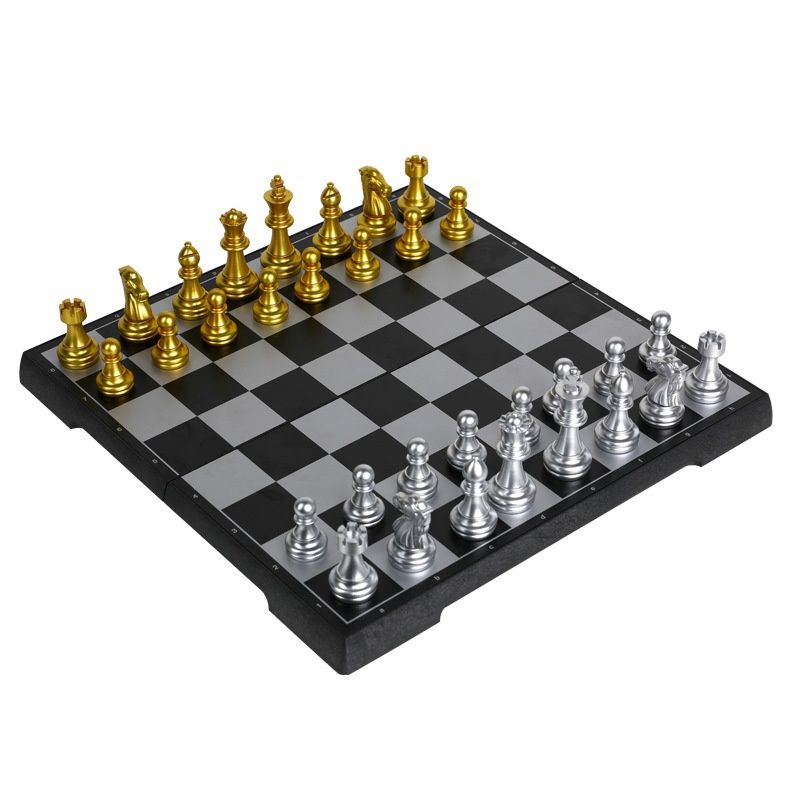
board game
electric guitar
drum
kite
What does it mean?

kite
camera
instrument
model
What does it mean?
What does it mean?

What does it mean?
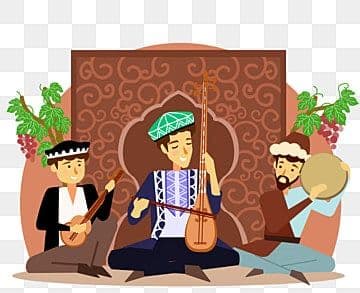
What does it mean?

What does it mean?
 1. reading for u. 2Yaama I'm Jack Evans and you're watching BTN. Here's what's coming up. We uncover the story behind this famous photo, learn about First Nations seasons and find out the history of Book Week. What is Statehood? Reporter: Tatenda Chibika INTRO: But first, the Prime Minister Anthony Albanese has announced that Australia will join other countries in recognising Palestine as an independent state. So, what does that mean? Tatenda found out. Anthony Albanese, Prime Minister: Australia will recognise the state of Palestine. Australia will recognise the right of the Palestinian people to a state of their own. We will work with the international community to make this right a reality. Tatenda Chibika, Reporter: That's the moment our Prime Minister said Australia would recognise Palestine as an independent state at the upcoming United Nations General assembly next month. It's something other countries, including France and Canada, have said they'll be doing too. So, what does that mean exactly? To be considered an independent state under international law a place needs to have its own land or territories with defined borders, it needs to have people who permanently live there, have a working government and it has to be able to talk and make deals with other countries. Once a place meets all those rules, it can ask to be recognised by other independent states and countries. But a big step in becoming an independent state is being fully recognised by the United Nations. To do that you first need to get approval from at least nine members of the UN's Security Council. That's a group of countries responsible for maintaining international peace and security. But even then, that tick of approval can still be blocked by one of the Security Council's five permanent members Russia, China, the UK, the US and France. If the Security Council approves, the decision then goes to the UN's General Assembly where at least two thirds of the UN's 193 members have to agree to make it official. Yeah, it's a pretty complex process which is why we've only seen a handful of countries recognised by the UN in recent years like South Sudan and Montenegro. Others like Kosovo are only 'partially' recognised which means they have some recognition but not enough to become a full member state at the UN. Right now, Palestine is recognised by more than 140 countries — that's more than two thirds of the UN General Assembly. So, why hasn't it become a UN member state yet? Well, it came pretty close last year when 12 members of the Security Council voted in favour of it. VANESSA FRAZIER, AMBASSADOR OF MALTA, APRIL 2024 UNSC PRESIDENT: I shall now put the draft resolution to the vote. But the US, a close ally to Israel, used its special powers to block Palestine from becoming a member state. VANESSA FRAZIER: Those against? At the time, the U.S said Palestine and Israel needed to come to an agreement on their own first. Throughout the years, there have been attempts to figure out a way for both Palestine and Israel to exist peacefully alongside each other but that hasn't happened yet. And now Israel has said that recognising Palestine as an independent state would be rewarding Hamas the group in charge of Gaza which was responsible for the terror attacks on October 7th, 2023. But the Palestinian Authority which governs parts of the West Bank says Hamas won't have a role in any future state of Palestine which will exist peacefully alongside Israel. Australia, like the US, had previously said that it wanted Israel and Palestine to figure out things by themselves first but because of how the war has been going the Australian government is worried that if it continues to wait, there might not be a Palestinian state to recognise. ANTHONY ALBANESE, PRIME MINISTER: There has been too many lives lost, both Israeli's and Palestinians and the world is saying we need a solution to this conflict, we need to end the cycle of violence and the way to do that is to have a two-state solution. News Quiz Russia's President Vladimir Putin stepped foot on American Soil for the first time in a decade to meet with US President Donald Trump. What state did they meet in? Alabama, Alaska or Arizona?It's Alaska. The two leaders met to discuss a way to end the war in Ukraine but weren't able to make any final agreements. DONALD TRUMP, US PRESIDENT: There were many, many points that we agreed on. Most of them, I would say, a couple of big ones, that we haven't quite got there, but we've made some headway. There's no deal until there's a deal. A lot of people criticised the two world leaders for not including Ukraine's president Volodymyr Zelenskyy in the meeting. But that didn't seem to worry Mr Trump who said the meeting was a success and Mr Putin even invited the US President to meet up again in Russia. DONALD TRUMP: We'll see you again very soon. Thank you very much, Vladimir. VLADIMIR PUTIN, RUSSIAN PRESIDENT: Next time in Moscow. DONALD TRUMP: Oh, that's an interesting one. No, no, no. I'll get a little heat on that one. Last week thousands of people marked the 80th anniversary of VJ Day. What does VJ Day commemorate? The victory of Allied forces in Europe, the surrender of Japan and the end of World War II or the dropping of the first atomic bomb? VJ Day or Victory over Japan day commemorates the surrender of Japan and the end of World War II on the 15th of August 1945. Around the world, and here in Australia, people marked the anniversary with ceremonies remembering those who fought in the war. REPORTER: Who will you be remembering today? VETERAN: Oh, a lot of fellows that I knew that never made it home. Scientists in the UK have created toothpaste that includes which of these ingredients? Hair, eye lashes or fingernails? Yeah, they're all a bit random and gross but the answer is hair. According to scientists from King's College in London, hair could be the key to good oral health because it contains a protein called Keratin which they say when mixed with saliva forms a crystal-like protective coating similar to enamel. And Swifties rejoice because Taylor Swift has announced her 12th Studio album. It's called life of a show what? Is it show pony, show girl or show bag? It's Life of a Showgirl and it'll be released October 3rd. Vincent Lingiari Reporter: Joseph Baronio INTRO: Now to this very famous photograph. It was taken 50 years ago and depicts a really significant moment in Australian history. Joe found out about the story behind it. On the 16th of August 1975, this famous photo was taken. It shows the former Prime Minister Gough Whitlam pouring sand into the hand of Aboriginal leader Vincent Lingiari. A simple gesture that symbolised handing the land at Wave Hill in the Northern Territory back to the Gurindji people. But the journey to get there was far from simple. It started back in the 1960s. At the time, Wave Hill was the biggest cattle station in the world, controlled by British landowner Lord Vestey. The Gurindji people, who had lived on the land for generations, worked for Vestey, but they weren't paid fairly, and conditions were tough. NEWS REPORTER: The station's 100 aboriginal stockmen, with their 100 dependents, are camped in the dry bed of the Victoria River with little shade from 90-degree heat, dust and flies. Eventually, Gurindji leader Vincent Lingiari said it was time to act. VINCENT LINGIARI: I said, "What was it before Lord Vestey born and I was born?" It was blackfella country. So, on August 23rd, 1966, Mr Lingiari and his fellow Aboriginal workers went on strike. It became known as the Wave Hill Walk Off. They moved their camp away from the Wave Hill station to a sacred site called Daguragu on Wattie Creek. They wanted to set up their own cattle station, and said they wouldn't move until their land was returned to them. For years, petitions and negotiations went on between the Gurindji people, the NT Administration, and the Australian Government in Canberra. CLAPPERS: 31. 32. 33. DAVID QUINN, ABSCOL: Well, it's basic justice that their land is recognised. PROTESTORS: Equal rights! As the news spread across the country, thousands of Aussies joined the campaign, including the leader of the Labor Party, Gough Whitlam, who made this promise during his 1972 election campaign. GOUGH WHITLAM: We will legislate to give Aborigines land rights. Not just because their case is beyond argument, but because all of us as Australians are diminished, while the Aborigines are denied their rightful place in this nation. Later that year, Gough Whitlam became Prime Minister. (Song From Little Things Big Things Grow, Song by Kev Carmody and Paul Kelly, 1993) From little things big things grow,from little things big things grow… But it wasn't until 1975, 9 years after the Wave Hill Walk Off started, that he followed through with his promise. Eight years went by, eight long years of waiting'Til one day a tall stranger appeared in the landAnd he came with lawyers and he came with great ceremony GOUGH WHITLAM: I solemnly hand to you these deeds as proof in Australian law that these lands belong to the Gurindji people. And through Vincent's fingers poured a handful of sandFrom little things big things grow 50 years on, and The Wave Hill Walk Off is seen as a pivotal moment in Australia's history. It led to significant legal and social changes for First Nations people, which is something many agree is worth celebrating. First Nations Seasons Reporter: Saskia Mortarotti INTRO: Recently, Melbourne's Lord Mayor suggested ditching the four-season calendar that most of us are familiar with and adopting a six-season Wurundjeri calendar instead saying it gives a better description of what the weather's actually like there. Sas found out more about the different seasonal calendars used by First Nations people. SASKIA MORTAROTTI, REPORTER: Right now, in most of the country, it's pretty cold. COLD GIRL: Think of somewhere warm. What? It's 32 degrees in Darwin in the middle of winter? But ah, yeah. There are some places where it's, well, quite warm. Which makes you wonder whether the weather actually matches the seasons. You see, Australia is pretty big, and we have lots of different weather patterns. Which is something First Nations people have tracked for thousands of years with their own seasonal calendars. KARL WINDA TELFER, CULTURAL CREATIVE KANYANYAPILLA: Why have we got four seasons when you know that don't make any sense here. It doesn't relate to the country here. This is Karl Telfer. He's an artist and storyteller who produced the Kuri Kurru exhibition at the Museum of Discovery in Adelaide that explores the 6 different seasons of the Kaurna Meyunna. SASKIA MORTAROTTI: So, how do you know when you're in one of those six seasons? KARL WINDA TELFER: Well, there are stars that rise. So, you know, there are certain stars, like in Parnatti, for example. There's a star called Parna, and we know what that star is. So, that talks to us about, okay, the time now is going to be cold on the ground. First Nations calendars like the Kaurna one don't just tell us what's happening with the weather; they're also used to track when certain plants and animals are around. KARL WINDA TELFER: It teaches you about what plants you can, you know, what you can eat what you can't and all that what is ready certain times a year and fruit everything, bird shows you the right time to eat the fruit, perfect time, if you try and go get them the next week they're gone. Karl says we can also use these calendars to see how the environment has changed over time. KARL WINDA TELFER: Kudlilla is the season we're in now and Kudlilla that talks about like the rain but we're not having enough rain these days, well, these times. And this is due to climate and the climate changing. There are many different First Nations seasonal calendars around the country. Like Ngan'gi calendar from the Northern Territory which has 13 seasons that follow the life cycle of the native spear grass. Or the Wurundjeri Calendar in Victoria which has 6 seasons. And recently, Melbourne's Lord Mayor, Nicholas Reece, said Melbourne, or Naarm, would be better off adopting the Wurundjeri calendar because it's more in tune to what's happening with the weather. Something many, including Karl, think we should be doing right across the country. KARL WINDA TELFER: I'm talking about the English four seasons. So, this is totally different systems that we're talking about and weather patterns and currents and all sorts of different things, because it's the sea country too. So, my question is, well, why do we have that? If that doesn't work, you know? Quiz How many seasons are there in the Tiwi Island Calendar? 1, 2 or 3? It's 3, although they also have 13 minor seasons. Book Week Reporter: Wren Gillett INTRO: This week, kids across Australia have been dressing up as their favourite characters to celebrate Book Week. Wren finds out why Book Week began 80 years ago and why it's still important today for getting young Aussies into reading. STUDENT: I read an hour every night, maybe even two hours some nights. STUDENT: My favourite book series are the Harry Potter series and the Keeper of the Lost City series. STUDENT: Probably Bad Guys and Weirdo. STUDENT: I like the Amulet, I've been reading that. STUDENT: I love reading Dork Diaries and Exploding Endings. Whether it's Fantasy, mystery, history — whatever you're into. Book week is a time to celebrate, well, books. STUDENT: Me and my friends are dressing up as Inside Out. STUDENT: I was thinking SpongeBob. STUDENT: I'm dressing up as Winnie the Pooh and it's just a fun way to express what kind of books you like. And guess what, book week has actually been a thing for many, many years. WREN GILLETT, REPORTER: Once upon a time, in a land not so far away, literacy lovers noticed a problem. The year was 1945. The second World War had just ended, and kids were mainly reading books from overseas, in particular the UK. Because, at the time, there weren't many Aussie authors writing books for children. WREN GILLETT: So, a group of passionate teachers, librarians, booksellers, publishers, and book-loving volunteers, decided to create what we now know as The Children's Book Council of Australia. Familiar logo, right? Together, they launched book week, all in an effort to get Aussie kids' reading more. And it seemed to work. The 1960s saw a boom in Australian children's books being published. REPORTER: How many books do you read a week? STUDENT: Well, it really depends on the week. If there's exams, I might read only one or two. But if there's no exams and if I've got plenty of time, I might read up to five or six. WREN GILLETT: But today, it's a slightly different story. Studies show that less than one in five eight to 18-year-olds are reading in their free time, and that only one in three actually enjoy reading for fun. WREN GILLETT: Why do you reckon we're seeing this trend? STUDENT: People are getting sucked into screens and they're like spending hours just scrolling through TikTok and stuff, and they're getting so attached to it that they don't feel the need to pick up books and read them. Yeah, there's a lot of different things competing for our attention these days, but many think books are still worth our time. PETER HELLIER, AUSSIE COMEDIAN AND AUTHOR: Books are the exact opposite of boring. And if you think they're boring, I'm sorry, but you're wrong. This is Peter Hellier, he's a pretty famous Aussie comedian, actor, and the author behind these books. And he's just released another one called Detective Galileo, about a trail horse who dreams of solving crimes. PETER HELLIER: He joins the police force and quickly finds out that the horses don't actually solve the crimes, it's the police officers who solve the crime. So he promptly gets thrown out of the force and begins his own detective agency, which I'm reliably told is the only detective agency in the world run by a horse. Peter actually started writing books when he was a kid. PETER HELLIER: I started writing when I was six, seven, eight years old. In fact, I started my own publishing company called Better Books. And I would write these books, and then I would get a parent or one of my parents or teachers to type them up. And I would read them in front of the class. And, you see, each has the logo, the Better Books logo, there it is — the famous Better Books logo. WREN GILLETT: You weren't mucking around. PETER HELLIER: There all on all of them. There we go. There we go. Many, Including Peter, say there's plenty to get from a good book. They help us learn new words and phrases, get a better understanding of the world around us, and strengthen our imaginations. PETER HELLIER: Books can take you absolutely anywhere. They can take you to countries that you never dreamed about going. Countries that exist, countries that don't exist. Reading just makes the world a much bigger place. It's why for the past 80 years, schools around the country have been taking part in book week. STUDENT: Reading is a place where you can have your own world just to yourself. STUDENT: It's like watching a movie inside your head, but you can choose how it goes. STUDENT: Picking up a book is a good idea, maybe you should start with something that you're interested with and then you can start exploring from there. Quiz What is the title of the book that took out this year's Book of the year Award for younger readers? It's Laughter is the Best Endingby Maryam Master. Some other winners included I'm not really here by Gary Loneborough which took out book of the year for older readers and best picture book went to The Truck Cat, by Deborah Frenkel. Sport Australia's men's national basketball team — the Boomers — have won their third Asia Cup in a row, with an epically narrow victory over China. COMMENTATOR: It is Australia who are celebrating! China started strong, leading 25-17 at quarter time. But Aussie Xavier Cooks led a fierce comeback, shooting 30 points and collecting nine rebounds, earning him the title of MVP. And there seriously couldn't have been a tighter finish. Just as the final buzzer went off, China missed a shot that would have won them the game, leaving Australia with a 90-89 victory. COMMENTATOR: An unbelievable finish. The 2025 AFLW season kicked off last week, and so did a new trick. Yeah, 19-year-old Ash Centra from Collingwood, pulled out this move in the warm-up before their season-opener to Carlton, and since then, a lot of people have been trying to do it, with some success, kind of? FOOTY PLAYER: No, I'm not doing it on camera. But despite the epic warmup, Carlton did end up beating Collingwood by 24 points. Now, the moves from these athletes in China weren't quite so graceful but give 'em a break, okay, they're robots. For the first time ever, humanoid robots from all over the world, competed in their very own games, which featured, soccer, boxing, running, and ahh, lots of falling over. Lots. Luckily though, they did bring their own cheer squad. Young Rapper Reporter: Rylie INTRO: Finally, we're going to meet another winner of this year's Heywire competition — which asks young people in regional areas to share their stories. Rylie's going to tell us how music helped to transform his life. Check it out. Mum and I were homeless. We lived at a caravan park, in motels and tents around Warrnambool. It wasn't pretty. I'm First Nations, and I remember feeling like, my own country is failing me right now. So, we camped right along here. I remember pitching a tent right here and this was actually around the same time I started to get into music which was a good way for me to have something to look forward to. I was raised by the SoundCloud era, listening to a lot of trap music. When I was in school, I'd rap along to songs by Juice World, then I started to make my own. My first track was recorded on my phone. It was bad but a lot of fun to make. Some kids in my school heard it and shamed me. That put me off music for the next couple of years, until a friend of mine bought a microphone and encouraged me to give it another go. There was something about that mic and the energy of the crew around me that gave me confidence. It lit a fire in me. Over time, I was able to focus my flow. My songs are about escapism, living the life, being a success. I rap about stuff that takes me to a better place in my head. I'm manifesting my future. My stage name is Hundo Milli, it's short for hundreds of millions. Money's not really the end goal; it's more about having the freedom to dream big. Mum taught me to never stop believing. Even when times were tough, she kept pushing for us to get housing and eventually we did. We're some of the lucky ones. Today, I'm in a Melbourne studio recording my next single. I remember living in my tent dreaming about this very moment and now I'm here, doing what I love. Ain't nothing going to stop me. Closer Well, that's all we've got for you today, but we'll be back before you know it. In the meantime, you can head to our website, there's plenty to see and do. You can also catch Newsbreak every weeknight and there's BTN High for all you highschoolers out there. Have an awesome week and I'll see you next time. Bye.Element Definition Example from Text Theme Main message or lesson Be yourself; self-acceptance Tone Author’s attitude toward the subject Encouraging, humorous Diction Word choice Weird, perfect, brave Denotation Literal meaning of a word Weird = unusual Connotation Emotional meaning of a word Weird = negative or unique Allusion Reference to another literary or cultural work Harry Potter, The Last Battle Genre Type of writing Letter Writer Author Letter writer to her teen self Title Name of the text Just Be Yourself Dear Teen Me, Psst! Hey! You in the corner of the library with your nose stuck in a book. Yes, you. Don’t recognize me without that awful perm, do you? (Remind me again why you thought that was a good idea?) Anyway, I hope you don’t mind if I sit with you for a minute, but we need to talk. Don’t worry about the “no talking in the library” rule. I’m sure we’ll be fine. Librarians aren’t as bad as they seem. Judging from the hair and braces I’d have to guess you’re in your junior year. Yes? Thought so. I’d forgotten how many lonely lunch hours you spent in the school library. You have some friends in the cafeteria that you could sit with, but you don’t feel like you really fit in, do you? That’s why you joined every school club you could. I just counted and you’re in eighteen, not to mention the numerous after-school activities you’re involved in. I mean honestly, you joined the ROTC.1 You don’t even like ROTC! And I won’t even bother bringing up that time you tried ballet. I’m still having nightmares about the fifth position! Let me ask you, how’s it all working out? Not very well, am I right? By spending so much time trying to find yourself, you’re slowly losing yourself. We don’t all have one single rock-star talent, and honestly, I think those of us who don’t are the lucky ones. Life isn’t about finding the one thing you’re good at and never doing anything else; it’s about exploring yourself and finding out who you really are on your own terms and in your own way. You don’t have to exhaust yourself to do that. Oh, don’t be so down in the dumps about it. You’ll eventually find something you’re good at, I promise. It’s a long, winding road to get there, but you’ll find it. Being able to spend all day doing what you love (or one of the things that you love) is the most amazing feeling in the world. And no, I won’t tell you what it is, so don’t even ask me. Just remember to always be yourself, because there’s nobody else who can do it for you. I think E. E. Cummings put it best when he said, “It takes courage to grow up and become who you really are.” Looks like the bell is about to ring so I’ll leave you to your book. What are you reading, anyway? Oh, The Last Battle by C. S. Lewis. I should have guessed. You should give those Harry Potter books a try. I saw you roll your eyes! I know they seem like just another fad, but trust me, they’re better than you think. They’ve got a real future! finding out who you really are on your own terms and in your own way. You don’t have to exhaust yourself to do that. Oh, don’t be so down in the dumps about it. You’ll eventually find something you’re good at, I promise. It’s a long, winding road to get there, but you’ll find it. Being able to spend all day doing what you love (or one of the things that you love) is the most amazing feeling in the world. And no, I won’t tell you what it is, so don’t even ask me. Just remember to always be yourself, because there’s nobody else who can do it for you. I think E. E. Cummings put it best when he said, “It takes courage to grow up and become who you really are.” Looks like the bell is about to ring so I’ll leave you to your book. What are you reading, anyway? Oh, The Last Battle by C. S. Lewis. I should have guessed. You should give those Harry Potter books a try. I saw you roll your eyes! I know they seem like just another fad, but trust me, they’re better than you think. They’ve got a real future! i need you to tell me how can i start this text and i need you to add these essential questions: What are some milestones on the path to gr owing up?, What makes an experience memorable? What makes it life changing? and then Denotation, Connotation, Allusions, Diction, Tone, Genre, Writer, Title, Theme in a table and i need u to add definitions for each one and extract examples from the textReading for pleasure Unit 4 Lesson 1 1. What is the main purpose of including theme and main idea questions in a text? a) To test your reading comprehension skills b) To understand the overall message or lesson of the text c) To practice identifying specific details in the text d) To improve your vocabulary and word knowledge 2. What is the purpose of finding the theme in a text? a) To summarize the main idea of the text in a few words b) To identify the specific details and examples in the text c) To understand the order of events in the text d) To analyze the author's writing style and techniques 3. Which of the following represents the theme of a text? a) A long sentence that describes the setting of the story b) A single word or short phrase that captures the main idea of the text c) A list of characters and their traits d) A detailed description of the plot and conflict in the story 4. How does identifying the main idea of a paragraph help you understand the text? a) It allows you to make connections between different parts of the text b) It helps you identify the author's purpose for writing the text c) It enables you to predict what will happen next in the story d) It helps you remember the specific details and examples in the paragraph 5. Which of the following best describes the main idea of a paragraph? a) The specific details and examples that support the theme of the text b) The order of events and actions in the paragraph c) The overall message or lesson conveyed by the paragraph d) The vocabulary words and their definitions in the paragraph 6. In a short paragraph about dogs, what could be a possible theme? a) Running and playing in the park b) Different breeds of dogs and their characteristics c) The loyalty and companionship dogs provide d) How to train a dog to do tricks 7. What might be the main idea of a paragraph about the importance of recycling? a) Recycling reduces pollution and conserves natural resources b) The process of recycling and how it works c) The different types of materials that can be recycled d) The history of recycling and its impact on society 8. Which of the following could be the theme of a paragraph about the benefits of reading? a) The importance of reading for academic success b) How to choose the right book to read c) The different genres of literature and their characteristics d) The role of libraries in promoting reading 9. If a paragraph discusses the life cycle of a butterfly, what would be the most likely main idea? a) The different colors and patterns of butterfly wings b) The stages of a butterfly's life from egg to adult c) The habitats and environments where butterflies live d) The types of plants that attract butterflies for feeding 10. What is the purpose of including vocabulary words and their meanings in context in a text? a) To test your knowledge of different words and their definitions b) To understand the specific details and examples in the text c) To improve your reading comprehension skills d) To practice using new words in your own writingSlide 1 Merangkum Buku Fiksi dan Non-Fiksi Berdasarkan Gagasan Pokok Slide 2 Pengertian Merangkum • Merangkum adalah kegiatan menyusun ikhtisar • Mengambil inti atau pokok-pokok penting • Mempertahankan urutan ide penulis asli • Menggunakan bahasa sendiri yang lebih ringkas Slide 3 Tujuan Merangkum • Memahami isi bacaan dengan lebih mudah • Menghemat waktu membaca • Mengingat informasi penting lebih lama • Memudahkan mengulang materi bacaan Slide 4 Apa itu Gagasan Pokok? • Ide utama dalam paragraf • Inti dari sebuah bacaan • Biasanya terdapat di awal atau akhir paragraf • Didukung oleh kalimat-kalimat penjelas Slide 5 Perbedaan Buku Fiksi dan Non-Fiksi • Fiksi: cerita rekaan/khayalan • Non-fiksi: berdasarkan fakta dan kejadian nyata • Fiksi: memiliki alur cerita • Non-fiksi: menyajikan informasi dan pengetahuan Slide 6 Langkah Merangkum Buku Fiksi • Membaca keseluruhan cerita • Mencatat tokoh dan penokohan • Mengidentifikasi alur cerita • Menemukan tema dan amanat • Menulis dengan bahasa sendiri Slide 7 Unsur-unsur Penting Buku Fiksi • Tema • Alur • Tokoh dan Penokohan • Latar • Sudut Pandang • Amanat Slide 8 Langkah Merangkum Buku Non-Fiksi • Membaca secara seksama • Menandai gagasan pokok tiap paragraf • Mencatat informasi penting • Menghubungkan antar gagasan • Menyusun rangkuman Slide 9 Ciri-ciri Rangkuman yang Baik • Sesuai dengan isi asli • Lengkap dan jelas • Menggunakan bahasa baku • Tidak mengubah urutan ide • Objektif Slide 10 Tips Menemukan Gagasan Pokok • Perhatikan kalimat pertama paragraf • Cari kalimat yang diulang-ulang • Identifikasi kata kunci • Temukan kalimat yang dijelaskan Slide 11 Contoh Merangkum Buku Fiksi • Judul: "Laskar Pelangi" • Tema: Pendidikan • Tokoh utama dan karakternya • Ringkasan alur cerita • Pesan moral Slide 12 Contoh Merangkum Buku Non-Fiksi • Judul: "Sejarah Indonesia" • Topik utama tiap bab • Fakta-fakta penting • Hubungan antar peristiwa • Kesimpulan Slide 13 Kesalahan Umum dalam Merangkum • Terlalu panjang • Mengubah makna asli • Menambah pendapat pribadi • Mengabaikan urutan ide • Copy-paste langsung Slide 14 Teknik Membaca Efektif • Scanning • Skimming • Reading for detail • Membuat catatan • Mind mapping Slide 15 Kata Penghubung dalam Merangkum • Selanjutnya • Kemudian • Oleh karena itu • Dengan demikian • Sementara itu Slide 16 Format Rangkuman • Identitas buku • Pendahuluan • Isi pokok • Kesimpulan • Komentar (opsional) Slide 17 Manfaat Keterampilan Merangkum • Meningkatkan pemahaman • Mengembangkan kemampuan analisis • Melatih menulis efektif • Mempertajam daya ingat • Efisiensi belajar Slide 18 Evaluasi Rangkuman • Kelengkapan isi • Ketepatan gagasan pokok • Penggunaan bahasa • Keterpaduan ide • Kerapian penulisan Slide 19 Latihan Praktik • Pilih buku fiksi/non-fiksi • Identifikasi gagasan pokok • Tulis rangkuman • Periksa kelengkapan • Revisi bila perlu Slide 20 Rangkuman dan Penutup • Merangkum adalah keterampilan penting • Perhatikan perbedaan fiksi dan non-fiksi • Fokus pada gagasan pokok • Gunakan bahasa sendiriReach for Reading G5 Unit 1 pt. 1Pray also for me, that whenever I open my mouth, words may be given me so that I will fearlessly make known the mystery of the gospel, for which I am an ambassador in chains. Pray that I may declare it fearlessly, as I should. Ephesians 6:19,20 What sacrifices have you made because of your faith in Jesus Christ? Have you encountered opposition for reading or carrying your Bible? On August 5, 2008, eight high school students from a small African country were imprisoned in a metal shipping container after they objected to authorities confiscating and burning 1,500 Bibles. That same month, in a prominent Middle Eastern country, a young woman had her tongue cut out and she was then burned to death by her own father because of her con- version to Christianity. These are just a couple of countless stories from around the globe about the persecution Christians face today. While we regularly enjoy the freedom to worship God openly without fear of death or imprisonment, millions of our broth- ers and sisters through the world face unimagi- nable persecution for their faith. This type of treatment is nothing new to the followers of Jesus Christ. Jesus himself warned His followers that they would face persecution for following Him, even going so far to say that “Men will hate you because of me.” (Matthew 10:22) Throughout church history, Christians have been imprisoned, beaten, stoned, thrown to the lions, burned at the stake, and much more because of their faith in Jesus. And in the verses you read earlier, Paul referred to his chains, or imprisonment, because of the gospel. Can you recall any other individuals from the Bible or history who faced opposition because of their faith? As men of God, we have a responsibility to our fellow believers around the world who regu- larly face persecution because of their faith. We need to support them in any way possible. In Ephesians and throughout his writings, Paul asked the believers to pray for him that he would have boldness to continue to preach the gospel even while he was locked in chains. Prayer is a very powerful weapon in your arse- nal. With prayer, a man of God can literally be a part of delivering strength, speaking encour- agement, and doing battle all without leaving his room. Through prayer, you can stand beside a missionary as he preaches to the people of South America. Through prayer, you can be part of delivering peace to the Asian pastor locked in prison because of his faith. How is that possible? It’s possible because your prayers have direct access to God. The most