The nervous and endocrine systems interact to control and coordinate the body’s responses to changes in the environment, and to regulate growth, development, and reproduction. Hormones are chemicals produced by the endocrine system; hormones regulate many body functions.
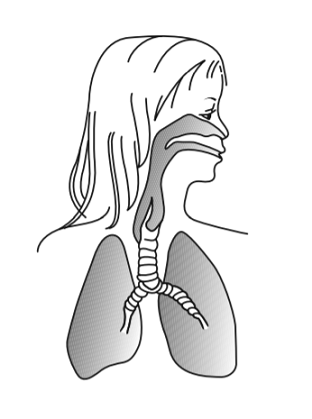
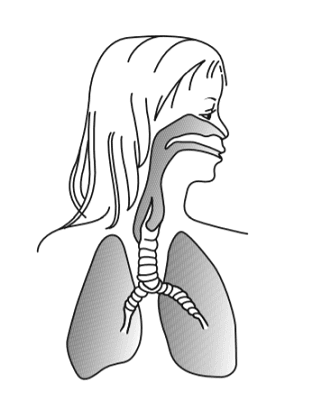
During respiration, cells use oxygen to release the energy stored in food. The respi- ratory system supplies oxygen and removes carbon dioxide (gas exchange).
Hereditary information is contained in genes. Genes are composed of DNA that makes up the chromosomes of cells.
Each gene carries a single unit of information. A single inherited trait of an individ- ual can be determined by one pair or by many pairs of genes. A human cell contains thousands of different genes.
Human activities such as selective breeding and advances in genetic engineering may affect the variations of species.
Living things are composed of cells. Cells provide structure and carry on major functions to sustain life. Cells are usually microscopic in size.
Photosynthesis is carried on by green plants and other organisms containing chlorophyll. In this process, the Sun’s energy is converted into and stored as chemical energy in the form of a sugar. The quantity of sugar molecules increases in green plants during photosynthesis in the presence of sunlight.
Extinction of a species occurs when the environment changes and the adaptive characteristics of a species are insufficient to permit its survival. Extinction of species is common. Fossils are evidence that a great variety of species existed in the past.
Cells are organized for more effective functioning in multicellular organisms. Levels of organization for structure and function of a multicellular organism include cells, tissues, organs, and organ systems.
Most cells have cell membranes, genetic material, and cytoplasm. Some cells have a cell wall and/or chloroplasts. Many cells have a nucleus.
The processes of sexual reproduction and mutation have given rise to a variety of traits within a species.
Track each student's skills and progress in your Mastery dashboards