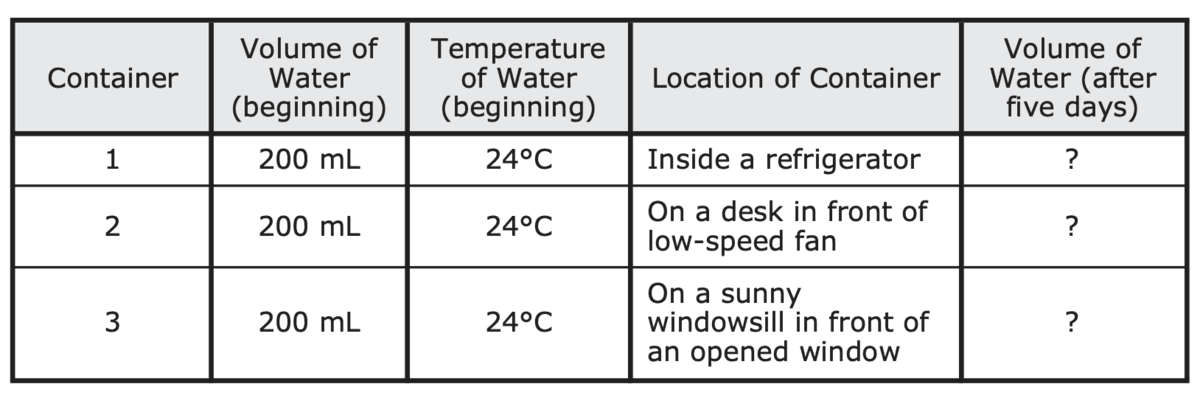
Explain how the Sun and the ocean interact in the water cycle
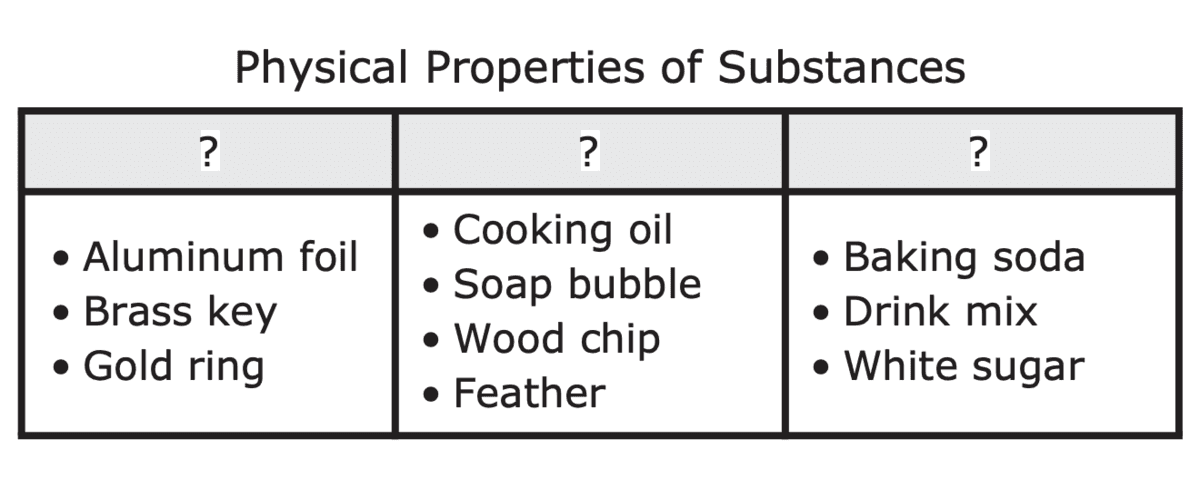
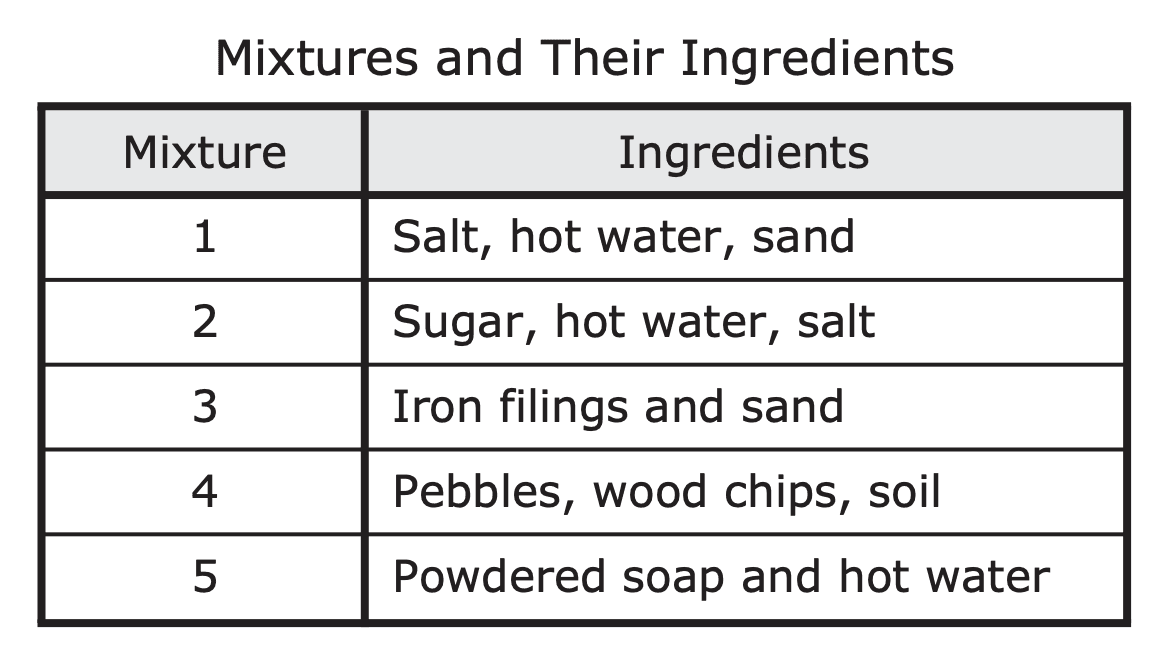
Classify matter based on measurable, testable, and observable physical properties, including mass, magnetism, physical state (solid, liquid, and gas), relative density (sinking and floating using water as a reference point), solubility in water, and the ability to conduct or insulate thermal energy or electric energy
Identify changes that can occur in the physical properties of the ingredients of solutions such as dissolving salt in water or adding lemon juice to water.
Demonstrate that some mixtures maintain physical properties of their ingredients such as iron filings and sand and sand and water; and
Recognize how landforms such as deltas, canyons, and sand dunes are the result of changes to Earth's surface by wind, water, or ice.
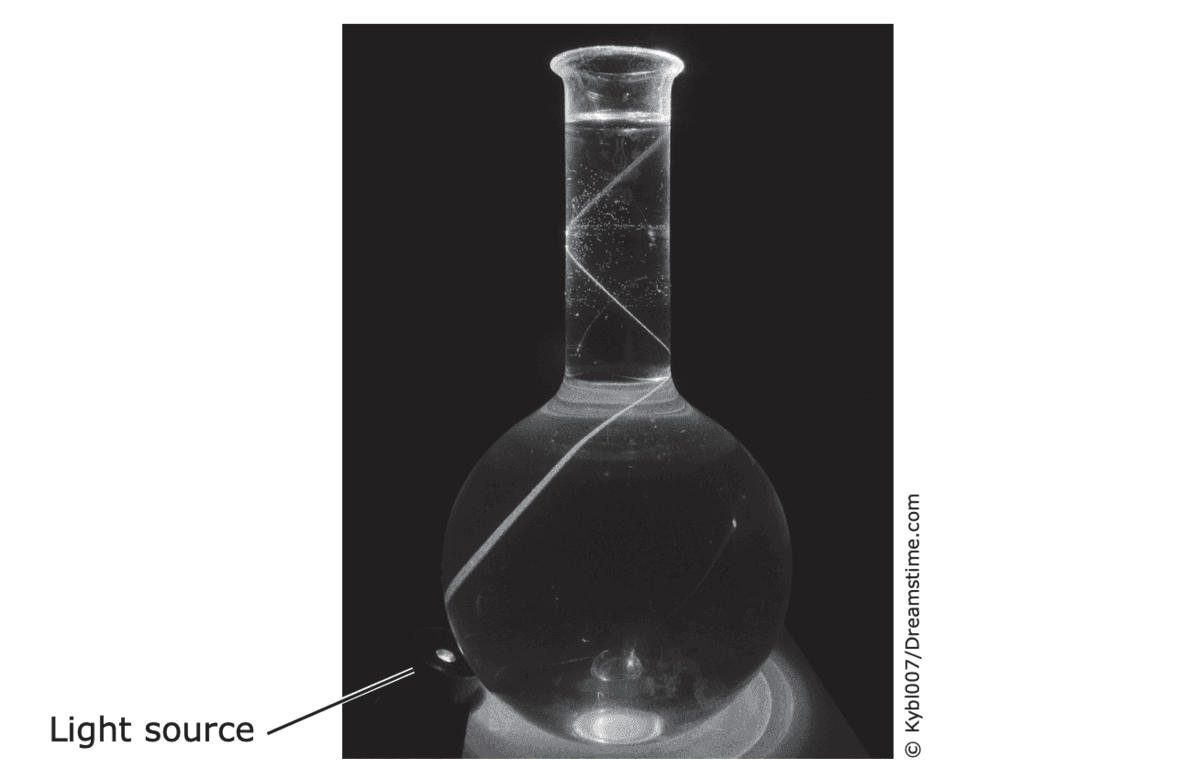
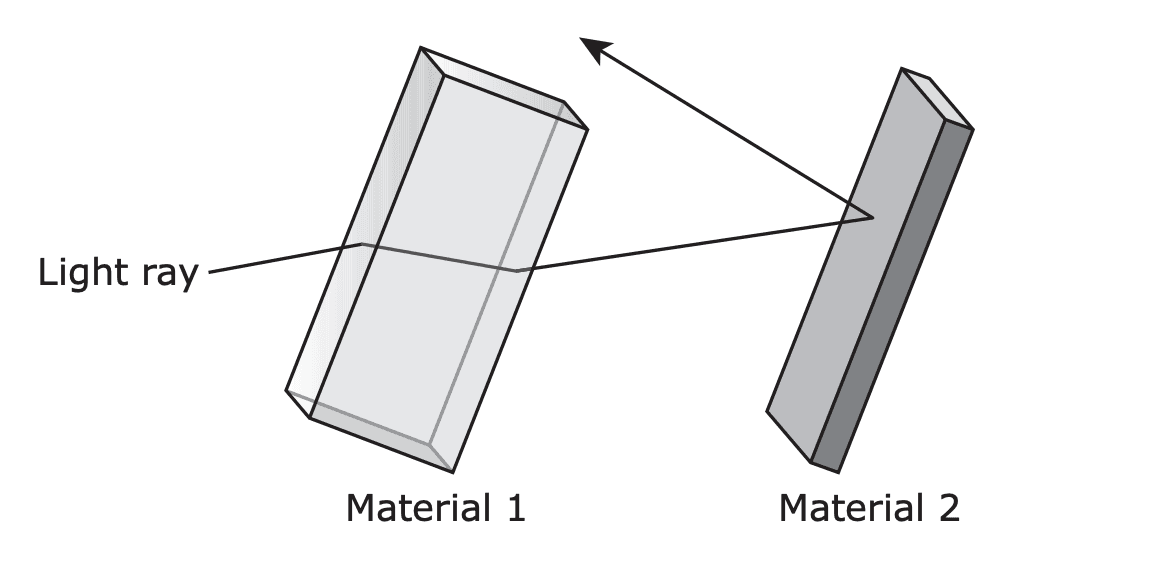
Demonstrate that light travels in a straight line until it strikes an object and is reflected or travels through one medium to another and is refracted; and
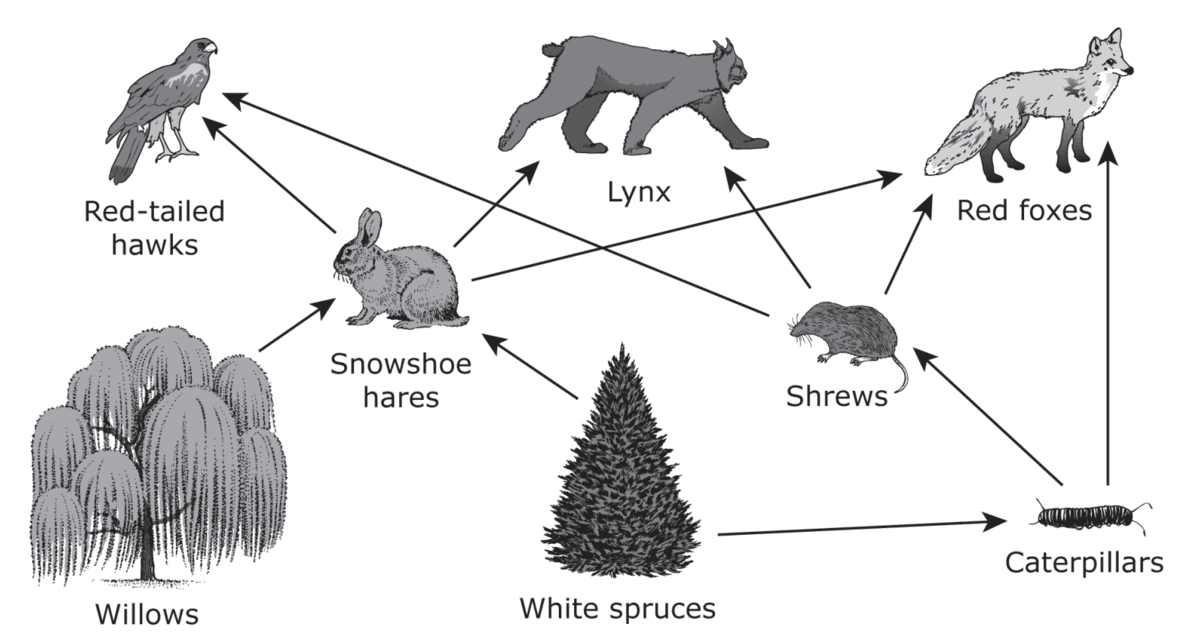
Describe the flow of energy within a food web, including the roles of the Sun, producers, consumers, and decomposers;
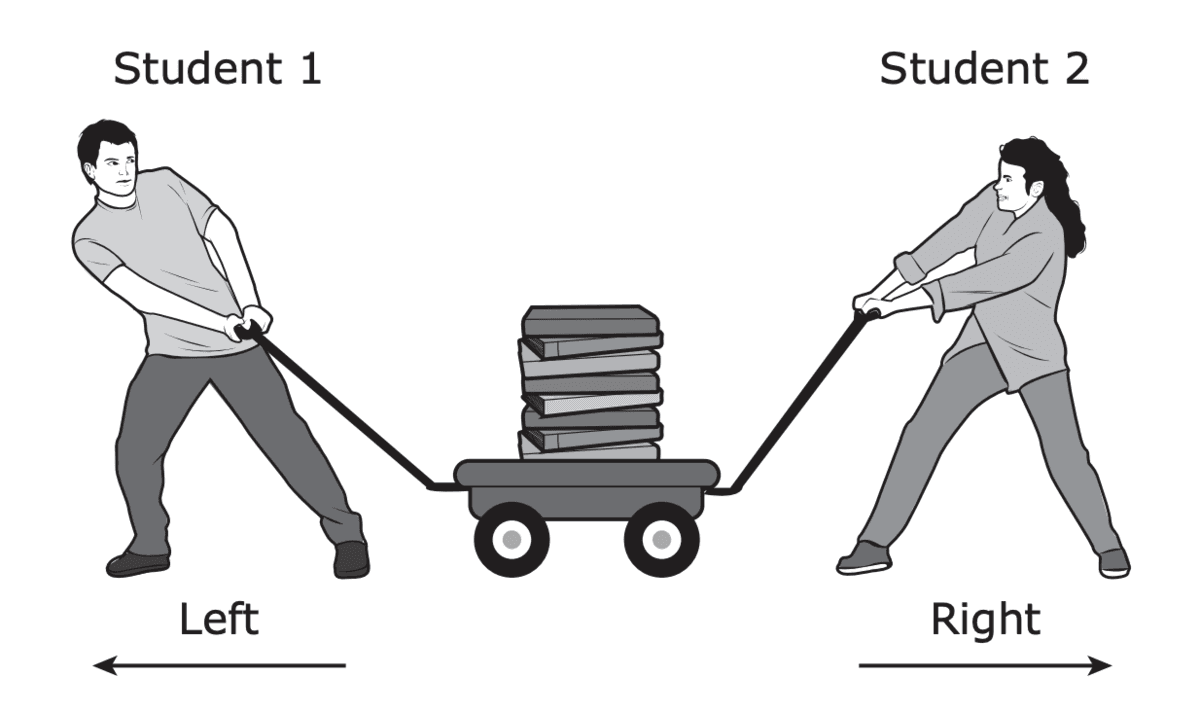
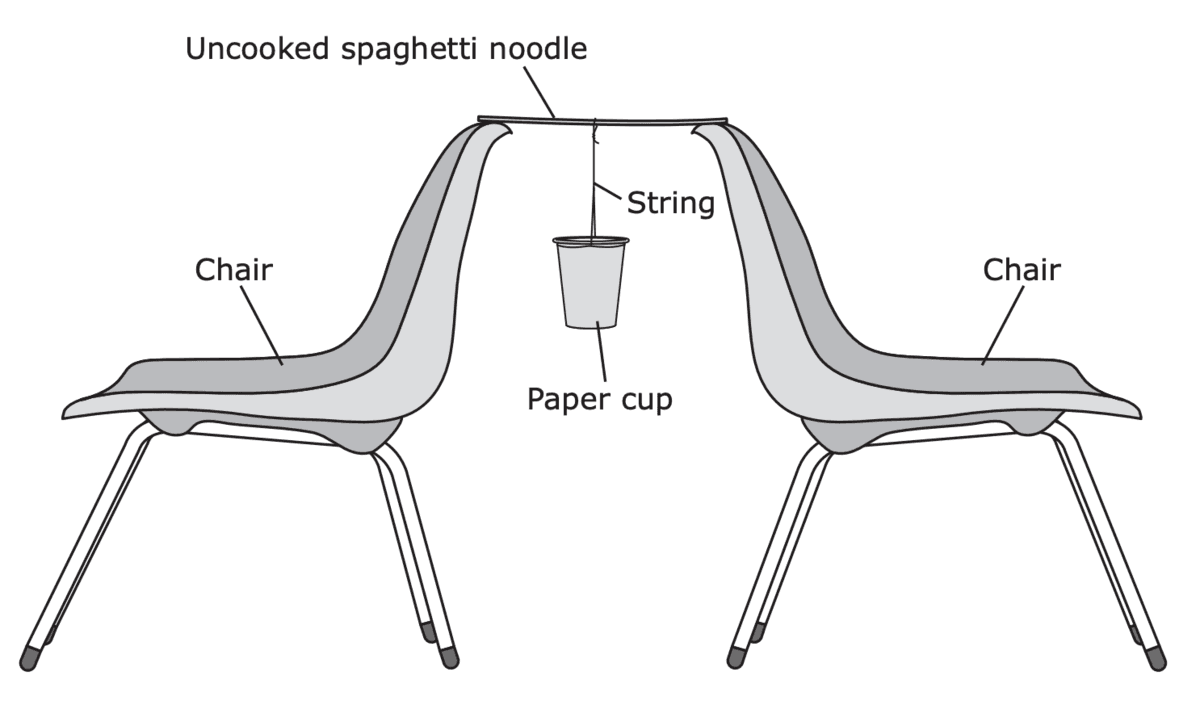
Design a simple experimental investigation that tests the effect of force on an object
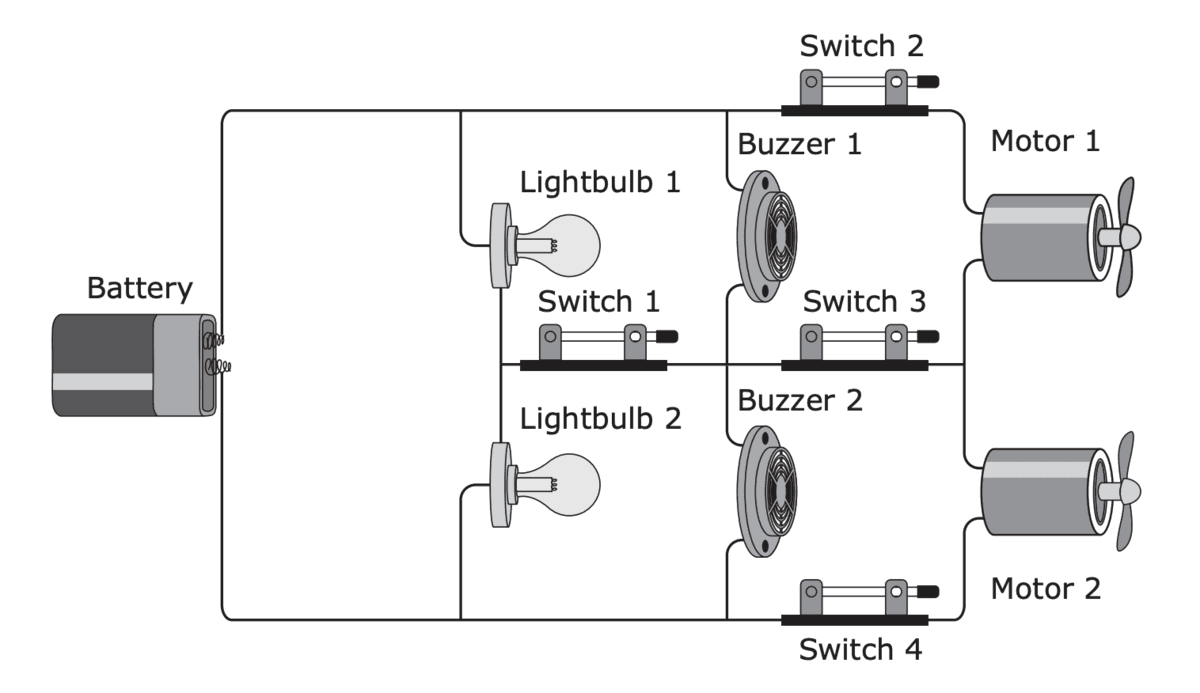
Demonstrate that the flow of electricity in closed circuits can produce light, heat, or sound;
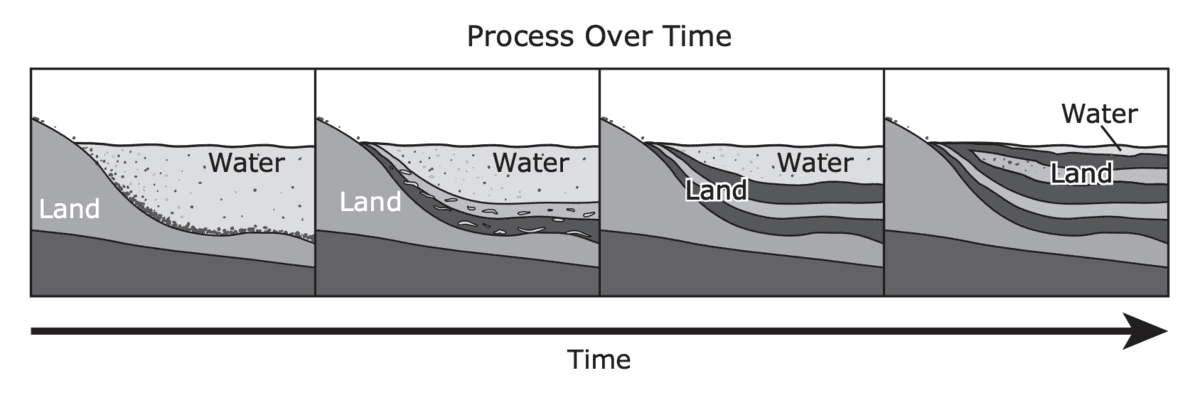
Explore the processes that led to the formation of sedimentary rocks and fossil fuels; and
Explore the uses of energy, including mechanical, light, thermal, electrical, and sound energy;
Observe the way organisms live and survive in their ecosystem by interacting with the living and nonliving components;
Demonstrate that Earth rotates on its axis once approximately every 24 hours causing the day/night cycle and the apparent movement of the Sun across the sky; and
Identify fossils as evidence of past living organisms and the nature of the environments at the time using models.
Identify and compare the physical characteristics of the Sun, Earth, and Moon.
Compare the structures and functions of different species that help them live and survive in a specific environment such as hooves on prairie animals or webbed feet in aquatic animals; and
Differentiate between weather and climate;
Differentiate between inherited traits of plants and animals such as spines on a cactus or shape of a beak and learned behaviors such as an animal learning tricks or a child riding a bicycle.
Predict the effects of changes in ecosystems caused by living organisms, including humans, such as the overpopulation of grazers or the building of highways; and
Track each student's skills and progress in your Mastery dashboards