Compare the structures and functions of different species that help them live and survive in a specific environment such as hooves on prairie animals or webbed feet in aquatic animals; and
Track each student's skills and progress in your Mastery dashboards
Give this quiz to my class
Q 1/10
Score 0
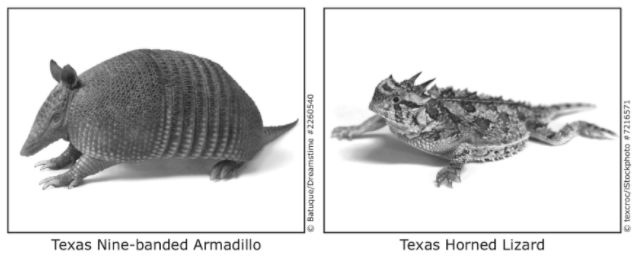
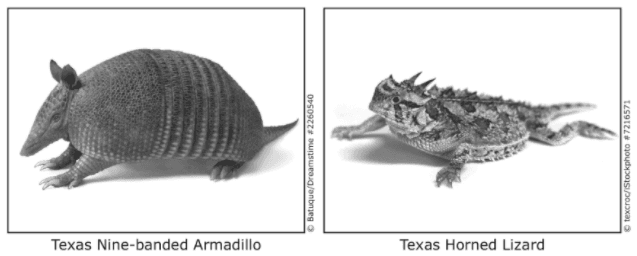
Which sentence best describes the function of the structures that these animals have in common?
120
Both animals have sharp claws that help them dig into sand.
Both animals have small eye to help them see at night.
Both animals have tough skin to keep them warm in cold weather.
Both animals have pointed tails to attract predators.
Q 2/10
Score 0
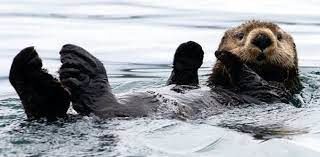
Unlike humans, otters have special flaps that close off their nostrils and ears. These flaps help otters survive in an environment that is -
120
snowy
terrestrial
windy
aquatic
10 questions
Q.
Which sentence best describes the function of the structures that these animals have in common?
1
120 sec
5.10a
Q.
Unlike humans, otters have special flaps that close off their nostrils and ears. These flaps help otters survive in an environment that is -
2
120 sec
Q.
How do structures such as whiskers and antennae benefit organisms?
3
120 sec
Q.
The difference in the shape of these animals' teeth is most closely related to -
4
120 sec
Q.
Which two traits best help a cactus conserve water in the dry conditions of a West Texas ecosystem?
5
120 sec
Q.
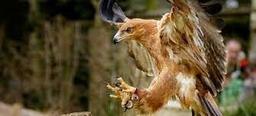
Eagles catch fish in rivers with their talons and tear the fish into small pieces. Which bird most likely catches and eats its food in a way an eagle does?
6
120 sec
Q.
This butterfly has a pattern on it's wings that resembles the eyes of an owl. What is this adaptation called?
7
120 sec
Q.
Cheetahs, Lions, and Tigers all have special coat patterns that help them hide from potential prey. What is this adaptation called?
8
120 sec
Q.
Many animals travel long distances when seasons change or resources become scarce. This seasonal movement is called:
9
120 sec
Q.
Some animals sleep through winter months, or remain dormant to reduce their energy use. This adaptation is called: