Loading...

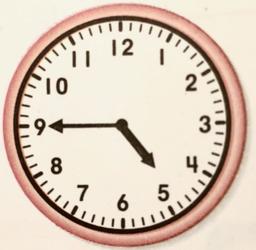
Analog Clock Quiz
Quiz by Kelleth Chinn
Customize this quiz to suit your class
Instantly translate to 100+ languages
Tag the questions with any skills you have. Your dashboard will track each student's mastery of each skill.
Give this quiz to my class
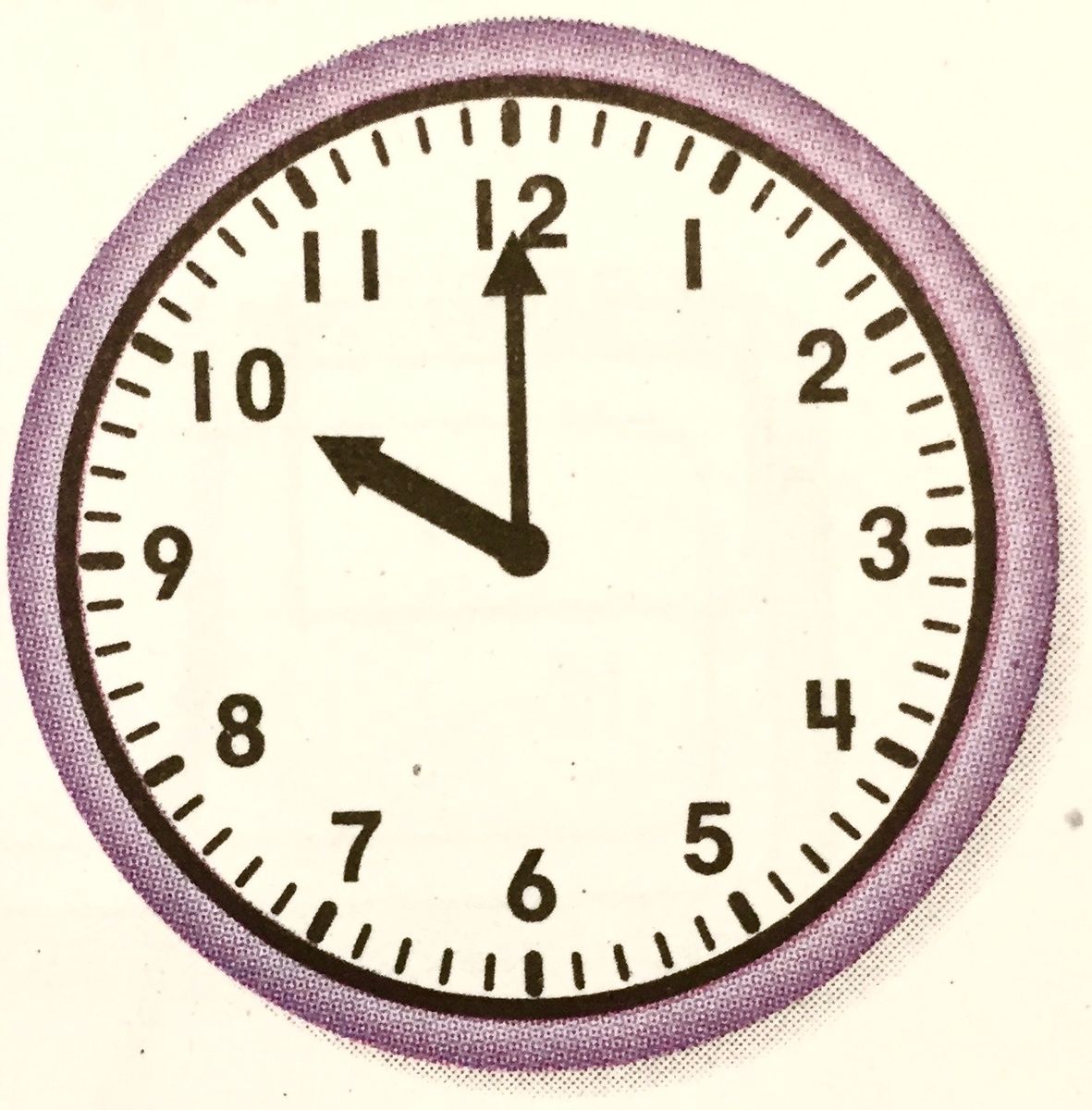
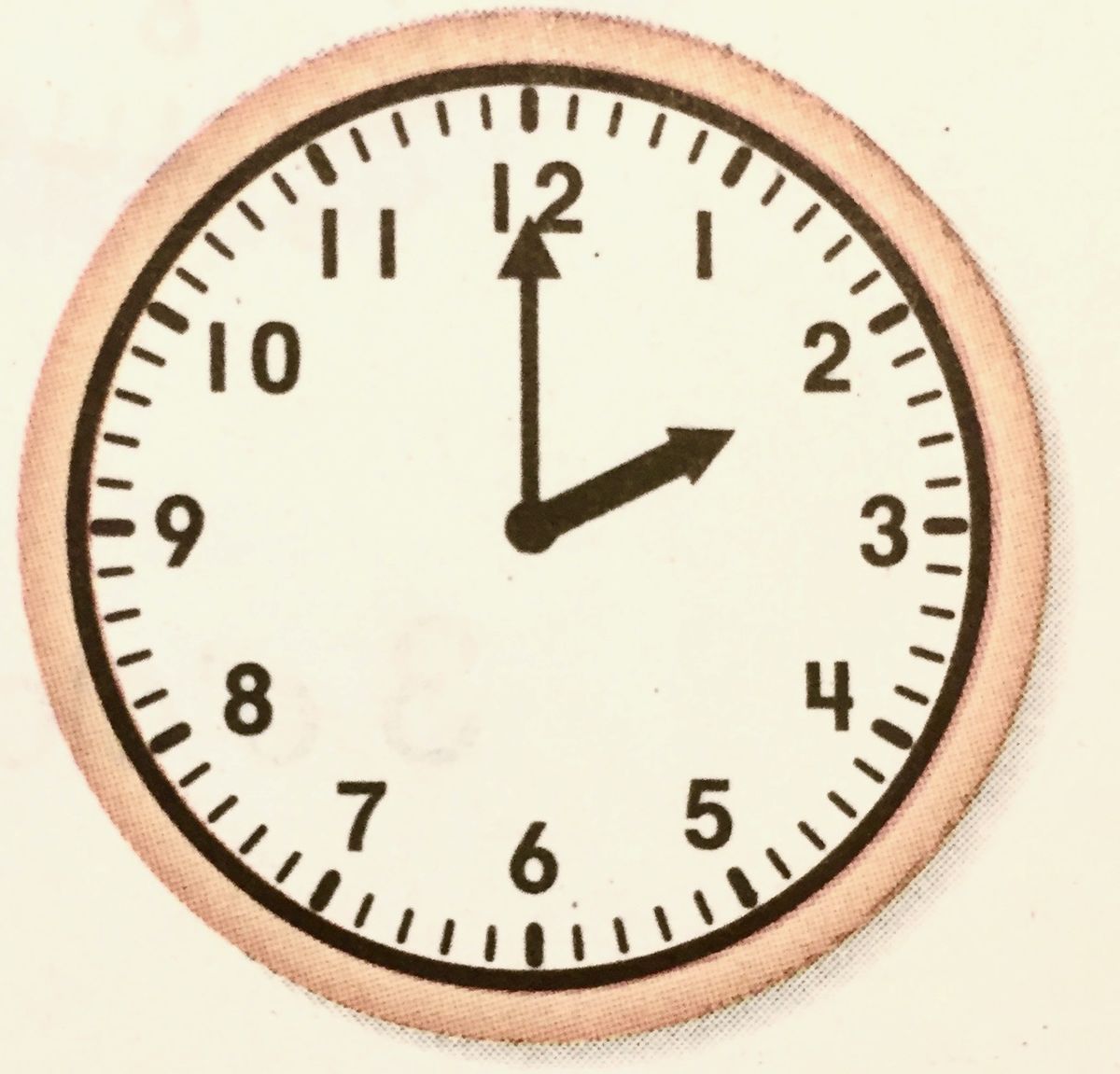
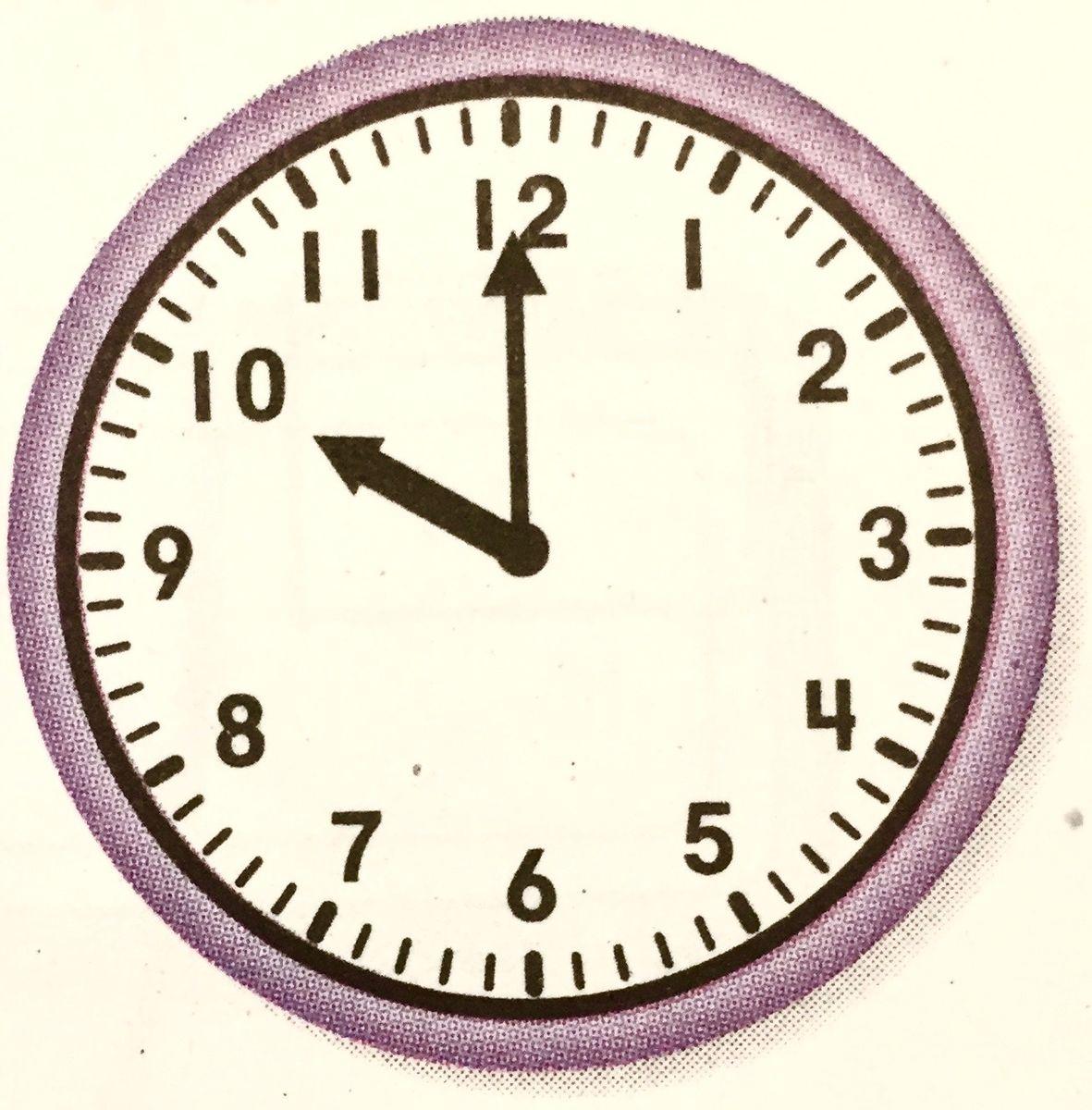


 Time-Telling Quiz: Half Past the Hour Name: ______________________ Date: ______________ What does "half past" specifically mean on an analog clock? A) 15 minutes have passed B) 30 minutes have passed C) 45 minutes have passed D) The hour has just begun When the minute hand points to 6, what position represents "half past"? A) The start of the hour B) Exactly halfway through the hour C) The end of the hour D) A quarter of the way through the hour If the hour hand is between 4 and 5, and the minute hand is on 6, what time is it? A) 4:15 B) 4:45 C) 4:30 D) 5:00 Which statement best describes how the hour hand moves? A) It moves quickly between numbers B) It moves slowly between numbers C) It stays in one place all the time D) It moves only at the top of each hour How many minutes are in a complete circle on a clock? A) 12 minutes B) 24 minutes C) 60 minutes D) 30 minutes When reading an analog clock for "half past", which hand should you look at first? A) The hour hand B) The second hand C) The minute hand D) The decorative hand What is the most important position of the minute hand when identifying "half past"? A) Pointing to 3 B) Pointing to 12 C) Pointing to 6 D) Pointing to 9 If a clock shows half past 7, how would this be written numerically? A) 7:15 B) 7:45 C) 7:30 D) 8:00 Which of the following is TRUE about clock hands? A) The shorter hand always shows minutes B) The longer hand always shows hours C) The longer hand shows minutes, the shorter hand shows hours D) Both hands move at exactly the same speed What is the primary challenge when learning to read "half past" times? A) Remembering the minute hand must be on 6 B) Counting all the numbers on the clock C) Understanding what an hour is D) Knowing the difference between AM and PM Answer Key: B B C B C C C C C ATelling Time on an Analog ClockCommon On-Chip Peripherals: Serial Communication Interfaces: UART (Universal Asynchronous Receiver/Transmitter): Enables serial communication for data transmission and reception. SPI (Serial Peripheral Interface): Facilitates fast, synchronous serial communication with external devices. I2C (Inter-Integrated Circuit): Another common protocol for serial communication, often used for connecting sensors and other peripherals. Timers and Counters: General Purpose Timers: Used for generating precise time delays and measuring intervals. Real-Time Clock (RTC): Keeps track of time even when the DSP is in a low-power state. Watchdog Timer: Monitors the DSP's operation and resets it if it detects a fault. Interrupt Controllers: Interrupts: Allow peripherals to signal the DSP when an event occurs, enabling efficient and responsive system operation. Memory Management: DMA (Direct Memory Access): Enables data transfer between memory and peripherals without CPU intervention, improving efficiency. On-Chip Memory: Includes RAM, ROM, and flash memory for storing data and code. Audio/Video Interfaces: DAC (Digital-to-Analog Converter): Converts digital signals to analog signals for audio output. ADC (Analog-to-Digital Converter): Converts analog signals to digital signals for processing. I/O Ports: GPIO (General Purpose Input/Output): Provides flexible control over external devices. Ethernet MAC (Media Access Controller): Enables network connectivity. Other Peripherals: LCD Controller: For displaying information on LCD screens. USB Interface: For connecting to USB devices. CAN (Controller Area Network): For communication in automotive and industrial applications. Analog clocks, telling time) tell time to the hour and half hour using analog and digital clocksMath objective 1.MD.3 Tell time in hours and half-hours using analog and digital clocksAnalog to Digital Conversion - Starter QuizAnalog Multiplier using opamps