Loading...


B11 Control of blood-glucose concentration
Quiz by Mr R Horn
Tag the questions with any skills you have. Your dashboard will track each student's mastery of each skill.
Which key term means ‘a chemical messenger that travels in the bloodstream’?
Which key term means ‘controlling the body’s internal environment’?
What is an organ system?
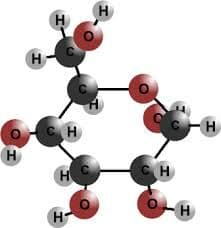
What type of biological molecules is glucose?
Which key term means ‘a chemical messenger that travels in the bloodstream’?
Name the organ system that produces hormones?
Which key term means ‘controlling the body’s internal environment’?
Which parts of the body are MOST likely to be damaged by long-term high blood-glucose concentration (hyperglycaemia)?
Which structure constantly monitors the concentration of glucose in the blood?
Which gland releases insulin (when the blood-glucose concentration is high)?
True of false. People with diabetes need to carefully control how much carbohydrate they eat.
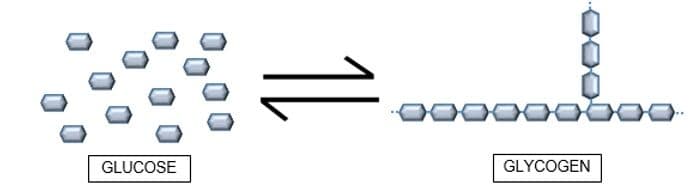
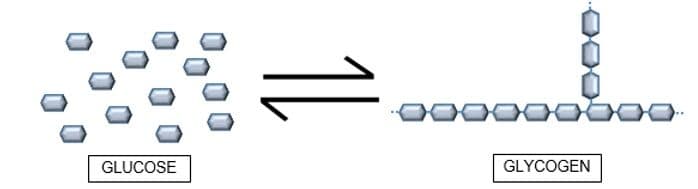
Name the carbohydrate that animals use as an energy store

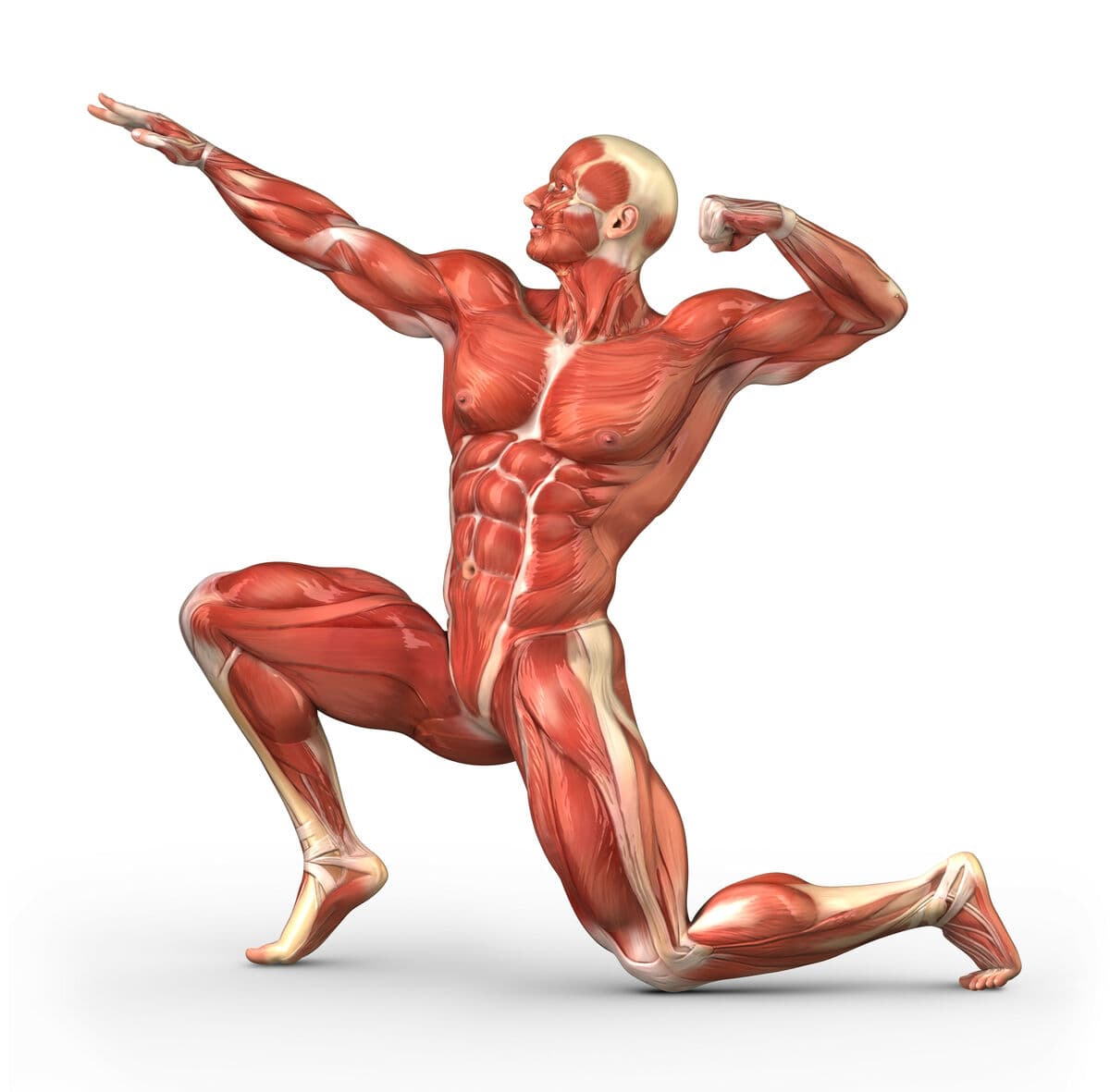
Where in the body is glycogen stored?
Name the carbohydrate that animals use as an energy store
True of False? Insulin causes the liver and muscles to convert glycogen into glucose
Which form of diabetes is caused when cells in the pancreas (which should make insulin) die?
Which form of diabetes usually starts in young children?
Which form of diabetes is caused when the body cells stop responding to insulin?
Which form of diabetes is more common in people who are very overweight?
Which form of diabetes may be reversed in some people, by exercise and weight loss?
Which form of diabetes may be cured in the future with stem cells?
(Higher Tier) Which hormone is released when the blood-glucose concentration is too low?
(Higher Tier) How does glucagon help to increase the blood-glucose concentration?
Why can't insulin be taken as a tablet/pill (instead of having to inject it)?
