Loading...


Cience Exam Third Grade #2
Quiz by Lisandra Rivera
Tag the questions with any skills you have. Your dashboard will track each student's mastery of each skill.
A change that occurs when a gas becomes a solid without passing through liquid state.
In a mixture what is a solvent?
Is the substance that dissolves:
Which of the following describes reversible changes?
What are irreversible changes?
What happens during expansion?
What does contraction mean?
What is oxidation?
What is fermentation?
What does the term combustion refer to?
Organisms that can only be seen under a microscope.
What does temperature measure?
What is the definition of sawdust
Which instrument is used to measure the temperature of the air?
What is the boiling point of a liquid?
Fill the blanks
Complete the table, select the thermometer that best suits each situation.
Which of the following is an example of a reversible change?
What do microscopic organisms do in the process of fermentation?
Choose the definition that corresponds to expansion.
Which statement describes a homogeneous mixture?
What is solidification?
What happens during contraction?
Which thermometer is used to measure liquids and gases?
What is a clinical thermometer used for?
What describes heterogeneous mixtures?
What is evaporation?
What happens during condensation?
What is fusion?
What causes the physical change in a fusion?
What is solidification?
Snow is an example of reverse sublimation.
The Celcius scale and the Ferenheit scale are used in Puerto Rico.
Combustion is a chemical change.
When wood burns, a physical change occurs.
Write the state of matter: 1. condensation 2. fusion 3. evaporation 4. solidification

Write the state of matter: 1. condensation 2. fusion 3. evaporation 4. solidification
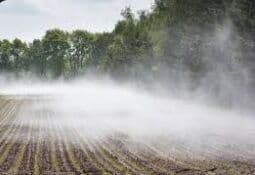
Write the state of matter: 1. condensation 2. fusion 3. evaporation 4. solidification
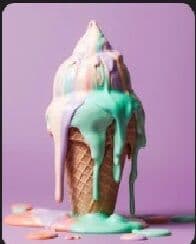
Write the state of matter: 1. condensation 2. fusion 3. evaporation 4. solidification
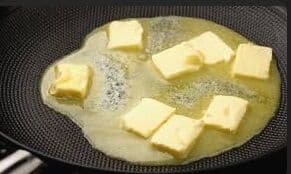
Write the state of matter: 1. condensation 2. fusion 3. evaporation 4. solidification

Write the state of matter: 1. condensation 2. fusion 3. evaporation 4. solidification
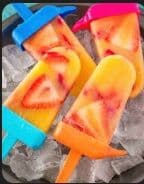
Write the state of matter: 1. condensation 2. fusion 3. evaporation 4. solidification
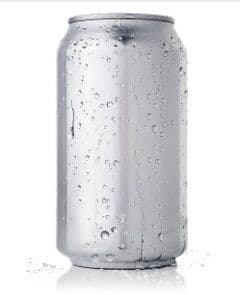
Write the state of matter: 1. condensation 2. fusion 3. evaporation 4. solidification
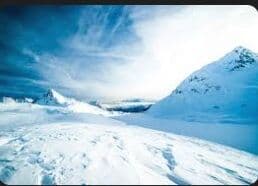
Write the state of matter: 1. condensation 2. fusion 3. evaporation 4. solidification
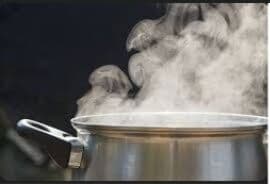
Write the state of matter: 1. condensation 2. fusion 3. evaporation 4. solidification
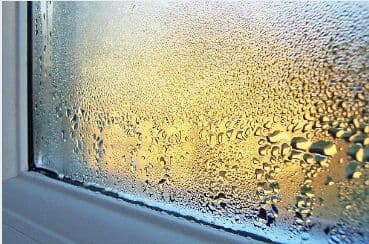
Write the state of matter: 1. condensation 2. fusion 3. evaporation 4. solidification
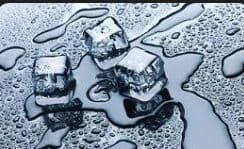
Write the state of matter: 1. condensation 2. fusion 3. evaporation 4. solidification

Write the state of matter: 1. condensation 2. fusion 3. evaporation 4. solidification
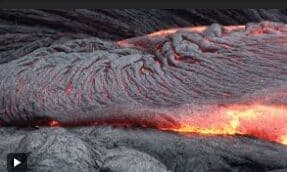
Write the state of matter: 1. condensation 2. fusion 3. evaporation 4. solidification

Write the state of matter: 1. condensation 2. fusion 3. evaporation 4. solidification

Write the state of matter: 1. condensation 2. fusion 3. evaporation 4. solidification
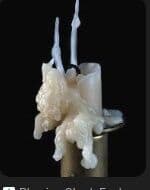
Write the state of matter: 1. condensation 2. fusion 3. evaporation 4. solidification

Write the state of matter: 1. condensation 2. fusion 3. evaporation 4. solidification

Write 2 heterogenous mixtures
Write 2 homogeneous mixtures
Identify heterogeneous or homogenous mixture
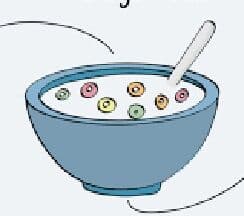
Identify heterogeneous or homogenous mixture
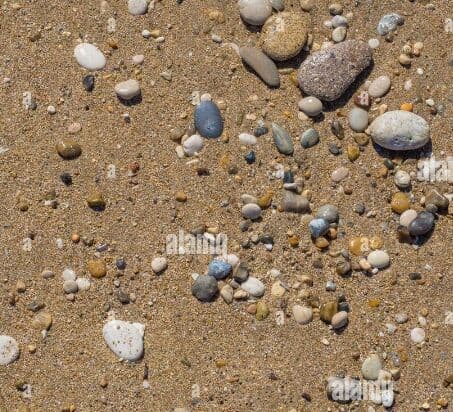
Identify heterogeneous or homogenous mixture
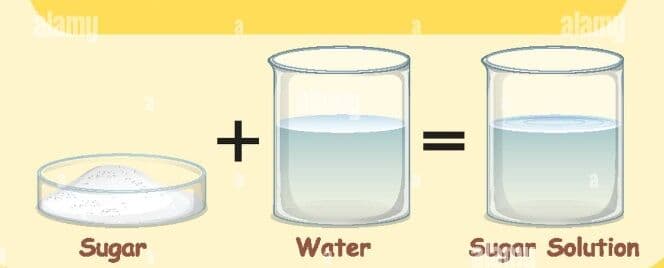
Identify heterogeneous or homogenous mixture
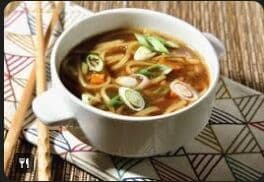
Identify heterogeneous or homogenous mixture
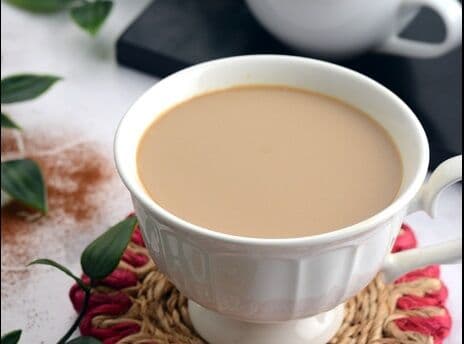
Identify heterogeneous or homogenous mixture

Identify heterogeneous or homogenous mixture
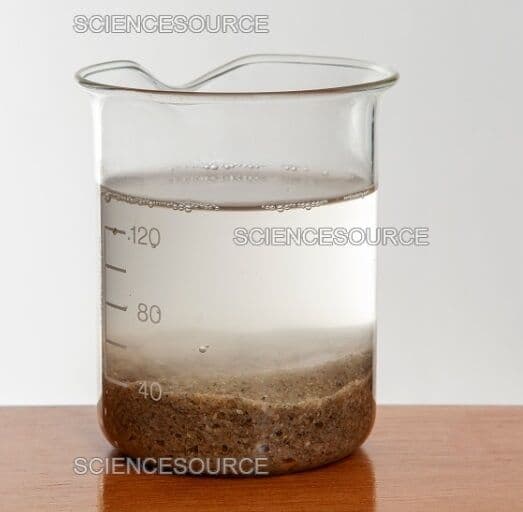
Identify heterogeneous or homogenous mixture

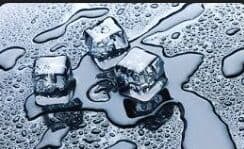
Classify as reversible (R) and Irreversible (I): Melted Ice
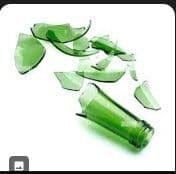
Classify as reversible (R) and Irreversible (I): Broken Glass Bottle
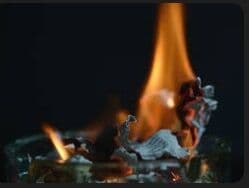
Classify as reversible (R) and Irreversible (I): paper burning
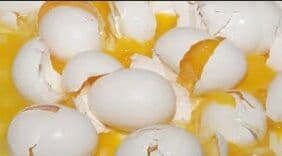
Classify as reversible (R) and Irreversible (I): Broken egg
Classify as reversible (R) and Irreversible (I): Bent Paper

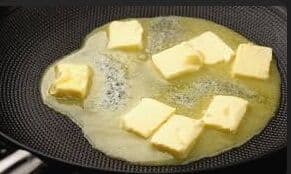
Classify as reversible (R) and Irreversible (I): When butter melts
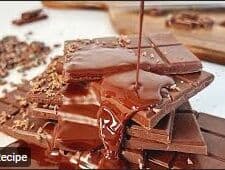
Classify as reversible (R) and Irreversible (I): melted chocolate
Complete the table, select the chemical change that best suits each situation.
Identify if it is a physical or a chemical change