Loading...

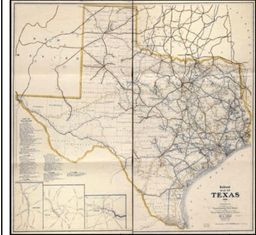
Economic Development and Urbanization in Texas
Quiz by Rebecca B
Customize this quiz to suit your class
Instantly translate to 100+ languages
Track each student's skills and progress in your Mastery dashboards
Give this quiz to my class
What was the New Deal?
A new law that created jobs paid for by the government.
A plan to build more schools.
A new law to protect Native Americans.
A new type of train.
What caused the west to grow quickly during World War II?
The building of military bases and shipbuilding factories.
The discovery of gold.
The construction of new schools.
The development of new farms and ranches.
What was the New Deal?
What caused the west to grow quickly during World War II?
What was the purpose of the Pacific Railroad Act signed in 1862?
Where did the Central Pacific and Union Pacific railroads meet?
What was Washita Massacre?
What was the name of the first oil well drilled in Texas?
What happened in 1901 that changed Texas forever?
What is one way oil can hurt the environment?
How many years did the Great Depression last?
In the Great Depression jobs were so hard to come by that often people were hired based on their good looks.
The need to build weapons for World War II helped the United States get out of the Great Depression.
The building of railroads in Texas had no impact on transportation needs in Texas.
Who invented the telegraph?
What does Texas raise more of than any other state?
What amount of money did the stock market crash to start the fall, starting the Great Depression?
25% of Americans did not have jobs during the Great Depression.
The Dust Bowl sometimes was referred to as what?
What event led to the end of the Great Depression due to new jobs in factories?
a e e h d l w t e n
Place the events in order:
 Remembering the AlamoCelebration of What I Know! Texas RevolutionThe Cattle Industry in TEXAS 4BCoches y BicicletasPeople of Southeast Asia By the late 20th century, Southeast Asia’s population (including Indonesia and the Philippines) was approaching a half billion, or about one-twelfth of the world’s total. This population, however, was unevenly distributed within the region. By far the nation with the largest population was Indonesia, with about two-fifths of the regional total; in contrast, Brunei’s population was only a tiny fraction of that. Nearly half of the regional population was accounted for by the mainland states, with Vietnam and Thailand being the most populous. Settlement patterns Southeast Asia is predominantly rural: three-fourths of the people live in nonurban areas. Moreover, population is heavily clustered in fertile river valleys and especially in delta areas, such as those of the Mekong and Irrawaddy rivers. Historical, cultural, and environmental influences also have affected the settlement patterns. Java and other core areas such as the Bangkok (Thailand), Hanoi, and Manila metropolitan areas contain high population densities. While the rate of urbanization in Southeast Asia is relatively low compared with those of other developing regions, it is increasing rapidly. Singapore is unique in that it is essentially totally urban. In addition, the Philippines has a much higher than average level of urbanization, in part because of its Spanish and American colonial history. The largest cities—Jakarta (Indonesia), Bangkok, and Manila—are among the world’s most populous. The growth of cities of all sizes is being fueled primarily by natural increase, but rural-urban migration also is a significant contributor. Rural dwellers continue to be attracted by the promise of employment and other opportunities, but for many migrants the informal (undocumented) economic sector in these large cities is the only hope for some form of employment. Settlement patterns in rural areas tend to be associated with agricultural practices. Shifting cultivation is still common in some parts of the region (notably the remote interior areas of Myanmar, Vietnam, and the island of Borneo), although the amount of land so utilized is gradually shrinking. The village is the unit of settlement and often functions collectively, and typically it is moved from time to time. By contrast, wet-rice cultivation, the dominant form of agriculture in Southeast Asia, is sedentary and results in relatively large rural agglomerations with well-developed village life and customs. Dry and upland farming often produces scattered homesteads. Population resettlement to provide agricultural employment and access to land is important in some Southeast Asian countries, notably Indonesia, Malaysia, and Vietnam. By far the largest program has been conducted in Indonesia, where more than four million people have been voluntarily resettled from Java and Bali to the less populated islands. Despite considerable success, the program has been plagued by such problems as improper site selection, environmental deterioration, migrant adjustment, land conflicts, and inadequate financing. A program in Malaysia also has been quite successful, in part because it has set much smaller resettlement targets and has been better funded. Vietnamese development policy also has utilized the resettlement of people in an effort to revitalize areas outside the major population centres.Key Word Definition
Aid Assistance in the form of grants or loans at below market rates. For example, the UK provided aid to Nepal after the 2015 earthquake to help with reconstruction efforts.
Barriers to Trade Government constraints on the flow of international goods and services, such as tariffs and quotas. For example, the European Union imposes tariffs on certain agricultural products to protect its farmers.
BRICS An acronym for an association of five major emerging nations: Brazil, Russia, India, China, and South Africa. For example, BRICS nations often meet to discuss economic cooperation and development strategies.
Demographic Aging The rise in the median age of a population. For example, Japan is experiencing demographic aging, with a significant increase in the elderly population.
Economic Core Region The most highly developed region(s) in a country. For example, London is considered an economic core region in the UK due to its high level of development and economic activity.
GNP (Gross National Product) GDP plus overseas earnings, also known as GNI (Gross National Income). For example, the GNP of the United States includes the value of goods and services produced domestically and the income earned by its citizens abroad.
HIC (Higher Income Country) A country with a high level of income and development. For example, Germany is classified as a higher income country due to its high GDP per capita and advanced infrastructure.
NEE (Newly Emerging Economy) A country that is experiencing rapid economic growth and industrialisation. For example, China is an example of a newly emerging economy, having rapidly industrialised and grown economically over the past few decades.
LIC (Lower Income Country) A country with a low level of income and development. For example, Malawi is considered a lower income country, with a low GDP per capita and limited access to healthcare and education.
GDHI (Gross Disposable Household Income) The amount of money that households have available for spending and saving after taxes and social contributions. For example, in the UK, the GDHI varies significantly between regions, with London having one of the highest levels.
Gini Coefficient A measure of income inequality within a population, ranging from 0 (perfect equality) to 100 (perfect inequality). For example, South Africa has a high Gini coefficient, indicating significant income inequality within the country.
Trade Unions Organisations that promote trade between member countries, such as the East African Community (EAC). For example, the East African Community (EAC) works to promote economic integration and trade among its member states.
Fair Trade A movement aimed at helping producers in developing countries achieve better trading conditions and promote sustainability. For example, Fairtrade coffee ensures that farmers receive a fair price for their product and work under safe conditions.
FDI (Foreign Direct Investment) Investment made by a company or individual in one country in business interests in another country. For example, Toyota's investment in manufacturing plants in the UK is an example of foreign direct investment.
Debt Relief The partial or total remission of debts, especially those owed by developing countries to external creditors. For example, the Heavily Indebted Poor Countries (HIPC) initiative provides debt relief to eligible countries to help them achieve sustainable development.
International Aid Voluntary transfer of resources from one country to another, often in the form of financial assistance, goods, or services. For example, the UK provides international aid to various countries through its Department for International Development (DFID).
Top-Down Development Large-scale development projects led by national governments or international organisations. For example, the construction of the Three Gorges Dam in China is an example of a top-down development project.
Bottom-Up Development Small-scale development projects led by local communities or NGOs, focusing on the needs of the poorest and most vulnerable. For example, WaterAid's installation of hand pumps in rural villages in Africa is an example of a bottom-up development project.
Urbanisation The increase in the proportion of people living in urban areas compared to rural areas. For example, rapid urbanisation in India has led to the growth of megacities like Mumbai and Delhi.
Geopolitics The study of the effects of geography (human and physical) on international politics and relations. For example, the geopolitics of the Arctic region involves disputes over territorial claims and access to natural resources.
Quality of Life The general well-being of individuals and societies, outlining negative and positive features of life. For example, Scandinavian countries are often ranked high in quality of life due to their strong social welfare systems and high levels of happiness.
Poverty Cycle A set of factors or events by which poverty, once started, is likely to continue unless there is outside intervention. For example, lack of education and healthcare can trap families in a poverty cycle, making it difficult for future generations to improve their living standards.
Sustainable Development Economic development that is conducted without depletion of natural resources. For example, the use of renewable energy sources like wind and solar power is a key aspect of sustainable development.
Humanitarian Aid Material or logistical assistance provided for humanitarian purposes, typically in response to crises including natural disasters and man-made disaster. For example, humanitarian aid was provided to Haiti after the devastating earthquake in 2010 to help with immediate relief efforts.
Economic Growth An increase in the production of goods and services in an economy over a period of time. For example, China's economic growth over the past few decades has lifted millions of people out of poverty.
Social Indicators Measures that describe the well-being of individuals or communities, such as health, education, and income. For example, life expectancy and literacy rates are common social indicators used to assess development.
Environmental Sustainability Responsible interaction with the environment to avoid depletion or degradation of natural resources and allow for long-term environmental quality. For example, practices like recycling and conservation of natural habitats contribute to environmental sustainability.
Infrastructure The basic physical and organisational structures and facilities needed for the operation of a society or enterprise. For example, good infrastructure, such as roads, bridges, and schools, is essential for economic development.
Globalisation The process by which businesses or other organisations develop international influence or start operating on an international scale. For example, the globalisation of technology companies like Apple and Google has led to their products being available worldwide.
Microfinance Financial services provided to low-income individuals or groups who are typically excluded from traditional banking. For example, microfinance institutions like Grameen Bank provide small loans to entrepreneurs in developing countries to help them start or expand their businesses.
Studying population involves examining various aspects of the demographic composition, dynamics, and characteristics of a group of individuals within a specific geographic area. Here are key areas to explore when studying population: Demography: Population Size: Analyze the total number of individuals in a given area or community. Population Distribution: Examine how the population is spread across different regions or areas. Population Density: Explore the concentration of people in a particular area relative to the size of that area. Population Growth and Decline: Birth Rate: Study the number of live births per 1,000 people in a given year. Death Rate: Examine the number of deaths per 1,000 people in a given year. Migration: Explore patterns of people moving into and out of a specific area. Age Structure: Age Distribution: Analyze the distribution of individuals across different age groups in a population. Dependency Ratio: Examine the ratio of dependent individuals (young and elderly) to the working-age population. Gender Composition: Sex Ratio: Study the ratio of males to females in a population. Population Pyramids: Use population pyramids to visualize the age and gender structure of a population. Fertility and Family Planning: Total Fertility Rate (TFR): Explore the average number of children a woman is expected to have during her reproductive years. Contraceptive Use: Analyze the prevalence of contraceptive methods in a population. Mortality and Health: Life Expectancy: Examine the average number of years a person can expect to live. Infant and Child Mortality: Study the number of deaths among infants and children under the age of five. Urbanization: Urban vs. Rural Population: Analyze the distribution of people in urban and rural areas. Rate of Urbanization: Explore the speed at which people are moving from rural to urban areas. Education: Literacy Rates: Examine the percentage of the population that can read and write. Educational Attainment: Study the level of education achieved by individuals within the population. Socioeconomic Factors: Income Distribution: Explore the distribution of income among the population. Employment Rates: Analyze the percentage of the working-age population that is employed. Cultural and Ethnic Composition: Ethnic Diversity: Examine the presence of various ethnic groups within the population. Healthcare and Quality of Life: Access to Healthcare: Study the availability and accessibility of healthcare services. Quality of Life Indicators: Explore factors such as housing, sanitation, and overall living conditions. Population Policies and Government Interventions: Study the impact of government policies on population dynamics, including family planning programs and immigration policies. Environmental Impact: Explore the relationship between population growth and its impact on the environment, including resource consumption and pollution. Global Population Trends: Examine global population trends and their implications, including aging populations and population growth in developing countries. Studying population involves a multidisciplinary approach that incorporates elements from demography, sociology, geography, economics, and public health. Researchers and policymakers use this information to make informed decisions about resource allocation, development planning, and social policies.: Economic Development and Quality of Life, Factors of economic development, Groups and organizations that work to improve quality of life, Effect of media in improving the quality of life, Various factors have affected the economies of specific developed and developing countries
Remembering the AlamoCelebration of What I Know! Texas RevolutionThe Cattle Industry in TEXAS 4BCoches y BicicletasPeople of Southeast Asia By the late 20th century, Southeast Asia’s population (including Indonesia and the Philippines) was approaching a half billion, or about one-twelfth of the world’s total. This population, however, was unevenly distributed within the region. By far the nation with the largest population was Indonesia, with about two-fifths of the regional total; in contrast, Brunei’s population was only a tiny fraction of that. Nearly half of the regional population was accounted for by the mainland states, with Vietnam and Thailand being the most populous. Settlement patterns Southeast Asia is predominantly rural: three-fourths of the people live in nonurban areas. Moreover, population is heavily clustered in fertile river valleys and especially in delta areas, such as those of the Mekong and Irrawaddy rivers. Historical, cultural, and environmental influences also have affected the settlement patterns. Java and other core areas such as the Bangkok (Thailand), Hanoi, and Manila metropolitan areas contain high population densities. While the rate of urbanization in Southeast Asia is relatively low compared with those of other developing regions, it is increasing rapidly. Singapore is unique in that it is essentially totally urban. In addition, the Philippines has a much higher than average level of urbanization, in part because of its Spanish and American colonial history. The largest cities—Jakarta (Indonesia), Bangkok, and Manila—are among the world’s most populous. The growth of cities of all sizes is being fueled primarily by natural increase, but rural-urban migration also is a significant contributor. Rural dwellers continue to be attracted by the promise of employment and other opportunities, but for many migrants the informal (undocumented) economic sector in these large cities is the only hope for some form of employment. Settlement patterns in rural areas tend to be associated with agricultural practices. Shifting cultivation is still common in some parts of the region (notably the remote interior areas of Myanmar, Vietnam, and the island of Borneo), although the amount of land so utilized is gradually shrinking. The village is the unit of settlement and often functions collectively, and typically it is moved from time to time. By contrast, wet-rice cultivation, the dominant form of agriculture in Southeast Asia, is sedentary and results in relatively large rural agglomerations with well-developed village life and customs. Dry and upland farming often produces scattered homesteads. Population resettlement to provide agricultural employment and access to land is important in some Southeast Asian countries, notably Indonesia, Malaysia, and Vietnam. By far the largest program has been conducted in Indonesia, where more than four million people have been voluntarily resettled from Java and Bali to the less populated islands. Despite considerable success, the program has been plagued by such problems as improper site selection, environmental deterioration, migrant adjustment, land conflicts, and inadequate financing. A program in Malaysia also has been quite successful, in part because it has set much smaller resettlement targets and has been better funded. Vietnamese development policy also has utilized the resettlement of people in an effort to revitalize areas outside the major population centres.Key Word Definition
Aid Assistance in the form of grants or loans at below market rates. For example, the UK provided aid to Nepal after the 2015 earthquake to help with reconstruction efforts.
Barriers to Trade Government constraints on the flow of international goods and services, such as tariffs and quotas. For example, the European Union imposes tariffs on certain agricultural products to protect its farmers.
BRICS An acronym for an association of five major emerging nations: Brazil, Russia, India, China, and South Africa. For example, BRICS nations often meet to discuss economic cooperation and development strategies.
Demographic Aging The rise in the median age of a population. For example, Japan is experiencing demographic aging, with a significant increase in the elderly population.
Economic Core Region The most highly developed region(s) in a country. For example, London is considered an economic core region in the UK due to its high level of development and economic activity.
GNP (Gross National Product) GDP plus overseas earnings, also known as GNI (Gross National Income). For example, the GNP of the United States includes the value of goods and services produced domestically and the income earned by its citizens abroad.
HIC (Higher Income Country) A country with a high level of income and development. For example, Germany is classified as a higher income country due to its high GDP per capita and advanced infrastructure.
NEE (Newly Emerging Economy) A country that is experiencing rapid economic growth and industrialisation. For example, China is an example of a newly emerging economy, having rapidly industrialised and grown economically over the past few decades.
LIC (Lower Income Country) A country with a low level of income and development. For example, Malawi is considered a lower income country, with a low GDP per capita and limited access to healthcare and education.
GDHI (Gross Disposable Household Income) The amount of money that households have available for spending and saving after taxes and social contributions. For example, in the UK, the GDHI varies significantly between regions, with London having one of the highest levels.
Gini Coefficient A measure of income inequality within a population, ranging from 0 (perfect equality) to 100 (perfect inequality). For example, South Africa has a high Gini coefficient, indicating significant income inequality within the country.
Trade Unions Organisations that promote trade between member countries, such as the East African Community (EAC). For example, the East African Community (EAC) works to promote economic integration and trade among its member states.
Fair Trade A movement aimed at helping producers in developing countries achieve better trading conditions and promote sustainability. For example, Fairtrade coffee ensures that farmers receive a fair price for their product and work under safe conditions.
FDI (Foreign Direct Investment) Investment made by a company or individual in one country in business interests in another country. For example, Toyota's investment in manufacturing plants in the UK is an example of foreign direct investment.
Debt Relief The partial or total remission of debts, especially those owed by developing countries to external creditors. For example, the Heavily Indebted Poor Countries (HIPC) initiative provides debt relief to eligible countries to help them achieve sustainable development.
International Aid Voluntary transfer of resources from one country to another, often in the form of financial assistance, goods, or services. For example, the UK provides international aid to various countries through its Department for International Development (DFID).
Top-Down Development Large-scale development projects led by national governments or international organisations. For example, the construction of the Three Gorges Dam in China is an example of a top-down development project.
Bottom-Up Development Small-scale development projects led by local communities or NGOs, focusing on the needs of the poorest and most vulnerable. For example, WaterAid's installation of hand pumps in rural villages in Africa is an example of a bottom-up development project.
Urbanisation The increase in the proportion of people living in urban areas compared to rural areas. For example, rapid urbanisation in India has led to the growth of megacities like Mumbai and Delhi.
Geopolitics The study of the effects of geography (human and physical) on international politics and relations. For example, the geopolitics of the Arctic region involves disputes over territorial claims and access to natural resources.
Quality of Life The general well-being of individuals and societies, outlining negative and positive features of life. For example, Scandinavian countries are often ranked high in quality of life due to their strong social welfare systems and high levels of happiness.
Poverty Cycle A set of factors or events by which poverty, once started, is likely to continue unless there is outside intervention. For example, lack of education and healthcare can trap families in a poverty cycle, making it difficult for future generations to improve their living standards.
Sustainable Development Economic development that is conducted without depletion of natural resources. For example, the use of renewable energy sources like wind and solar power is a key aspect of sustainable development.
Humanitarian Aid Material or logistical assistance provided for humanitarian purposes, typically in response to crises including natural disasters and man-made disaster. For example, humanitarian aid was provided to Haiti after the devastating earthquake in 2010 to help with immediate relief efforts.
Economic Growth An increase in the production of goods and services in an economy over a period of time. For example, China's economic growth over the past few decades has lifted millions of people out of poverty.
Social Indicators Measures that describe the well-being of individuals or communities, such as health, education, and income. For example, life expectancy and literacy rates are common social indicators used to assess development.
Environmental Sustainability Responsible interaction with the environment to avoid depletion or degradation of natural resources and allow for long-term environmental quality. For example, practices like recycling and conservation of natural habitats contribute to environmental sustainability.
Infrastructure The basic physical and organisational structures and facilities needed for the operation of a society or enterprise. For example, good infrastructure, such as roads, bridges, and schools, is essential for economic development.
Globalisation The process by which businesses or other organisations develop international influence or start operating on an international scale. For example, the globalisation of technology companies like Apple and Google has led to their products being available worldwide.
Microfinance Financial services provided to low-income individuals or groups who are typically excluded from traditional banking. For example, microfinance institutions like Grameen Bank provide small loans to entrepreneurs in developing countries to help them start or expand their businesses.
Studying population involves examining various aspects of the demographic composition, dynamics, and characteristics of a group of individuals within a specific geographic area. Here are key areas to explore when studying population: Demography: Population Size: Analyze the total number of individuals in a given area or community. Population Distribution: Examine how the population is spread across different regions or areas. Population Density: Explore the concentration of people in a particular area relative to the size of that area. Population Growth and Decline: Birth Rate: Study the number of live births per 1,000 people in a given year. Death Rate: Examine the number of deaths per 1,000 people in a given year. Migration: Explore patterns of people moving into and out of a specific area. Age Structure: Age Distribution: Analyze the distribution of individuals across different age groups in a population. Dependency Ratio: Examine the ratio of dependent individuals (young and elderly) to the working-age population. Gender Composition: Sex Ratio: Study the ratio of males to females in a population. Population Pyramids: Use population pyramids to visualize the age and gender structure of a population. Fertility and Family Planning: Total Fertility Rate (TFR): Explore the average number of children a woman is expected to have during her reproductive years. Contraceptive Use: Analyze the prevalence of contraceptive methods in a population. Mortality and Health: Life Expectancy: Examine the average number of years a person can expect to live. Infant and Child Mortality: Study the number of deaths among infants and children under the age of five. Urbanization: Urban vs. Rural Population: Analyze the distribution of people in urban and rural areas. Rate of Urbanization: Explore the speed at which people are moving from rural to urban areas. Education: Literacy Rates: Examine the percentage of the population that can read and write. Educational Attainment: Study the level of education achieved by individuals within the population. Socioeconomic Factors: Income Distribution: Explore the distribution of income among the population. Employment Rates: Analyze the percentage of the working-age population that is employed. Cultural and Ethnic Composition: Ethnic Diversity: Examine the presence of various ethnic groups within the population. Healthcare and Quality of Life: Access to Healthcare: Study the availability and accessibility of healthcare services. Quality of Life Indicators: Explore factors such as housing, sanitation, and overall living conditions. Population Policies and Government Interventions: Study the impact of government policies on population dynamics, including family planning programs and immigration policies. Environmental Impact: Explore the relationship between population growth and its impact on the environment, including resource consumption and pollution. Global Population Trends: Examine global population trends and their implications, including aging populations and population growth in developing countries. Studying population involves a multidisciplinary approach that incorporates elements from demography, sociology, geography, economics, and public health. Researchers and policymakers use this information to make informed decisions about resource allocation, development planning, and social policies.: Economic Development and Quality of Life, Factors of economic development, Groups and organizations that work to improve quality of life, Effect of media in improving the quality of life, Various factors have affected the economies of specific developed and developing countries