Loading...


Energy Lesson 6 Quizalize Test Prep
Quiz by Heather Reeve
Customize this quiz to suit your class
Instantly translate to 100+ languages
Tag the questions with any skills you have. Your dashboard will track each student's mastery of each skill.
Give this quiz to my class






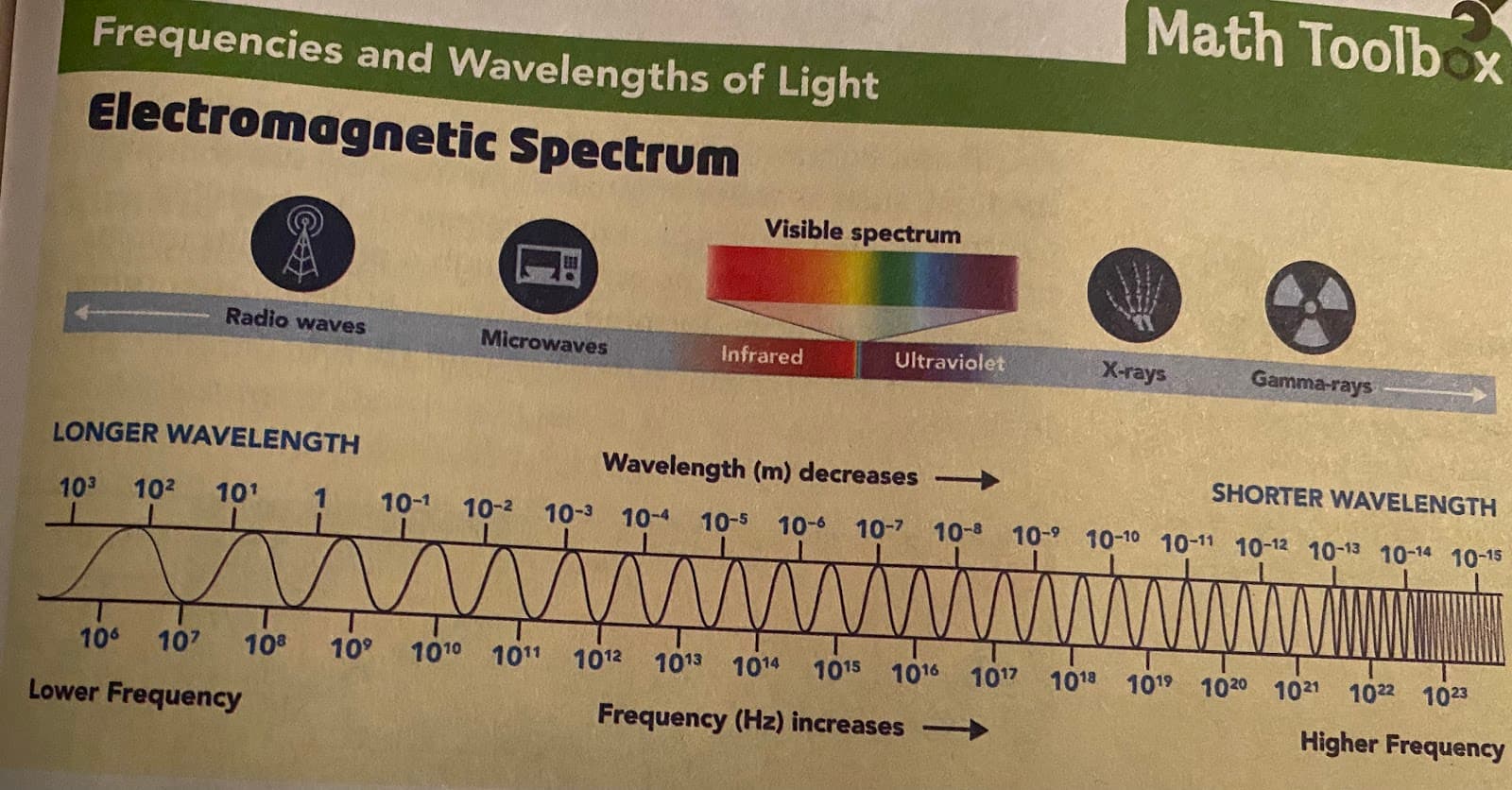

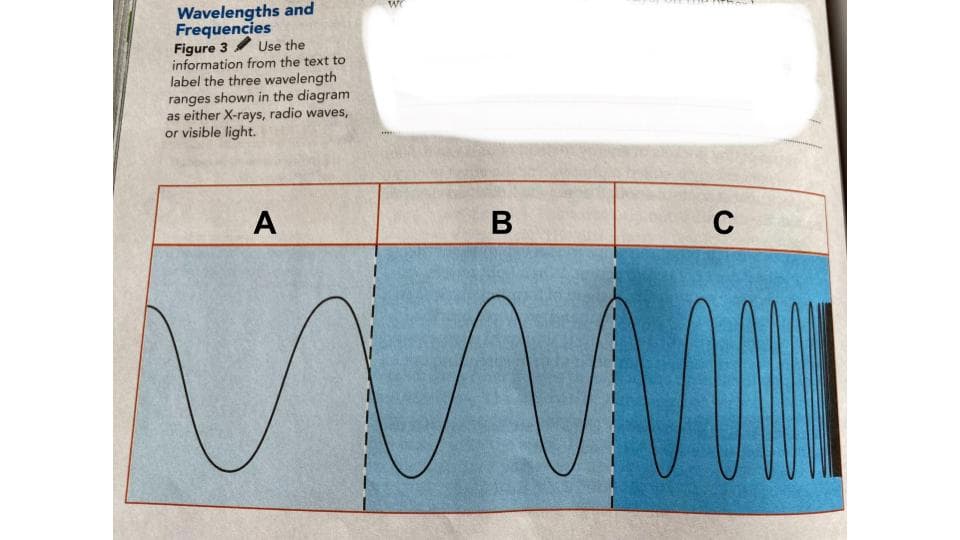

 GRADE 4 Module 6 Lesson 3. Interpret Remainders This PowerPoint file contains instructional aids for teachers who have purchased Into Math. It is intended to be projected to students and used in conjunction with the Student Edition and manipulatives as needed. These slides can be used to move the conversation forward in the classroom, but they should not serve as a replacement for student-centered, collaborative conversations in which students have the space they need to find an entry point, construct meaning, and build understanding. About the Slide Presentation Presenter View: Use the Presenter view to see notes while presenting. Customization: Add or delete content or notes to get the best learning experience for your classroom. 1 Problem of the Day. Which equations can be used to solve the following problem? Rita makes 40 bracelets and gives an equal number to 8 friends, including Veronica. Veronica gives 2 of the bracelets that she received to her sister. How many bracelets does Veronica have left? A. 40 – 8 = 32 32 ÷ 2 = 16 B. 40 ÷ 8 = 5 5 + 2 = 7 C. 8 + 2 = 10 40 ÷ 10 = 4 D. 40 ÷ 8 = 5 5 – 2 = 3 2 I Can. I Can solve a division problem and interpret the remainder in the context of the problem. 3 Spark Your Learning. Aiden is building solar toy cars in his science club. The cars collect and use energy from the sun for power. Aiden buys 18 wheels. Each car needs 4 wheels. How many cars can Aiden build? Show your thinking. 4 Turn and Talk. What is the remainder in this problem? What does the remainder mean? Professional Development note: Use the Professional Learning Cards to provide language routines that may help students access the meaning of the problem. 5 Build Understanding • Task 1 ACTIVITY. There are 57 students going to the science museum. Each van can take 5 students. How many vans are needed to take all the students? Use a visual model to show how the students are divided into groups of 5. 6 Turn and Talk. How can you use the whole-number quotient and remainder to answer these questions? How many vans will be full? How many students will ride in the van that is not full? Professional Development note: Use the Professional Learning Cards to provide language routines that may help students access the meaning of the problem. 7 Step It Out • Task 2 ACTIVITY.. Amanda has 73 inches of wire for a science experiment. She needs to cut all the wire into 8 identical pieces. How many inches long will each piece be? 8 Turn and Talk. Why is this problem a good situation to write the remainder as a fraction? Professional Development note: Use the Professional Learning Cards to provide language routines that may help students access the meaning of the problem. 9 Check Understanding. 1. Maya needs 44 batteries for smoke alarms. The batteries come in packs of 6. How many packs does Maya need to buy? For 44 ÷ 6, the whole-number quotient is ____ and the remainder is ____. Maya needs to buy ____ packs. Circle how you interpreted the remainder to solve the problem. 10 I Can Scale. 4 I can explain how to solve a division problem and interpret the remainder in the context of the problem. 3 I can solve a division problem and interpret the remainder in the context of the problem. 2 I can solve a division problem and identify the whole-number quotient and the remainder. 1 I can solve a division problem with a remainder. 11 Exit Ticket. Mr. Jenkins’ class is giving speeches during a 46-minute class. Each student will be able to talk for 4 minutes. How many students can give speeches? Justify your answer.LESSON 4. Cellular Respiration • Define cellular respiration • Identify the stages of clan respiration You have just learned how the energy from the sun is captured, processed, and stored in the form of glucose. Cellular respiration, another important life process, is the means by which cells release the stored energy in glucose to make adenosine triphosphate (ATP). The primary goal of this life process is to convert stored energy into usable form, such as ATP, for the cells to carry out their functions. Cellular respiration involves several chemical reactions. The reactions can be summed up in the following equation: C6 H12 O6 + 602 ----- 6 CO₂ +6H₂O + ATP Glucose oxygen carbon dioxide water energy Aerobic respiration reactions, or cellular respiration that takes place in the presence of oxygen, can be grouped into three stages glycolysis, Krebs cycle, and electron transport chain (ETC). Stage 1: Glycolysis Glycolysis is the process that breaks down one molecule of 6-C glucose into 3-C pyruvates or pyruvic acids. It also releases four molecules of ATP. This process occurs in the cytoplasm of the cell. The following is the step-by-step process of glycolysis. Take note that several enzymes are involved in this process. 1. The first step of glycolysis requires energy. It can only proceed when the two ATP molecules donate energy to the glucose by transferring a phosphate group with the help of an enzyme, producing glucose 6-phosphate 2. Then, a specific enzyme promotes the rearrangement of the atoms, producing the fructose 6-phosphate. 3. The action of the enzyme in step 2 promotes the transfer of a phosphate group from another ATP molecule, forming fructose 1,6-bisphosphate. 4. The resulting fructose 1,6-bisphosphate molecules, with the help of another enzyme, splits into two molecules, each with three carbon backbones. These two sugars are dihydroxyacetone phosphate and glyceraldehyde 3-phosphate. 5. Another important enzyme then rapidly interconverts the molecules of dihydro-xyacetone phosphate and glyceraldehyde 3-phosphate. This produces two molecules of glyceraldehyde 3-phosphate or 3-phosphoglyceraldehyde (PGAL) 6. The succeeding step involves another enzyme-mediated action. The hydrogen (H) from PGAL is transferred to the oxidizing agent, nicotinamide adenine dinucleotide (NAD), which forms NADH. A phosphate (P) is also added from the cytosol of the cell to oxidize the two molecules of PGAL, forming two 1.3-bisphosphoglycerate. 7. A phosphate (P) from 1,3-biphosphoglycerate is transferred to ADP to form ATP. This happens for each of the two 1,3-bisphosphoglycerate. resulting to a yield of two ATP and two 3-phosphoglycerate molecules. 8. A phosphate is transferred from 3-phosphoglycerate molecules from the third carbon to the second carbon, forming 2-phosphoglycerate molecules A hydrogen atom and a hydroxyl ((OH) group is released, which then combines to form water (H2O). The removal of H2O from 2-phosphoglycerate results in the formation of 2- phosphoglycerate molecules. 9. A hydrogen atom and a hydroxyl ((OH) group is released, which then combines to form water (H2O). The removal of H2O from 2-phosphoglycerate results in the formation of two phosphoenolpyruvic acid (PEP) 10. Phosphate (P) from PEP is transferred to ADP (and forms ATP) and the final product, pyruvic acid. This reaction yields two molecules of pyruvic acid and two ATP molecules In summary, a single glucose molecule that undergoes the process of glycolysis produces two molecules of pyruvic acid, four molecules of ATP, two molecules of NADEL and two molecules of H.O. However, only two molecules of ATP are counted as net products since two molecules of ATP are spent throughout the process. Stage II: Krebs Cycle The Krebs cycle, named after its proponent Sir Hans Adolf Krebs, is a cyclical series of enzyme-controlled reactions. This stage of cellular respiration occurs in the matrix of the mitochondria. It is sometimes. called the citric acid cycle (CAC) since it produces citric acid. Citric acid contains three carboxyl (COOH) groups; hence, it is also called the tricarboxylic acid cycle (TCA). This requires the pyruvic acids produced during glycolysis. The main function of this cycle is to produce high-energy-yielding molecules, namely, NADH and flavin adenine dinucleotide (FADH) that will later on be used in the electron transport chain reaction. Figure 6-7. Summary of glycolysis and corresponding products in each reaction presented (See Appendix F on page 285 for an enlarged and complete version of the image.) An initial process is needed for the Krebs cycle to begin. As a pyruvate molecule from glycolysis enters the mitochondrion, it undergoes an important preliminary ate to form acetyl-CoA reaction. Coenzyme-A (COA) combines with pyruvate help of an enzymatic complex. This conversion also produces CO, and NADH. The Krebs cycle is summarized as follows. Take note that several enzymes are involved in this process. 1. The Krebs cycle technically begins when the acetyl-CoA combines with oxaloacetic acid (OAA), a 4-C molecule, to produce citric acid, a 6-C molecule. 2. With the aid of an enzyme, the citric acid now goes through a series of reactions that releases energy. Water molecule is removed from the citric acid and is returned in a different location. The-OH group is repositioned, forming the molecule isocitrate. 3. Isocitrate is then oxidized, forming the a-ketoglutarate, a 5-C molecule. The byproducts of this reaction are NADH and CO, 4 The a-ketoglutarate loses its CO, and a coenzyme-A is added in its place. The decarboxylation occurs with the help of NAD, which then becomes NADH. The resulting molecule is called succinyl-CoA. 5. Succinyl-CoA is converted into succinate. Also in this reaction, a molecule of guanosine triphosphate (GTP) is synthesized. The GTP molecule has similar structure and energy properties to that of ATP and is used by cells the same way. The free phosphate group attacks the succinyl-CoA molecule, which detaches the COA. Then, phosphate is attached to GDP to come up with GTP, similar to the process that occur in ATP synthesis (from ADP to ATP). 6. Two hydrogens are removed from succinate, A molecule of flavin adenine dinucleotide (FAD), a coenzyme similar to NAD, is reduced to FADH, as it takes the hydrogens from the succinate. This reaction produces the fumarate. 7. Fumarate is then converted into malate as the addition of a water molecule is catalyzed. The final reaction is the regeneration of oxaloacetate. The resulting byproduct of this regeneration is NADH Recall that two pyruvate molecules were produced during glycolysis, causing the Krebs cycle to turn twice. Each tuts produces three molecules of NADH, single ATH one FADIH, and the by-product CO, which is exhaled. Stage III: Electron Transport Chain The electron transport chain (ETC) is a series of photon pumps on the inner membrane of the mitochondrion. Electron transport is the last stage of the cellular respiration. In this stage, the energy from NADH and FADH, from the Krebs cycle is transferred to ADP to produce ATP. This process is generally known as oxidative phosphorylation. This energy coupling mechanism in the cell was revealed by the work of Peter stored energy in the form of proton (1) gradient to phosphorylate (add phosphate) ADP and produce ATP. The pumping of hydrogen sons across the inner membrane creates higher concentration ions in the inner membrane than on the outside of the membrane. This chemiosmotic gradient causes the ions to flow back across the membrane where the concentration of ions is lower. ATP synthase lined in the matrix serve as a channel protein, helping the ions to move across the membrane. The chemiosmotic gradient powers the phosphorylation of ADP to ATP, which also occurs in the ATP synthase. After passing through the ETC, the oxygen, being the final hydrogen acceptor, combines with two electrons and two protons, forming a water molecule. Water is a by-product of cellular respiration and is excreted. MINI TEST 6-3 1. Which energy-releasing pathway yields the most ATF in each glucose molecule? 2. Briefly describe the two stages of aerobic respiration that follow glycolysis: (a) Krebs cycle (b) Electron transport chain Anaerobic Respiration Most cells carry out arrobic respiration when oxygen is present. Aerobic respiration is an efficient process that yields a lot of ATP. However, many organisms thrive in mud, marshes, animal gut, canned goods, sewage treatment pond, and deep oceans where oxygen is scarce. Organisms that can live without oxygen are called anaerobes. Cellular respiration that proceeds without the presence of oxygen is called anaerobic respiration. In the event that the oxygen supply becomes low, aerobic cells also perform fermentation and lactic acid fermentation anaerobic pathways. There are two common anaerobic pathways in these cells, alcoholic fermentation and lactic acid fermentation. In alcoholic fermentation, ethyl alcohol and carbon dioxide are produced by some cells using the pyruvate from glycolysis. Each pyruvate molecule is rearranged into acetaldehyde and carbon dioxide, which is eventually released. NADII gives up electrons to acetaldehyde to form ethanol Fermentation is widely used in the industry. Yeast, a fungus used in making bread. can undergo anaerobic respiration. Bakers aux sugar, flour, water, and yeast to form the bread dough. The dough rises due to the carbon dioxide and alcohol released by the yeast cells trapped in air bubbles. Beer and wine manufacturers, we yeast to ferment the sugars in wheat and grape juice, forming alcoholic beverages such as beer and wine. In some cells, glycolysis produces two pyruvates, two NADH molecules, and two ATP molecules. Pyruvate itself becomes the final acceptor of the electrons from the NADH that produces the final product: lactate. Oftentimes, this product is called lactic acid. Human skeletal muscles can carry out fermentation when the blood cannot supply the cells with adequate oxygen during strenuous activities. When lactic acid builds up in the muscles, fatigue, burning sensation, and cramps result. Lactic acid will continue to build up until there is adequate supply of oxygen. Lactic acid is then converted back into pyruvate in the liver. Muscles also restore normal functions. Have you ever wondered why milk or cream turns sour after some time? Bacterial cells that undergo fermentation are responsible in producing lactate that turns the milk sour. These bacteria are used in manufacturing yogurt and sour milk products. Fermentation pathways do not breakdown and utilize the glucose completely. ATP is no longer produced beyond the process of glycolysis. Thus, energy produced is just enough for some single-celled organisms, or the energy can only be used by multicellular organisms for a short period.Organization moment : Greeting. Checking home task. Set the lesson objectives, letting students know what to anticipate from the lesson. Warming up. Tell Ss to do matching task Vocabulary. Ex 1, p 87. The pictures show various types of energy. Label the pictures. Use: sound, thermal, light, mechanical, magnetic, and gravitational. Pre-reading. Ex 2, p 87. What is the difference between ‘kinetic’ and ‘potential’ energy? Tell Ss to watch video to find out. Reading. Ex 3, p 87. Tell Ss to read the text and do matching task Assessment criteria: read a wide range of extended fiction and non-fiction texts Gap filling. Ex 4, p 87. Fill in: reaction, movement, field, object, process. Speaking. Ex 5, p 87. What do you know about the other types of energy in Ex. 1? What else would you like to know? Write down two questions and ask classmates Assessment criteria: evaluate and comment on the views of others FEEDBACK Ask for the feedback Home task: Ex 6 p 87RPMS Quiz: Quality vs. Efficiency 1. A teacher spends five hours creating a highly interactive digital game for a single 40-minute lesson. This is an example of prioritizing: • A) Quality over Efficiency • B) Efficiency over Quality • C) Administrative Competence • D) Resource Management • Hint: The focus is on high-level engagement, but the time investment is very high. 2. Which of the following best describes "Efficiency" in the context of the RPMS? • A) Submitting all MOVs and reports on or before the deadline with minimal errors. • B) Ensuring 100% of students pass the quarterly examination. • C) Creating the most aesthetically pleasing portfolio in the department. • D) Conducting home visits for every single student in a class of 50. • Hint: Look for the option that emphasizes timeliness and resource use. 3. Using a "template" or a "reusable slide deck" for lesson planning is a strategy to improve: • A) Efficiency • B) Instructional Diversity • C) Subject Matter Mastery • D) Classroom Discipline • Hint: Templates reduce the time spent on repetitive formatting. 4. If a teacher provides detailed, personalized feedback to every student but submits the grades two weeks late, they have achieved: • A) High Quality, Low Efficiency • B) Low Quality, High Efficiency • C) High Quality, High Efficiency • D) Low Quality, Low Efficiency • Hint: The work itself is excellent, but the timing is poor. 5. Which tool improves Efficiency without sacrificing the Quality of assessment data? • A) Automated Google Forms for multiple-choice quizzes. • B) Giving everyone a passing grade to save time on checking. • C) Writing long paragraphs of feedback on 200 paper-based essays. • D) Skipping assessments entirely to finish the syllabus faster. • Hint: Look for a balance where technology handles the "busy work." 6. When discussing Quality in your RPMS portfolio, which "Means of Verification" (MOV) is most appropriate? • A) Sample of student work with constructive teacher comments. • B) A logbook showing you arrived at school at 7:00 AM daily. • C) A certificate for attending a 1-hour webinar. • D) A photo of your organized teacher's cabinet. • Hint: Quality is evidenced by the impact on student learning. 7. The concept of "Doing the right things" (Effectiveness) represents: • A) Quality • B) Efficiency • C) Speed • D) Compliance • Hint: "Doing the right things" is about results; "Doing things right" is about process. 8. How does "Efficiency" help a teacher maintain "Quality" in the long run? • A) It prevents burnout by optimizing workload, leaving energy for creative teaching. • B) It allows the teacher to take more side jobs. • C) It ensures the teacher never has to talk to parents. • D) It proves that the teacher is smarter than their peers. • Hint: Consider the relationship between teacher well-being and performance. 9. If a teacher's RPMS rating for Quality is 5 (Outstanding) but Efficiency is 2 (Fair), what is the most likely reason? • A) The teacher produces excellent work but often misses deadlines. • B) The teacher is very fast but makes many mistakes in their reports. • C) The teacher is both slow and produces poor results. • D) The students are failing despite the teacher being very organized. • Hint: Check the gap between the high-standard output and the slow delivery. 10. What is the ultimate goal of balancing Quality and Efficiency in the PPST-RPMS? • A) To achieve sustainable professional excellence that benefits the learners. • B) To get a higher salary increase only. • C) To impress the School Head during the observation. • D) To finish the school year with the least amount of work possible. • Hint: It's about long-term growth for both teacher and student. ________________________________________ Answer Key: 1. A | 2. A | 3. A | 4. A | 5. A | 6. A | 7. A | 8. A | 9. A | 10. A ________________________________________Sanitation must always be observed to promote hygiene and to prevent diseases. Sanitation and safety measures at home must never be taken for granted. All responsible members of the family should see to it that everything at home is in proper order to avoid accident. Children are usually careless and playful, they must be well taken cared off and not left alone for themselves, otherwise something wrong might happen. My dear learners keep focus, learn more! How can accidents be avoided at home? a. Multiple octopus connection can cause power overload. This can cause fire, hence it is better to install an extra outlets than to have your house burned. b. Unplug electrical appliances after use to avoid overheat appliances causing fire. c. Electrical cord should be placed away from children’s reach. d. Sharp objects should be placed in secure places where children will not reach , thus causing accidents. e. Separate shelves must be provided for poisonous substances and another one for food supplies and medicines. Following are guidelines to be observed to avoid accidents at home. Home Economics and Livelihood Education 7 Seibo College 128 f. Never touch electrical switches with wet hands. Be sure to dry your hands before plugging or unplugging appliances. In addition to that, there are accidents usually occurs in the kitchen. Since the kitchen is considered the busiest part of the house it is best to follow safety measures to avoid accidents. . 1. When preparing and cooking food never leave the fruit and vegetable peelings on the floor. Someone might step on it and fall. 2. When someone accidentally spilled liquid on the floor, wipe it immediately. 3. Use a tray when carrying or serving hot liquids to protect yourself from spills. 4. When lighting the gas stove, be sure to light the match first before turning the gas on. Always turn-off the gas stove after use. 5. Throw sand or a damp rag in case your stove catches fire. 6. Use dry pot holders to hold hot utensils. 7. Hold the kettle and its cover with dry pot holders when draining. 8. To avoid touching handles of hot utensils while cooking, turn them inward. Listed below are the health and safety practices while working in the kitchen Home Economics and Livelihood Education 7 Seibo College 129 9. Avoid carrying hot pots filled with hot liquids across the kitchen to avoid getting burned. 10. Be sure to wash your hands before and after cooking. 11. Use appropriate cooking wear like apron and hairnet. 12. Provide for a covered garbage can for trash and rubbish. 13. Use a dish cloth for wiping dry the different kitchen wares. 14. Remove accessories like bracelets, wrist watch, and ring while working in the kitchen. 15. Clean the kitchen before and after cooking. Why is it important to follow health and safety practices at home? Knowing safety tips at home prevents common injuries like burns, cuts, poisoning, choking and falls. Observing health practices at home prevents illness, spread of diseases or even death. Safety measures at home prevent accidents from happening thus save time, money and energy. Following safety measures at home ensures a healthy and peaceful life. Did you understand the lesson? If you did, observe and practice them at home for your own good and your love ones. The advantage of direct method is that the teacher can control the class and fit in a lot of activity into a short class period. This leaves plenty of opportunities for the students to hone their skills, especially new ones. On the other hand, because the class is centered around the teacher, some students may not receive proper feedback, and creativity is limited. Also, the lesser talented athletes often tend to get lost in the shuffle while the great athletes shine. However, there are now a multitude of various teaching strategies that can be employed in addition to that method. Ex: Announcements, Module/Unit introductions, Descriptions/modeling of assignments and learning activities, Written or video lectures, Demonstration videos, Presentations, Discussions moderated by instructors, Interactive tutorials. Indirect Method The Indirect Teaching Style allows students to be involved in their own learning through experience and other peer’s knowledge. Students can use critical thinking to expand their learning capabilities by seeing what others may be doing correct and adjusting this to their own knowledge. The Indirect approach is the opposite of what the direct style suggests, but they are both strictly related, meaning you can’t have one without the other. Direct teaching: The instructor stands in front of the class or group and lectures or advises. Indirect teaching: The instructor assumes a more passive role and guides the student interactions. Movement exploration: Incorporates the use of equipment that involves movement. Movement Exploration The movement exploration class is founded on developing a strong, positive association to physical activity. Classes are aimed at developing movement skills and foundational strength through fun and engaging activities. The activities are age appropriate and include games, challenges, and exploration that positively challenge children’s competency while improving their physical capabilities. Skills such as the ability to climb, hold animal shapes, gymnastic style activities, and the introduction to athletic motor skill competencies are the foundations to youth training. This class provides the introduction to strength training to give children the opportunity to learn the skills required to safely and confidently engage in resistance training. Cooperative Skills Cooperative activities teach students to work together for their group's common good. By participating in these activities, students can learn the skills of listening, discussing, thinking as a group, group decision making, and sacrificing individual wants for the common good. There are two primary objectives guiding the teaching of cooperative activities. First, cooperative activities allow students to apply a variety of fundamental motor skills in a unique setting. Students are typically asked to perform motor skills in a specific way, such as “skip in general space” or “balance on one foot and one elbow.” Cooperative activities ask students to perform different activities such as skip with their hands on the shoulders of someone in front of them, walk with big steps while placing their feet on small spots, or walk across an area blindfolded while someone directs their moves. Due to the uniqueness of such experiences, students often find cooperative activities exciting and motivating. Second, cooperative activities are a wonderful medium for teaching social and emotional learning (SEL). SEL offers students an opportunity to understand and manage their emotions. In addition, such activities offer an opportunity to show empathy for others and develop positive relationships. Cooperative activities demand that all students play a role in completing the task or solving the movement problem. Every student, regardless of ability level, is important and contributes to group goals. 9 traits a PE teacher often needs Here are nine essential traits of an effective PE teacher: 1. Athletic ability Athletic ability is an essential trait for a PE teacher because they're often showing kids how to perform exercises. To demonstrate proper form and encourage the kids to continue their fitness education, it's important they can perform the exercises themselves. Having experience with fitness training can enhance a PE teacher's lesson planning because they're familiar with how each exercise affects a person's body. Athletic ability can also refer to an aptitude for sports and games. PE teachers can instruct students on how to play these games or lead after-school activities involving them, like soccer or basketball. An aptitude for sports and games can help a PE teacher encourage students to participate in the activities during class. If the PE teacher enjoys physical activity, they may make the lessons more enjoyable for the student. 2. Teaching ability A PE teacher is a member of a school faculty, so it's essential they have the teaching ability that allows them to communicate lessons to students. There are various skills involved in teaching, including the technical capabilities associated with each professional's particular field. Learning these skills can help PE teacher plan their lessons effectively and connect with their students, meaning they can encourage students to practice fitness skills in optimal ways for their health. Here are some important teaching skills for PE teachers: Having an engaging classroom presence Real-world learning Project building Lesson planning Technology 3. Interpersonal skills PE coaches are part of faculty teams, so working alongside other teachers is an essential part of their job. They often collaborate with a student's general education teacher to address any behavioral issues that arise. They can also team up with other classes to plan activities for students, like field days and special field trips. Communicating with peers can ensure these interactions remain productive and create opportunities for more fulfilling lessons. Teachers can also model emotional skills for their students by displaying positive social interactions. Interpersonal skills can also help PE teachers interact with students and their families. If a student can make a student feel comfortable expressing their needs and preferences, they can often perform physical exercises or play games to the best of their individual capacities. Understanding how to soothe nerves and support students' emotional needs are important examples of interpersonal skills. When interacting with family members, you may use some of these same techniques to communicate effectively and best uplift students. 4. Written and verbal communication Both verbal and written communication is important for PE teachers because they often communicate with students, families and various personnel on a day-to-day basis. For example, a PE teacher uses their communication skills in a lesson plan to describe any student assignments or expectations accurately. They may also write instructions in a document, then explain them in a classroom lecture. They also use communication skills to share their lesson plans with other PE teachers during conferences or classroom development exercises. Many teachers continue to learn their trade even after working as a teacher for many years. They may share tips with each other or special lessons they've developed if they feel another teacher may benefit from it. Creating a community can help PE teachers continue to expand their teaching methodology and receive feedback on their lessons. 5. Patience and adaptability Working with children can require patience and adaptability because they're encountering many new concepts at the same time and learning how to regulate their emotions. As a result, it's important to treat them with patience and care while they're in your class so they can feel comfortable and feel motivated to complete assignments. As children become teenagers, they may require patience and adaptability to account for their changing bodies and attention spans. Like any job where you perform tasks in real-time, certain circumstances may occur that require you to adapt lesson plans. For example, if the weather turns from sunshine to rain on a day you planned for students to run a mile outside, you may need to adapt the lesson plan so they can practice endurance sports inside a gymnasium instead. 6. Organization PE teachers can use organization skills to improve their lesson planning sessions. For example, they can keep their plans in one place, and determine which parts of a semester or quarter to introduce new concepts. Throughout the year, these objectives may change because of unforeseen setbacks, but organizational skills can help PE teachers control the trajectory of their class curriculum. PE teachers can also use organizational skills to maintain their classroom space. Physical education frequently requires balls, equipment and tools to play games that may be on a lesson plan. They also organize equipment and decide where to store it within their classroom or storage space. 7. Creativity Creativity can help a PE teacher develop fun ways to introduce new material to their students or reinforce previous lessons. They can teach new games or devise interesting ideas to change the rules of a game to help keep students engaged. To find inspiration for their lesson plans, they can turn to personal hobbies or media aspects they enjoy, like movie scenes, songs or dances. A varied lesson plan can foster more engagement among students who prefer action- based learning activities, rather than lectures. 8. Focus Focus is an essential trait of a PE teacher because students often require their full attention during class, especially if they're learning a complicated physical task. You can focus your lesson plans around specific elements of physical education you believe are essential for students of a certain age group or skill level. If students require mentorship, you can also focus on each student's needs to supply them with a steady support system. Focusing on your students can help guide your career purpose. It can give you a core value system that informs your lesson plans and mentorship activities. This passion for your student's well-being can also help you become an advocate for each student in your class. You can also help organize funding for different field trips or establish after-school activities to support their interests. 9. Enthusiasm for teaching sports and fitness Enthusiasm is essential for a PE teacher. Many physical education activities require high energy and may suit someone who enjoys teaching them to others. Being an effective PE teacher also requires an enthusiasm for working with kids and making a positive impact on their lives.Energy is very useful to us. We have proved it in our previous lessons. But do you know that, energy can also be harmful? Yes, energy can harm or cause different health problems if we expose ourselves too much to it. Too much exposure to the bright light of the sun and other artificial lights can cause… a. damage to our eyes that may lead to blindness b. skin allergies that may lead to skin cancer c. sunburn We can prevent the above health problems by… a. avoiding looking directly to the source of bright light such as the sun. b. wearing hat or using umbrella when going out of the house during the hottest part of the day which is from 10 am to 2 pm. c. putting on sunblock to protect your skin Too much heat can cause… a. dehydration or loss of body fluids because of perspiration b. burns These can be prevented by… a. drinking plenty of water b. using pot holders when handling hot objects SCIENCE 2 – MODULE 6 SEIBO COLLEGE 29 Too much exposure to loud sounds can cause… a. hearing difficulty that may lead to deafness b. nervousness We can avoid these health problems if… a. we talk softly especially when the person we are talking to is near us b. we avoid places which have loud sounds. Electrical energy can give us a comfortable life, but it can cause great danger to us. So to avoid accidents that may harm us in handling electrical devices we need to practice safety precautions. Below is a list of the things that we should do. Study it carefully. Safety Precautions in Handling Electrical Devices 1. Never play with live wires and electrical plug. 2. Never touch any electrical device with wet hands. 3. Do not overload electrical sockets. 4. Do not play or insert things especially metals into electrical outlets. 5. Never play with the switch of any electrical deviceMATERI PERKULIAHAN Sub-CPMK 1.7 Mampu menghitung performa produksi (IP, FCR) dan melakukan Analisis Usaha Broiler per satu siklus produksi 1. IDENTITAS MATERI Mata Kuliah : Produksi Ternak Potong Unggas Komersil Pokok Bahasan : Evaluasi Performa Produksi dan Analisis Usaha Broiler Sub-CPMK : 1.7 Capaian Pembelajaran : Mahasiswa mampu: Menjelaskan parameter performa produksi broiler. Menghitung Feed Conversion Ratio (FCR). Menghitung Indeks Performa (IP). Menganalisis hasil performa produksi dalam satu siklus pemeliharaan. Menyusun analisis usaha broiler per satu siklus produksi. Menarik kesimpulan kelayakan usaha berdasarkan hasil teknis dan ekonomis. ________________________________________ 2. TUJUAN PEMBELAJARAN Setelah mengikuti perkuliahan ini, mahasiswa diharapkan mampu: Memahami konsep dasar evaluasi performa broiler. Mengidentifikasi data teknis yang dibutuhkan dalam perhitungan performa. Menghitung mortalitas, deplesi, bobot badan rata-rata, FCR, dan IP. Menghitung biaya produksi, penerimaan, keuntungan, dan efisiensi usaha broiler. Menganalisis hubungan antara performa teknis dengan hasil ekonomi usaha. ________________________________________ 3. DESKRIPSI MATERI Dalam usaha broiler modern, keberhasilan produksi tidak hanya diukur dari bobot panen, tetapi juga dari efisiensi penggunaan pakan, tingkat kematian, umur panen, serta keuntungan yang diperoleh per siklus. Oleh karena itu, diperlukan kemampuan untuk menghitung parameter teknis produksi seperti FCR dan IP, serta mengaitkannya dengan analisis usaha agar dapat diketahui apakah usaha berjalan efisien dan menguntungkan. ________________________________________ 4. POKOK-POKOK MATERI A. Konsep Dasar Evaluasi Performa Produksi Broiler 1. Pengertian Performa Produksi Performa produksi broiler adalah gambaran tingkat keberhasilan pemeliharaan ayam broiler selama satu periode/siklus pemeliharaan yang dinilai dari indikator teknis tertentu. 2. Parameter Utama Performa Produksi Parameter yang umum digunakan meliputi: Populasi awal DOC Jumlah ayam hidup saat panen Mortalitas (%) Deplesi (%) Umur panen (hari) Bobot badan rata-rata panen (kg/ekor) Total konsumsi pakan (kg) Feed Conversion Ratio (FCR) Indeks Performa (IP) ________________________________________ B. Parameter Teknis dan Rumus Perhitungan ________________________________________ 1. Mortalitas (%) Pengertian: Persentase ayam yang mati selama masa pemeliharaan. Rumus: "Mortalitas (%)"="Jumlah ayam mati" /"Populasi awal" ×100 Contoh: Populasi awal = 5.000 ekor Ayam mati = 150 ekor "Mortalitas"=150/5000×100=3% ________________________________________ 2. Deplesi (%) Pengertian: Persentase pengurangan populasi akibat kematian dan afkir/culling. Rumus: "Deplesi (%)"="Ayam mati + ayam afkir" /"Populasi awal" ×100 Jika tidak ada afkir, maka deplesi = mortalitas. ________________________________________ 3. Persentase Ayam Hidup / Livability (%) Rumus: "Livability (%)"="Jumlah ayam panen" /"Populasi awal" ×100 atau "Livability (%)"=100-"Deplesi (%)" ________________________________________ 4. Bobot Badan Rata-Rata Panen Rumus: "Bobot rata-rata (kg/ekor)"="Total bobot panen (kg)" /"Jumlah ayam panen (ekor)" ________________________________________ 5. Feed Conversion Ratio (FCR) Pengertian: FCR adalah rasio jumlah pakan yang dikonsumsi terhadap pertambahan bobot hidup atau bobot hidup yang dihasilkan. Rumus praktis broiler: "FCR"="Total konsumsi pakan (kg)" /"Total bobot hidup panen (kg)" Interpretasi: Semakin rendah nilai FCR, semakin efisien penggunaan pakan. Contoh: Total pakan = 16.000 kg Total bobot panen = 9.600 kg "FCR"=16.000/9.600=1,67 Interpretasi: Untuk menghasilkan 1 kg bobot hidup, dibutuhkan 1,67 kg pakan. ________________________________________ 6. Indeks Performa (IP) Pengertian: IP adalah indikator gabungan untuk menilai performa pemeliharaan broiler berdasarkan: daya hidup, bobot badan, umur panen, efisiensi pakan. Rumus umum IP: "IP"=("Livability (%)" ×"Bobot rata-rata (kg)" )/("Umur panen (hari)" ×"FCR" )×100 Contoh: Livability = 97% Bobot rata-rata = 2,0 kg Umur panen = 35 hari FCR = 1,67 "IP"=(97×2,0)/(35×1,67)×100 "IP"=194/58,45×100=331,9 Jadi, IP = 331,9 ________________________________________ C. Interpretasi Nilai FCR dan IP 1. Interpretasi FCR < 1,50 = sangat efisien 1,50 – 1,65 = efisien/baik 1,66 – 1,80 = cukup > 1,80 = kurang efisien Catatan: Nilai ini dapat berbeda tergantung strain, umur panen, sistem kandang, musim, dan standar perusahaan. ________________________________________ 2. Interpretasi IP (umum) > 400 = sangat baik / ممتاز 351 – 400 = baik 301 – 350 = cukup baik 251 – 300 = sedang < 250 = kurang Dalam praktik kemitraan, IP sering menjadi dasar evaluasi bonus performa. ________________________________________ 5. HUBUNGAN PARAMETER TEKNIS DENGAN KINERJA USAHA Performa teknis sangat menentukan keuntungan usaha broiler: FCR naik → biaya pakan meningkat → laba turun Mortalitas naik → ayam panen berkurang → penerimaan turun Bobot panen rendah → total kg jual turun → omzet turun Umur panen terlalu lama → biaya operasional naik → efisiensi turun IP tinggi → menunjukkan usaha lebih efisien dan berpotensi lebih menguntungkan ________________________________________ 6. ANALISIS USAHA BROILER PER SATU SIKLUS PRODUKSI A. Pengertian Analisis Usaha Analisis usaha broiler adalah perhitungan ekonomi untuk mengetahui: total biaya produksi, total penerimaan, pendapatan/keuntungan, efisiensi usaha, kelayakan usaha per satu siklus pemeliharaan. ________________________________________ B. Komponen Biaya Produksi 1. Biaya Tetap (Fixed Cost) Biaya yang relatif tidak berubah dalam satu siklus, misalnya: Penyusutan kandang Penyusutan peralatan Pajak/sewa lahan (jika dihitung) Bunga modal tetap (opsional) 2. Biaya Variabel (Variable Cost) Biaya yang berubah sesuai jumlah populasi, misalnya: DOC Pakan Obat, vitamin, vaksin (OVK) Sekam/litter Gas/LPG/bahan bakar brooder Listrik dan air Tenaga kerja Desinfektan dan sanitasi Biaya panen/angkut Biaya lain-lain operasional Catatan penting: Pada usaha broiler, pakan biasanya menyumbang 60–70% dari total biaya produksi. ________________________________________ 7. RUMUS ANALISIS USAHA 1. Total Biaya Produksi (TC) "TC"="Biaya Tetap"+"Biaya Variabel" ________________________________________ 2. Total Penerimaan (TR) Jika dijual berdasarkan bobot hidup: "TR"="Total bobot panen (kg)"×"Harga jual per kg" Jika ada penerimaan tambahan: "TR total"="Penjualan ayam"+"Penjualan kotoran"+"Penjualan karung pakan/bekas" ________________________________________ 3. Keuntungan / Pendapatan (π) π="TR"-"TC" ________________________________________ 4. R/C Ratio R/C="TR" /"TC" Kriteria: R/C > 1 → usaha menguntungkan R/C = 1 → impas R/C < 1 → usaha merugi ________________________________________ 5. B/C Ratio (opsional) B/C=("TR" -"TC" )/"TC" ________________________________________ 6. Harga Pokok Produksi (HPP) "HPP per kg"="Total biaya produksi" /"Total bobot panen (kg)" Interpretasi: Jika harga jual > HPP → usaha berpotensi untung. FAKTOR-FAKTOR YANG MEMPENGARUHI FCR, IP, DAN KEUNTUNGAN A. Faktor Teknis Kualitas DOC Mutu pakan Program brooding Kepadatan kandang Ventilasi dan suhu kandang Kualitas air minum Program vaksinasi dan biosekuriti Manajemen litter Ketepatan waktu panen B. Faktor Ekonomi Harga DOC Harga pakan Harga jual ayam hidup Biaya tenaga kerja Biaya energi (gas/listrik) Sistem usaha (mandiri vs kemitraan) STRATEGI MENINGKATKAN PERFORMA DAN KEUNTUNGAN Gunakan DOC berkualitas dan seragam Laksanakan brooding secara optimal (0–14 hari sangat krusial) Pastikan feed intake dan water intake normal Terapkan biosekuriti ketat Kurangi feed wastage Pantau bobot badan mingguan Lakukan culling selektif Tentukan umur panen berdasarkan kombinasi FCR, bobot, dan harga pasar Evaluasi performa tiap siklus dengan pencatatan lengkap Gunakan data historis untuk perbaikan keputusan produksi RANGKUMAN MATERI FCR menunjukkan efisiensi penggunaan pakan. Semakin kecil FCR, semakin baik. IP adalah indikator gabungan performa broiler yang mempertimbangkan: daya hidup, bobot panen, umur panen, efisiensi pakan. Analisis usaha broiler harus mengintegrasikan: aspek teknis (FCR, IP, mortalitas, bobot panen) aspek ekonomi (biaya, penerimaan, laba, R/C, HPP) Usaha broiler dinilai baik apabila: FCR efisien, mortalitas rendah, IP tinggi, HPP lebih rendah dari harga jual, R/C ratio > 1. PENUTUP Kemampuan menghitung FCR, IP, dan melakukan analisis usaha broiler per satu siklus produksi merupakan kompetensi penting dalam manajemen produksi broiler modern. Mahasiswa tidak hanya dituntut memahami teori, tetapi juga harus mampu membaca data produksi, melakukan perhitungan secara akurat, dan mengambil keputusan manajerial berbasis hasil analisis teknis-ekonomis. REFERENSI SINGKAT (untuk bahan ajar/RPS) North, M.O., & Bell, D.D. Commercial Chicken Production Manual. Leeson, S., & Summers, J.D. Commercial Poultry Nutrition. Bell, D.D., & Weaver, W.D. Commercial Chicken Meat and Egg Production. Saputra, dkk. Literatur manajemen broiler modern dan analisis usaha ternak unggas. Standar teknis perusahaan integrator/kemitraan broiler (CP, Japfa, Malindo, dll.) untuk benchmarking FCR dan IP.