Tag the questions with any skills you have. Your dashboard will track each student's mastery of each skill.
Give this quiz to my class
Q 1/11
Score 0
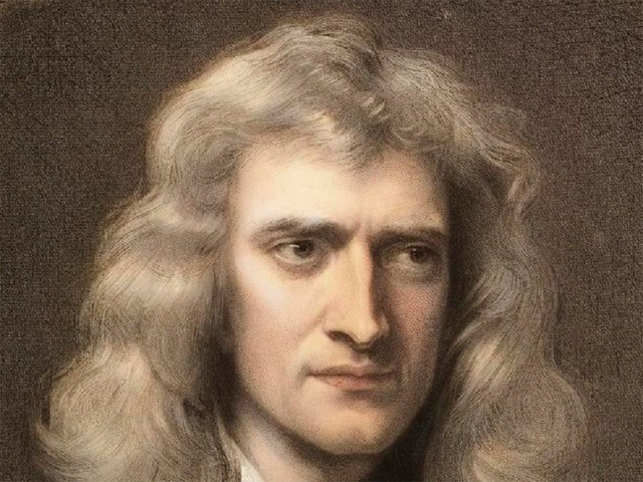
This Enlightenment scientist is known for his laws of gravity and motion.
30
Adam Smith
Isaac Newton
Descartes
Copernicus
Q 2/11
Score 0
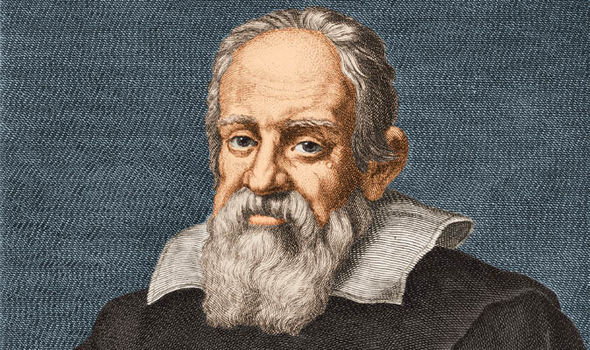
This Enlightenment scientist is known for improvements in the telescope which allowed us to see our planets much more clearly.
30
John Locke
Voltaire
Francis Bacon
Galileo Galilei
11 questions
Q.
This Enlightenment scientist is known for his laws of gravity and motion.
1
30 sec
Q.
This Enlightenment scientist is known for improvements in the telescope which allowed us to see our planets much more clearly.
2
30 sec
Q.
This Enlightenment mathematician and astronomer is best known for his Heliocentric theory.
3
30 sec
Q.
This Enlightenment thinker contributed the idea of separation of powers in government (Spirit of Laws).
4
30 sec
Q.
This Enlightenment thinker contributed the idea of deism meaning that God created the universe and let it run, much like a clock.
5
30 sec
Q.
This Enlightenment thinker believed in laissez faire, meaning leave them alone.
6
30 sec
Q.
This Enlightenment thinker believed that government was a social contract between the people and their government.
7
30 sec
Q.
This Enlightenment thinker believed that women are reasoned thinkers too so they should be considered equal.
8
30 sec
Q.
This Enlightenment thinker felt that people become corrupted by society and therefore needed government to provide security.
9
30 sec
Q.
This Enlightenment thinker believed in "Natural Rights" of life, liberty, and property, and that people have the right to abolish government if it ignores their rights.
10
30 sec
Q.
This enlightenment thinker believed that people exist because they are rational thinkers. "I think, therefore I am".