Loading...


Final Test M.1 1/1
Quiz by Kru toiting
Customize this quiz to suit your class
Instantly translate to 100+ languages
Tag the questions with any skills you have. Your dashboard will track each student's mastery of each skill.
Give this quiz to my class
We __________ friends.
isn't
'm not
aren't
Mary and Mark ________________ doctors.
isn't
aren't
'm not
We __________ friends.
Mary and Mark ________________ doctors.
Peter _________________ a football player.
I ____________a doctor.
A cat ___________ a dangerous animal.
____________Dara in the class?
_________ you happy?
They are swimming. ทำเป็นประโยคคำถาม
Joe is a naughty boy. ทำเป็นประโยคคำถาม
I am a dentist. ทำเป็นประโยคคำถาม
Choose the correct word

Choose the correct word

Choose the correct word

Choose the correct word

Choose the correct word

Plural form of fox (พหูพจน์ของ fox )
Plural form of flower (พหูพจน์ของ flower )
Plural form of dish (พหูพจน์ของ dish )
Plural form of potato (พหูพจน์ของ potato )
Plural form of child (พหูพจน์ของ child )
กระเป๋าสะพายหลัง
เพื่อนร่วมชั้น
This picture vocabulary is__________.

This picture vocabulary is____________.

ตะกร้าใส่ขยะ
กบเหลาดินสอ
This picture vocabulary is____________.
This picture vocabulary is__________.
หมากรุก
แฟ้ม
You ____________need a ruler for music class.
We ________________pencils and paper for art class.
He____________need a folder for P.E. class.
She______erasers for social studies class.
I ___________need a pen for P.E. class.
What is this?
What are these?

What is that?
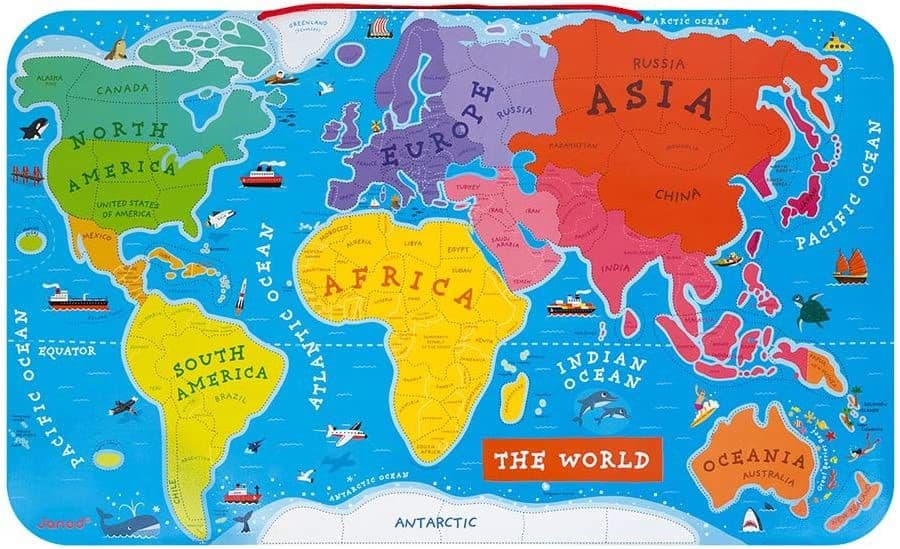
What are those?
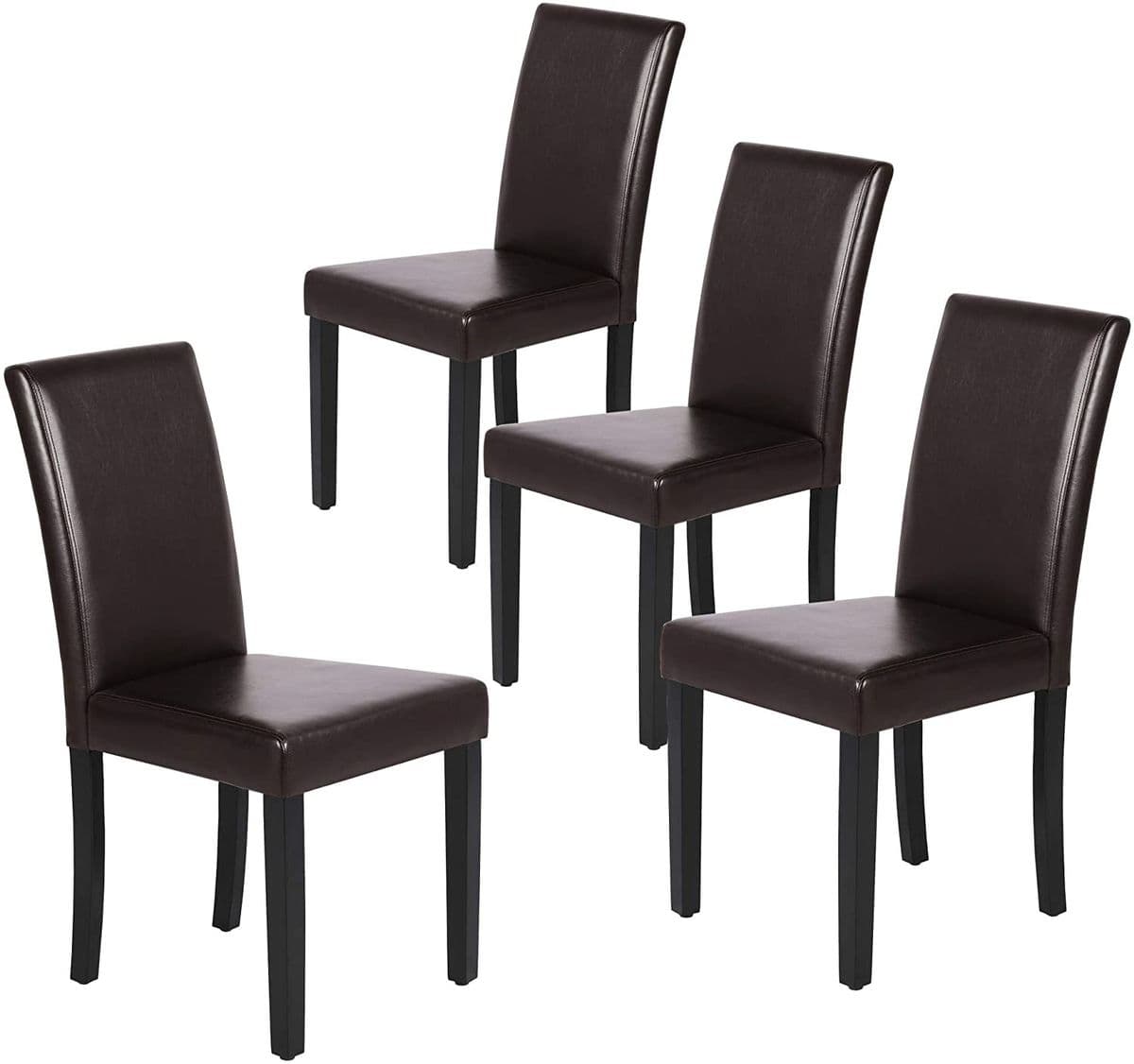
What are these?
 Final test (M.3/7) 1/2564M.1 Semester 2 Final Mock TestMake mcq quiz with 4 option in which one is correct -'10 Basis of Material Science • .....;;;";;;"~~;;,,;;,,,,;.;.,,;;,,,;,,;.;,.,------------ 6. Temporary materials: Some materials are meant to be placed in the oral cavity for a short period of time for different reasons. • Temporary crowns: While a permanent crown is prepared in the dental laboratory, the patient must wait for few days before it can be fabricated and cemented into place. Does patient experience any problems during this time period? If the tooth is vital (the pulp is alive), the patient is likely to experience pain and sensitivity while eating and drinking, also it looks unesthetic. What can be done to solve this problem? A temporary crown is placed before the patient leaves the clinic. It is constructed and luted in the same appointment in which the crown preparation is done. Temporary crowns are not very strong or esthetic but they serve adequately till the permanent crown is ready to be cemented. • Temporary restorations: Sometimes it is difficult to decide immediately the best line of treatment for a particular tooth. The exact condition of the pulp may not be obvious to the dentist from the patient's symptoms. A dentist removes all or part of the decay and then places a temporary restoration to have time to observe the behaviour of the pulp or to give the pilip time to heal before deciding the further treatment required. Classification based on Location of Fabrication 4,9 Materials can be classified based on the location of fabrication into: • Direct restorative materials. • Indirect restorative materials Direct restorative materials: They include those materials which are used to restore cavity preparations directly in the oral cavity (Box 1.5). Box 1.5: Examples of direct restorative materials Amalgam, composites, glass ionomer and other materials, which set by chemical reactions in the mouth. Indirect restorative materials: It includes those restorations which must be fabricated outside the mouth, indirectly on a cast/ model/ die, because their processing condition would harm oral tissues. Materials used in the construction of such prosthesis are called indirect restorative materials (Box 1.6). Box 1.6: Examples of indirect restorative materials Gold inlays, crowns of metal, ceramic and polymers, which are processed at elevated temperatures. Some indirect composite restorations can be processed under specific wavelength of light, e.g. Ceramage. Classification based on Longevity of Use 1. Permanent restorations: These restorations are not planned to be replaced for a particular time period. Though they are referred to as permanent, actually they are not, e.g. fillings, crowns, bridges and dentures do not last forever (Fig. 1.5). 2. Temporary restorations: These restorations are planned to be replaced in a short period of time, such as few days to weeks. For ~ Permanent C/) c c -.2 0 c- :;::; Cll co Interim ~ Q; 0 .8ll::1iJ C/) o~ Cll a:: c:=:J Temporary Time period Fig. 1.5: Diagram depicting the time period of use of a restoration. (Arrow in permanent restoration depicts that such restorations are not planned to be replaced for a long period of time.) Introducton to Dental Materials Dental materials Box 1.7: Characteristics of metals 1. High thermal and electrical conductivity 2. Ductility (pure metals are very soft and they can be bent without breaking) 3. Opacity (they do not transmit light) 4. Luster (they have a surface that strongly reflects light and appears bright and shiny) 5. They tend to dissolve to some extent in water or other aqueous solutions, producing cations. 6. All metals are white (actually gray) except for gold, which is yellow, and copper, which is reddish. 7. All metals are solid at room temperature except mercury, which is liquid at room temperature and is used with silver alloys as amalgam. 8. All metals have high melting temperatures because of high strength of the metallic bond that holds the atoms together. 3. Polymers 4. Composites Composites are mixtures of two or more of the first three classes in which the different components remain distinct from one another in the final structure. A common example is composite resin. Fig. 1.7a: Three-dimensional structure of iron (metal) Metals Metals are the oldest of the three classes of materials that have been used as dental materials. Metals are characterized by metallic bonds (Box 1.7) which will be discussed in the next chapter. Metals solidify with their atoms in a regular or crystalline arrangement (see Chapter 2), often in the form of a cube (Fig. 1.7a). example, temporary fillings done in a tooth during root canal treatment, which have to be replaced within 2-4 days during subsequent visits. They are used to protect the tooth and provide function till the final restoration is done. 3. Interim restoration: At times, dental treatment requires "long-term" definite temporary restorations or "interim" restorations. For examle, a 7-year-old child, met with trauma and fractured one of his central incisors. A large composite build- up may serve his immediate requirement until the root formation is completed and a permanent crown is placed. 5 Classification based on the Chemical Nature of the Material These are the atoms that make up a material and the way they are bonded together determine the properties of that materiaLS Weak bonds make for weak materials and vice versa (Table 1.4). Materials can be classified into different categories based on their primary atomic bonds (Fig. 1.6): 1. Metals 2. Ceramics Fig. 1.6: Classification of dental materials based on chemical nature 12 Basis of Material Science Box 1.9: Benefits of ceramics in dentistry 1. Many ceramic oxides are used as pigmenting agents. These oxides produce good range of colors. Due to this characteristic, we are able to match almost any tooth color with good esthetic results. 2. They are inert, i.e. not chemically reactive. This quality provides ceramics with good bio- compatibility. 3. Ceramic materials are translucent, like natural teeth. This translucency gives the ceramic crown a more natural appearance than any other dental material. Fig. 1.7b: Internal arrangement of tetrahedral structure of ceramic (silica) four large oxygen atoms surround smaller silicon atom Ceramics A ceramic is a compound formed by the union of a metallic and a non-metallic element (Box 1.8). Most of these materials are oxides, formed by the union of oxygen with metals such as silicon, aluminum, calcium and magnesium (Fig.1.7b). Ceramics may be simple or complex. Examples of simple ceramics are alumina and silica. Examples of complex ceramics are feldspar (potassium aluminum silicate) and kaolin (hydrated aluminum silicate). Ceramics may be crystalline or non- crystalline (i.e. amorphous). Porcelain is a specific type of ceramic used extensively in dentistry (Box 1.9). Box 1.8: Characteristics of ceramics 1. High melting points. 2. Brittleness, which means they cannot be bent or deformed (no sliding) to any extent without actually cracking and breaking. 3. They are poor conductor of heat and electricity. 4. They are chemically inert. 5. They have excellent esthetic result in terms of matching natural teeth. Fig. 1.8: Stucture of synthetic polymer Polymers They are the latest addition (early to mid- 1900s) to dental materials. Most of the polymers are nowadays synthesized by humans. Polymers are giant, long-chain organic molecules (Fig. 1.8). Polymers are characterized by covalent bonds within each molecule, giving them tremendous strength in a single direction. Try to break a nylon rope by pulling it! They are poor conductors of heat and electri- city. Most polymers have a structure containing thousands of carbon atoms linked together like beads on a string. Others, such as silicone polymers are formed with silicon-oxygen bonds. Introducton to Dental Materials Table 1.4: Characteristics of different materials 13 Characteristics Bond Properties Crystal structure Metals Metallic bonding High strength and hardness, high electrical and thermal conductivity BCC, FCC, or HCP unit cells Ceramics Ionic or covalent bonding, or both High hardness and stiffness, electrically insulating, refractory, and chemically inert Crystalline or amorphous Polymers Covalent bonding Low sensitivity, high electrical resistivity, and low thermal conductivity, strength and stiffness vary widely Amorphous and crystalline Composites Composites are combinations of any of the basic ceramic, metallic and polymeric materials (Box 1.10). Each material that makes up composites is called a phase. Their properties tend to be somewhere between those of their basic constituents and are used to enhance their performance, longevity and handling chracterstics. Box 1.10: Types of composites in dentistry 1. Ceramic - metallic composite: Tungsten carbide bur. 2. Metal - polymer composite: Die materials in dental laboratory. 3. Ceramic - polymer composite: Enamel, dentin, bone and restorative composites. A composite is a kind of "combination" of materials, which compliment each other. The properties lacking in one material are compensated by those of the other material. For example, restorative composite has two phases, namely resin and fillers. Teeth and bones are examples of natural composites. Enamel is a composite of hydroxyapatite (which is a ceramic material) and protein (which is a polymer). EVALUATION OF DENTAL MATERIALS Most manufacturers of dental materials maintain a quality assurance programme (As per international standard like ADA specifications) and materials are thoroughly tested before being released into the market for dental practitioner (Fig. 1.9). Laboratory Evaluations Most ADA/ ANSI specifications involve laboratory tests. The tests performed as per these specifications are useful but they all are performed in vitro, (carried out in the laboratory away from the clinical conditions) which have a lot of limitations in clinical practice.lO Clinical Notes 1. For example, most of the direct restorative materials are tested for their compressive strength but ultimately the material is subjected to a combination of compressive, tensile and shear stresses, which may decide the final success or failure of the material under masticatory load. 2. Similarly upper dentures mostly fracture along the midline because of bending. Hence a bending or transverse strength ~B-a-s-is-o-f-M-a-t-e-ria-I-S~c-ie-n-c-e-------------- ---------. test is far more meaningful for denture base materials than a compression test. Clinical Trials The majority of new materials are subjected to extensive clinical trials normally in co-operation with a dental college or hospital departments prior to their release. CONCLUSION As the number of available materials is going up, it is important that the dentist remains more aware about new products so that their judgement about the selection of material remains successful. Materials which have not been thoroughly evaluated should be avoided, specially with clinical dentistry falling under Consumer Protection Act (CPA). I Research and development I iI Manufacturer/analysis Ideal requirements for clinical use: Thermal, optical, mechanical, chemical, biological Available materials and their properties are evaluated Launch of new I product Choice and selection of material by the dentist Critical assessment based on clinical performance I I H feedback to IReview Final Test M.3Final Test English Tourism M.6A Long Walk to Water Final TestShort Story: Making Good Choices Last month, I made an important decision. I asked my parents if I could get some **pocket money**. I wanted to learn how to make **independent choices** and use the money **to buy for myself**. They agreed to give me some on a **weekly basis**. I was very happy! One day, at school, we had a **final** exam. I was very **worried**. I tried to **concentrate**, but I **can hardly** sit still when I'm nervous. My best friend, Jake, is always **fun loving**, and he didn’t **stay for long** in the classroom after the test started. He wanted to **pass notes**, but I said no. I didn’t want to **get caught**. The teacher said, “**Turn over** your papers now.” I looked at the test and felt **scared**. “What if I **lose** all my marks?” I thought. “I will look **stupid**.” I tried to **look straight into my eyes** in the small mirror on my pencil case and said, “You can do this.” Then, I started to **find** some answers and felt a little better. After school, we walked on the **sidewalk** and saw a big **crowd** of students talking about the test. Jake laughed and said, “Let’s buy some ice cream with your **pocket money**!” But I said no. “I want to save it **to buy for myself** something special.” When I got home, I helped my mom **wash up** the dishes. She smiled and said, “You made good choices today.” That night, I dreamed I was a **slave** in a boring office, working all day. But when I woke up, I laughed. I wasn’t a **slave**. I was just a kid learning to make smart choices. I **decided** to study more and use my **pocket money** wisely. I wanted to be **independent**, make good choices, and maybe be the **first** in my family to buy something big with saved money.Growing up in Sioux Falls, South Dakota, a small city surrounded by endless plains, I've found unexpected echoes of home in China's smaller towns — from the warmth of locals in Huaihua, Central China's Hunan province, to the quiet charm of Yangshuo, South China's Guangxi Zhuang autonomous region. With an itch to see more of China's lesser-visited regions, I began planning a trip to the northwest with seven friends — five Americans, one Pakistani, one Zimbabwean, and one Colombian. We bought round-trip tickets from Shanghai to Yinchuan, Ningxia Hui autonomous region, for less than $120 each. From there, we planned to rent a car and drive to Xining in Qinghai, then on to Qinghai Lake, and finally to Lanzhou, Gansu. To make that possible, several of us applied for Chinese driver's licenses, a process that involved translating our US licenses into Mandarin and passing a short test on traffic laws. Within a day, we were licensed. As we piled into two rental cars in late March to begin our eight-day journey, it became clear that this wasn't just a road trip — it was the culmination of our four years in China, the Mandarin we had so diligently studied, and our ongoing effort to contribute to US-China people-to-people relations. Right away, we drew curious reactions. At the Yinchuan airport, taxi drivers offered us rides into the city, only to stare in astonishment when we told them we had rented cars. "You're driving? In China?" one driver asked, visibly surprised. It was a reaction we'd encountered multiple times during our trip, as foreign drivers are rare in China, especially in remote regions. In Yinchuan, we stocked up on snacks and adjusted to the chilly desert air. From there, we headed west, navigating wide highways framed by dramatic landscapes: arid plains, jagged mountains, and occasionally, a herd of sheep crossing the road. The vastness of the Northwest was humbling — and as someone who grew up on the wide-open prairies of South Dakota, it felt oddly familiar. One of the highlights of our trip was camping by Qinghai Lake, the largest saltwater lake in China. A few summers ago, Santiago Solano, one of my classmates from the US, cycled from Xi'an in Shaanxi to Urumqi in the Xinjiang Uygur autonomous region over the course of a month and met many kind strangers along the way. One of them was Geng San, a Tibetan lamb herder who managed a piece of land right next to Qinghai Lake and graciously invited us to camp there. "That's what China is — it's the people. The quiet generosity of an old Tibetan nomad who, years after we first met, still offered us a place to rest on his land," said Solano, who is also part of the group on this trip. But apparently, we underestimated just how cold it would be to camp next to Qinghai Lake in late March. It was deathly freezing. In preparation for the trip, we had ordered two tent kits and eight sleeping bags. However, when the temperature eventually dropped to — 10 C, all of us piled into the cars and turned the heaters on. So much for camping. From Qinghai Lake, we drove to Lanzhou, where we visited many food markets and tried every type of noodle on offer. Since we are college students, we rented a gaming hotel room — something I've only ever seen in China. At night, instead of attending local parties as we had before, we stayed in the hotel and gamed late into the morning. For me, the trip was as much about the journey as it was about the destinations. Driving through Northwest China gave us a unique perspective on the region's natural beauty and its people. At gas stations, shopkeepers greeted us with curiosity and kindness, often offering recommendations for nearby attractions. At roadside carts, we sampled local specialties, grabbing a quick skewer and a mango for the road. And at every stop, we were touched by the warmth and hospitality that make traveling in China so rewarding. As an American who has lived in China for several years, I'm often asked about my experiences here. Trips like this one remind me of the similarities between the two countries, despite their differences. Just as road trips are a quintessential part of American culture, they've become my favorite way to explore China. Whether it's driving through the rolling hills of South Dakota or the deserts of Ningxia, there's something universal about the freedom and camaraderie that come with having complete control over where you end up. Written by Charlie Howes, a 22-year-old American who has lived in China since 2019. He completed his final year of high school at Beijing No 80 High School and is currently studying at New York University Shanghai. He has founded a company in China focused on facilitating US-China trade and plans to continue living in Shanghai long term. He enjoys road trips, cycling around the world, learning languages, and meeting new people.