Loading...

Fish and insects
Quiz by Sara Florencia Tapia Salcedo
Customize this quiz to suit your class
Instantly translate to 100+ languages
Tag the questions with any skills you have. Your dashboard will track each student's mastery of each skill.
Give this quiz to my class
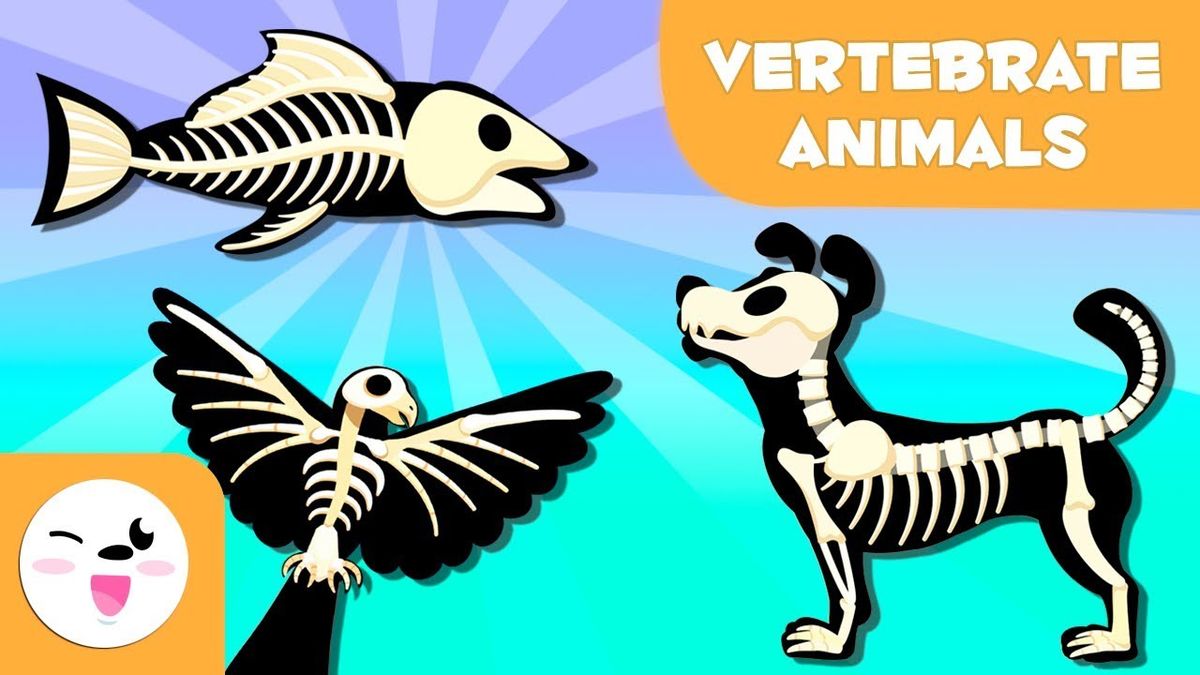
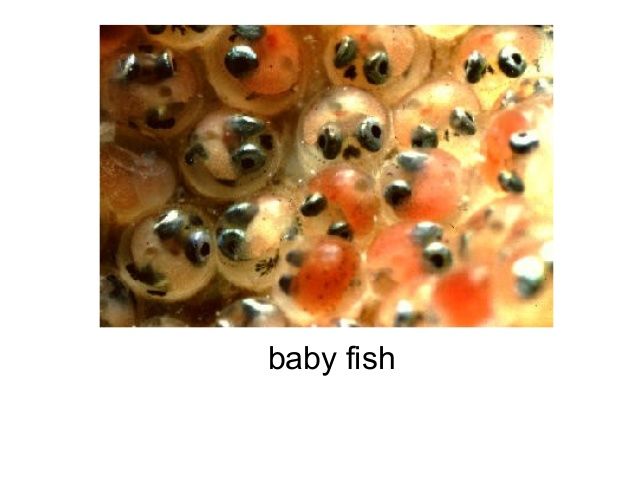
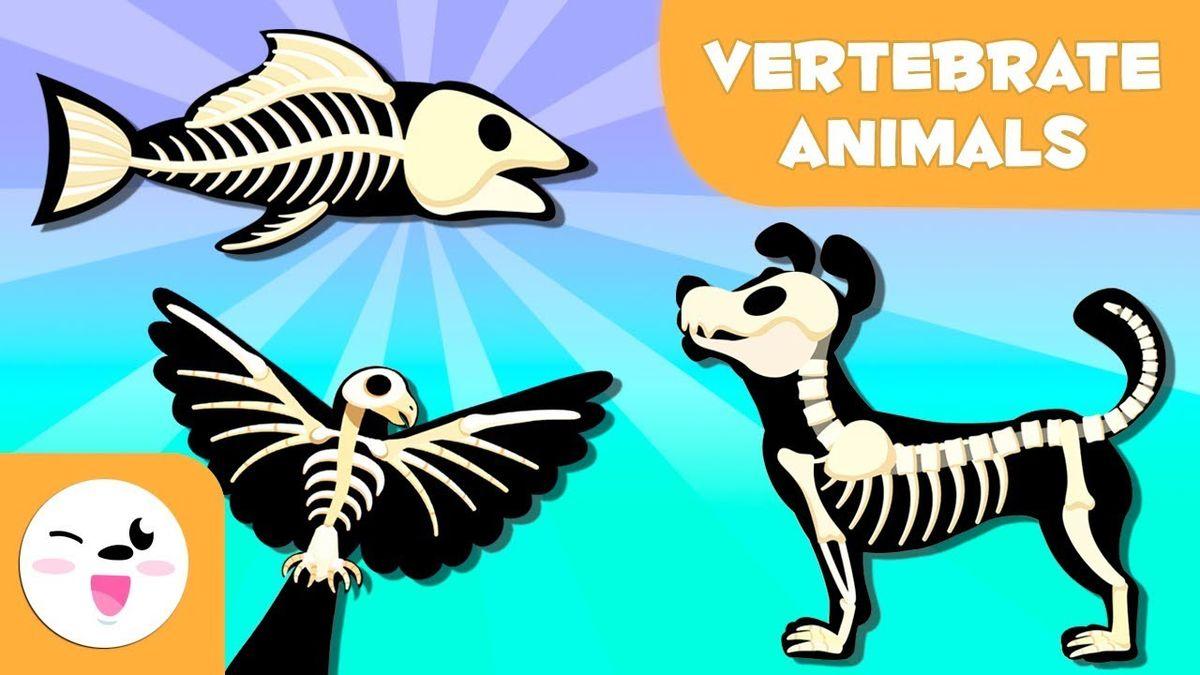
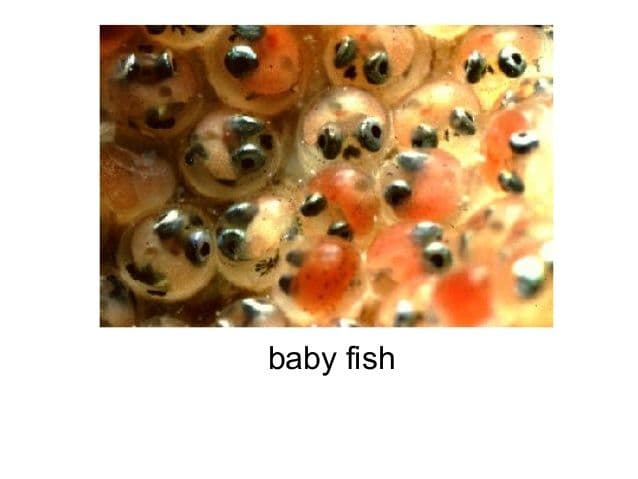

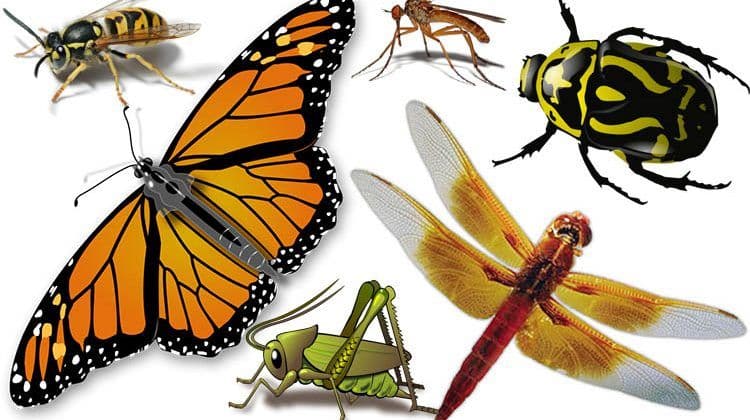
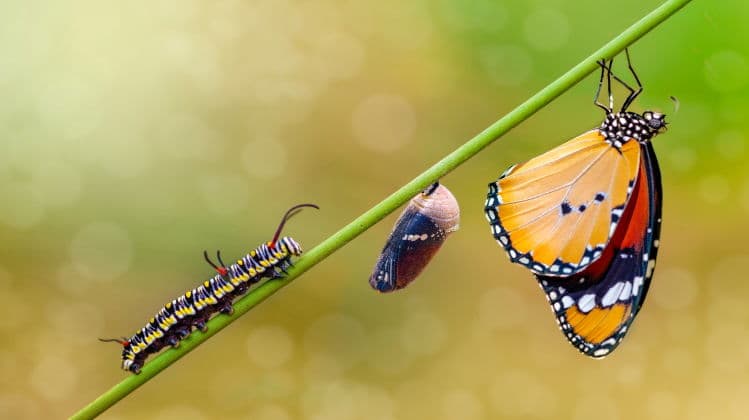
 🐣 What are oviparous animals? Oviparous animals are animals that are born from eggs. This means the baby does not grow inside the mother’s body, but instead grows inside an egg that the mother lays. 🥚 How does this process work? The mother lays one or more eggs. Inside the egg, the baby (called an embryo) begins to grow. The egg protects the baby and gives it food to grow. After some time, when the baby is ready, it breaks the eggshell and comes out. 🐔 Examples of oviparous animals: Birds (like chickens, penguins, and parrots) Reptiles (like turtles, crocodiles, and snakes) Fish, amphibians, and insects also lay eggs. 🦕 What about dinosaurs? Dinosaurs were oviparous too! The dinosaur moms laid eggs in nests. Inside each egg, a baby dinosaur grew safely. When the baby was ready, it broke the shell with its head or a special part of its mouth and came out. Some were born alone, and others hatched with many brothers and sisters—just like a dinosaur family!تمام، دي 15 سؤالًا متنوعًا جاهزين للنسخ على Quizalize، وكلهم Multiple Choice من محتوى الدرس. Life Along the Nile Challenge 🌊🐊 Vocabulary 1. Plants that grow in the Nile water are called ______. a) insects b) water weeds c) creatures d) birds Correct answer: b) water weeds 2. The word “tiny” means ______. a) very small b) very strong c) very scary d) very long Correct answer: a) very small 3. The opposite of “large” is ______. a) colorful b) different c) small d) strong Correct answer: c) small 4. To “survive” means to ______. a) stay alive b) catch animals c) become dirty d) swim quickly Correct answer: a) stay alive 5. Crocodiles are very strong and ______. a) colorful b) tiny c) scary d) weak Correct answer: c) scary Understanding the Lesson 6. What do small fish eat? a) Birds b) Plants in the water c) Crocodiles d) Large animals Correct answer: b) Plants in the water 7. What do birds near the Nile eat? a) Small fish, insects and plants b) Water weeds only c) Crocodiles and large animals d) Big fish only Correct answer: a) Small fish, insects and plants 8. Big fish eat smaller fish, insects and ______. a) humans b) birds c) tiny creatures d) trees Correct answer: c) tiny creatures 9. Why are crocodiles called the kings of the Nile? a) They are tiny and colorful. b) They are strong and other animals do not usually hunt them. c) They only eat plants. d) They can fly over the river. Correct answer: b) They are strong and other animals do not usually hunt them. 10. Why must we protect the Nile River? a) Because every animal plays an important role. b) Because no animals live there. c) Because the river is very short. d) Because crocodiles need houses. Correct answer: a) Because every animal plays an important role. Reading Comprehension 11. Where did Ahmed and his family go on their trip? a) Cairo b) Suez c) Luxor d) Aswan Correct answer: d) Aswan 12. How did Ahmed and his family travel to Aswan? a) By car b) By train c) By plane d) By boat Correct answer: b) By train Language 13. The Nile is home ______ many different animals. a) at b) under c) to d) by Correct answer: c) to 14. Choose the correct sentence. a) We protect must the Nile River. b) We must protect the Nile River. c) The Nile River we must protect. d) Must we the Nile River protect. Correct answer: b) We must protect the Nile River. 15. Choose the correctly punctuated sentence. a) what do crocodiles eat. b) What do crocodiles eat. c) what do crocodiles eat? d) What do crocodiles eat? Correct answer: d) What do crocodiles eat? اعملي العنوان على Quizalize: Life Along the Nile Challenge 🌊 وخلي ترتيب الأسئلة Random، والمدة المقترحة 30 ثانية لكل سؤال، والدرجة 15 points.Animals, Animals There are many kinds of animals. The elk is in the deer family. Male elk have large antlers. Elk are excellent swimmers and can run very fast. Giraffes are very tall with long necks. Giraffes have spots all over their bodies and short horns on their heads. Giraffes live in savannas and open woodlands. Elephants are the largest land animals alive today. Elephants have long trunks and ivory tusks. They live in grasslands and forests. Snow leopards live on cold mountains. They have thick fur to stay warm. They hunt wild goats, sheep, and other animals. This camel has a long winter coat. When it is well fed, its humps stand up. The humps fall to one side if the camel has not eaten. Camels live in both hot and cold deserts. The fox is in the dog family. It lives in a burrow. Foxes eat small animals, insects, fruits, and eggs. Unlike dogs, foxes like to hunt alone. The zebra is in the horse family. Zebras have white and black stripes and live in grasslands. Their manes stand straight up on their necks. The great gray kangaroo carries its babies in its pouch. It uses its strong back legs to hop. Kangaroos eat grass and other plants. The hippopotamus spends most of its time in water. It has almost no hair and eats grass and water plants. Its eyes and nostrils stick out so that it can see and breathe when underwater. Polar bears live in cold places. They have thick fur. They eat seals, walruses, small mammals, birds, and fish. There are many kinds of animals.Wonders of Nature Introduction. The world is full of interesting animals. Some animals look strange or have special skills. Let's look at some of these wonders of nature. Archerfish. Archerfish spit water at bugs. The bugs fall into the water, where the archerfish catch and eat them. Trap-Door Spider. The trap-door spider lives in a tunnel in the ground. Its home has a hidden door made of silk and dirt. The spider hides in its tunnel to hunt. Beaver. Beavers chew through tree trunks. They make dams out of trees, mud, and stones. Chameleon. Chameleons change color to hide themselves. They even change color to show how they feel. Flying Dragon. Flying dragons have skin on their sides that opens like wings. They jump and glide from tree to tree. Leaf Insect. The body parts of leaf insects look just like leaves. These animals blend in well with real leaves on trees. Leaf-Rolling Weevil. The female leaf-rolling weevil rolls a leaf into a cone. She lays her eggs inside the cone. The leaf hides and protects her eggs. Praying Mantis. The praying mantis holds its front legs in a praying position. A mantis has five eyes to help it hunt for food. Mole. Moles dig tunnels to find and eat worms. These animals have tiny eyes, but they are not blind. Sea Dragon. Sea dragons are small fish. They look like ocean plants. Their leafy parts help them catch food and hide from enemies. Conclusion. Interesting animals come in many shapes and sizes. They are all wonders of nature.Fish and SeafoodFish and Shellfish (text)Fish and AmphibiansFish and Shellfish Digital Assessment