Loading...

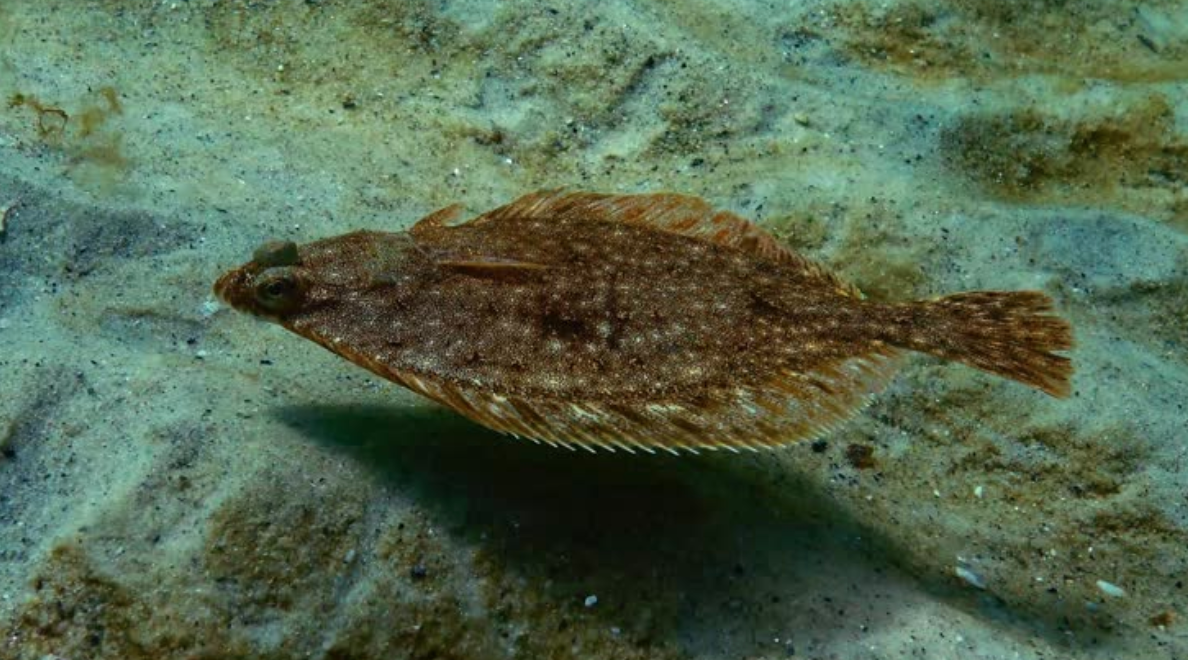
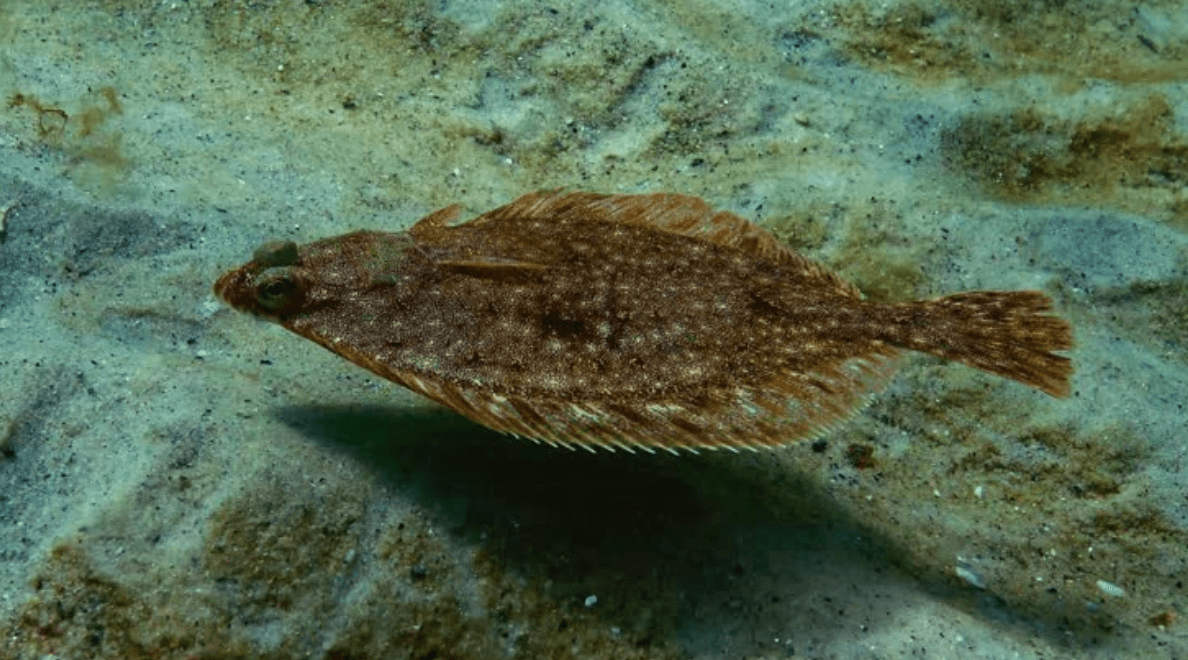
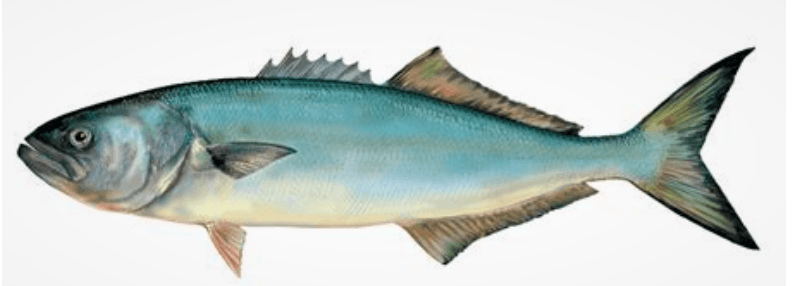
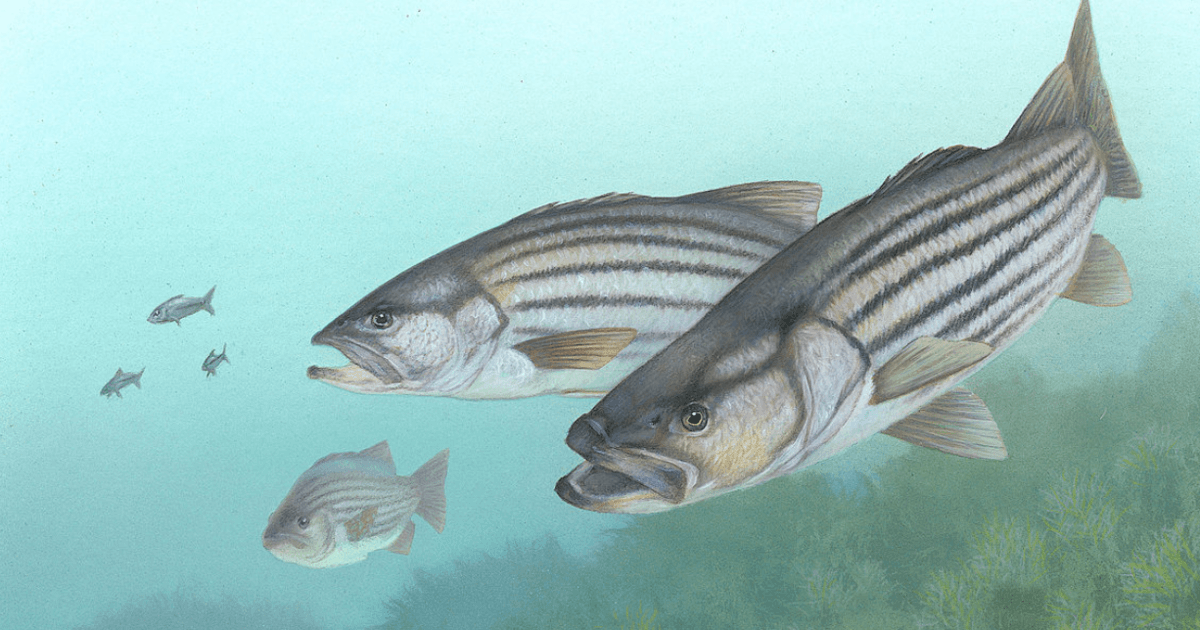
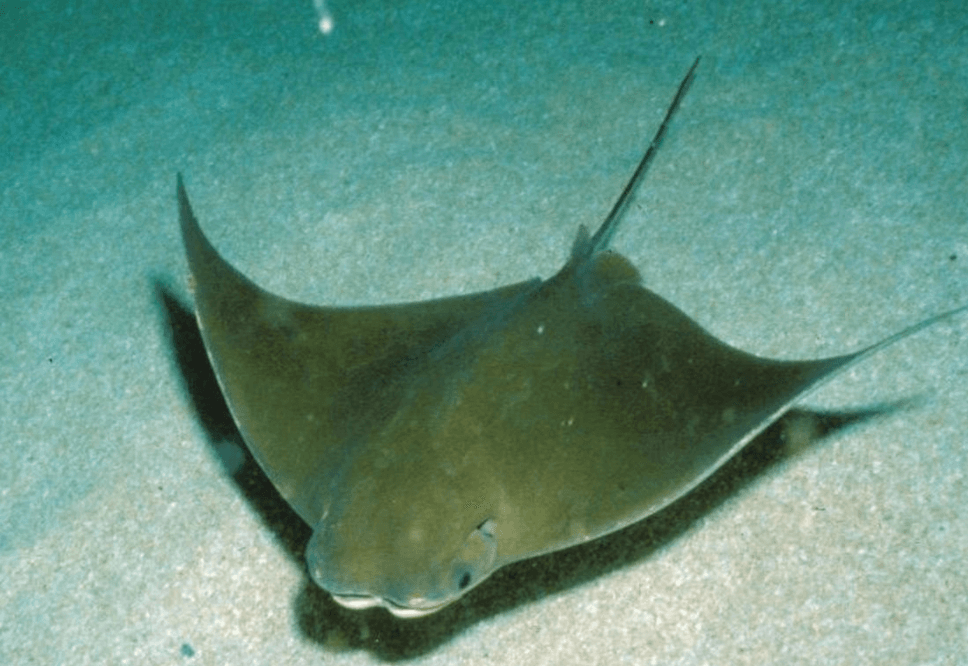
Fishes of the NJ Coast
Quiz by Gregory Hudak
Customize this quiz to suit your class
Instantly translate to 100+ languages
Tag the questions with any skills you have. Your dashboard will track each student's mastery of each skill.
Give this quiz to my class
 DATE: Monday 6th May, 2024 CLASS: Year 5 SUBJECT: History TOPIC: Traditional Occupations of the People in the State(II) Description of Various Occupations 1. Fishing: This occupation is commonly engaged in Nigeria by the people who lived along the coast, lagoon, Delta and big rivers. These people include the Awori in Lagos, the Ijaw and Itsekiri in Delta and Bayelsa States, the Ilaje in Ondo State, the Tiv and the Idoma in Benue State, The Nupe in Niger State. Tools used by the fishermen for catching fishes are traps of different types, net, paddle and dug outs. 2. Crop Farming: This is the main occupation of the Nigeria people who live in the forest region, such as the Yoruba, the Benin, the Urhobo, and the Igbira. These people engaged in the production of both food crops (maize, cassava, vegetables, yam and okra) and tree crops (rubber, palm oil and coconuts). The methods of their farm operation are land clearing, bush burning, harvesting. 3. Animal Husbandry: This involves rearing of animals. The are two types of animal husbandry, namely domestication of animals and cattle rearing. The Fulani engaged in cattle rearing, the Yoruba, the Efik and the Tiv engage in livestock keeping. The main livestock include goats, sheep, hens, rabbit and pigeon. 4. Leather Works: This is making of leather into sandals, bags, shoes, belt etc. This occupation is mostly engaged by the Hausa people. This occupation is made possible due to the presence of abundant cattle in the area. 5. Pottery: This traditional occupation is mostly engaged by women. It exists in the area where there is abundant of clay and it is also mostly practised by the Yoruba. The materials the potter used in the production of objects are clay, water and firewood.Duān wǔ jié. In ancient times, there was a great poet called Qu Yuan. He couldn't bear the anguish when his mother land was invaded so he drowned himself in the river. Local residents rode boats to salvage him and drop the rice balls into the river to distract the fishes’ attention from Qu’s body. Later, people memorialized Qu’s patriotism by rowing and making tombs on the Dragon Boat Festival or duan wu jie. That's how the tradition of dragon boat racing and eating Zongzi was started. An ancient practice on Duan wu jie is to put wormwood on the front door to repel evil things. In some places people drink realgar wine and children wear sachets. Now the family gets together on Duan wu jie. Nowadays people have a variety of other activities to celebrate this traditional festival. John wants to build a house next to a forest. In the forest, there are lots of trees, flowers and animals. There is a lake too.John takes his axe and goes to the forest. He talks to a tree. “I need wood to build my house,” he says. So, the tree gives John some wood.John’s friends visit him and they like his house. John and his friends go to the forest and cut down more and more and more trees, to build more and more houses.Soon there are not more trees. There aren’t any flowers. There are not any animals. The lake is dirty. The people are sad and thirsty.John goes to the forest.” What happened?” John asks the tree.“You cut down the trees in the forest. Now the animals do not have food to eat or a place to live. The lake is dirty so there aren’t any fishes”, says the tree.“What can I do?” asks John.“Plant trees and clean the lake” says the tree.John and his friends plant trees and they clean the lake. Now the trees are tall and have leaves.There are flowers. The animals are back in the forest. There are fishes in the lake. The forest is cool again. Everyone is happy.Create quiz based on this information Who is the author of Letter 1, and who is the intended recipient? The author of Letter 1 is Robert Walton. The intended recipient is his sister, Mrs. Saville. What is the author's purpose in writing this letter? The author's purpose in writing this letter is to update his sister on his progress and feelings regarding his upcoming Arctic expedition. Where is the author currently located, and what is the significance of the setting? The author is currently in St. Petersburg, Russia. The significance of the setting is that it is the starting point of his journey towards the Arctic, and it sets the tone for the novel's exploration of extreme environments. Describe the author's feelings about the natural world and the northern journey. The author expresses excitement and confidence about his journey. He is inspired by the cold northern breeze, which fills him with delight and a sense of adventure. What is the author's fascination with the pole, and how does he describe it? The author is fascinated by the idea of the North Pole as a land of beauty and eternal light. He envisions it as a region of wonder and hopes to make groundbreaking discoveries there. What are some of the author's hopes and expectations for his journey? The author hopes to make significant discoveries, including a passage near the pole to shorten travel times and the secret of the magnet's power. He also wants to explore uncharted lands. How does the author's enthusiasm change as he writes the letter? At the beginning of the letter, the author is enthusiastic and confident. However, as he reflects on the challenges and uncertainties of his journey, his enthusiasm becomes mixed with doubt and a sense of the unknown. What role has reading played in the author's life, and how does it relate to his journey? Reading has played a significant role in the author's life, sparking his early interest in exploration. He initially wanted to embark on a seafaring life, but reading led him to poetry and later to his current expedition. How has the author prepared for his upcoming expedition? The author has prepared by enduring hardships, accompanying whale-fishers, studying mathematics, medicine, and physical science, and even working as an under-mate on a Greenland whaler to gain practical experience. What does the author express about his feelings, courage, and hopes for the future? The author expresses a strong desire to achieve a great purpose and a willingness to face the challenges and uncertainties of his expedition with courage. He hopes to return triumphant but acknowledges that success may take a long time, if ever.Quiz 2 Spanish Version Omakayas is a young Ojibwe girl who lived a long, long time ago in a place called the Great Lakes region. That's where parts of the United States and Canada are today. The Ojibwe people were Native Americans who lived close to nature. They didn't have houses like ours; instead, they built homes from the bark of trees, called wigwams. They hunted animals for food, gathered berries and plants, and fished in the clear, cold lakes. Life was hard but full of adventure. People worked together to survive, and family was very important. Children learned from their elders how to live off the land and respect nature. In The Birchbark House, you'll follow Omakayas as she learns about the world around her and grows up in this amazing, but sometimes challenging, way of life. Overcoming Challenges with Resilience Omakayas faces many hardships, but she never gives up. She learns to be strong and brave. This story teaches us that even when things are tough, we can find a way to keep going. The Value of Learning and Growing Omakayas is always eager to learn new things. She learns about plants, animals, and how to survive in the wilderness. Are you feeling adventurous? Then spread your wings and travel km southeast of Taiwan, where you'll discover a part of the country unlike any other. Known as Lanyu* or Orchid Island, this tiny drop of earth in the Pacific* is home to the Tao*, Taiwan's only ocean-dependent indigenous* tribe. The Tao people are the people of the "alibangbang*," or flying fish, one of Mother Nature's greatest gifts. The annual flying fish season is at the heart of Tao culture and comes with many traditions and taboos. Spanning around eight months of the year, the flying fish season involves multiple customs and rituals. A special religious ceremony, usually held in February, marks the beginning of this important period and ensures a prosperous and plentiful season. Tao boat captains head to the beach with elaborate costumes on. There, they pray and make sacrifices to appeal to the flying fish spirits to bless their tribe, and to the gods for good fortune and courage on the dangerous seas. Although local fishers can catch flying fish between March and June, they are restricted to capturing only those found in shallow waters. During this period, netting* any deep-sea or coral reef fish is not permitted. If the fishers didn't follow this rule, various species would not have the time needed to recover their numbers, and harmony with nature would be lost. At the end of June, the annual sea harvest concludes with another ceremony to express gratitude and respect for nature's endless* cycles. After the ceremony, flying fish can no longer be caught. Therefore, from July onward*, only dried and stored alibangbang can be eaten. Furthermore, after the Mid-Autumn Festival*, even these dried fish must no longer be consumed. This custom seems to have been engraved in the locals’ hearts* and is believed to prevent ill luck and guarantee abundance in seasons to come. Just as the locals are concluding their scaly* harvest for the year, scores of tourists begin arriving on Lanyu for the summer season. To make sure you don't feel like a fish out of water, here are some basic guidelines to help you enjoy your stay while respecting local traditions. First, it is considered a taboo to touch or photograph the Tao fishing boats without permission since it would bring bad luck. Also, you should never enter locals’ private gardens uninvited* to view or sample drying fish. Additionally, avoid asking about future fishing trips, as locals believe that the gods may be angered and that the harvest may be spoiled as a consequence. Finally, as a sign of respect for the local community and environment, don't snorkel* or dive in the island's traditional fishing waters during the flying fish season. Such activities can disturb the local ecosystem. The customs and taboos mentioned above reflect the importance of preserving and cherishing natural resources and local culture. The ancient wisdom of Lanyu’s Tao inhabitants thus appears to give us much to learn about living in harmony with this planet. Everyone is, after all, in the same boat under nature's wing.The Journey of Organic FoodThe Geography of South America