Loading...


Hegarty Maths - GCSE Quick Revision Overview
Quiz by Charles Wiles
Customize this quiz to suit your class
Instantly translate to 100+ languages
Tag the questions with any skills you have. Your dashboard will track each student's mastery of each skill.
Give this quiz to my class
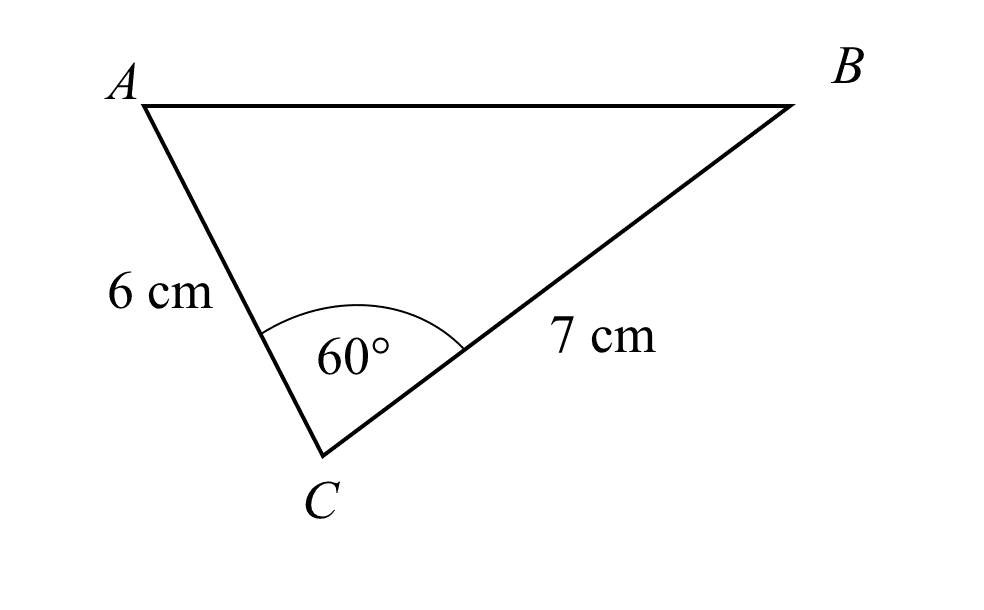
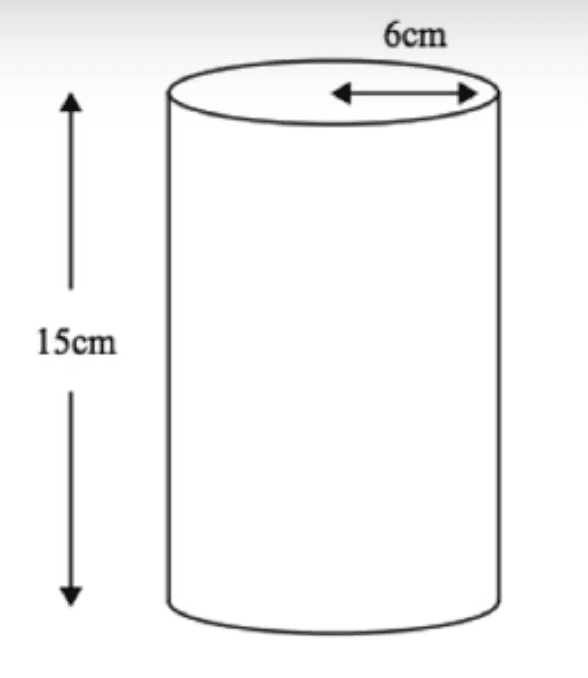 6. A HEARTY PUMPCreate questions based on the following text Not long ago, I grabbed breakfast at a hotel in southern Spain. The only cereal available was a local version of frosted corn flakes, so I readied myself to enjoy a bowl of my childhood favorite. But my sweet indulgence wasn't what I'd expected: The cereal milk was heated — apparently standard in this part of Spain — and my poor frosted flakes immediately turned to mush. Not so grrrrrrreat. Soggy flakes or not, I find breakfast to be a fun part of my travel day, especially because the experience varies so much from one country's breakfast table to the next. The farther north you go in Europe, the heartier the breakfasts. The heaviest is the traditional British "fry." Also known as a "Plate of Cardiac Arrest," the fry is a fundamental part of the bed-and-breakfast experience, and is generally included in your room price. A standard fry comes with cereal or porridge, a fried egg, Canadian-style bacon or sausage (and sometimes mackerel or haggis), a grilled tomato, sautéed mushrooms, baked beans, and fried bread or toast. This protein-stuffed meal can tide me over until dinner. You'll quickly figure out which parts of the fry you like. Your host will likely ask you up front which breakfast items you actually like, rather than serve you the whole shebang and risk having to throw out uneaten food. The Scandinavian breakfasts buffet is the perennial favorite for the "most food on the table" award. It pays to take advantage of breakfast smorgasbords when you can. For about $20 (a cheap meal in these parts), you can dig into an all-you-can-eat extravaganza of fresh bread, cheeses, yogurt, cereal, boiled eggs, herring, cold cuts, and coffee or tea. In place of cereal and milk, Scandinavians like to pour thick yogurt over their granola. Throughout the Netherlands, Belgium, Germany, Austria, Switzerland, and most points east of there, expect a more modest buffet — but still plenty of options (rolls, bread, jam, cold cuts, cheeses, fruit, yogurt, and cereal). In these countries, there's a good chance of finding hard-boiled eggs, but scrambled or fried eggs are relatively rare. In Poland, track down jajecznica, the local wake-up call of eggs scrambled with kielbasa sausage, served with a side of potato pancakes. The breakfast of choice in Russia is oladi, pancakes perfectly fried to be crisp on the outside but soft in the middle, then topped with sour cream, honey, or berries. Germans have an endearing habit of greeting others in the breakfast room with a slow and dour "Morgen" ("Morning" — short for "good morning"), though they have plenty to be happy about. Breakfast is usually included, and offers hearty fuel for the day: ham, eggs, cheese, bread, rolls, and pots of coffee. In Switzerland, don't miss an opportunity to try Bircher Muesli, a healthful mix of oats, nuts, yogurt, and fruit that tastes far more delicious than it looks. If breakfast is optional, take a walk to the nearest bakery — every German, Austrian, and Swiss town has at least a few bakeries offering a world of enticing varieties of bread and pastries, baked fresh every morning. As you move south and west (France, Italy, Spain, and Portugal), skimpier "continental" breakfasts are the norm. You'll mostly likely get a roll with marmalade or jam, occasionally a slice of ham or cheese, and coffee or tea. The good news? These little breakfasts compel you to sample regional favorites: In Spain, look for chocolate con churros (fritters served with a thick, warm chocolate drink), pan con tomate (a toasted baguette rubbed with fresh garlic and ripe tomato), or a tortilla española (a hearty slice of potato omelet). Italian breakfasts are particularly tiny, but the delicious red orange juice you get is made from Sicilian blood oranges. And you can buy a delightful toasted sandwich from a corner bar anywhere, anytime in Italy to make up for the minuscule breakfast. In France, locals just grab a warm croissant and coffee on the way to work. Queue up with the French and consider the yummy options: croissants studded with raisins, packed with crushed almonds, or filled with chocolate or cream. If you expect breakfast to be too sparse, plan ahead to supplement it with a piece of fruit and a wrapped chunk of cheese from a local market. Being a juice man, I keep a liter box of OJ in my room for a morning eye-opener. Coffee drinkers know that breakfast is the only cheap time to caffeinate yourself. Some hotels will serve you a bottomless cup of a rich brew only with breakfast. After that, the cups acquire bottoms and refills will cost you. Juice is generally available at breakfast, but in Mediterranean countries, you have to ask…and you'll probably be charged. In many countries, breakfast is included in your hotel bill, though if you make prior arrangements with the hotelier, you may be able to skip breakfast and pay a lower price for the room. If breakfast costs extra, it's often optional, and you can usually save money and gain atmosphere by buying coffee and a roll or croissant at the café down the street or by brunching picnic-style in the park. When deciding whether to request breakfast, consider your timing; if you need to get an early start, skip the breakfast — few hotel breakfasts are worth waiting around for. Come to the European breakfast table with an adventurous spirit. I'm a big-breakfast traditionalist at home, but when I feel the urge for an American breakfast in Europe, I beat it to death with a hard roll.Not long ago, I grabbed breakfast at a hotel in southern Spain. The only cereal available was a local version of frosted corn flakes, so I readied myself to enjoy a bowl of my childhood favorite. But my sweet indulgence wasn't what I'd expected: The cereal milk was heated — apparently standard in this part of Spain — and my poor frosted flakes immediately turned to mush. Not so grrrrrrreat. Soggy flakes or not, I find breakfast to be a fun part of my travel day, especially because the experience varies so much from one country's breakfast table to the next. The farther north you go in Europe, the heartier the breakfasts. The heaviest is the traditional British "fry." Also known as a "Plate of Cardiac Arrest," the fry is a fundamental part of the bed-and-breakfast experience, and is generally included in your room price. A standard fry comes with cereal or porridge, a fried egg, Canadian-style bacon or sausage (and sometimes mackerel or haggis), a grilled tomato, sautéed mushrooms, baked beans, and fried bread or toast. This protein-stuffed meal can tide me over until dinner. You'll quickly figure out which parts of the fry you like. Your host will likely ask you up front which breakfast items you actually like, rather than serve you the whole shebang and risk having to throw out uneaten food. The Scandinavian breakfasts buffet is the perennial favorite for the "most food on the table" award. It pays to take advantage of breakfast smorgasbords when you can. For about $20 (a cheap meal in these parts), you can dig into an all-you-can-eat extravaganza of fresh bread, cheeses, yogurt, cereal, boiled eggs, herring, cold cuts, and coffee or tea. In place of cereal and milk, Scandinavians like to pour thick yogurt over their granola. Throughout the Netherlands, Belgium, Germany, Austria, Switzerland, and most points east of there, expect a more modest buffet — but still plenty of options (rolls, bread, jam, cold cuts, cheeses, fruit, yogurt, and cereal). In these countries, there's a good chance of finding hard-boiled eggs, but scrambled or fried eggs are relatively rare. In Poland, track down jajecznica, the local wake-up call of eggs scrambled with kielbasa sausage, served with a side of potato pancakes. The breakfast of choice in Russia is oladi, pancakes perfectly fried to be crisp on the outside but soft in the middle, then topped with sour cream, honey, or berries. Germans have an endearing habit of greeting others in the breakfast room with a slow and dour "Morgen" ("Morning" — short for "good morning"), though they have plenty to be happy about. Breakfast is usually included, and offers hearty fuel for the day: ham, eggs, cheese, bread, rolls, and pots of coffee. In Switzerland, don't miss an opportunity to try Bircher Muesli, a healthful mix of oats, nuts, yogurt, and fruit that tastes far more delicious than it looks. If breakfast is optional, take a walk to the nearest bakery — every German, Austrian, and Swiss town has at least a few bakeries offering a world of enticing varieties of bread and pastries, baked fresh every morning. As you move south and west (France, Italy, Spain, and Portugal), skimpier "continental" breakfasts are the norm. You'll mostly likely get a roll with marmalade or jam, occasionally a slice of ham or cheese, and coffee or tea. The good news? These little breakfasts compel you to sample regional favorites: In Spain, look for chocolate con churros (fritters served with a thick, warm chocolate drink), pan con tomate (a toasted baguette rubbed with fresh garlic and ripe tomato), or a tortilla española (a hearty slice of potato omelet). Italian breakfasts are particularly tiny, but the delicious red orange juice you get is made from Sicilian blood oranges. And you can buy a delightful toasted sandwich from a corner bar anywhere, anytime in Italy to make up for the minuscule breakfast. In France, locals just grab a warm croissant and coffee on the way to work. Queue up with the French and consider the yummy options: croissants studded with raisins, packed with crushed almonds, or filled with chocolate or cream. If you expect breakfast to be too sparse, plan ahead to supplement it with a piece of fruit and a wrapped chunk of cheese from a local market. Being a juice man, I keep a liter box of OJ in my room for a morning eye-opener. Coffee drinkers know that breakfast is the only cheap time to caffeinate yourself. Some hotels will serve you a bottomless cup of a rich brew only with breakfast. After that, the cups acquire bottoms and refills will cost you. Juice is generally available at breakfast, but in Mediterranean countries, you have to ask…and you'll probably be charged. In many countries, breakfast is included in your hotel bill, though if you make prior arrangements with the hotelier, you may be able to skip breakfast and pay a lower price for the room. If breakfast costs extra, it's often optional, and you can usually save money and gain atmosphere by buying coffee and a roll or croissant at the café down the street or by brunching picnic-style in the park. When deciding whether to request breakfast, consider your timing; if you need to get an early start, skip the breakfast — few hotel breakfasts are worth waiting around for. Come to the European breakfast table with an adventurous spirit. I'm a big-breakfast traditionalist at home, but when I feel the urge for an American breakfast in Europe, I beat it to death with a hard roll. Can you make 5 questions based on the textLa Isla de Pascua This 64-square mile island off Chile’s west coast goes by many names. Its English name is Easter Island, marking the day in 1722 when it was discovered by a European. In Spanish, it is called Isla de Pascua. The Rapa Nui, its first inhabitants, called it “The Navel of the World.” Experts do not agree on the history of Easter Island. It is unclear where the first people came from or when they arrived. Many people believe they came from neighboring Polynesia around AD 300. This culture built 900 enormous stone statues for which the island is famous. The statues are known as moai. Most of the moai are made of volcanic tuff. Tuff is a soft rock made from the ash that is forced out during a volcanic eruption. It is easier to carve than hard stones like marble, but it is not ideal for carving small details. The moai are considered megaliths (large stones that form prehistoric monuments). They stand up to 33 feet high when on their ceremonial platform (the average height is about 13 feet), and they weigh up to 82 tons. They usually have a trunk (body), inset arms, and an exaggerated head with angular edges. The head of each moai takes up about one-third of the total figure. It all shows that the people who created them could engineer monumental structures. Many moai stand with their backs to the sea. They watch the island like protective markers. Some low-relief carvings of religious deities were added to the backs of the moai at a later date. Experts are still trying to understand how they were carved and moved, and what they might mean. Chile took control of the island in 1888. At that time, its population was less than 200. The government used it for grazing livestock. Today, the mystery of Easter Island makes it a popular tourist spot. Valparaíso Valparaíso is a colorful blend of old and new traditions in Chile. This port city is an interesting example of daily life in Chile. Before the Panama Canal was opened in 1914, all ships traveling east to west had to pass all the way around South America. Valparaíso was ideally positioned as a stopping point in the Southern Pacific. Valparaíso has a long history of playing host to a large array of cultures and ideas. The city was known around the world as a place that embraced learning and new ideas. Pablo Neruda had a home in Valparaíso in the 1920s. After the Panama Canal was completed, shipping traffic declined significantly. Valparaíso was forgotten and fell upon hard times. In the 1990s, the government of Chile made an effort to revitalize the colorful port. Today it is a UNESCO (United Nations Educational, Scientific and Cultural Organization) World Heritage site. True to its history of embracing learning, it is also home to four universities. Tourists can visit the first stock exchange in Latin America. Valparaíso also has Chile’s first public library. Visitors stroll through cobblestone streets in the historic district. Here they can also view the city’s iconic colorful buildings. At night, music and street performers liven the experience. Try It Yourself Two Spanish words comprise the name of this city. Val means valley. Paraiso means paradise. The name Valparaíso means Paradise Valley. Can you recognize descriptive Spanish words in other Spanish place names? Start with names of places around you. Las Comidas Tradicionales To Chileans, nothing says home like pastel de choclo, a type of casserole made of beef and corn. The body of the casserole is flavorful. It contains beef, onions, raisins, and roasted chicken. It is topped off with a layer of creamed corn and then baked. Baking it brings out the sweetness in the corn, adding a contrast to the savory meat. The preferred type of corn is called choclo. This variety is grown in rugged conditions in the Andes. The kernels are large and hearty compared to other varieties. Another favorite dish in Chile is a type of meat stew called cazuela. Originally a native dish, it is now known as comfort food in Chile. Pork, beef, lamb, or chicken still on the bone is boiled in a traditional clay pot. To that, corn, potatoes, and other local vegetables are added. It is seasoned with onion and garlic. Pablo Rogat/Shutterstock When Chileans think about dessert, manjar is the first ingredient on their minds. It is a caramel sauce made from cooking milk, sugar, and vanilla. It is found in many desserts. It is used as filling in cakes, pies, and cookies. It is refrigerated to make puddings and custards. People even use it to sweeten their coffee.110.31.b.17.C Topic: Reading/Vocabulary DevelopmentSTAAR English II High School 2014 - Past Paper110.31.b.1.B