Loading...


Identify Linear Functions
Quiz by Callie Arnold
Customize this quiz to suit your class
Instantly translate to 100+ languages
Tag the questions with any skills you have. Your dashboard will track each student's mastery of each skill.
Give this quiz to my class
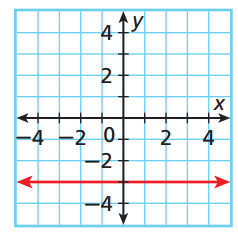
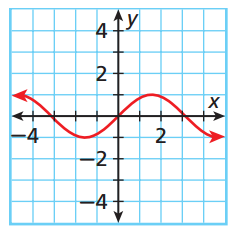


 Q1. A teacher designs a lesson where students compute real-life percentages such as discounts and savings. 👉 A student calculates 15% of 200 to determine savings in a purchase. What is the correct result? A. 20 B. 25 C. 30 D. 35 Q2. In a classroom activity, learners compare numbers to find the highest common factor for grouping materials evenly. 👉 What is the GCF of 24 and 36? A. 6 B. 8 C. 12 D. 18 📘 FRACTIONS, DECIMALS, AND POWERS Q3. A learner converts fractions into percentages for data interpretation. 👉 What is 3/4 expressed as a percentage? A. 50% B. 60% C. 75% D. 80% Q4. A student models exponential growth using repeated multiplication. 👉 What is the value of 252^525? A. 25 B. 30 C. 32 D. 64 📘 ALGEBRA (EQUATIONS AND EXPRESSIONS) Q5. A teacher guides students to solve equations that represent real-life situations. 👉 Solve: 2x+8=202x + 8 = 202x+8=20 A. x = 4 B. x = 6 C. x = 8 D. x = 10 Q6. Students simplify expressions to understand relationships between quantities. 👉 Simplify: 3(x+4)−2x3(x + 4) - 2x3(x+4)−2x A. x + 12 B. x + 4 C. 5x + 4 D. 5x + 12 📘 FUNCTIONS AND GRAPHING Q7. A student analyzes a linear equation to determine its rate of change. 👉 What is the slope of y=3x−5y = 3x - 5y=3x−5? A. -5 B. -3 C. 3 D. 5 Q8. A learner evaluates functions to predict outcomes. 👉 If f(x)=2x+3f(x) = 2x + 3f(x)=2x+3, what is f(4)f(4)f(4)? A. 7 B. 9 C. 11 D. 14 📘 GEOMETRY Q9. Students explore geometric shapes and their properties through visual models. 👉 What is the sum of interior angles of a triangle? A. 90° B. 180° C. 270° D. 360° Q10. A student calculates the area of a classroom table with dimensions 8 cm by 5 cm. 👉 What is the area? A. 26 sq cm B. 30 sq cm C. 40 sq cm D. 48 sq cm 📘 MEASUREMENT AND FIGURES Q11. A learner determines the volume of a cube used in a science experiment. 👉 What is the volume of a cube with side 4 cm? A. 16 cubic cm B. 32 cubic cm C. 48 cubic cm D. 64 cubic cm Q12. Students identify shapes used in design projects. 👉 How many sides does a hexagon have? A. 5 B. 6 C. 7 D. 8 📘 STATISTICS AND PROBABILITY Q13. A teacher helps students interpret data sets using measures of central tendency. 👉 What is the mean of 4, 6, 8, 10, 12? A. 6 B. 8 C. 10 D. 12 Q14. A class experiment involves flipping a fair coin. 👉 What is the probability of getting heads? A. 1/4 B. 1/3 C. 1/2 D. 2/3 📘 WORD PROBLEMS (APPLICATION) Q15. A car travels 180 km in 3 hours during a learning task on speed. 👉 What is its average speed? A. 45 km/h B. 60 km/h C. 75 km/h D. 90 km/h Q16. Students analyze work efficiency in a project. 👉 If 5 workers complete a task in 12 days, how long will 10 workers take? A. 3 days B. 6 days C. 8 days D. 12 days Q17. A student solves a problem involving ratios in a classroom population. 👉 If the ratio of boys to girls is 3:2 and there are 30 students, how many boys are there? A. 12 B. 15 C. 18 D. 20 Q18. A learner determines the duration of a scheduled trip. 👉 A journey starts at 8:30 AM and ends at 11:15 AM. How long is the trip? A. 2 hrs 15 mins B. 2 hrs 30 mins C. 2 hrs 45 mins D. 3 hrs 15 mins Q19. A student computes simple interest for financial literacy. 👉 What is the simple interest on ₱1000 at 5% for 2 years? A. ₱50 B. ₱75 C. ₱100 D. ₱150 Q20. A learner solves a perimeter problem involving a rectangle. 👉 A rectangle has a length of 12 cm and perimeter of 34 cm. What is the width? A. 5 cm B. 7 cm C. 10 cm D. 11 cm ✅ ANSWER KEY (BASED ON YOUR REVIEWER) (All verified from your uploaded file) [ilide.info...002acd4e5a | PDF] QAnswer1C2C3C4C5B6A7C8C9B10C11D12B13B14C15B16B17C18C19C20AA. Arundhati Roy B. Jhumpa Lahiri C. Salman Rushdie D. Anita Desai ________________________________________ 2. The Lowland was published in: A. 2001 B. 2013 C. 2010 D. 2005 ________________________________________ 3. Which earlier work earned Lahiri the Pulitzer Prize? A. The Namesake B. Unaccustomed Earth C. Interpreter of Maladies D. The Lowland ________________________________________ 4. The novel is primarily about: A. Technology and modernity B. Immigration, family, and political violence C. Business rivalry D. Mythology and folklore ________________________________________ 5. The two central brothers in the novel are: A. Rahul and Anil B. Subhash and Udayan C. Gogol and Ashoke D. Amit and Nikhil ________________________________________ 6. Where did the brothers grow up? A. Mumbai B. Dhaka C. Calcutta D. Delhi ________________________________________ 7. Udayan becomes involved in: A. Peace activism B. Cinema C. Naxalite movement D. Business ________________________________________ 8. Subhash moves to: A. London B. Rhode Island C. Toronto D. Chicago ________________________________________ 9. Udayan is killed in: A. Jail B. A riot C. The lowland near his house D. A car accident ________________________________________ 10. Why does Subhash marry Gauri? A. Love B. To protect her and her unborn child C. Financial benefit D. Family pressure ________________________________________ 11. Gauri eventually: A. Becomes a politician B. Starts a business C. Leaves her family D. Returns to India ________________________________________ 12. Subhash raises Bela: A. With Gauri B. Alone C. With help from his parents D. In India ________________________________________ 13. Bela grows up believing: A. Udayan is her father B. Subhash is her father C. She has no father D. Her father died in war ________________________________________ 14. The setting of political unrest is linked to: A. Partition B. Naxalbari uprising C. Independence movement D. Civil War ________________________________________ 15. The narrative style uses: A. Magical realism B. Non-linear structure C. Poetry D. Second-person narration ________________________________________ 16. Gauri’s character represents: A. Traditional motherhood B. Obedient wife C. Intellectual autonomy and emotional detachment D. Political activism ________________________________________ 17. Bela’s character signifies: A. Rebellion against education B. Second-generation identity struggle C. Complete assimilation D. Materialistic living ________________________________________ 18. Memory in the novel functions as: A. A simple recollection B. A haunting presence affecting identity C. A forgotten history D. A symbolic decoration ________________________________________ 19. The lowland itself symbolizes: A. Wealth B. Stability C. Transitional, unstable space D. Escape ________________________________________ 20. Lahiri’s prose style can be described as: A. Flowery and ornate B. Minimalistic and restrained C. Dramatic and verbose D. Highly poetic ________________________________________ 21. Water imagery reflects: A. Joy and happiness B. Power and victory C. Memory and emotional fluidity D. Evil ________________________________________ 22. Which theory applies strongly to this novel? A. Structuralism B. Postcolonial hybridity C. Absurdism D. Modernism ________________________________________ 23. Postcolonial hybridity is linked to: A. Complete assimilation B. Identity in-between cultures C. Traditional values D. Language fluency alone ________________________________________ 24. Which character best reflects second-generation identity conflict? A. Gauri B. Bela C. Subhash D. Udayan ________________________________________ 25. What does Subhash struggle with most? A. Career failure B. Language C. Guilt and secrecy D. Wealth ________________________________________ 26. Udayan’s ideology centers on: A. Business growth B. Armed communist revolution C. Religious reform D. Education ________________________________________ 27. The novel shows how political violence leads to: A. Personal healing B. Economic prosperity C. Emotional trauma across generations D. Cultural unity ________________________________________ 28. Betrayal appears as: A. Only political B. Only emotional C. Both political and familial D. A background idea ________________________________________ 29. The genre of the text best fits: A. Fantasy B. Realistic political family saga C. Science fiction D. Thriller ________________________________________ 30. The narrative constantly shifts between: A. Dream and reality B. India and America C. Past and future India D. Fiction and nonfiction ________________________________________ 31. Homi Bhabha’s "third space" represents: A. Physical land B. A zone of cultural in-betweenness C. A literal building D. A heavenlike vision ________________________________________ 32. Gauri symbolizes: A. Traditional widowhood B. Female agency vs social expectation C. Blind loyalty D. Economic dependence ________________________________________ 33. Bela unknowingly inherits: A. Udayan’s ideology B. Gauri’s academic passion only C. Subhash’s calmness D. Grandparents’ wealth ________________________________________ 34. Lahiri uses silence to: A. Avoid details B. Deepen psychological complexity C. Reduce story relevance D. Simplify events ________________________________________ 35. A major structural device is: A. Letters B. Non-linear flashbacks C. Mythic storytelling D. Metafiction ________________________________________ 36. Which text offers a migrant theme comparison? A. The God of Small Things B. The White Tiger C. The Namesake D. Train to Pakistan ________________________________________ 38. The Naxalite movement first emerged in: A. Mumbai B. Naxalbari village C. Delhi D. Kerala ________________________________________ 39. Which theme repeats strongly? A. Celebration of success B. Silence and secrets C. Fantasy D. Heroism ________________________________________ 40. What does Bela do as an adult? A. Becomes a doctor B. Engages in environmental activism C. Joins corporate life D. Moves into politics ________________________________________ 41. The immigrant experience in the novel is portrayed as: A. Full belonging B. Alienation and partial belonging C. Achievement D. Liberation ________________________________________ 42. Which idea does Lahiri question through Gauri? A. Heroism B. Maternal expectation C. Religious devotion D. Wealth ________________________________________ 43. Subhash represents: A. Pure rebellion B. Survival and adaptation C. Anti-immigrant sentiment D. Total withdrawal ________________________________________ 44. Lahiri’s writing expects readers to: A. Passively accept the plot B. Read emotional subtext in silences C. Ignore symbols D. Only enjoy the story ________________________________________ 45. The lowland as a metaphor mainly signifies: A. Joy B. Unstable cultural ground C. Triumph D. Isolation from family ________________________________________ 46. Why is The Lowland considered significant? A. Its fantasy themes B. Its deep engagement with politics & identity C. Its humor D. Its romantic style ________________________________________ 47. Which comparative author also writes about diaspora identity? A. Chetan Bhagat B. Amitav Ghosh C. Premchand D. Ruskin Bond ________________________________________ 48. Udayan’s death drives the plot because: A. Family hides it B. It forces new relationships & trauma C. People forget him D. It has no consequence ________________________________________ 49. The narrative ends emphasizing: A. Closure and peace B. Lasting consequences of secrets C. National identity D. Religious conflict ________________________________________ 50. Scholars study this work because it explores: A. Only Indian history B. Trauma, diaspora, gender & politics C. Folk storytelling D. ComedyIdentify the different types of solutions for systems of linear equations in two variables. 8.9 Identify and Verify the values of x and y that simultaneously Satisfy Two Linear EquationsidentifyIdentify and describe the relationship between irregular polygons using scale factorsIdentify patterns of odd and even numbers in the times tablesIdentify coordinating conjunction in a sentence