Loading...


Kind Or Unkind (Ot)
Quiz by Madeline Kurtz
Customize this quiz to suit your class
Instantly translate to 100+ languages
Tag the questions with any skills you have. Your dashboard will track each student's mastery of each skill.
Give this quiz to my class
Is this kind or unkind?
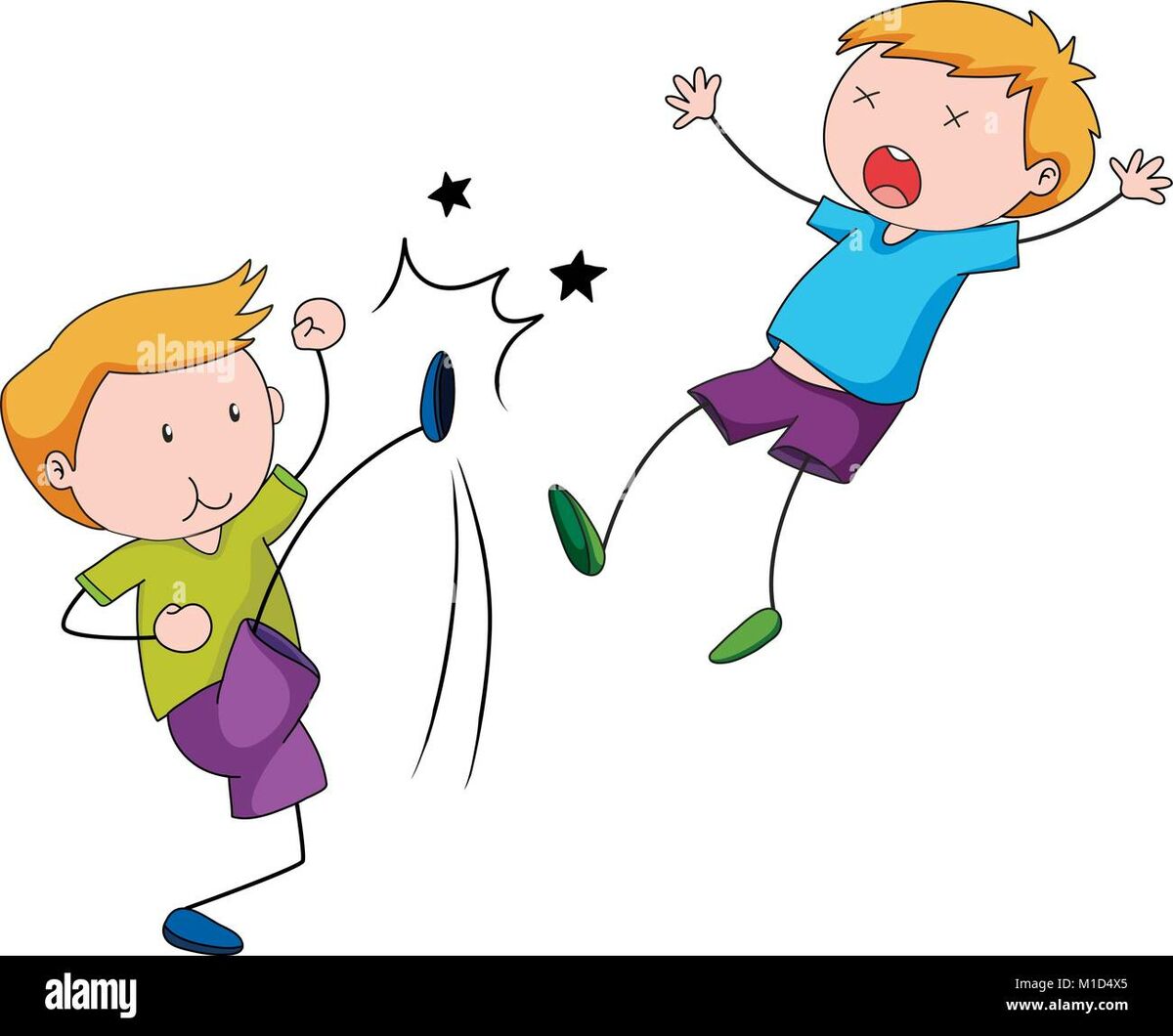
Unkind
Kind
Is this kind or unkind?
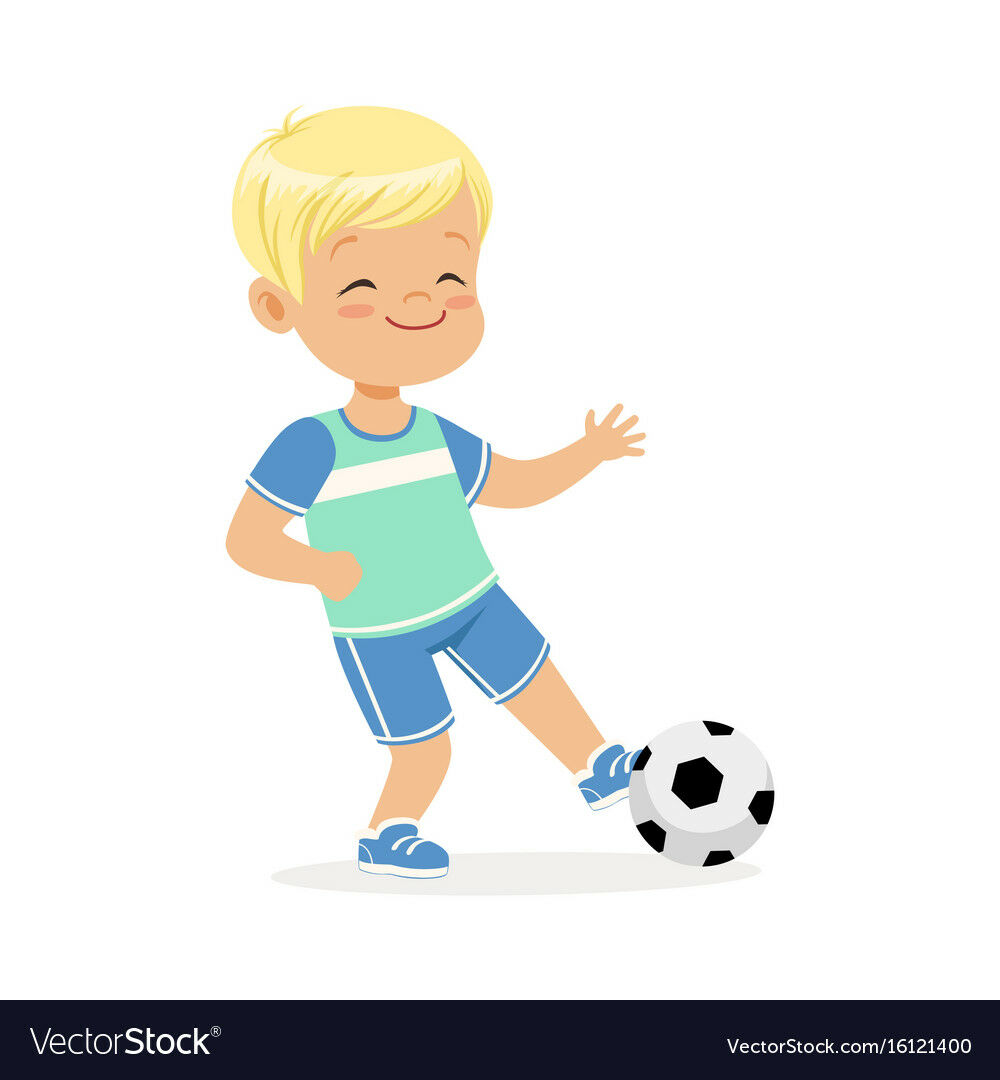
Unkind
Kind
Is this kind or unkind?

Is this kind or unkind?

Is this kind or unkind?
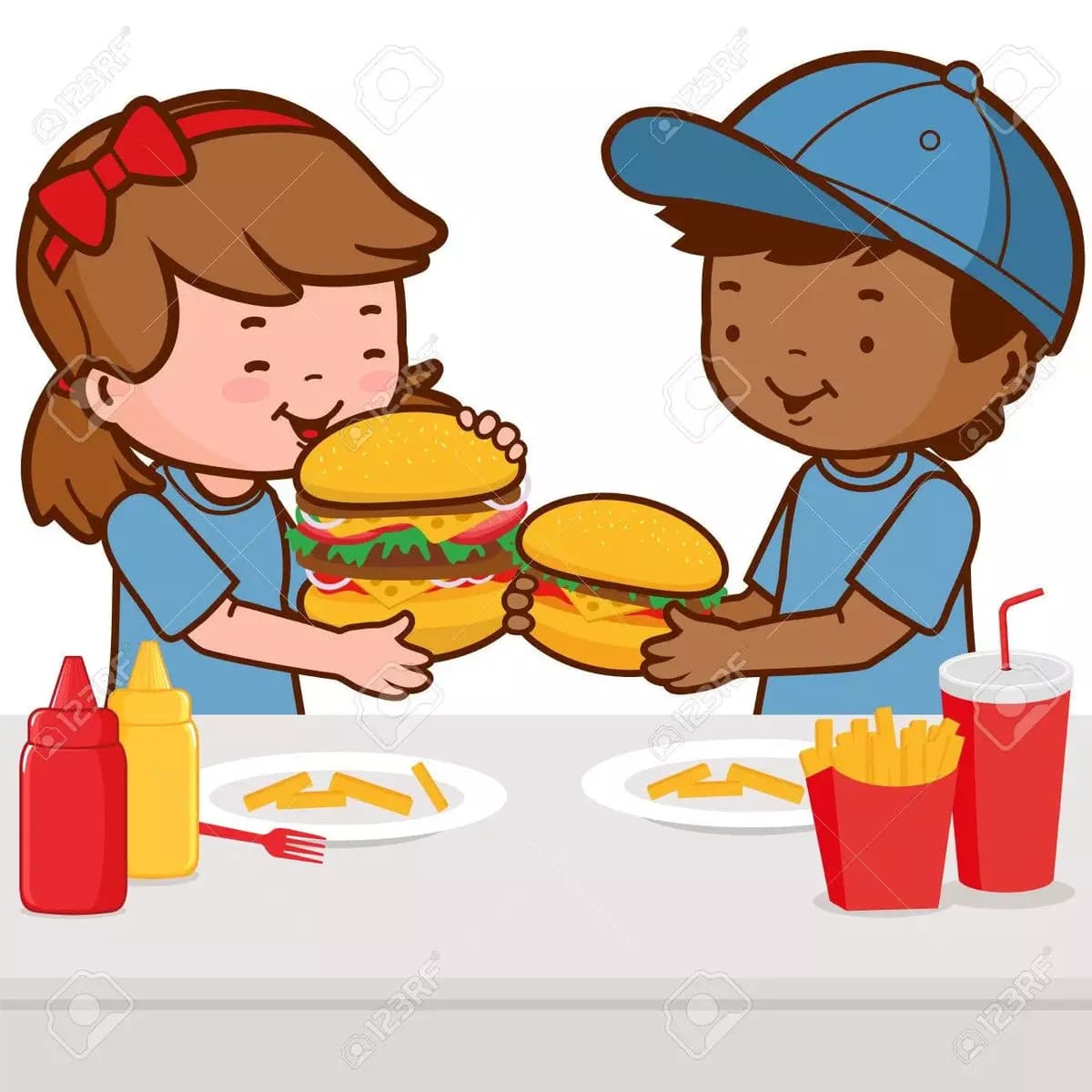
Is taking food from friends without being offered Kind or Unkind
Is this kind or unkind?
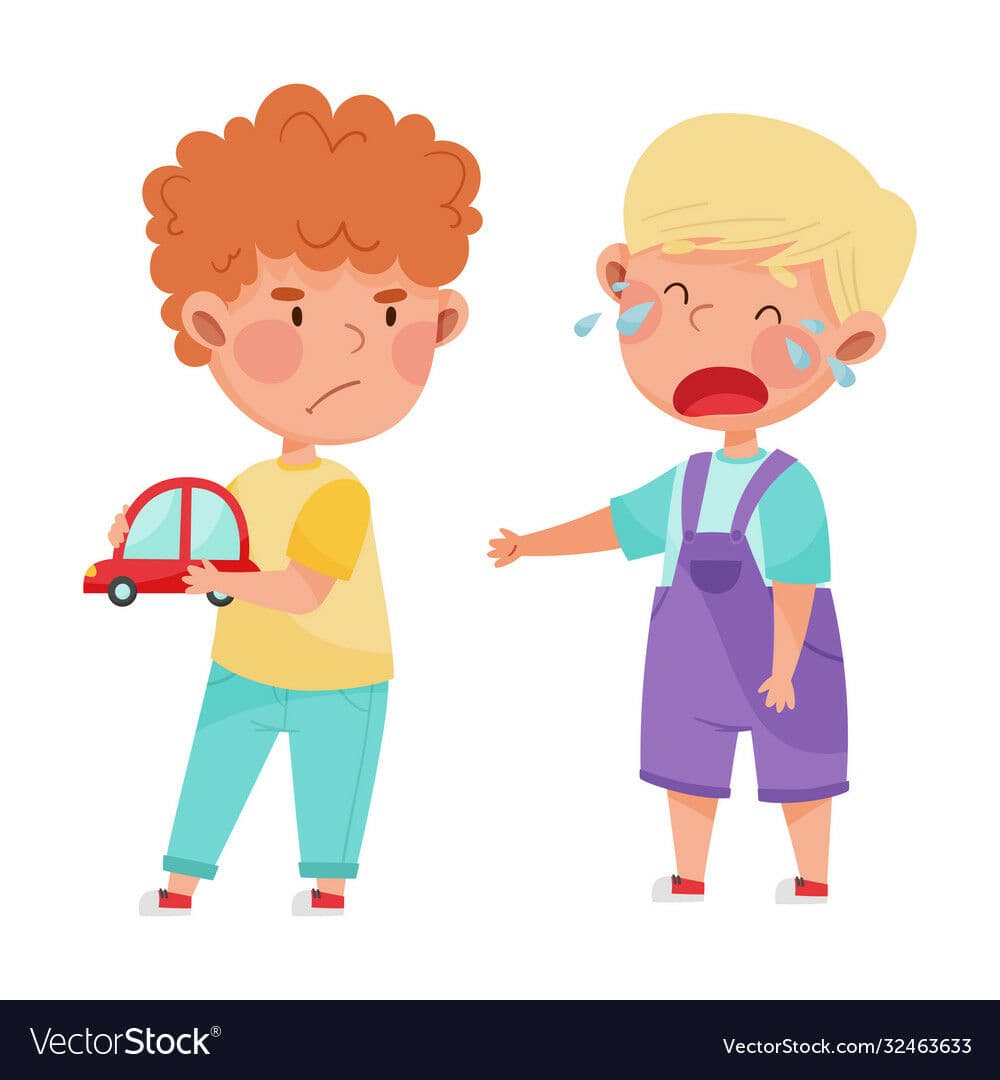
Is this kind or unkind?
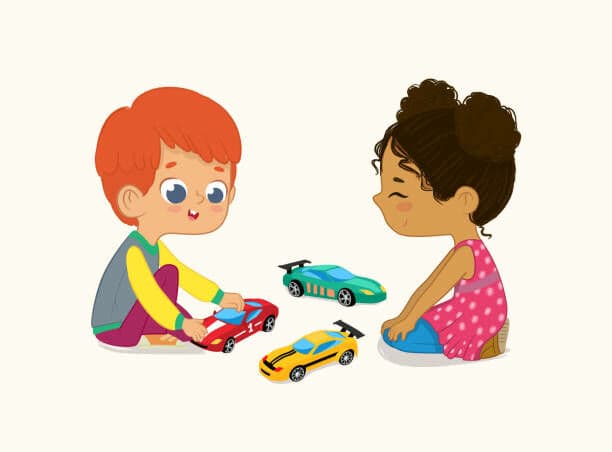
Is this kind or unkind?
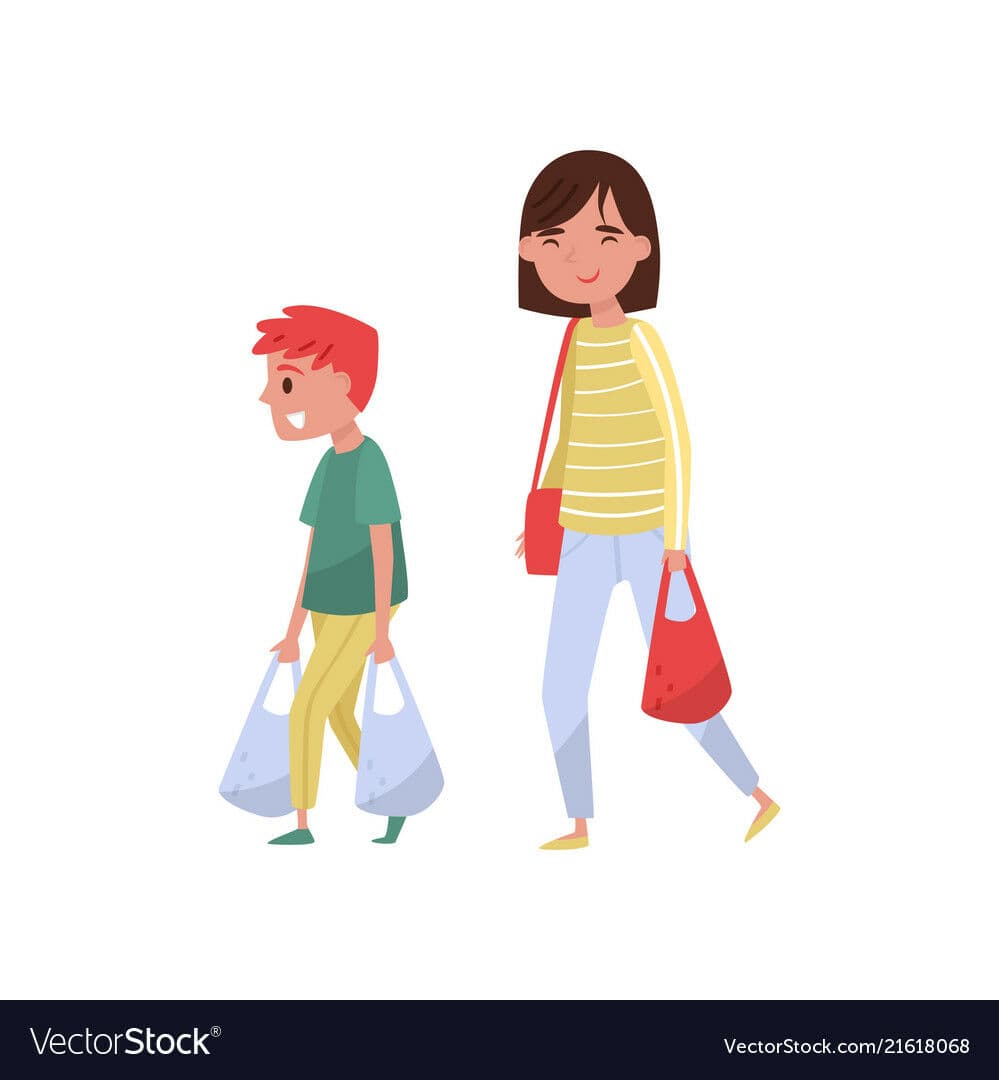
Is this kind or unkind?

Is giving personal space kind or unkind?
Is saying no to a hug kind or unkind?
Is this kind or unkind?
 Qualitative or Quantitative & What Kind?Evaluative or Persuasive ? Select the most suitable kind of writing for each expression In many cases, cells must move materials from an area of lower concentration to an area of higher concentration, or “up” their concentration gradient. Such movement of materials is known as active transport. Unlike passive transport, active transport requires a cell to expend energy. CELL MEMBRANE PUMPS Ion channels and carrier proteins not only assist in passive trans- port but also help with some types of active transport. The car- rier proteins that serve in active transport are often called cell membrane “pumps” because they move substances from lower to higher concentrations. Carrier proteins involved in facilitated diffusion and those involved in active transport are very similar. In both, the molecule first binds to a specific kind of carrier protein on one side of the cell membrane. Once it is bound to the molecule, the protein changes shape, shielding the molecule from the hydrophobic interior of the phospholipid bilayer. The protein then transports the molecule through the membrane and releases it on the other side. However, cell membrane pumps require energy. Most often the energy needed for active transport is supplied directly or indirectly by ATP. Sodium-Potassium Pump One example of active transport in animal cells involves a carrier protein known as the sodium-potassium pump. As its name sug- gests, this protein transports Na ions and K ions up their con- centration gradients. To function normally, some animal cells must have a higher concentration of Na ions outside the cell and a higher concentration of K ions inside the cell. The sodium- potassium pump maintains these concentration differences. Follow the steps in Figure 5-6 on the next page to see how the sodium-potassium pump operates. First, three Na ions bind to the carrier protein on the cytosol side of the membrane, as shown in step . At the same time, the carrier protein removes a phosphate group from a molecule of ATP. As you can see in step , the phos- phate group from the ATP molecule binds to the carrier protein. Step shows how the removal of the phosphate group from ATP supplies the energy needed to change the shape of the carrier pro- tein. With its new shape, the protein carries the three Na ions through the membrane and then forces the Na ions outside the cell where the Na concentration must remain high. 3 2 1 SECTION 2 OBJECTIVES ● Distinguish between passive transport and active transport. ● Explain how the sodium-potassium pump operates. ● Compare endocytosis and exocytosis. VOCABULARY active transport sodium-potassium pump endocytosis vesicle pinocytosis phagocytosis phagocyte exocytosis www.scilinks.org Topic: Active Transport Keyword: HM60018 mb06se_homs02.qxd 5/18/07 11:02 AM Page 103 104 CHAPTER 5 K+ K+ K+ K+ K+ K+ INSIDE OF CELL OUTSIDE OF CELL Carrier protein Cell membrane P P P P Na+ Na+ Na+ ATP ADP Na+ Na+ Na+ Na+ Na+ Na+ 1 2 3 4 5 6 At this point, the carrier protein has the shape it needs to bind two K ions outside the cell, as step shows. When the K ions bind, the phosphate group is released, as indicated in step , and the carrier protein restores its original shape. As shown in step this time, the change in shape causes the carrier protein to release the two K ions inside the cell. At this point the carrier protein is ready to begin the process again. Thus, a complete cycle of the sodium-potassium pump transports three Na ions out of the cell and two K ions into the cell. At top speed, the sodium-potassium pump can transport about 450 Na ions and 300 K ions per second. The exchange of three Na ions for two K ions creates an electrical gradient across the cell membrane. That is, the outside of the membrane becomes positively charged relative to the inside of the membrane, which becomes relatively negative. In this way, the two sides of the cell membrane are like the positive and nega- tive terminals of a battery. This difference in charge is important for the conduction of electrical impulses along nerve cells. The sodium-potassium pump is only one example of a cell membrane pump. Other pumps work in similar ways to transport important metabolic materials across cell membranes.Create a quiz with these questions: Tempo – Questions What Italian word means "slow"? What tempo marking means “lively” or “fast”? What tempo marking means “walking pace”? What word is used for “very fast” tempo? What do we call a gradual change in tempo? What term means to return to the original tempo? 🔊 Dynamics – Questions What symbol tells you to play loudly? What dynamic marking means “very soft”? What is it called when music suddenly becomes soft? What dynamic term means to gradually get louder? What do mp and mf stand for? What two markings show extreme contrast in dynamics? 📝 Note Values – Questions What note gets one beat in 4/4 time? What kind of note gets half a beat? Two of what type of note equal a whole note? What note has a stem, is filled in, and has one flag? What kind of dot adds half the value of the note it follows? What combination of notes equals a dotted quarter note? 📏 Time Signatures – Questions What time signature has 2 beats per measure? What time signature is used for waltzes? What time signature is used in marches? What does the top number in a time signature tell us? In 4/4 time, how many beats are in 3 quarter notes and 1 eighth note? What time signature is called “compound duple” and used in Irish jigs? 📻 Current Music Info – Questions Which artist had the highest-grossing tour by 2025? What is the most-used music streaming service in 2025? What music genre continues to top the Billboard charts in 2025? Which artist released a surprise double album in 2024? What tech company released a hit AI-generated song? Who is the youngest artist to win Album of the Year twice? 🎺 Instruments & Timbre – Questions What instrument family includes the violin and cello? What family do the flute and clarinet belong to? What instrument has black and white keys and is both string and percussion? Timbre describes what aspect of a sound? What word describes how instruments are combined in an arrangement? What double reed instrument often plays the tuning note in an orchestra?What is an earthquake? Would you be surprised to learn that several million earthquakes happen every year? Seriously. Most are so small in magnitude or size that we cannot even feel them. In fact, only 20 earthquakes are efficiently reported each year in the United States Geological Survey. Wow! That is a huge difference! The Earth has four major layers. Inner core, outer core, mantle, and crust. Think of the crust and top of the mantle like the skin of the earth. This skin is made up of different pieces of rock called tectonic plates. There are about 15 major slabs that join together, kind of like a puzzle. The edges around the tectonic plates are called plate boundaries. These massive pieces of rock slide back and forth under the Earth's surface, bumping up against each other and creating a lot of tension. This tension and movement create faults, which are basically huge cracks in the rock. When the faults get stuck, they build up pressure. And when they get unstuck, you guessed it, an earthquake. So basically, an earthquake is caused by the shifting and sliding of tectonic plates on the Earth's upper mantle and crust. There are three ways that tectonic plates shift or slide. They are subduction, lateral sliding, and spreading. Subduction happens when plates crash into each other. This can cause one plate to slide under another and be destroyed. Or the edges of the plate may rise up and form mountains. Lateral sliding means that the plates slide alongside each other, which can create lots of friction. And like you might have guessed, spreading happens when plates move apart from each other. When they do, melted rock between the plates rises and cools, forming new crust. Here's an interesting fact. Nearly 90% of all earthquakes begin in the Pacific Ocean, in an area called the Ring of Fire. It's called the Ring of Fire because along with earthquakes, it's filled with many active volcanoes. More than 450! Earthquakes can be powerful enough to change the surface of the earth and can do a lot of damage. And sometimes earthquakes can even cause other natural disasters, like avalanches, landslides, and tsunamis. Pretty wild, right? The epicenter is the location of an earthquake on the Earth's surface. The closer you are to the epicenter, the more of the earthquake you will feel. Earthquakes lose intensity as they travel away from the epicenter. Scientists measure the intensity of an earthquake using a special device called a seismograph. Seismometers detect and measure the vibrations given off by an earthquake. Magnitude is the number given to record the size of an earthquake. For example, a magnitude 5.5 is considered moderate. Above 8.0 is considered a major earthquake and we see one every year or two. Earthquakes measured at 2.5 or less are usually not felt, but can be recorded. And believe it or not, there are millions that happen each year. You can make a model of a seismograph at home, and we are going to show you how. It's activity time! You can print off directions for this one on our website at learnbright.org. You'll need a cardboard box, string, a plastic cup, a marker, small heavy objects, a long strip of paper, and a friend because this is an activity for at least two people. Now comes the fun part. One friend shakes the box, alternating between hard and soft and slow and fast, while the other friend is pulling the strip of paper through the bottom. Watch the marker as it records the movement. This is exactly what a seismograph does during an earthquake. So, in a way, we have not only created our own seismograph, but our own earthquake as well. Now, we can analyze the data just like scientists. Can you tell how hard the box was shaking based on the line? Can you tell when it was barely shaking at all? You are on your way to becoming a seismologist. A seismologist is a person that studies earthquakes. It's pretty cool to watch the process, but it's even more exciting to do it yourself. You can head on over to our website to get detailed instructions for this activity. Just download the lesson plan and as always have fun! Hope you had fun learning with us! Visit us at learnbright.org for thousands of Hope you had fun learning with us! Visit us at learnbright.org for thousands of free resources and turnkey solutions for teachers and homeschoolers.Improving one’s physical appearance is the primary concern, of all people from all walks of life. Not only the party goers, career-oriented, or the celebrities but also ordinary people like us. So one must be careful in choosing the kind of cosmetic products that will not cause any harmful effects to their health as well as the environment. Objectives: Pretest: Home Economics and Livelihood Education 7 Seibo College 43 Cosmetics are products used to beautify, clean or protect the skin, hair, and other parts of the body. Examples of these are make-up, gel, hair spray, and hair dye. Prolong usage of these products will be harmful for your health as well as the environment. What are cosmetics? Cosmetics refer to any preparation intended to beautify the human body, more specifically the face. Make-up preparations – are formulated with covering creams that are skin toned and dense in texture to hide or conceal skin blemishes. Hair spray - is a liquid preparation in an aerosol or other spray container use for holding the hair in place. Home Economics and Livelihood Education 7 Seibo College 44 Hair dye - is a hair coloring matter use to give hair a new color. Gel - a semi rigid or a dispersion of a solid with liquid as in jelly or glue, use to hold the hair in a specific style. Now, take note of the different components commonly found in hair spray. a. Aerosol – is a substance sealed in a container under pressure, with a device for releasing it as a fine spray. Components of aerosol: 1. propane gas - means colorless, flammable gas. 2. butane gas - is the most dangerous substance because it contains carcinogen 3. carcinogen - is a substance that causes cancer. Are you aware of the Global Warming? Do you feel the heat of the sun becoming more intense, especially during summer time? It is due to the continuous depletion of the Ozone Layer. And the depleted ozone layer is caused by aerosol, CFCs (chlorofluorocarbon) and air pollution. The presence of CFCs in the atmosphere can destroy millions of ozone molecules. The destruction of the ozone molecules can cause black hole on the ozone layer which allow the ultraviolet radiation to pass through it down to earth’s surface. Home Economics and Livelihood Education 7 Seibo College 45 Ultraviolet rays coming from the sun penetrates the earth causing us harmful effects. Exposure to the unabsorbed ultraviolet radiation can cause skin cancer. b. CFC - chlorofluorocarbon is a combination of the following components: 1. chlorine - it is a poisonous gas that is highly irritating to the respiratory organ. 2. Fluorine – a toxic gas that occurs with the combination of fluorite, enyolite and other minerals. 3. carbon atoms The above mentioned chemicals do not combine easily with other substances and only vaporize at low temperature. An excessive use may destroy the ozone layer which protects the earth from ultraviolet rays of the sun.Dionysian- As distinguished from Apollonian, the word refers to sensual, pleasure-seeking impulses Dramatic Irony -A circumstance in which the audience or reader knows more about a situation than a character Elegy - A poem or prose selection that laments or meditates on the passing or death of something or someone of value Ellipsis- Three periods (...) indicating the omission of words in a thought or quotation Elliptical Construction - A sentence containing a deliberate omission of words Hyperbole- Overstatement; gross exaggeration for rhetorical effect Idyll- A lyric poem or passage that describes a kind of ideal life or place Image- A word or phrase representing that which can be seen, touched, tasted, smelled, or felt In Medias Res - A Latin term for a narrative that starts not at the beginning of events but at some other critical point Indirect Quotation A rendering of a quotation in which actual words are not stated but only approximated or paraphrasedOne of the best ways of ensuring a long life is by staying active, both physically and mentally. Ha~f an ho~r of vigor~us stretching in the morning will help to keep your muscles supple. whilst runnl~g for a kl lome~re or [wo will improve your cardiovascular fitness. Asyou get older. you might find It easier to go for a walk, but any kind of exercise is positive. It is also imperative to tax our brains. Sitting down with a book or a crossword is a useful way of exercising our minds and helps to keep us mentally flexible.