In order to survive in their environment, plants and animals must be adapted to that environment.
• seeds disperse by a plant’s own mechanism and/or in a variety of ways that can include wind, water, and animals;
• leaf, flower, stem, and root adaptations may include variations in size, shape, thickness, color, smell, and texture;
• animal adaptations include coloration for warning or attraction, camouflage, defense mechanisms, movement, hibernation, and migration
Track each student's skills and progress in your Mastery dashboards
Give this quiz to my class
Q 1/10
Score 0
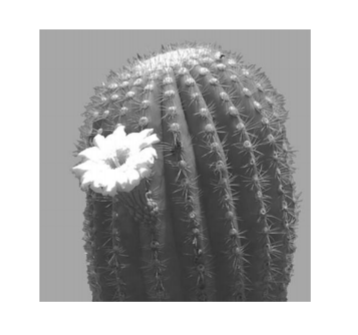
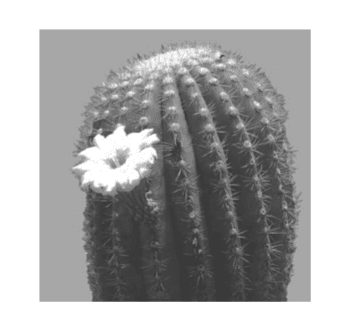
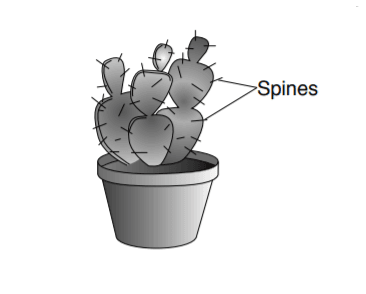
The photograph below shows a cactus plant covered with sharp spines.
How do the sharp spines on the cactus help it to survive?
60
They provide support for the plant.
They absorb sunlight
They keep animals away from the plant.
They carry food to the flower
Q 2/10
Score 0
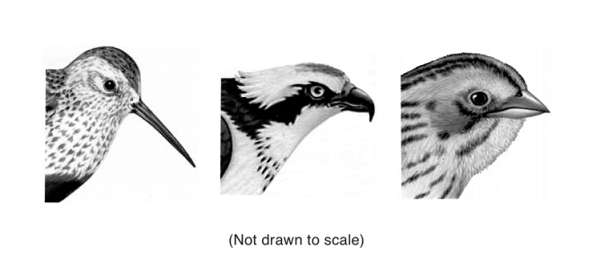
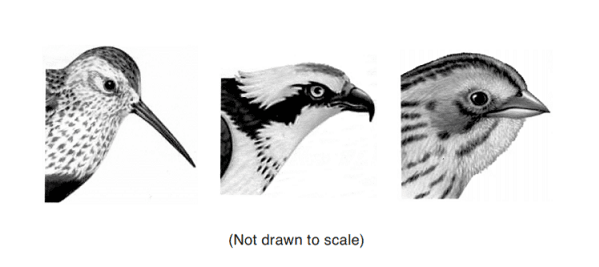
The diagram below shows the beaks of three different birds. Birds use their beaks to obtain food.
The differences in the birds' beaks are examples of
60
seasonal changes
physical adaptations
hibernations
migrations
10 questions
Q.
The photograph below shows a cactus plant covered with sharp spines.
How do the sharp spines on the cactus help it to survive?
1
60 sec
LE.3.1c
Q.
The diagram below shows the beaks of three different birds. Birds use their beaks to obtain food.
The differences in the birds' beaks are examples of
2
60 sec
LE.3.1c
Q.
The photograph below shows burdock seeds. The seeds are inside a structure with thin, sharp hooks.
These seeds will most likely be dispersed when they
3
60 sec
LE.3.1c
Q.
An octopus squirts black ink around itself to hide from predators. This adaptation is an example of
4
60 sec
LE.3.1c
Q.
Some birds build nests in the spring. This nest building is a seasonal adaptation that occurs to help the birds
5
60 sec
LE.3.1c
Q.
The diagram below shows a cactus plant with spines.
The spines help the cactus plant to survive by
6
60 sec
LE.3.1c
Q.
The diagrams below show four rabbits. Which rabbit would have the best chance of survival in a snowy environment?
7
60 sec
LE.3.1c
Q.
The diagram below shows a polar bear that lives in a cold, snowy environment. Four of the polar bear's body structures have been labeled.
Which body structure provides camouflage for the polar bear in its environment?
8
60 sec
LE.3.1c
Q.
Whales have thick blubber to help keep them warm in cold ocean waters and protect them from injury. The blubber of a whale is
9
60 sec
LE.3.1c
Q.
In which example is the organism defending itself?