Loading...


MDC 4 Exam 2 - Shock
Quiz by Heather Silvani
Tag the questions with any skills you have. Your dashboard will track each student's mastery of each skill.
What is the Mean Arterial Pressure (MAP) calculation?
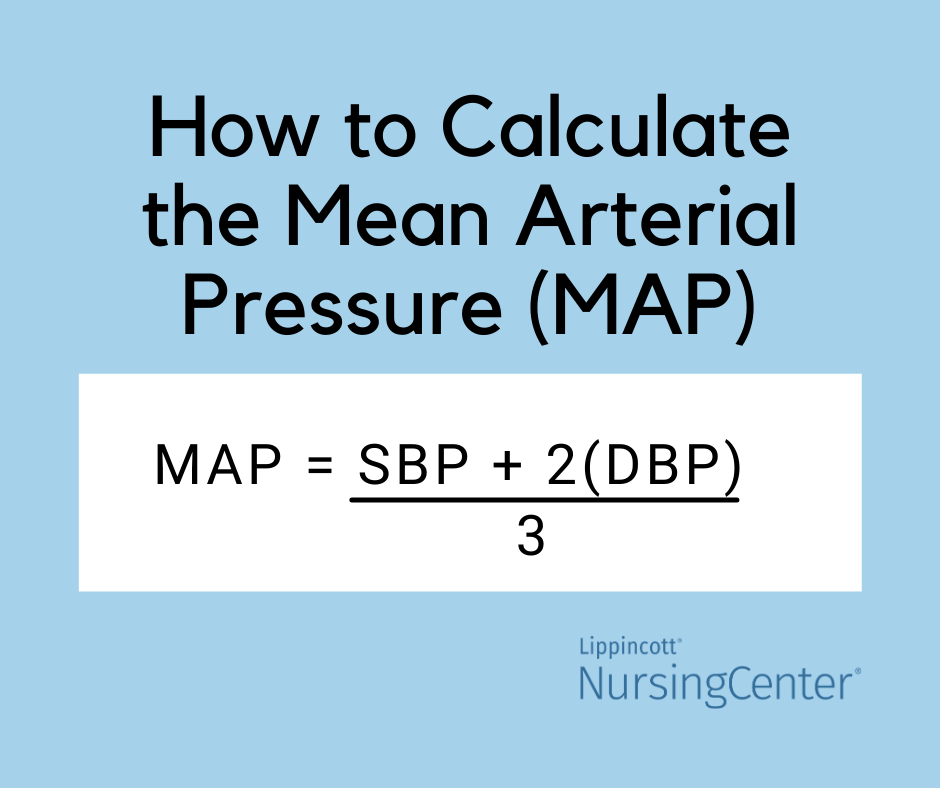
(Diastolic x 2) + Systolic / 3
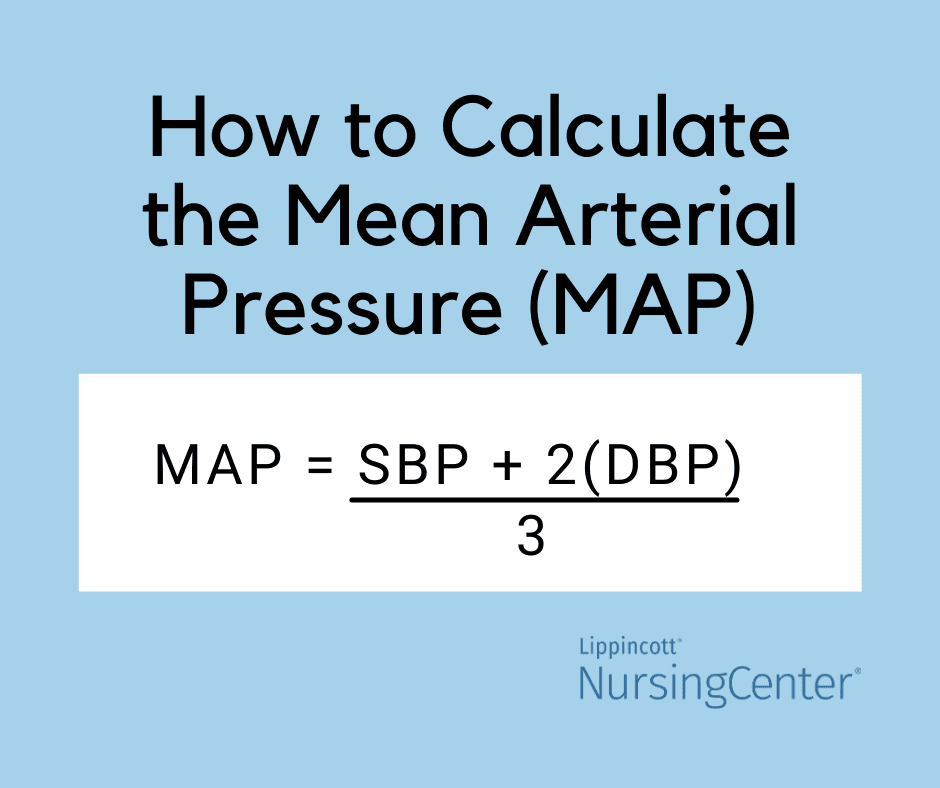
What is the Mean Arterial Pressure (MAP) calculation?
Causes of the types of shock:
Signs and symptoms of shock:
Neurogenic Shock Interventions:
Cardiogenic Shock Interventions:
Dobutamine is the drug of choice for cardiogenic shock. Important nursing consideration for this drug:
Which labs do you expect to order for a patient in cardiogenic shock:
True or False: Patient teaching for anaphylactic shock includes: Epipen, medical alert bracelet, avoid allergens
Emergency Tx of unknown shock includes: ABC and ______________.
Norepinephrine Use:
Hypovolemic shock is the loss of __________ volume resulting in a __________ MAP.
True or False: Hypovolemic shock results in inadequate total body perfusion and gas exchange.
In hypovolemic shock, the patient's lactate and potassium levels will be _________.
When giving PRBC's, the only IV solution you can use is:
S/S of Hypovolemic shock - Successful treatment Outcome:
True or False: Indications of developing Multi-Organ Failure include Shock and burns
During change of shift report, the nurse learns that a client has been admitted with dehydration and hypotension after having vomiting and diarrhea for 3 days. Which finding is most important for the nurse to report to the health care provider?
When the charge nurse is evaluating the skills of a new RN, which action by the new RN indicated a need for further education in the care of clients with shock?
A nurse is teaching a client who has septic shock about the development of disseminated intravascular coagulation. Which statement indicates the nurses correct understanding of DIC?
A client begins to show signs of shock. How should the client be positioned?
Which intervention will the nurse include in the plan of care for a client who has cardiogenic shock?
A client is being treated for distributive shock with IV norepinephrine. The nurse expects the drug to have which effect on the client's mean arterial pressure?
A nurse is reviewing the health records of clients. Which client is at greatest risk for developing acute respiratory distress syndrome and multiple organ dysfunction syndrome?
A client is being treated for hypovolemic shock. As the nurse reassesses the client, which finding indicates the interventions are effective?
When caring for a client who has early sepsis, which change in status is most important for the nurse to report to the health care provider?
Which information about a client receiving dobutamine to treat septic shock is most important for the nurse to communicate to health care provider?
The client, who is 2 days postoperative following a pneumonectomy, has an apical pulse rate of 128 beats/min and a blood pressure of 80/50 mmhg. Which intervention should the nurse implement first?
A nurse is assessing a client who has fluid volume overload from cardiogenic shock. Which manifestation of cardiogenic shock should the nurse expect?
When assessing a client who is severely bleeding and at risk for hypovolemic shock, the nurse anticipates which of the following?
A nurse is educating a new nurse on the different types of shock. The new nurse is asked to identify which client is not experiencing distributive shock?
Client with shock of unknown etiology whose hemodynamic monitoring indicates a blood pressure of 92/54 mm hg, pulse 64 beats/min, and an elevated pulmonary artery wedge pressure has the following collaborative interventions prescribed. Which intervention will the nurse question?