Loading...


MIDTERM MEDPHYS
Quiz by Noime S. Diwa
Tag the questions with any skills you have. Your dashboard will track each student's mastery of each skill.
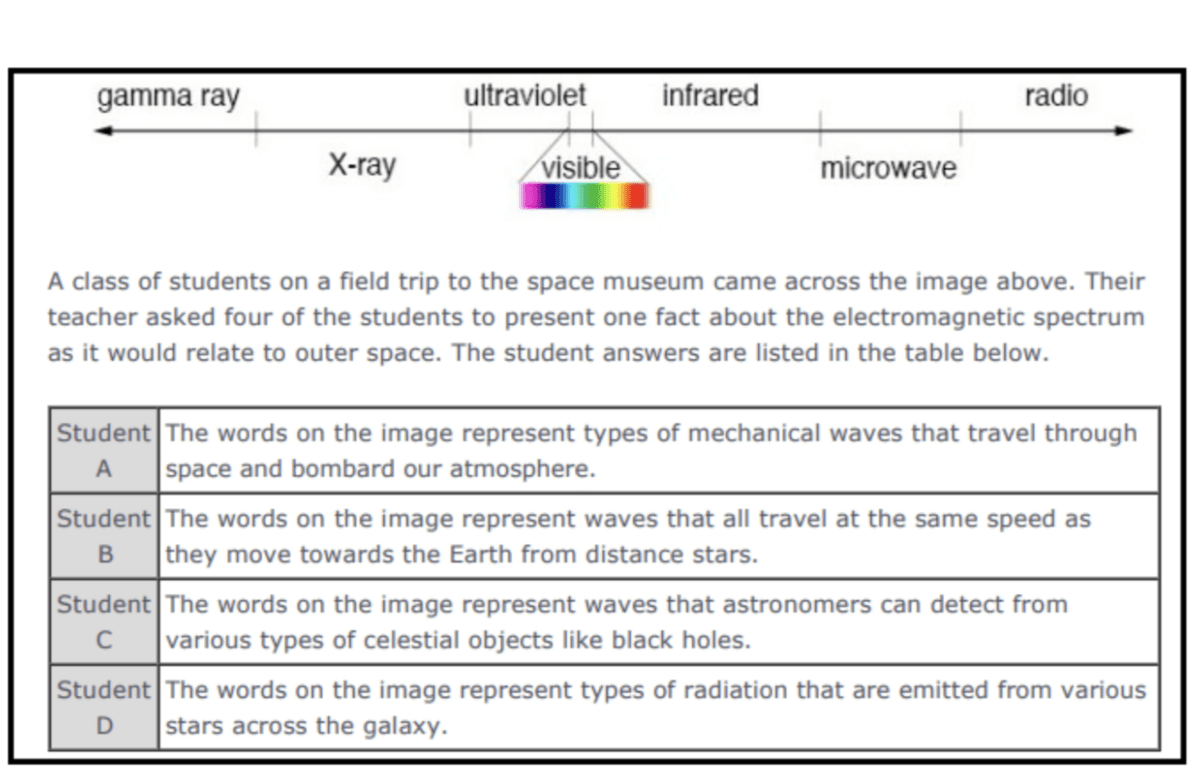
A class of students on a field trip to the space museum came across the image on the right. Their teacher asked four of the students to present one fact about the electromagnetic spectrum as it would relate to outer space. Which student(s) presented correct information?
The amplitude of two light waves (Light Wave A and Light Wave B) as a function of time are shown on the right. Refer to the information and graphs shown. Compare the period of time for Light Wave A to that of Light Wave B. Light Wave A has a period of time that is...
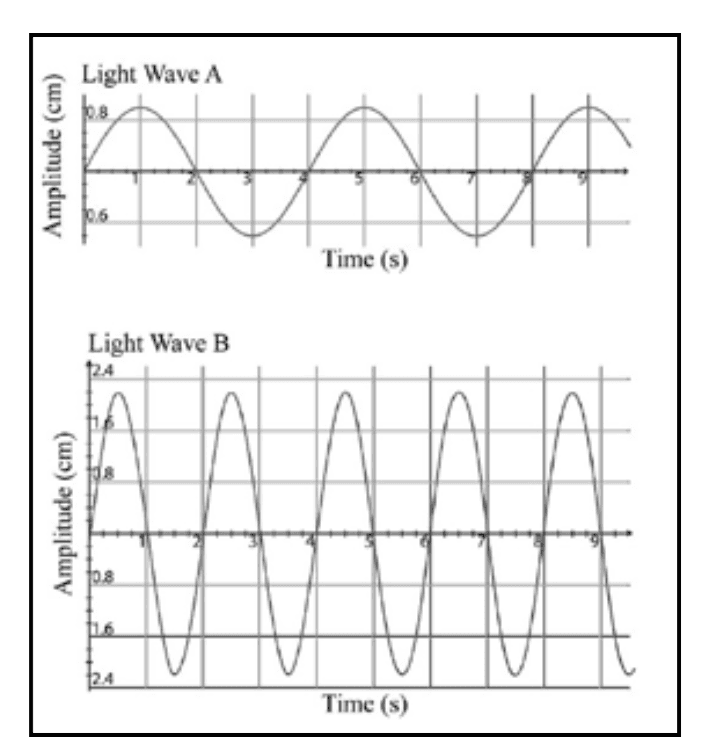
Refer to the above information and graphs. Compare the frequency of Light Wave A to that of Light Wave B. Light Wave A has a frequency that is...

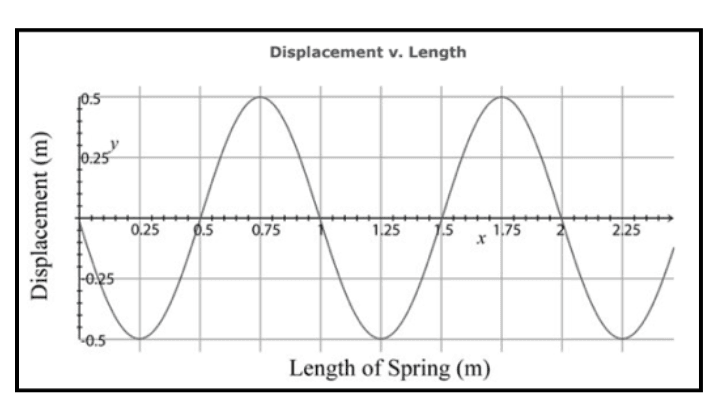
A student examined the motion of waves on a Slinky® by oscillating a spring along the floor. The student took a snapshot of the motion as shown on the right. What is the wavelength of the wave according to the Displacement v. Length graph above?

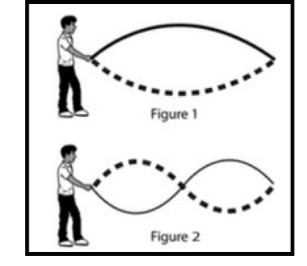
A student used a rope tied to a wall and formed a standing wave, as shown in Figure 1. The student then produced the second standing wave, as shown in Figure 2. According to the information and diagram shown above, which of the following wave properties increased?
A student creates a graph of position v. time for the height of a floating buoy as ocean waves go by. What is the amplitude of the buoy based on the graph on the graph?
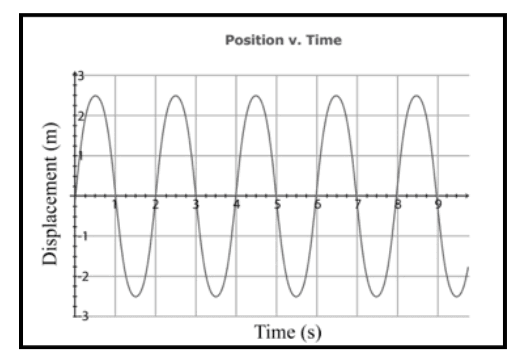
A student creates a graph of position v. time for the height of a floating buoy as ocean waves go by. Refer to the graph above. At what time will the buoy be at a crest?

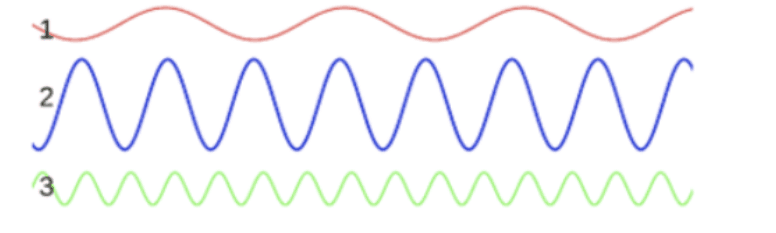
An astronomer is star gazing on the night when there is no Moon. He sees two blue stars in the sky, and one star is much brighter than the other. Which property of electromagnetic waves allows the astronomer to determine the brightness of a star?



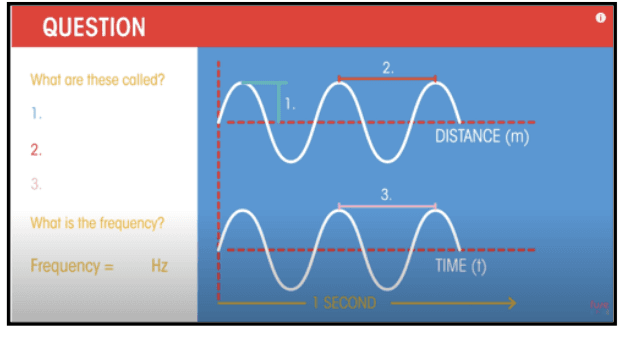
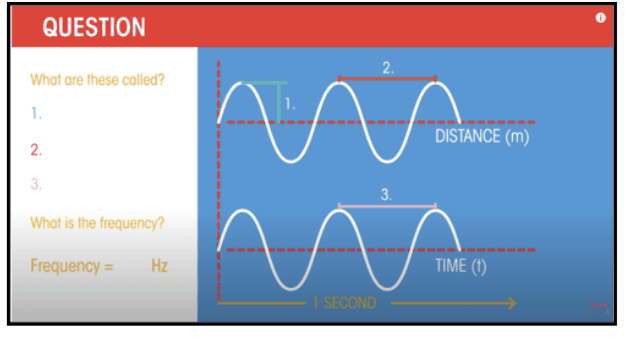
What is the frequency of this wave system? ("how many waves occurred within the one second?")

Calculate the speed of a periodic wave that has a wavelength of 2.0 m and a frequency of 3.0 Hz.
A particular light source gives off light waves with a measured wavelength of 2.0 X 10^-7 m. What is the frequency of the light source? (3E8 m/s = V) Where V=fλ
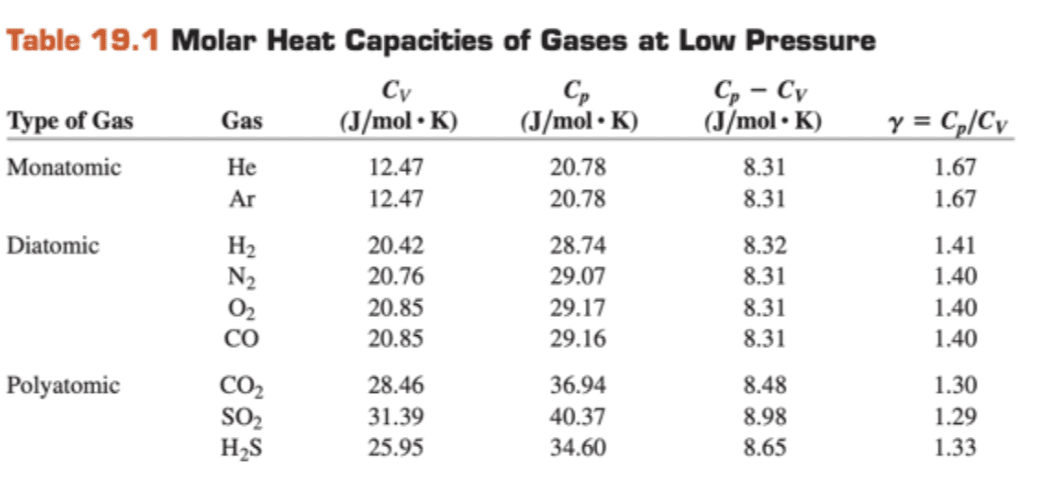
(At a temperature of 27.0°C, what is the speed of longitudinal waves in (a) hydrogen (molar mass 2.02 g>mol)
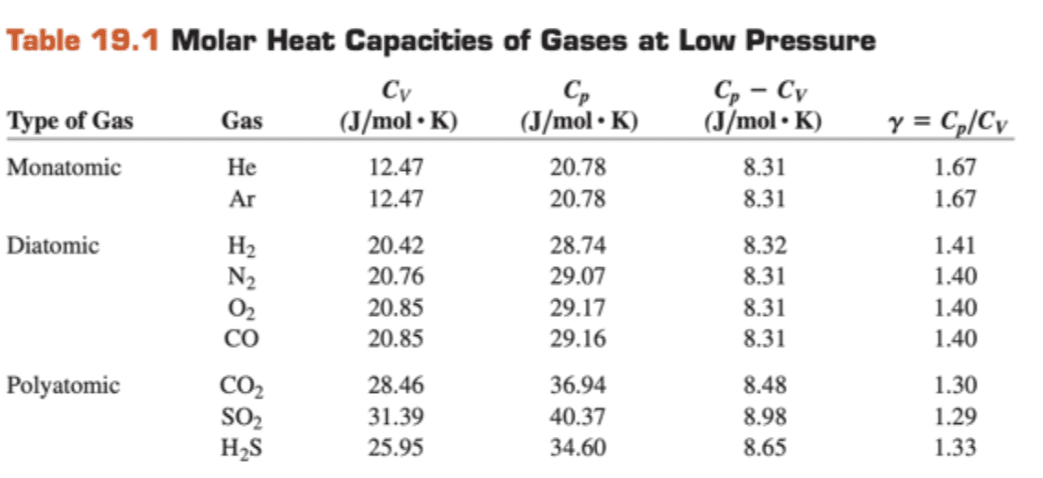
(At a temperature of 27.0°C, what is the speed of longitudinal waves in (b) helium (molar mass 4.00 g>mol);
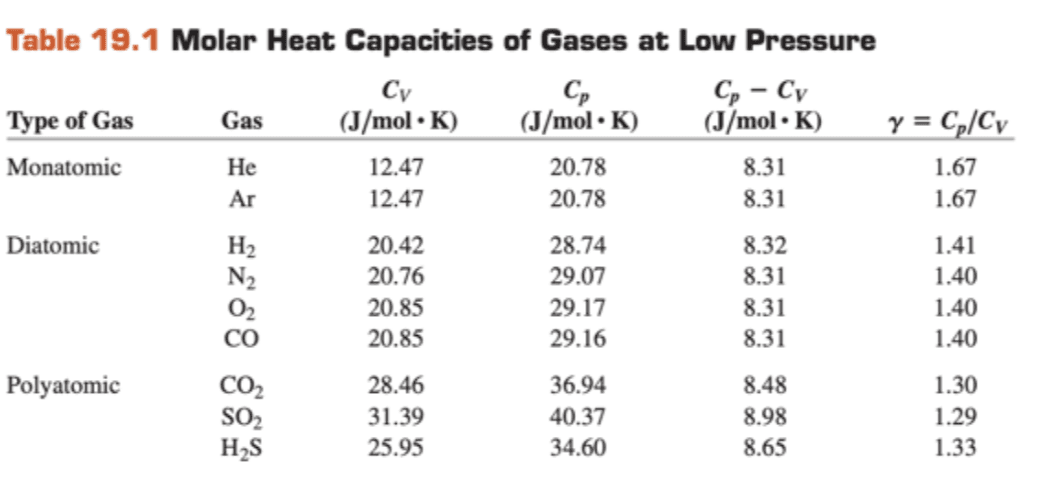
(At a temperature of 27.0°C, what is the speed of longitudinal waves in (c) argon (molar mass 39.9 g>mol)?
On the planet Arrakis a male ornithoid is flying toward his mate at 25.0 m>s while singing at a frequency of 1200 Hz. If the stationary female hears a tone of 1240 Hz, what is the speed of sound in the atmosphere of Arrakis?
Two train whistles, A and B, each have a frequency of 392 Hz. A is stationary and B is moving toward the right (away from A) at a speed of 35.0 m>s. A listener is between the two whistles and is moving toward the right with a speed of 15.0 m>s (Fig. E16.45). No wind is blowing. (a) What is the frequency from A as heard by the listener?
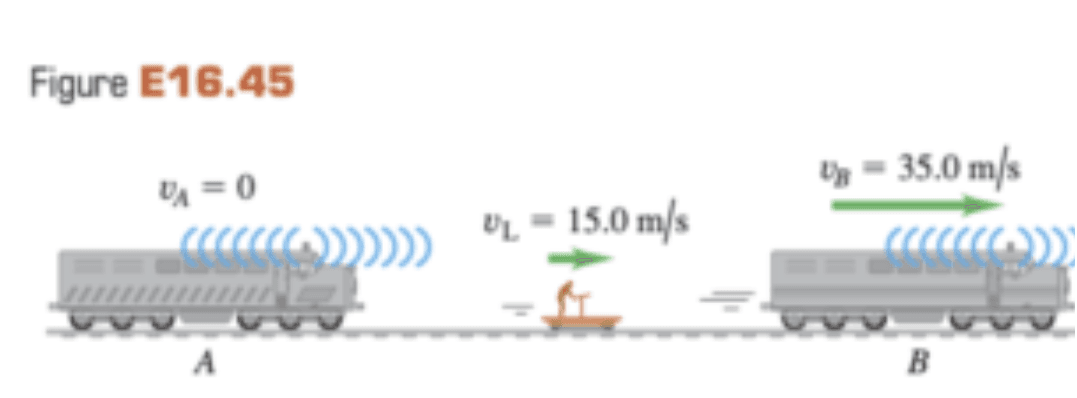
Two train whistles, A and B, each have a frequency of 392 Hz. A is stationary and B is moving toward the right (away from A) at a speed of 35.0 m>s. A listener is between the two whistles and is moving toward the right with a speed of 15.0 m>s (Fig. E16.45). No wind is blowing. (b) What is the frequency from B as heard by the listener?
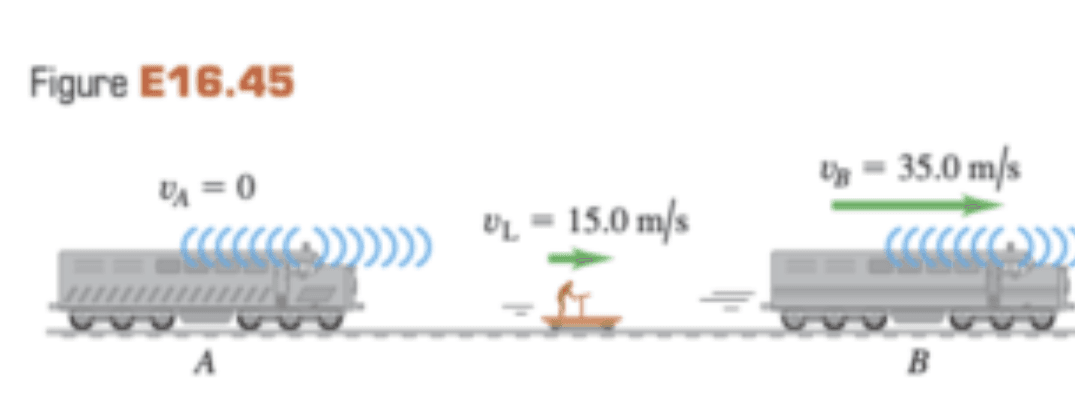
Two train whistles, A and B, each have a frequency of 392 Hz. A is stationary and B is moving toward the right (away from A) at a speed of 35.0 m>s. A listener is between the two whistles and is moving toward the right with a speed of 15.0 m>s (Fig. E16.45). No wind is blowing. (c) What is the beat frequency detected by the listener?