The nervous and endocrine systems interact to control and coordinate the body’s responses to changes in the environment, and to regulate growth, development, and reproduction. Hormones are chemicals produced by the endocrine system; hormones regulate many body functions.
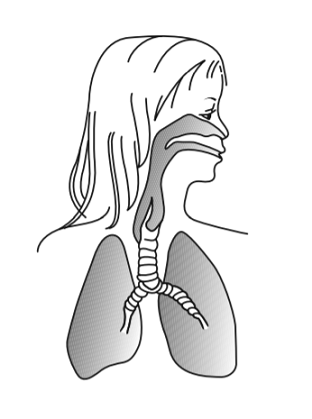
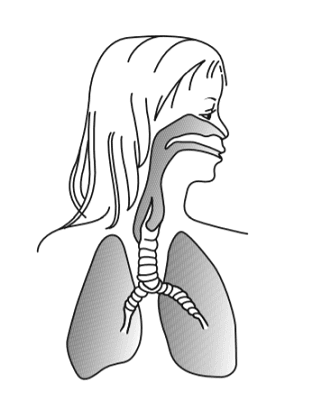
During respiration, cells use oxygen to release the energy stored in food. The respi- ratory system supplies oxygen and removes carbon dioxide (gas exchange).
Hereditary information is contained in genes. Genes are composed of DNA that makes up the chromosomes of cells.
The excretory system functions in the disposal of dissolved waste molecules, the elimination of liquid and gaseous wastes, and the removal of excess heat energy.
Disease breaks down the structures or functions of an organism. Some diseases are the result of failures of the system. Other diseases are the result of damage by infection from other organisms (germ theory). Specialized cells protect the body from infectious disease. The chemicals they produce identify and destroy microbes that enter the body.
Each gene carries a single unit of information. A single inherited trait of an individ- ual can be determined by one pair or by many pairs of genes. A human cell contains thousands of different genes.
Fertilization and/or development in organisms may be internal or external.
Cancers are a result of abnormal cell division.
Human activities such as selective breeding and advances in genetic engineering may affect the variations of species.
Living things are composed of cells. Cells provide structure and carry on major functions to sustain life. Cells are usually microscopic in size.
5.2c Metabolism is the sum of all chemical reactions in an organism. Metabolism can be influenced by hormones, exercise, diet, and aging.
Given adequate resources and no disease or predators, populations (including humans) increase. Lack of resources, habitat destruction, and other factors such as pre- dation and climate limit the growth of certain populations in the ecosystem.
Photosynthesis is carried on by green plants and other organisms containing chlorophyll. In this process, the Sun’s energy is converted into and stored as chemical energy in the form of a sugar. The quantity of sugar molecules increases in green plants during photosynthesis in the presence of sunlight.
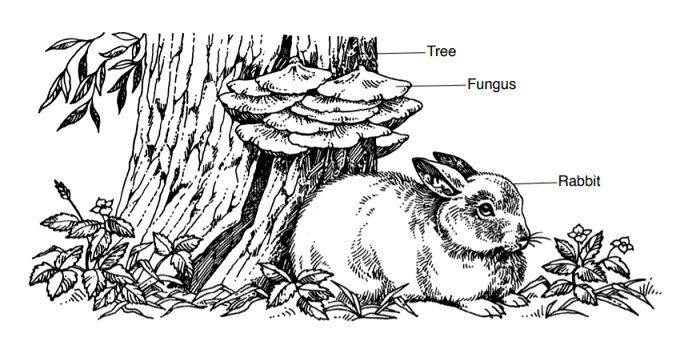
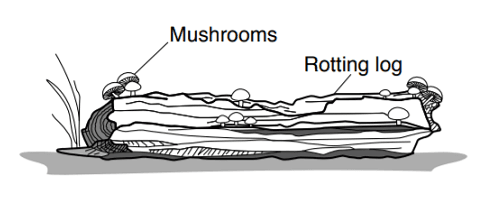
Herbivores obtain energy from plants. Carnivores obtain energy from animals. Omnivores obtain energy from both plants and animals. Decomposers, such as bacteria and fungi, obtain energy by consuming wastes and/or dead organisms.
A population consists of all individuals of a species that are found together at a given place and time. Populations living in one place form a community. The commu- nity and the physical factors with which it interacts compose an ecosystem.
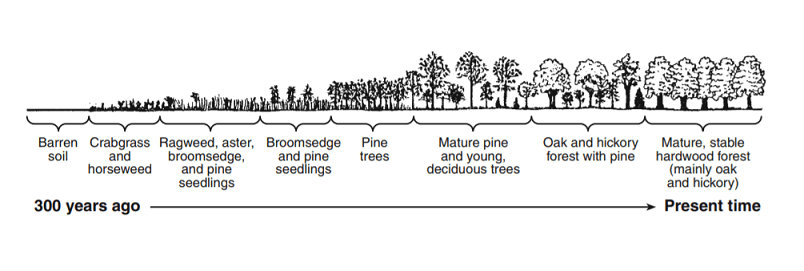
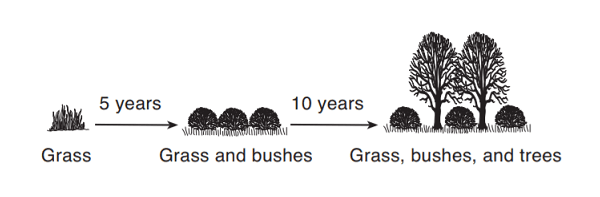
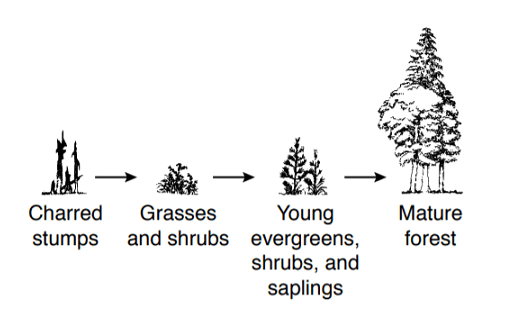
The environment may be altered through the activities of organisms. Alterations are sometimes abrupt. Some species may replace others over time, resulting in long- term gradual changes (ecological succession).
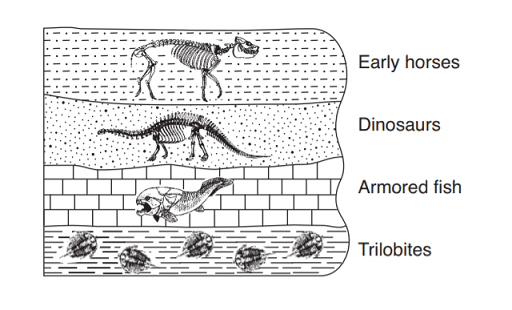
Extinction of a species occurs when the environment changes and the adaptive characteristics of a species are insufficient to permit its survival. Extinction of species is common. Fossils are evidence that a great variety of species existed in the past.
Cells are organized for more effective functioning in multicellular organisms. Levels of organization for structure and function of a multicellular organism include cells, tissues, organs, and organ systems.
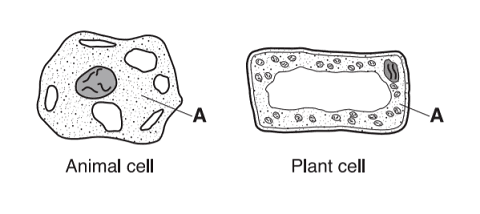
Most cells have cell membranes, genetic material, and cytoplasm. Some cells have a cell wall and/or chloroplasts. Many cells have a nucleus.
Locomotion, necessary to escape danger, obtain food and shelter, and reproduce, is accomplished by the interaction of the skeletal and muscular systems, and coordinated by the nervous system.
The processes of sexual reproduction and mutation have given rise to a variety of traits within a species.
In multicellular organisms, cell division is responsible for growth, maintenance, and repair. In some one-celled organisms, cell division is a method of asexual reproduction.
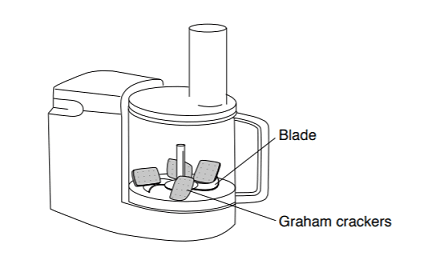
The digestive system consists of organs that are responsible for the mechanical and chemical breakdown of food. The breakdown process results in molecules that can be absorbed and transported to cells.
In ecosystems, balance is the result of interactions between community members and their environment.
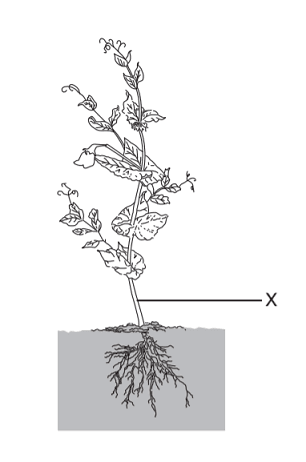
Many plants have roots, stems, leaves, and reproductive structures. These orga- nized groups of tissues are responsible for a plant’s life activities.
In all environments, organisms interact with one another in many ways. Relationships among organisms may be competitive, harmful, or beneficial. Some species have adapted to be dependent upon each other with the result that neither could survive without the other.
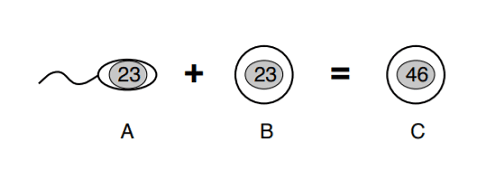
In sexual reproduction, sperm and egg each carry one-half of the genetic informa- tion for the new individual. Therefore, the fertilized egg contains genetic information from each parent.
The probability of traits being expressed can be determined using models of genetic inheritance. Some models of prediction are pedigree charts and Punnett squares.
The methods for obtaining nutrients vary among organisms. Producers, such as green plants, use light energy to make their food. Consumers, such as animals, take in energy-rich foods.
Patterns of development vary among plants. In seed-bearing plants, seeds contain stored food for early development. Their later development into adulthood is character- ized by varying patterns of growth from species to species.
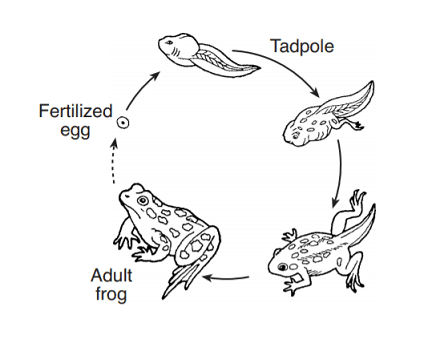
Patterns of development vary among animals. In some species the young resemble the adult, while in others they do not. Some insects and amphibians undergo metamor- phosis as they mature.
Living things are classified by shared characteristics on the cellular and organism level. In classifying organisms, biologists consider details of internal and external struc- tures. Biological classification systems are arranged from general (kingdom) to specific (species).
Each system is composed of organs and tissues which perform specific functions and interact with each other, e.g., digestion, gas exchange, excretion, circulation, loco- motion, control, coordination, reproduction, and protection from disease.
Some organisms are single cells; others, including humans, are multicellular.
Describe simple mechanisms related to the inheritance of some physical traits in offspring.
The male sex cell is the sperm. The female sex cell is the egg. The fertilization of an egg by a sperm results in a fertilized egg.
Multicellular organisms exhibit complex changes in development, which begin after fertilization. The fertilized egg undergoes numerous cellular divisions that will result in a multicellular organism, with each cell having identical genetic information.
Animals and plants have a great variety of body plans and internal structures that contribute to their ability to maintain a balanced condition.
Since the Industrial Revolution, human activities have resulted in major pollution of air, water, and soil. Pollution has cumulative ecological effects such as acid rain, global warming, or ozone depletion. The survival of living things on our planet depends on the conservation and protection of Earth’s resources.
In all environments, organisms with similar needs may compete with one another for resources.
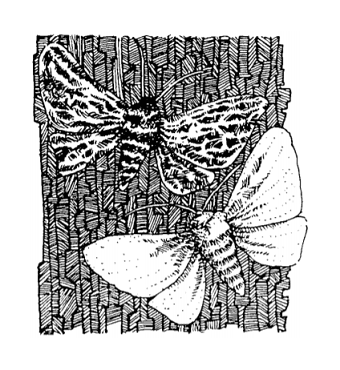
Changes in environmental conditions can affect the survival of individual organ- isms with a particular trait. Small differences between parents and offspring can accu- mulate in successive generations so that descendants are very different from their ances- tors. Individual organisms with certain traits are more likely to survive and have offspring than individuals without those traits.
Many thousands of layers of sedimentary rock provide evidence for the long his- tory of Earth and for the long history of changing lifeforms whose remains are found in the rocks. Recently deposited rock layers are more likely to contain fossils resembling existing species.
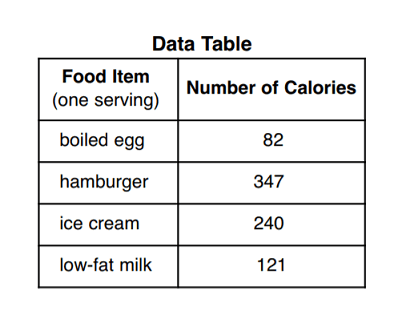
nergy in foods is measured in Calories. The total caloric value of each type of food varies. The number of Calories a person requires varies from person to person.
The way in which cells function is similar in all living things. Cells grow and divide, producing more cells. Cells take in nutrients, which they use to provide energy for the work that cells do and to make the materials that a cell or an organism needs.
In asexual reproduction, all the genes come from a single parent. Asexually pro- duced offspring are genetically identical to the parent.
In sexual reproduction typically half of the genes come from each parent. Sexually produced offspring are not identical to either parent.
Multicellular animals often have similar organs and specialized systems for carry- ing out major life activities.
In all organisms, genetic traits are passed on from generation to generation.
The survival of an organism depends on its ability to sense and respond to its external environment.
Overpopulation by any species impacts the environment due to the increased use of resources. Human activities can bring about environmental degradation through resource acquisition, urban growth, land-use decisions, waste disposal, etc.
Foods contain a variety of substances, which include carbohydrates, fats, vitamins, proteins, minerals, and water. Each substance is vital to the survival of the organism.
Various body structures and functions change as an organism goes through its life cycle.
Food webs identify feeding relationships among producers, consumers, and decomposers in an ecosystem.
Track each student's skills and progress in your Mastery dashboards