Loading...

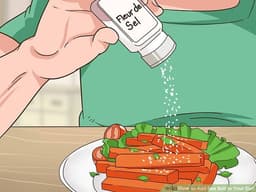
P.3 Chapter 1 Food
Quiz by Ip Phyllis
Customize this quiz to suit your class
Instantly translate to 100+ languages
Tag the questions with any skills you have. Your dashboard will track each student's mastery of each skill.
Give this quiz to my class
Choose the correct vocabulary
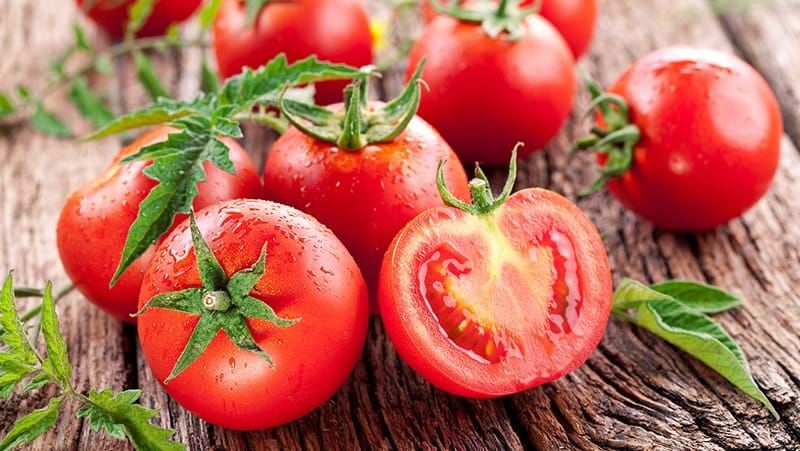
some salt
a tomato
tomatoes
some sugar
Choose the correct vocabulary
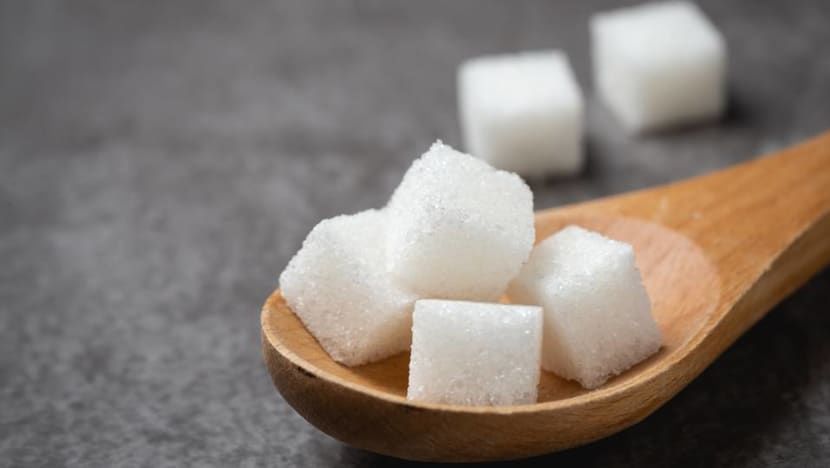
some sugar
some salt
a salt
a sugar
Choose the correct vocabulary
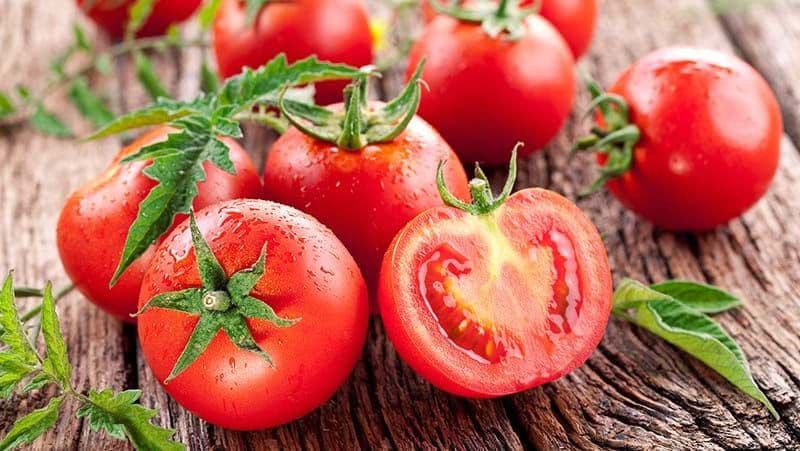
Choose the correct vocabulary
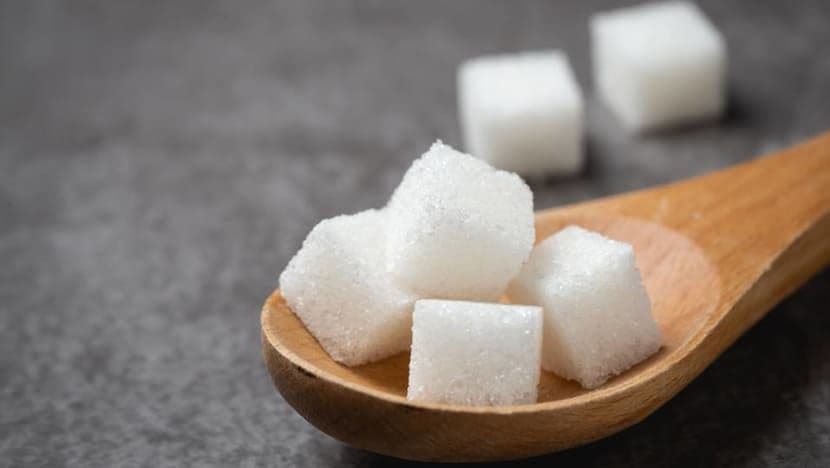
Choose the correct vocabulary
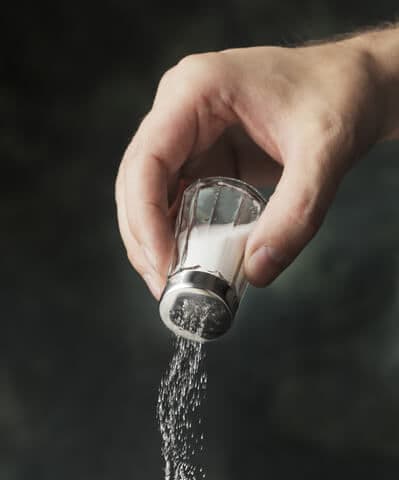
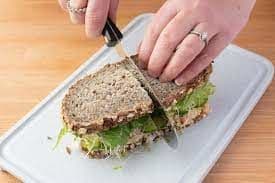
First, ________ it into half.
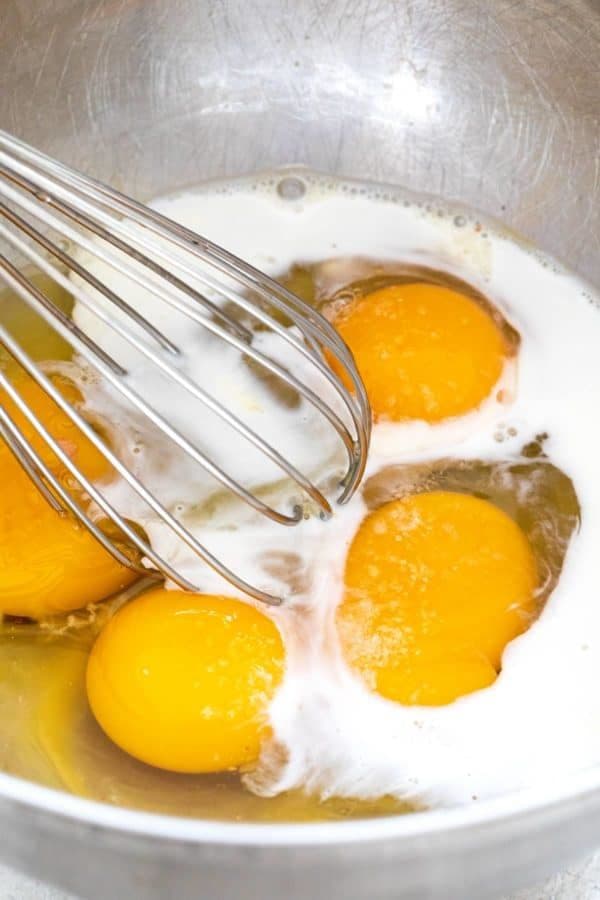
Then, _________ the egg in the bowl.
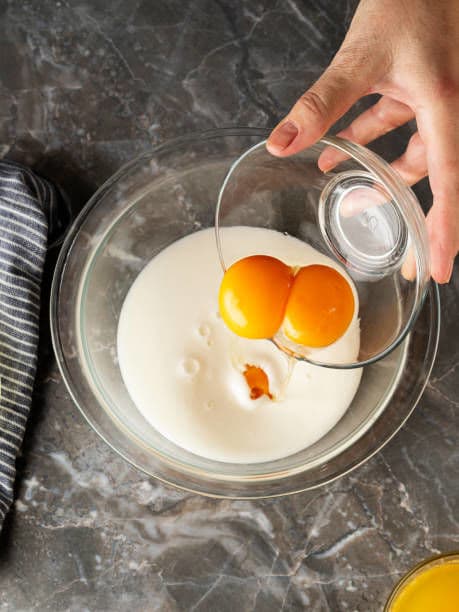
Next, _________ the milk into the bowl.

After that, _________ them.
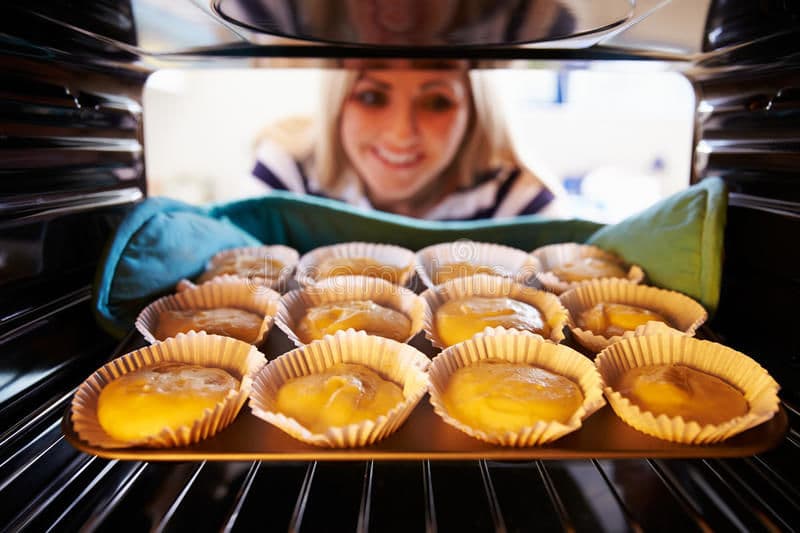
Finally, _______ it into the oven.
Choose the correct vocabulary.
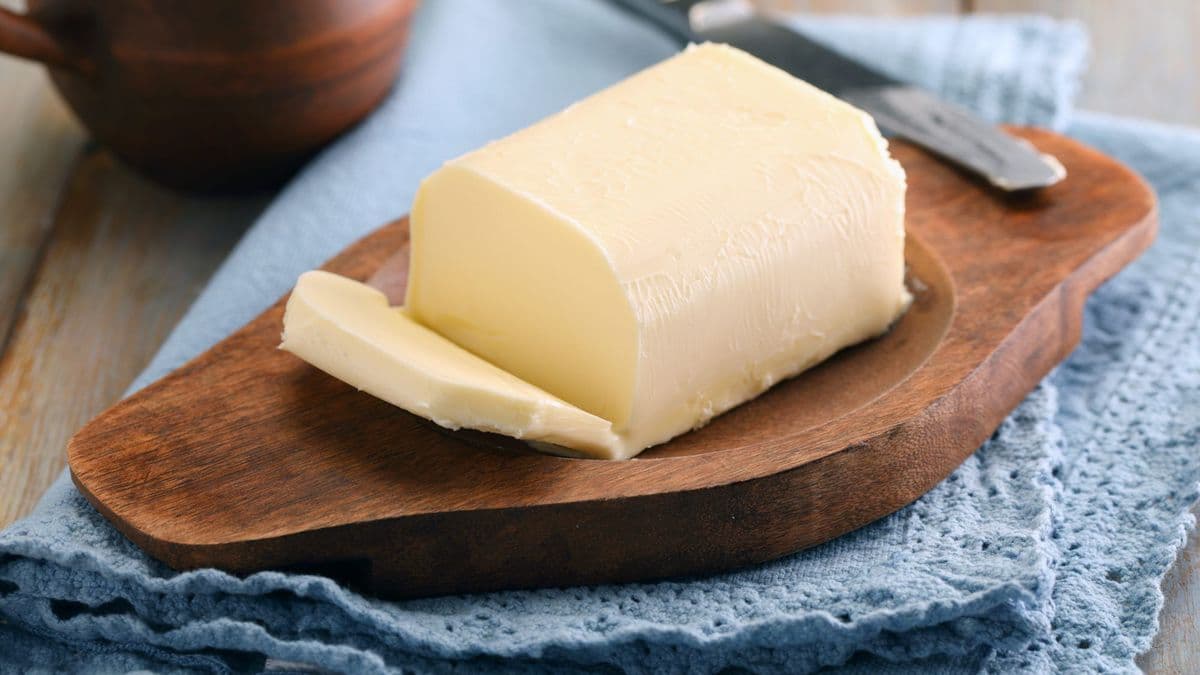
Choose the correct vocabulary.
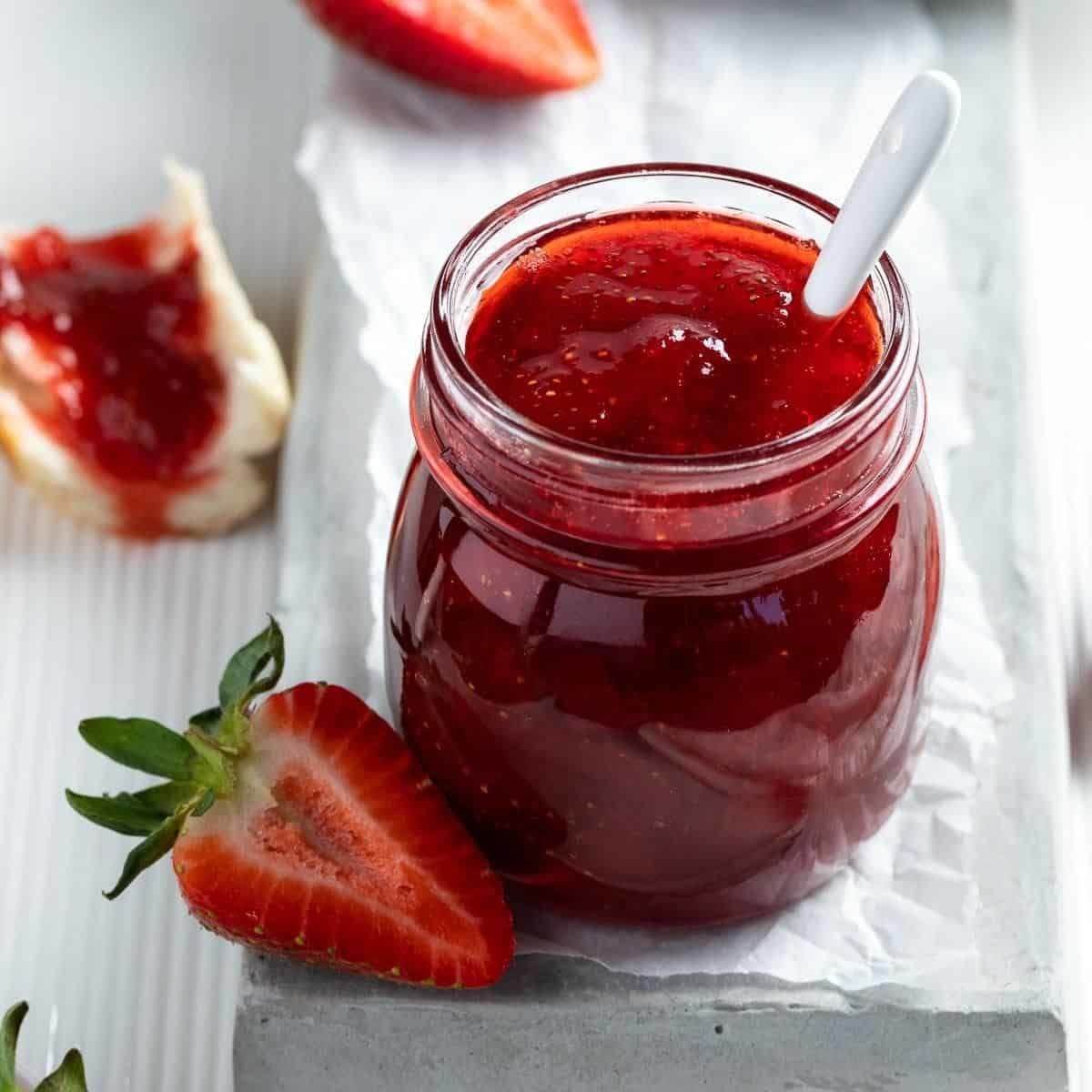
Choose the correct vocabulary.
 P.3 Semester 1 Chapter 1 - Cooking verbsP.3 Semester 1 Chapter 3- VocabularyIn many cases, cells must move materials from an area of lower concentration to an area of higher concentration, or “up” their concentration gradient. Such movement of materials is known as active transport. Unlike passive transport, active transport requires a cell to expend energy. CELL MEMBRANE PUMPS Ion channels and carrier proteins not only assist in passive trans- port but also help with some types of active transport. The car- rier proteins that serve in active transport are often called cell membrane “pumps” because they move substances from lower to higher concentrations. Carrier proteins involved in facilitated diffusion and those involved in active transport are very similar. In both, the molecule first binds to a specific kind of carrier protein on one side of the cell membrane. Once it is bound to the molecule, the protein changes shape, shielding the molecule from the hydrophobic interior of the phospholipid bilayer. The protein then transports the molecule through the membrane and releases it on the other side. However, cell membrane pumps require energy. Most often the energy needed for active transport is supplied directly or indirectly by ATP. Sodium-Potassium Pump One example of active transport in animal cells involves a carrier protein known as the sodium-potassium pump. As its name sug- gests, this protein transports Na ions and K ions up their con- centration gradients. To function normally, some animal cells must have a higher concentration of Na ions outside the cell and a higher concentration of K ions inside the cell. The sodium- potassium pump maintains these concentration differences. Follow the steps in Figure 5-6 on the next page to see how the sodium-potassium pump operates. First, three Na ions bind to the carrier protein on the cytosol side of the membrane, as shown in step . At the same time, the carrier protein removes a phosphate group from a molecule of ATP. As you can see in step , the phos- phate group from the ATP molecule binds to the carrier protein. Step shows how the removal of the phosphate group from ATP supplies the energy needed to change the shape of the carrier pro- tein. With its new shape, the protein carries the three Na ions through the membrane and then forces the Na ions outside the cell where the Na concentration must remain high. 3 2 1 SECTION 2 OBJECTIVES ● Distinguish between passive transport and active transport. ● Explain how the sodium-potassium pump operates. ● Compare endocytosis and exocytosis. VOCABULARY active transport sodium-potassium pump endocytosis vesicle pinocytosis phagocytosis phagocyte exocytosis www.scilinks.org Topic: Active Transport Keyword: HM60018 mb06se_homs02.qxd 5/18/07 11:02 AM Page 103 104 CHAPTER 5 K+ K+ K+ K+ K+ K+ INSIDE OF CELL OUTSIDE OF CELL Carrier protein Cell membrane P P P P Na+ Na+ Na+ ATP ADP Na+ Na+ Na+ Na+ Na+ Na+ 1 2 3 4 5 6 At this point, the carrier protein has the shape it needs to bind two K ions outside the cell, as step shows. When the K ions bind, the phosphate group is released, as indicated in step , and the carrier protein restores its original shape. As shown in step this time, the change in shape causes the carrier protein to release the two K ions inside the cell. At this point the carrier protein is ready to begin the process again. Thus, a complete cycle of the sodium-potassium pump transports three Na ions out of the cell and two K ions into the cell. At top speed, the sodium-potassium pump can transport about 450 Na ions and 300 K ions per second. The exchange of three Na ions for two K ions creates an electrical gradient across the cell membrane. That is, the outside of the membrane becomes positively charged relative to the inside of the membrane, which becomes relatively negative. In this way, the two sides of the cell membrane are like the positive and nega- tive terminals of a battery. This difference in charge is important for the conduction of electrical impulses along nerve cells. The sodium-potassium pump is only one example of a cell membrane pump. Other pumps work in similar ways to transport important metabolic materials across cell membranes.p.3 Second Semester Chapter 3 - Past TenseLARGE CARBON MOLECULES Many carbon compounds are built up from smaller, simpler molecules known as monomers (MAH-ne-mers), such as the ones shown in Figure 3-3. As you can also see in Figure 3-3, monomers can bond to one another to form polymers (PAWL-eh-mer). A polymer is a molecule that consists of repeated, linked units. The units may be identical or structurally related to each other. Large polymers are called macromolecules. There are many types of macromolecules, such as carbohydrates, lipids, proteins and nucleic acids. Monomers link to form polymers through a chemical reaction called a condensation reaction. Each time a monomer is added to a polymer, a water molecule is released. In the condensation reac- tion shown in Figure 3-4, two sugar molecules, glucose and fruc- tose, combine to form the sugar sucrose, which is common table sugar. The two sugar monomers become linked by a C—O—C bridge. In the formation of that bridge, the glucose molecule releases a hydrogen ion, H, and the fructose molecule releases a hydroxide ion, OH. The OH and H ions that are released then combine to produce a water molecule, H2O. In addition to building polymers through condensation reac- tions, living organisms also have to break them down. The break- down of some complex molecules, such as polymers, occurs through a process known as hydrolysis (hie-DRAHL-i-sis). In a hydrolysis reaction, water is used to break down a polymer. The water molecule breaks the bond linking each monomer. Hydrolysis is the reverse of a condensation reaction. The addition of water to some complex molecules, including polymers, under certain con- ditions can break the bonds that hold them together. For example, in Figure 3-4 reversing the reaction will result in sucrose breaking down into fructose and glucose. 2H2O Monomers Polymer C C O H OH C OH H CH2OH C H CH2OH C HO H C O H C OH H C CH2OH H C H OH O Sucrose C C O H OH C OH H CH2OH C H CH2OH C HO H C OH OH H C OH H C CH2OH H C H OH O Glucose Fructose H2O The condensation reaction below shows how glucose links with fructose to form sucrose. One water molecule is produced each time two monomers form a covalent bond. FIGURE 3-4 monomer from the Greek mono, meaning “single or alone,” and meros, meaning “a part” Word Roots and Origins A polymer is the result of bonding between monomers. In this example, each monomer is a six-sided carbon ring. The starch in potatoes is an example of a molecule that is a polymer. FIGURE 3-3 Copyright © by Holt, Rinehart and Winston. All rights reserved. 54 CHAPTER 3 ENERGY CURRENCY Life processes require a constant supply of energy. This energy is available to cells in the form of certain compounds that store a large amount of energy in their overall structure. One of these com- pounds is adenosine (uh-DEN-uh-SEEN) triphosphate, more commonly referred to by its abbreviation, ATP. The left side of Figure 3-5 shows a simplified ATP molecule struc- ture. The 5-carbon sugar, ribose, is represented by the blue carbon ring. The nitrogen-containing compound, adenine, is represented by the 2 orange rings. The three linked phosphate groups, —PO4 , are represented by the blue circles with a “P.” The phospate groups are attached to each other by covalent bonds. The covalent bonds between the phosphate groups are more unstable than the other bonds in the ATP molecule because the phosphate groups are close together and have negative charges. Thus, the negative charges make the bonds easier to break. When a bond between the phosphate groups is broken, energy is released. This hydrolysis of ATP is used by the cell to provide the energy needed to drive the chemical reactions that enable an organism to function.P3 Chinese - Chapter 7P3 Chinese - Chapter 8P3 Chinese - Chapter 9