Loading...


PISA Math Review (on Natural Resources in Local and National Context)
Quiz by Jan Kimberly Abesta
Tag the questions with any skills you have. Your dashboard will track each student's mastery of each skill.
Sustainable Water Usage in Angat, Bulacan
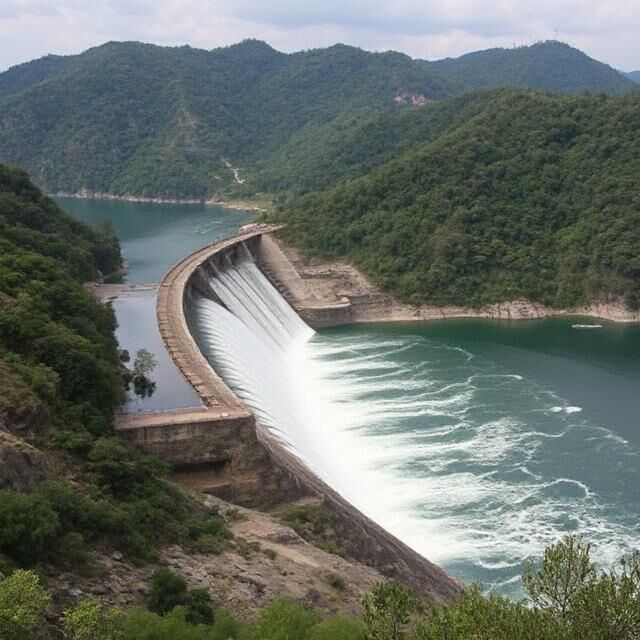
The Angat River is the primary water source for Angat, Bulacan and supplies millions of liters of water daily to households and industries. However, over the past five years, the water level has dropped by 20% due to overuse and climate change. Currently, the town’s daily water supply is 1,200,000 liters, but studies predict that if this decline continues, the town may experience severe water shortages within the next 10 years.
To address this issue, the local government is promoting water conservation efforts, encouraging families to reduce daily water consumption and adopt sustainable practices to extend the water supply.
Question:
The water supply in Angat, Bulacan has decreased by 20% over the past five years, bringing the current daily supply to 1,200,000 liters. If the same rate of decrease continues for the next five years, what will be the estimated daily water supply?
960,000 liters
1,080,000 liters
1,000,000 liters
1,200,000 liters
Sustainable Water Usage in Angat, Bulacan
The Angat River is the primary water source for Angat, Bulacan and supplies millions of liters of water daily to households and industries. However, over the past five years, the water level has dropped by 20% due to overuse and climate change. Currently, the town’s daily water supply is 1,200,000 liters, but studies predict that if this decline continues, the town may experience severe water shortages within the next 10 years.
To address this issue, the local government is promoting water conservation efforts, encouraging families to reduce daily water consumption and adopt sustainable practices to extend the water supply.
Question:
A household in Angat, Bulacan consumes 250 liters of water per day. Given the town’s current daily supply of 1,200,000 liters, how many families can be fully served each day?
5,800 families
4,000 families
5,000 families
4,800 families
Sustainable Water Usage in Angat, Bulacan
The Angat River is the primary water source for Angat, Bulacan and supplies millions of liters of water daily to households and industries. However, over the past five years, the water level has dropped by 20% due to overuse and climate change. Currently, the town’s daily water supply is 1,200,000 liters, but studies predict that if this decline continues, the town may experience severe water shortages within the next 10 years.
To address this issue, the local government is promoting water conservation efforts, encouraging families to reduce daily water consumption and adopt sustainable practices to extend the water supply.
Question:
The water supply in Angat, Bulacan has decreased by 20% over the past five years, bringing the current daily supply to 1,200,000 liters. If the same rate of decrease continues for the next five years, what will be the estimated daily water supply?
Sustainable Water Usage in Angat, Bulacan
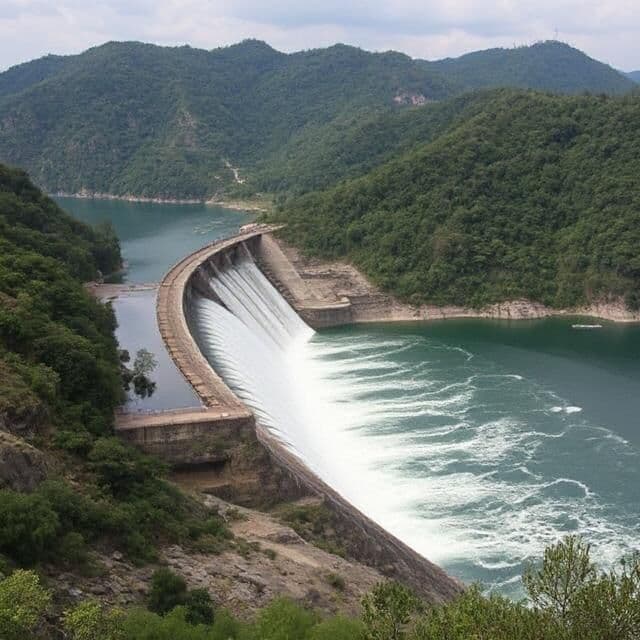
The Angat River is the primary water source for Angat, Bulacan and supplies millions of liters of water daily to households and industries. However, over the past five years, the water level has dropped by 20% due to overuse and climate change. Currently, the town’s daily water supply is 1,200,000 liters, but studies predict that if this decline continues, the town may experience severe water shortages within the next 10 years.
To address this issue, the local government is promoting water conservation efforts, encouraging families to reduce daily water consumption and adopt sustainable practices to extend the water supply.
Question:
A household in Angat, Bulacan consumes 250 liters of water per day. Given the town’s current daily supply of 1,200,000 liters, how many families can be fully served each day?

Rice Farms
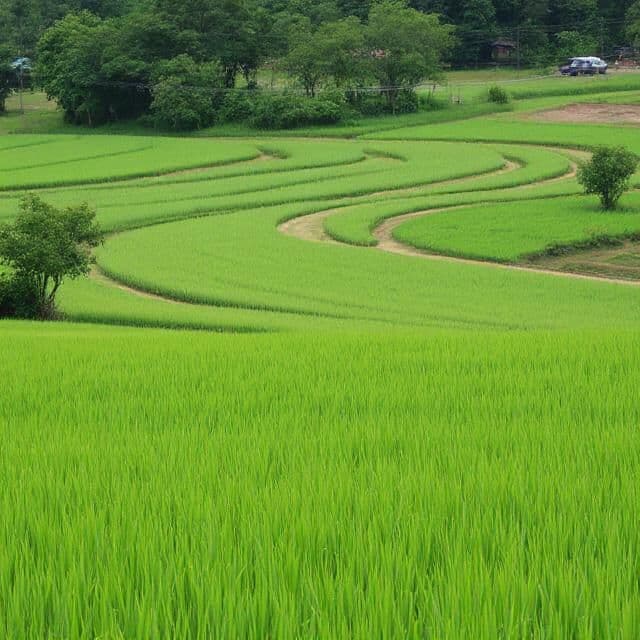
Davao City is known for its rich agricultural land, which plays a crucial role in the region’s food production and economy. To protect natural resources and ensure long-term sustainability, the Davao City Government is promoting organic farming practices. These methods help reduce soil erosion, maintain soil fertility, and improve overall crop yield, ensuring that agricultural land remains productive for future generations.
The city has 5,000 hectares of rice farms, with an average yield of 4 tons of rice per hectare per year. In 2024, the government encouraged farmers to shift to organic farming, which is expected to increase rice yield by 15% while preserving soil quality.
Question:
Davao City has 5,000 hectares of rice farms, and each hectare currently produces 4 tons of rice per year. If all farms maintain the same yield, how many tons of rice will be harvested in 2024 before the organic farming increase?
Sustainable Water Management Project
The Municipality of Batan is implementing a sustainable water management project to ensure a steady supply of clean water for its residents. The project includes installing rainwater collection systems in 1,000 households, each capable of collecting up to 5,000 liters of rainwater during the rainy season (5 months).
To further support water conservation, the local government has launched a campaign encouraging each household to reduce water consumption by 20% per month. Currently, an average household in Batan consumes 10,000 liters per month from regular sources (like rivers and groundwater). This initiative aims to preserve natural water sources, such as rivers and groundwater, and promote sustainable water use.
Question:
An average household in Batan consumes 10,000 liters of water per month (from regular sources like rivers and groundwater). With the local government’s initiative to reduce water consumption by 20%, how much total water will each household save over a 5-month period?
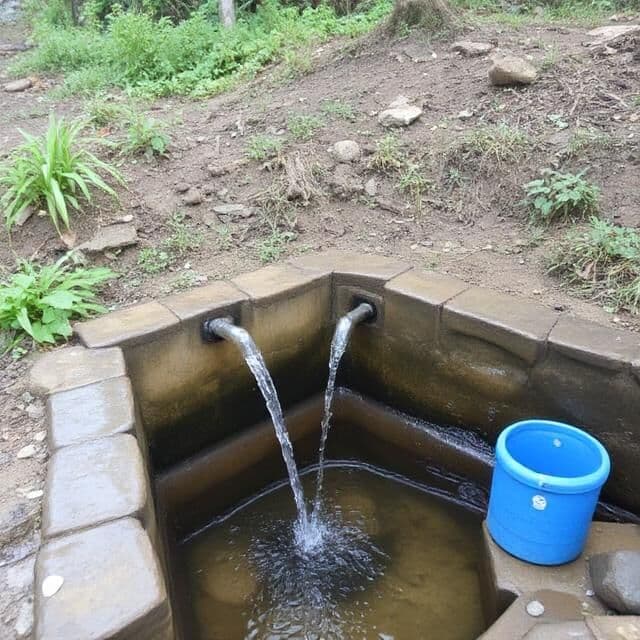
Groundwater in Nueva Ecija
Nueva Ecija, known as the "Rice Granary of the Philippines," depends on groundwater for irrigation, especially during the dry season. However, due to increasing agricultural demand and insufficient rainfall, groundwater levels drop by 1.5 meters per year.
Environmental studies predict that if this trend continues, the water supply may become too low for farming in 12 years. To prevent this, the local government is encouraging farmers to adopt rainwater harvesting, a technique that can help replenish 0.8 meters of groundwater per year when widely implemented.
Question:
The current groundwater level in Nueva Ecija is 30 meters below the surface. If draining continues at a rate of 1.5 meters per year, how deep will the water table be after 5 years?
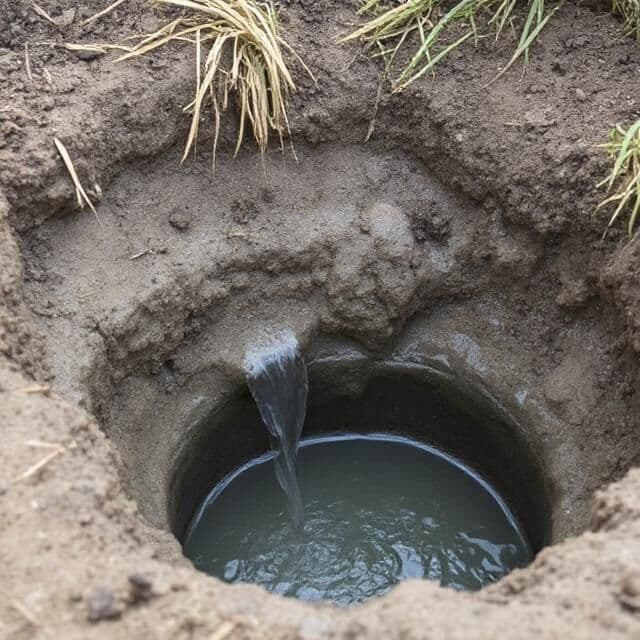
Groundwater in Nueva Ecija
Nueva Ecija, known as the "Rice Granary of the Philippines," depends on groundwater for irrigation, especially during the dry season. However, due to increasing agricultural demand and insufficient rainfall, groundwater levels drop by 1.5 meters per year.
Environmental studies predict that if this trend continues, the water supply may become too low for farming in 12 years. To prevent this, the local government is encouraging farmers to adopt rainwater harvesting, a technique that can help replenish
Question:
If the rainwater harvesting program is successfully implemented, it can add 0.8 meters of groundwater per year. Given that the water table drops by 1.5 meters annually, how will the groundwater level change over five years? Will this be sufficient to support farming in the region?
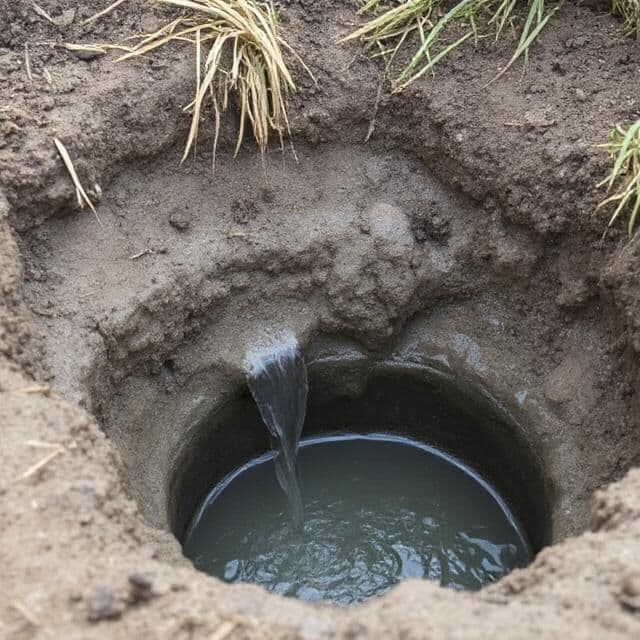
Deforestation in the Sierra Madre
The Sierra Madre, the longest mountain range in the Philippines, is a vital natural barrier that helps protect the country from strong typhoons. It also provides a habitat for diverse plant and animal species, supports freshwater sources, and helps regulate the climate. However, continuous deforestation has led to severe flooding, loss of biodiversity, and reduced water supply for many communities.
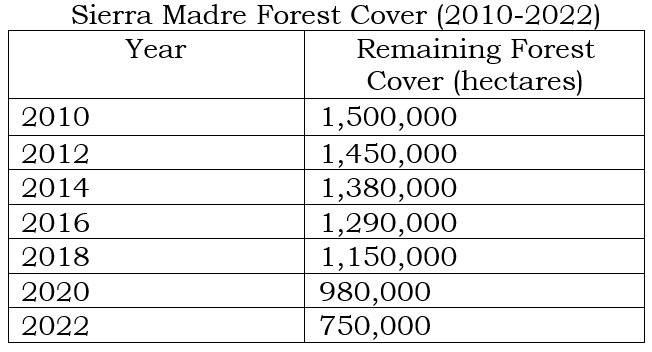
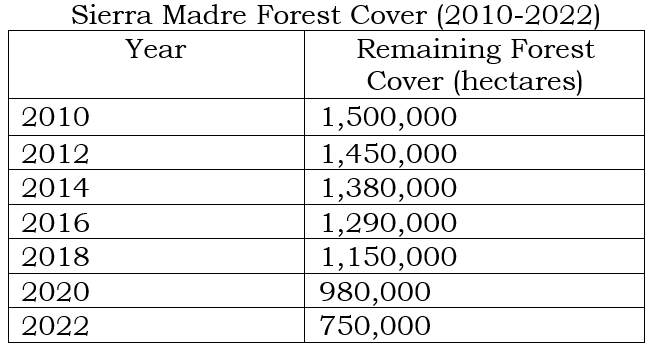
A study recorded the changes in forest cover (in hectares) from 2010 to 2022 to analyze the impact of deforestation:
Question:
Based on the recorded data below, what could be the likely effect of the continuous decline in forest cover in the Sierra Madre?
Deforestation in the Sierra Madre
The Sierra Madre, the longest mountain range in the Philippines, is a vital natural barrier that helps protect the country from strong typhoons. It also provides a habitat for diverse plant and animal species, supports freshwater sources, and helps regulate the climate. However, continuous deforestation has led to severe flooding, loss of biodiversity, and reduced water supply for many communities.
A study recorded the changes in forest cover (in hectares) from 2010 to 2022 to analyze the impact of deforestation:
Question:
The remaining forest cover in Sierra Madre has been decreasing over the years. Based on the data from 2010 to 2022, what is the average rate of forest loss per year (in hectares per year) during this period?
Mangrove Forests in Palawan
Mangrove forests are a vital natural resource that protect coastal communities from strong waves, storm surges, and coastal erosion. They also serve as nurseries for marine life, improve water quality, and help fight climate change by storing carbon.
In Palawan, a conservation project is working to restore degraded mangrove areas. The project involves planting mangrove trees in a rectangular area measuring 200 meters in length and 150 meters in width. However, a 10-meter-wide buffer zone is reserved along the entire perimeter for pathways and monitoring stations to ensure proper maintenance and ecological balance.
Top View of the Reforestation Area
------------------------------------
| |
| (Planted Mangrove Area) |
| |
------------------------------------
A 10-meter-wide buffer zone surrounds the planted area.
Question:
Why is it important to leave a 10-meter-wide buffer zone around the mangrove reforestation area?
Mangrove Forests in Palawan
Mangrove forests are a vital natural resource that protect coastal communities from strong waves, storm surges, and coastal erosion. They also serve as nurseries for marine life, improve water quality, and help fight climate change by storing carbon.
In Palawan, a conservation project is working to restore degraded mangrove areas. The project involves planting mangrove trees in a rectangular area measuring 200 meters in length and 150 meters in width. However, a 10-meter-wide buffer zone is reserved along the entire perimeter for pathways and monitoring stations to ensure proper maintenance and ecological balance.
Top View of the Reforestation Area
------------------------------------
| |
| (Planted Mangrove Area) |
| |
------------------------------------
A 10-meter-wide buffer zone surrounds the planted area.
Question:
The total reforestation area is a rectangle measuring 200 meters by 150 meters, but a 10-meter-wide buffer zone is reserved along the entire perimeter. What is the total planted area after excluding the buffer zone?