Trace and evaluate the argument and specific claims in a text, distinguishing claims that are supported by reasons and evidence from claims that are not (e.g., fact/opinion, bias).
Determine a central idea of a text and how it is conveyed through relevant details; provide a summary of the text distinct from personal opinions or judgments.
Determine an author’s point of view or purpose in a text and explain how it is conveyed in the text.
Determine how the author uses the meaning of words or phrases, including figurative, connotative, or technical meanings, in a text.
Determine or clarify the meaning of unknown and multiple-meaning words and phrases based on grade 6 reading and content, choosing flexibly from a range of strategies.
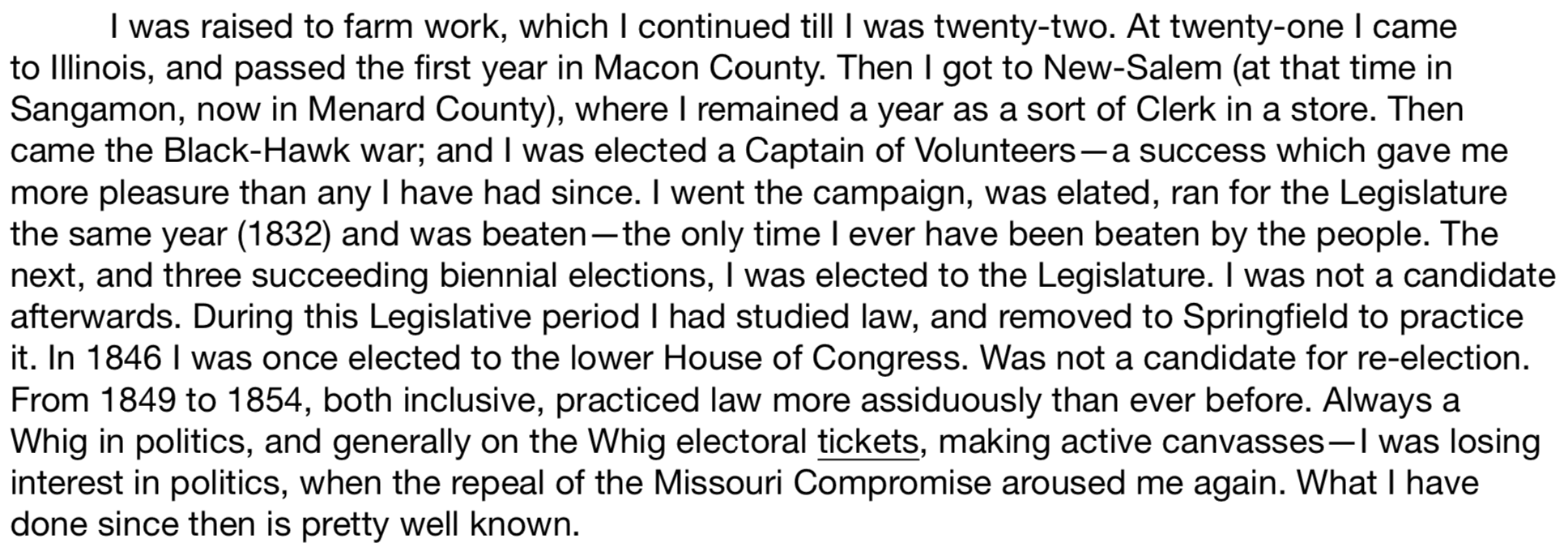
Compare and contrast one author’s presentation of events with that of another (e.g., a memoir written by and a biography on the same person).
Analyze in detail how a key individual, event, or idea is introduced, illustrated, or elaborated in a text (e.g., through examples, anecdotes, or sequence of steps).
Demonstrate understanding of figurative language, word relationships, and nuances in word meanings.
Analyze how a particular sentence, paragraph, chapter, section, or text feature fits into the overall structure of a text and contributes to the development of the ideas.
Cite textual evidence to support analysis of what the text says explicitly as well as inferences and/or generalizations drawn from the text.
Track each student's skills and progress in your Mastery dashboards