Loading...

Radio Broadcasting Equipments
Quiz by Norman Cruz
Customize this quiz to suit your class
Instantly translate to 100+ languages
Tag the questions with any skills you have. Your dashboard will track each student's mastery of each skill.
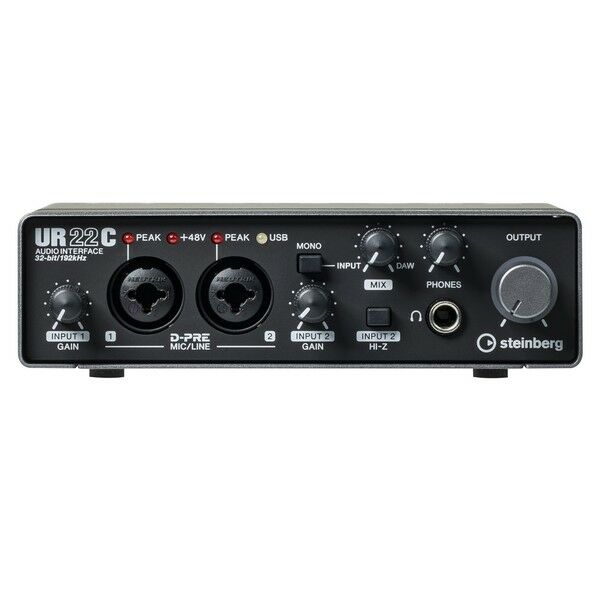
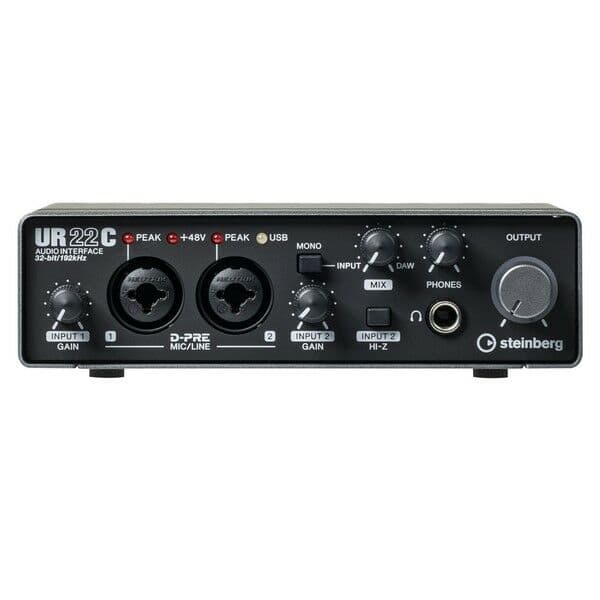
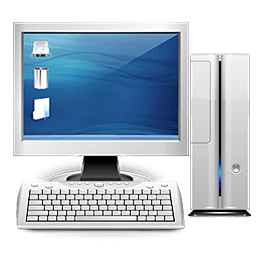
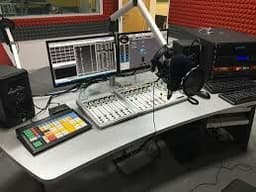
​Name this equipment:

​What is this equipment:

Name this equipment:

What is this equipment:
Give this quiz to my class
Radio Broadcasting
Filipino Radio Broadcasting
Mga Salitang Ginagamit sa Radio Broadcasting
PAGGANYAK : MGA SALITANG GINAGAMIT SA RADIO BROADCASTING
Q4 Filipino 5 Module 10 Pagsulat ng Iskrip (Radio Broadcasting at Teleradyo)
FILIPINO5-WEEK7-MAIKLING PAGSUSULIT(Module 9 at 10- Pagsusulat ng Balita, Editoryal, at Iba pang Sulatin sa Pamamahayag atPagsulat ng Iskrip (Radio Broadcasting at Teleradyo) at
When television first started, the system of broadcasting was analogue. This meant that a TV aerial received radio waves from the TV companies. These transformed into sound and images on the TV screen. At the time, the system was revolutionary, but it wasn't perfect. It couldn't transmit many channels and the quality of the pictures was sometimes poor because of interference. For a long time there was only analogue I, but at the end of the 1990s, digital television arrived. Digital TV doesn't use radio waves. Instead, it converts sound and images into binary code. This is a computer language which only consists of zeros and ones and broadcasters can use it to send a lot of information very quickly. This digital information arrives at a TV via an aerial, a cable, a satellite dish, or broadband. Then a decoder converts the information back to sound and images. Decoders are either inside a TV or computer, or in a separate box which is connected to it. Digital broadcasting is much better than the analogue system. There are a lot more channels because the TV companies can transmit much more information. The quality of the images and sound is much higher because there is less interference. Picture quality is even better on a high definition TV (an HDTV) than on a standard TV, so viewers can enjoy cinema-quality pictures in their own home.
Radio UC