Loading...


S - Blends
Quiz by Elizabeth
Customize this quiz to suit your class
Instantly translate to 100+ languages
Tag the questions with any skills you have. Your dashboard will track each student's mastery of each skill.
Give this quiz to my class
What blend is this picture?

st
sp
sn
sl
What blend is this picture?
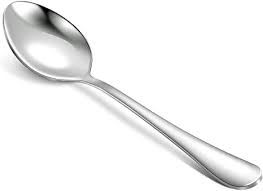
st
sp
sl
What blend is this picture?

What blend is this picture?

What blend is this picture?
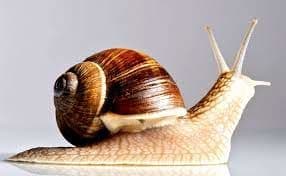
What blend is this picture?

What blend is this picture?
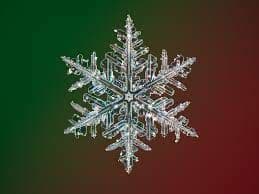
What blend is this picture?

What blend is this picture?
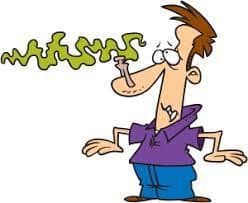
What blend is this picture?

What blend is this picture?
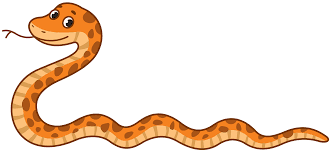
What blend is this picture?
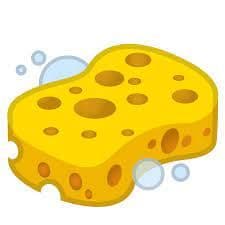
What blend is this picture?

What blend is this picture?
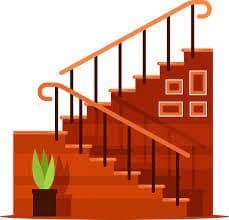
What blend is this picture?
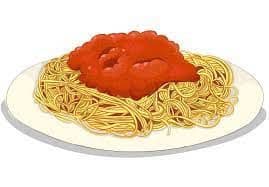
What blend is this picture?
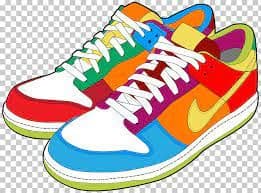
What blend is this picture?

What blend is this picture?

What blend is this picture?

What blend is this picture?
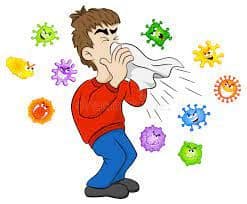
What blend is this picture?
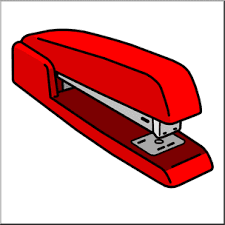 's' blendsS Blends- spelling practiceQuiz on "s " blends'S' word Blends Session -5 ENG S word blends- Oct session 5ENGLISH S word blends -session 5-EnglishWrite personal questions for a1-a2 kids after they read: Incredible Places to Stay Introduction. Do you want to see some of the world's most amazing hotels? Let's go! Sliding with Sharks. The first stop on your tour is Las Vegas, Nevada. At the Golden Nugget, you can ride a waterslide. It takes you through a shark tank. A Cool Place to Stay. The next stop is the Hôtel de Glace (O-tel DEH GLAHS) in Canada. Many parts of the hotel are made of ice. The ice melts away in the spring. Each winter, it takes a lot of work to build the hotel again. Breakfast with Giraffes. From Canada, you'll travel to Kenya. Giraffes live in the forests around a hotel called Giraffe Manor. Every morning, the giraffes come to the hotel to eat. If you stay there, you can feed them! In the Trees. The next stop on your tour is Sweden. The Treehotel is made up of many tree houses. The Mirrorcube has glass all around it. This tree house blends in with the woods. One tree house looks like a big bird's nest. The UFO tree house looks as if it is from outer space. A Room Without a View. When you are in Sweden, stop at the Sala Silvermine Hotel. When you get there, you can stay in the deepest hotel room in the world! It is a long way down to your room. Dress in warm clothes because it is very cold in the mine. Sleeping with Fish. Your last stop is Jules' Undersea Lodge in Florida. You have to swim down to reach your room! When you are ready to eat, you can even have pizza. Someone from the hotel will swim it down to you. Conclusion. It is time to go back home now. Each incredible hotel is more than just a place to stay for the night. At each one, you will have a lot of fun!1. Settlements Importance of Rivers Fertile Land: The soil near rivers was great for farming, thanks to regular flooding that added nutrients. Trade and Travel: Rivers made moving things and people easy, which helped trade and communication. Protection: Rivers could act as natural barriers, making it harder for enemies to attack. Food: Rivers were full of fish and other food, adding to what people could eat. Energy: People used the river's flow to power machines, for example, grinding grain. Cleanliness: Rivers were used to wash away waste, keeping settlements cleaner. Culture: Rivers often had spiritual importance, and ceremonies and stories revolved around them. Common Geographic Features of Ancient Civilizations Mesopotamia: the Tigris and Euphrates Rivers in central Iraq Indus River Valley: the river runs in the northwestern part of India Nile River Valley: the major river of Egypt Yellow River Valley: a major river flowing through the southern part of China Rivers provided water, food, transportation, and shaped the way of life and development of these ancient civilizations. Impact of Mountains on Settlements Mountains served as barriers to early settlement due to the lack of technology to cross them. The Himalayan Mountains isolated much of India and China during their early development. Impact of Deserts on Migration Deserts posed significant challenges to people who wanted to migrate due to their harsh and unforgiving conditions. Notable deserts include the Empty Quarter in Saudi Arabia and the Sahara Desert in Africa. Changes in Migration and Cultural Blending Advancements in transportation technology post-Industrial Revolution increased cultural blending. Transportation advancements enabled global migration. Before, cultures were isolated, focusing on beliefs and local adaptations. The Industrial Revolution transformed migration and cultural blending. 2. How Humans Modify and Adapt to Their Environment Ways Humans Modify Their Environment Mining: Removing the earth's surface for precious metals. Irrigation: Diverting water for farming. Transportation: Moving goods with trains, cars, airplanes, and boats. Mining Strip mining removes large layers of the earth. Can impact the environment by removing plants and polluting water sources. Irrigation Diverting water for farming and urban development. Transportation Moving goods using trains, cars, airplanes, and boats. Human Adaptation to the Environment Adjusting to environmental conditions by changing behavior. Examples: Wearing specific clothing, using specific building materials. Human Modification of the Environment Changing the earth to meet human needs by physically altering the environment. Examples: Dams, canals, roads, bridges. Impact of Weather and Geological Events on Humans Events like earthquakes, hurricanes, and cold weather affect human settlements. Examples: Building earthquake-resistant buildings, creating levees, using ice for tourism. 3. Understanding Culture Introduction to Culture Culture refers to the way of life of a group of people who live in a particular place. It includes traditions, beliefs, values, and the way they do things. Cultural Characteristics Religious traditions Language Family values Laws Cultural characteristics make each culture unique. Cultural Representations Art Architecture Music Literature Cultural representations express a culture's creativity and show their beliefs and history to the world. Government and Culture Types of government reflect cultural beliefs and traditions. Examples: democratic republic, communist state. The way a country is governed tells a lot about its culture. Economic Systems and Cultures Economic systems reflect cultural values. Examples: bartering, modern economies (e.g., United States, China). How people earn and spend money also reflects their culture. Spread of Cultural Ideas Trade: Spreading ideas through interactions during trade. Travel: Visitors bringing new ideas. War: Conquering armies imposing beliefs. Cultural ideas spread through trade, travel, and war. Multicultural Societies Blending of multiple cultural and ethnic groups. Common in advanced societies with immigration. Multicultural societies create something new by bringing together different cultures. Cultural Adaptation Cultures can change and adapt by taking new ideas and blending them with their own traditions. Example: 'Tex-Mex' food, which blends Mexican and Texan traditions.