Loading...


Screening of blood samples for donation
Quiz by Kareem Khalid
Customize this quiz to suit your class
Instantly translate to 100+ languages
Tag the questions with any skills you have. Your dashboard will track each student's mastery of each skill.
Blood screening is an essential process that ensures the safety of both the donor and the recipient
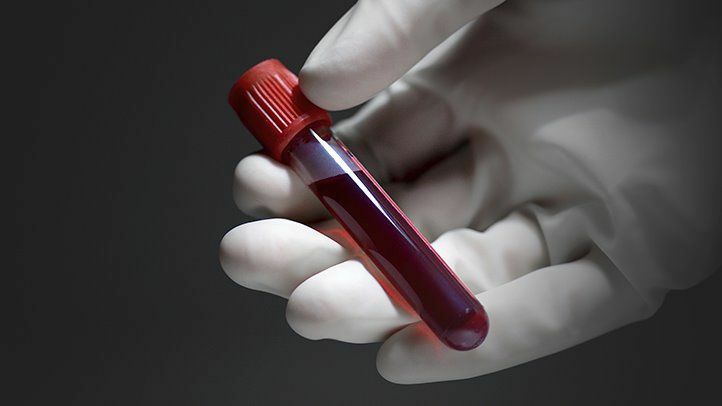
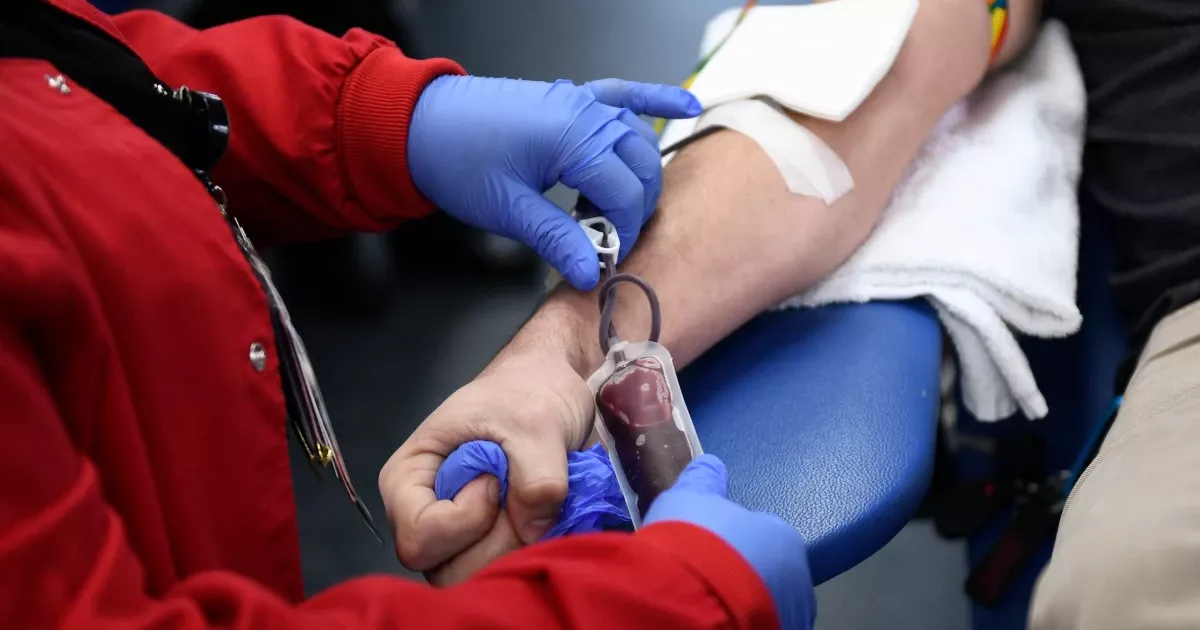
Blood screening is an essential process that ensures the safety of both the donor and the recipient
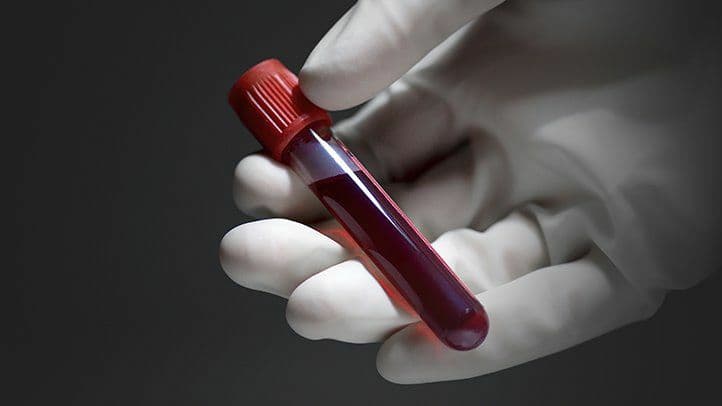
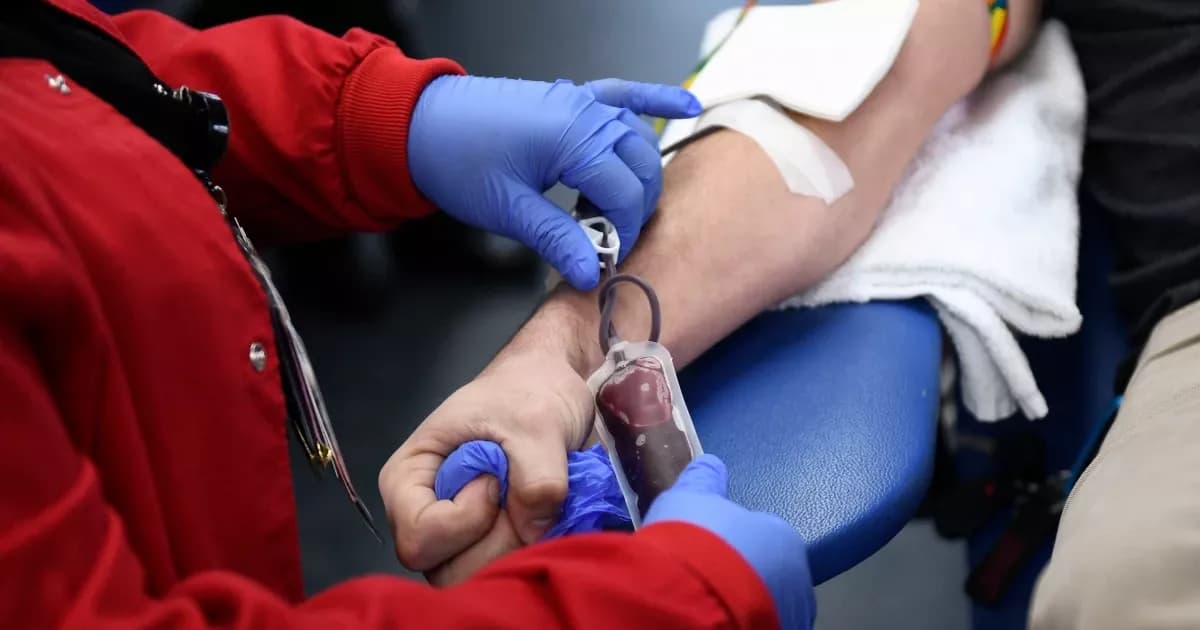
What is the best test to detect HIV ?
Give this quiz to my class
 Step 1 idea generation and step 2 screening of ideas in the new development process7.03 Patients with Infectious Disease The center adheres to infection control policies to ensure the safety of patients, physicians, and staff members. Patients who are currently being treated for an infectious disease or condition that is transmitted via the contact route may not be treated at the center. Patients with disease spread via droplet (e.g. influenza) or airborne (e.g. tuberculosis, measles) routes will reschedule their procedures in consultation with their physicians. The infection control nurse, in consultation with the infection control consultant, will determine whether the patient requires isolation or other additional precautions. If a patient with current Clostridium difficile-associated diarrhea is treated at the center, all rooms where the patient was housed, even briefly, should be cleaned by housekeeping under supervision of the staff at the center. Physicians must document relevant information in their pre-admission documentation. Standard Precautions will be followed in the care of all patients. Cigarroa Interventional Institute establishes policies to ensure compliance with infection control policies for the care of patients with drug-resistant organisms. The physician will screen patients through the medical history review prior to scheduling a patient at the center. During the pre-operative (pre-op) phone call or interview, a pre-op screening of the patient will be conducted. Strict isolation policies are required to treat patients with active MRSA, VRSA, or tuberculosis. Since this facility has no provisions for strict isolation, those patients with active infections will be referred elsewhere for treatment. Patients who are undergoing or completed a course of antibiotic therapy, are colonized and/or are not actively infected may be treated at the center. Patients with active infections requiring transmission-based precautions are not appropriate candidates for this facility and will be referred to another facility or rescheduled. Procedures cannot be scheduled for patients currently undergoing an infection with transmission based precautions. The patient must finish the course, and they will be rescheduled. Definitions and Standards: The following definitions and standards are provided for informational purposes only: Airborne Transmission and Precautions: This mode of transmission occurs by the spreading of either airborne droplet nuclei (small particle residue of 5 microns or smaller), of evaporated droplets which contain microorganisms that remain suspended in the air for long periods of time) or dust particles containing microorganisms. Patients must be isolated in private rooms with special air handling and ventilation, and the door must remain closed. Patient transport should be restricted to essential transport only. Respiratory precautions must be taken when in the presence of patients with active tuberculosis, including respiratory masks. Droplet Transmission and Precautions: Droplets are transmitted from the host source by coughing, sneezing, talking, or during procedures such as suctioning or bronchoscopy. Patients must be isolated, and a distance of 3 feet maintained between the infected patient and others. Caregivers within 3 feet of the patient should wear a mask. Patient transport should be minimized. Contact Transmission and Precautions: Direct contact transmission involves direct body surface to body surface contact with physical transfer of microorganisms between a susceptible host and an infected person. Indirect contact transmission involves contact with an intermediate object (usually inanimate) and a susceptible host. Patients should be isolated as much as possible. Gloves and hand washing are essential for all contact with the patient and contact with objects, which come in contact with the patient. Gloves should be changed after each contact. Reportable Condition If the patient is determined to have a reportable condition at any time during pre-admission, the Director of Operations/Nurse Manager will be notified. The procedural physician will be contacted and the case will be canceled. The Department of Health will also be notified the same day following state regulations regarding Reportable Communicable Diseases. To report a disease or condition, contact: The City of Laredo Epidemiology 24/7 Reporting Line: (956) 763-2915, if unable to report locally, call The Texas Departmrent of Health Services epidemiology program: 24/7Number for Immediately Reportable – 1-800-705-8868Genetic Testing: Types of carrier screening, Reasons for screeningBusiness of Retail: Pre-ScreeningEpid , Biostatistics, Conept of health and disease , screening New product development process: 1. idea generation 2. Screening 3. Idea Evaluation 4. Product development 5. Commercialization of the productPreclinical studies are conducted to determine the appropriate dose for safe testing on humans. These studies aim to accurately assess the potential toxicity of the product and determine a safe starting dose for clinical trials. This includes acute toxicity studies, short-duration dose escalation studies, and dose-ranging studies. In addition, pharmacokinetic trials are also conducted to determine the dosage range of a new drug. Such information is essential to ensure that the drug can be safely tested in humans and to avoid any potential harm. Furthermore, early screening tests and tests to determine dosage information can be completed under non-GLP conditions. These preclinical studies are essential for moving a drug from the preclinical stage to the clinical stage and are thus necessary before clinical trials are initiated.7.012 Employee Health The Center provides a safe working environment for all employees through a collaborative effort with them and the organization’s infection control program to identify infectious conditions that may put staff, patients and visitors at risk. Health evaluations, immunity testing for measles, mumps rubella and chickenpox, tuberculosis screening and immunity testing for hepatitis B and if not immune either signs declination form or accepts 3 dose vaccine series. (Rrefer to the Employee and Occupational Health Section policy Chapter 3.21) It is the center’s policy to monitor Health Care Associated Infections (HAI) in patients and personnel working in the Center as part of its ongoing program in Infection Prevention and Control. Staff should be encouraged to stay home when they have signs and symptoms of an infectious disease. If a staff develops signs and symptoms while at work, the person of other personnel and patients who may have been exposed to a staff member with a communicable disease should be taken into consideration. Patients and personnel can be told that they were exposed to a certain disease without disclosing the index case’s identity. In addition we work together to provide an annual influenza vaccination program that includes all staff who have patient contact, and licensed independent practitioners. Environmental Rounds - Environmental rounds are performed daily by assigned staff members, ie. “safety officer”. Feedback on opportunities for improvement is given to the Infection Control Coordinator and QAPI committee and then reported to the board Education – Employee education includes: General information about infections Techniques for prevention, surveillance, investigation and control Review of policies and procedures related to infection control: (See attachment B, policy and procedure reference list) Employee health practices; refer to Administration 3.16 Orientation and Training Offer of Hepatitis B vaccination & post exposure evaluations Annual TB skin testing Provides access to influenza vaccinations. Educates staff and licensed independent practitioners about influenza vaccination; non-vaccine infection control measures (such as the use of Droplet Precautions); and diagnosis, transmission, and potential impact of influenza. Annually evaluates vaccination participation and non-participation in the influenza immunization program and reports to Department of Health.