Loading...


STS
Quiz by Rosendy De Leon
Tag the questions with any skills you have. Your dashboard will track each student's mastery of each skill.
3 types of mass weapons
earliest recorded uses of biological weapons dates back to ancient times when invading forces would hurl diseased bodies over city walls to spread plague among besieged.
when did chemical weapons gained significant attention.
when did italy used mustard gas in bombs, sprayed from airplanes and spread on the ground during the 1935 invasion of ethiopia.
type of weapon:
It has toxic properties that can harm and used to cause intentinal death of human being
type of weapon:
toxins or live things that are purposefully discharged to kill or sicken people,animals, or plants. "Unusual Weapon"
type of weapon:
device designed to release explosive energy as a result of nuclear fission, nuclear fusion.
IT IS A POISON GAS USED AS CHEMICAL ARSENAL THAT PRODUCED A GREENISHYELLOW CLOUD THAT SMELL OF BLEACH.
IT IS A STEALER WEAPON THAT IS COLORLESS AND SMELLS LIKE MOLDY HAY, IS ALSO AN IRRITANT BUT SIX TIMES MORE DEADLY THAN CHLORINE GAS.
KNOWN AS POTENT BLISTERING AGENT AND IT HAS A POTENT SMELL; SOME SAY IT REEKS OF GARLIC, GASOLINE, RUBBER, OR DEAD HORSES.
single-cell organisms that cause diseases such as anthrax, brucellosis, tularemia, and plague.
microorganisms that resemble bacteria but differ in that they are intracellular parasites that reproduce inside cells. Typhus and Q fever are examples of diseases caused by rickettsia organisms.
intracellular parasites, about 1/100 the size of bacteria, that can be weaponized to cause diseases such as Venezuelan equine encephalitis.
pathogens that can be weaponized for use against crops to cause such diseases as rice blast, cereal rust, wheat smut, and potato blight.
—poisons that can be weaponized after extraction from snakes, insects, spiders, marine organisms, plants, bacteria, fungi, and animals. An example of a toxin is ricin, which is derived from the seed of the castor bean.
top 3 countries where detection, defense, mitigation happens
what weapon is this

what weapon is this
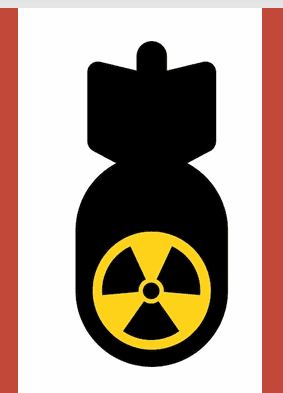
what type of weapon is this

___________plays a critical role in defending against WMDs.
Innovations such as _____________ are vital for early detection of threats.
Advancements in protective gear, such as _______decontamination materials, are pivotal in responding to WMD attacks
international agency:
UN
international agency:
WHO
international agency:
AIEA
substancial contribution in areas of medicine, astronomy, science, mathematics, arts, philosphy and music.
4 contribution of china
The Renaissance most important technological advancement was
4 contribution of The Renaissance
Industrial Revolution
Industrial Revolution
changes were iron, steel, coal, steam engine, electricity, petroleum
Industrial Revolution
changes were growth of cities, working class, new patterns of authority, and international trades
Industrial Revolution
changes were in transportation and communication with automobile, airplane, telegraph, radio
refers to the variety of lifeforms. ´It includes every living thing, even those that are invisible to the naked eye ´Individual species, the genes they contain, and the habitat they are part of
As per WHO, is a basic human right, and a state of of complete physical, mental, and social well-being. ´In society, it is the state of having a functioning ecosystem where we depend on food, water, and other basic needs.
Bureau of Science was replaced by
first microsatellite
first nanosatellite
launching postponed to 2025
threaths to biodiversity and health
deforestation, urbanization, and pollution pose significant threats to biodiversity and, consequently, human health. - habitat destruction and fragmentation lead to species extinction and disrupt ecological balance. - for instance, deforestation increases the likelihood of zoonotic diseases by forcing wildlife closer to human populations.
it exacerbates biodiversity loss by altering habitats and migration patterns.- rising temperatures threaten coral reefs, a critical habitat for marine species. - extreme weather events degrade ecosystems worldwide. - pollution, particularly plastic waste and toxic chemicals, further harms biodiversity, contaminating water sources and food chains
overfishing and illegal wildlife trade, disrupts ecosystems and diminishes their capacity to provide essential services. - the loss undermines ecosystem stability, threatening food security, clean air, and water, and increasing the risk of pandemics, creating a vicious cycle that endangers both ecosystems and human well-being.