placeholder image to represent content

TEKS Grade 5 Science - 5.7 Diagnostic Earth and Space- Rocks and Landforms

Quiz by Grade 5 Science - Texas Education Agency

Grade 5
Science (2017)
Texas Essential Knowledge and Skills (TEKS)

Our brand new solo games combine with your quiz, on the same screen

Correct quiz answers unlock more play!

New Quizalize solo game modes
10 questions
Show answers
  • Q1

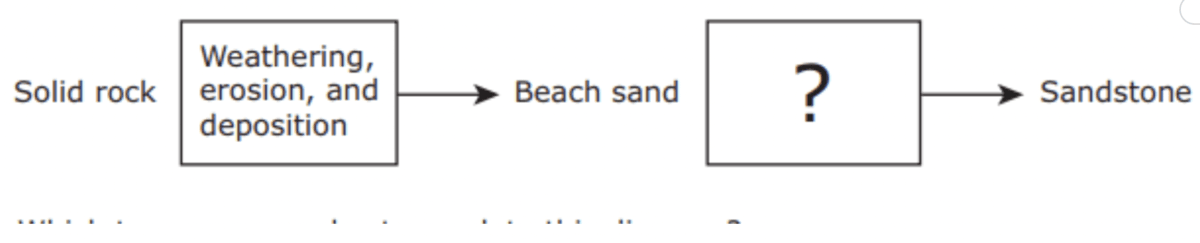
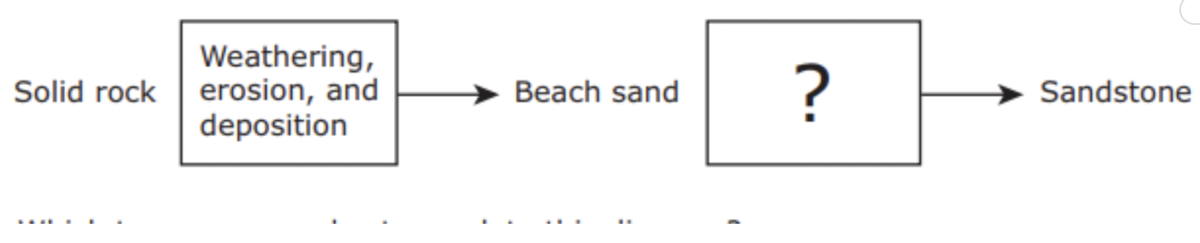
    The diagram below shows the sequence of the processes that turn solid rock into sandstone. Which two processes best complete this diagram?
    Question Image

    Evaporation and dissolving

    Melting and cooling

    Erosion and compaction

    Compaction and cementation

    30s
    5.7a
  • Q2

    All of these are related to the formation of oil or natural gas EXCEPT —

    decayed plants

    active volcanoes

    decomposed animals

    sedimentary rocks

    30s
    5.7a
  • Q3

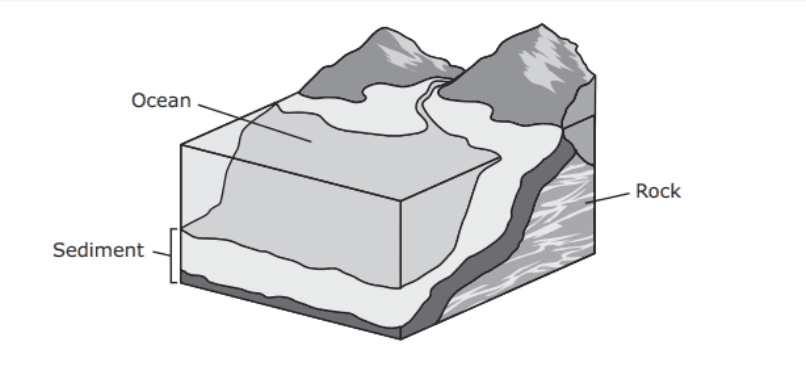
    The model below shows layers of sediment on the floor of an ocean. Which of the following best explains how these layers can become rock over many years?
    Question Image

    Pollution caused by humans turns the sediment into rock.

    The weight of the water compacts the sediment into rock.

    Changing water temperatures turn sand in the sediment into rock

    Sand in the sediment melts and turns into rock.

    30s
    5.7a
  • Q4

    Erosion is one of the processes involved in the formation of sedimentary rock. Which of these best describes the process of erosion?

    Pressure compacts layers of sediment and turns them into rock.

    Rocks are broken into smaller pieces that remain in the same location.

    Pieces of rock or soil are carried from one place to another.

    Sediment grains fall to the bottom of a lake to form sedimentary layers.

    30s
    5.7a
  • Q5

    Which list contains only processes that must occur in order for fossil fuels to form?

    Formation of faults, burial, glacier formation

    Organism growth, burial, compaction

    Organism growth, burial, volcanic eruptions

    Erosion, burial, earthquakes

    30s
    5.7a
  • Q6

    Glaciers are masses of ice that move slowly on land. Which of these features was most likely formed by a glacier?

    A lava flow

    A mountain range

    A wide valley

    A deep ocean

    30s
    5.7b
  • Q7

    The Rio Grande Valley is located at the southern tip of Texas at the end of a long river known as the Rio Grande. How did the delta at the end of the Rio Grande form?

    Question Image

    Sand and mud from the Gulf of Mexico were washed ashore by tsunamis

    The river deposited large amounts of sediment from land erosion

    Hurricanes pushed soil and debris from the Gulf of Mexico onto the land.

    The river cut through the solid bedrock of the valley.

    30s
    5.7b
  • Q8

    A student hiking in a rocky area on a mountain notices that wide, deep cracks have formed in some of the large rocks. Some of the cracks are so large that the rocks have broken apart. Which process most likely caused these rocks to crack and break?

    Water freezing and thawing

    Sediments being deposited

    Erosion by wind

    Erosion by fast-moving water

    30s
    5.7b
  • Q9

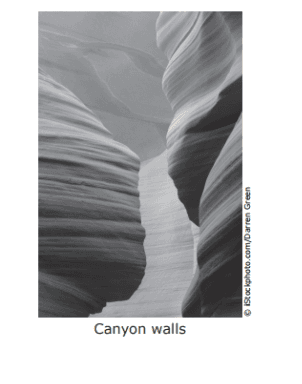
    The photograph below shows a canyon in northern Arizona. Which of these describes how this canyon was most likely formed?
    Question Image

    Wind blew large rocks that smashed against the canyon walls

    Glaciers eroded the canyon rock as they melted and moved.

    Floods eroded the sandstone away from the canyon walls.

    Ice wedged into cracks in the rock and weathered the canyon walls.

    30s
    5.7b
  • Q10

    Monahans Sandhills State Park in Texas has almost 4,000 acres of sand dunes. Some of the dunes are as tall as a six-story building. The dunes in the park are formed by —

    Question Image

    tornadoes

    strong winds

    rainstorms

    earthquakes

    30s
    5.7b

Teachers give this quiz to your class