Loading...


Tenis y algo más...
Quiz by Antonio Chaurel M.
Customize this quiz to suit your class
Instantly translate to 100+ languages
Tag the questions with any skills you have. Your dashboard will track each student's mastery of each skill.
Give this quiz to my class







 Pasatiempos y deportes
el pasatiempo
andar en patineta
bucear
escalar montañas
escribir una carta
escribir un mensaje electrónico
leer el correo electrónico
leer un periódico
leer una revista
esquiar
ir de excursión
nadar
pasear
pasear en bicicleta
patinar
tocar la guitarra **
tomar el sol
ver películas
visitar monumentos
la diversión
el fin de semana
los ratos libres
el videojuego
practicar deportes
el baloncesto
el béisbol
la canción**
el ciclismo
el concurso**
el esquí acuático
el fútbol
el fútbol americano
el golf
el hockey
la natación
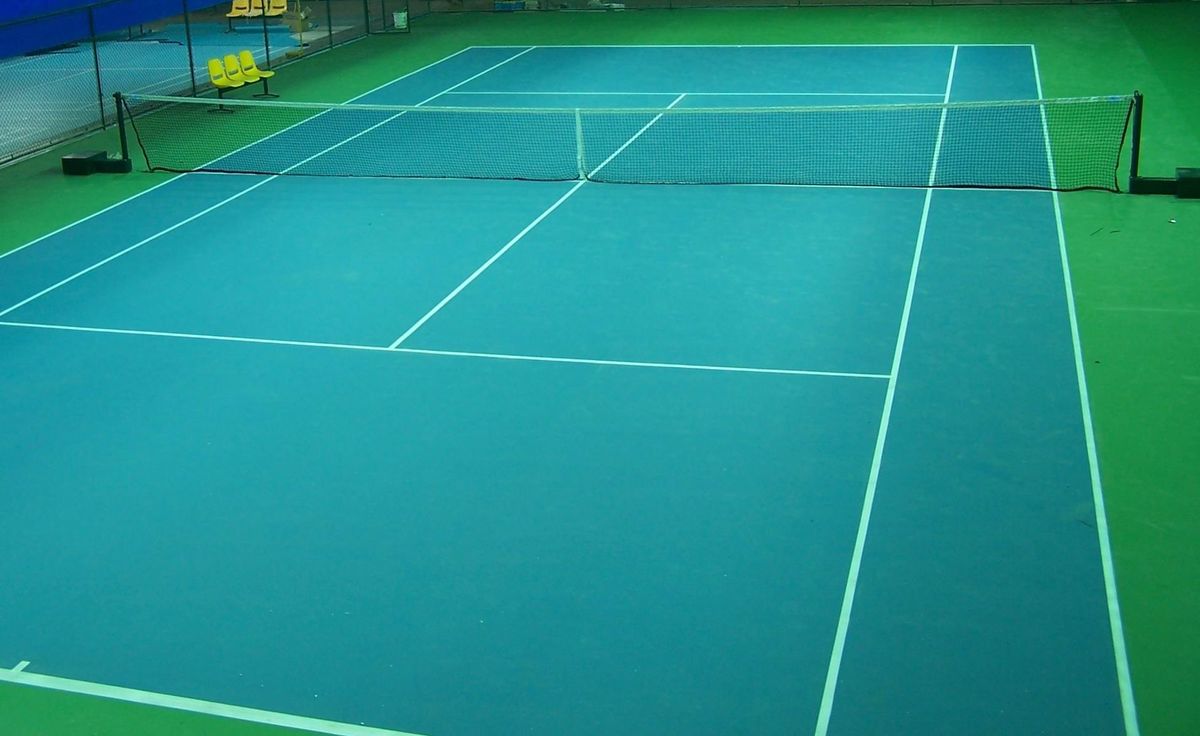
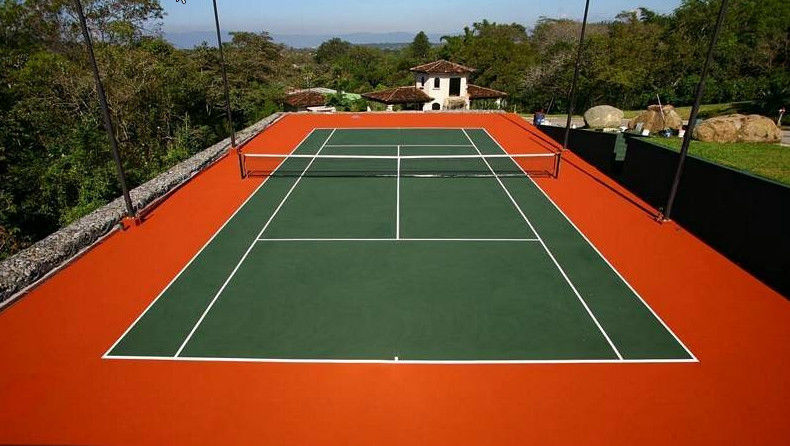
el tenis
el vóleibol
el equipo
el jugador
la jugadora
el árbitro/la árbitra
el atleta/la atleta
el deportista/la deportista**
deportista**
el partido
el torneo
el campeón/la campeona
la carrera
la vida**
competir
ganar
perder
empatar
la medalla
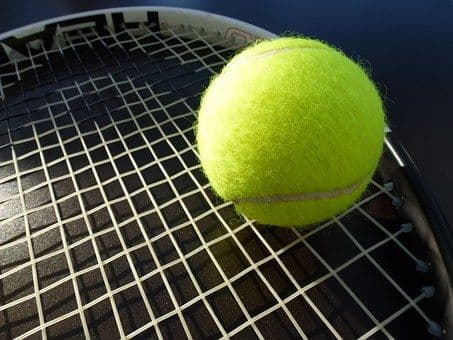
la pelota
deportivo/deportiva
favorito/favorita
Lugares y acciones
el lugar
el café
el centro
el centro comercial
el cine
el gimnasio
la iglesia
el museo
el parque
la piscina
la plaza
el restaurante
almorzar
cerrar
comenzar
empezar
conseguir
contar
decir
dormir
encontrar
entender
hacer
ir
jugar
mostrar
oír
pedir
pensar
pensar (+ infinitive)
pensar en
perder
poder
poner
preferir
querer
recordar
repetir
salir
seguir
suponer
traer
ver
volver
Expresiones con qué
¡Qué calor! **
¡Qué lástima! **
¡Qué sorpresa! **
¡Qué raro! **
La ropa, las joyas y los materiales Verbos Otras expresiones el bote el algodón la plata cambiar barato/a el camping / ir de camping el anillo la pulsera contar la calidad conmigo el arete las sandalias creer el cambio contigo las bermudas los shorts pagar caro/a el crucero / ir de crucero la bota el sombrero quisiera el chisme el picnic / hacer un picnic la bufanda el suéter recibir corto/a las vacaciones la chaqueta los tenis quedarle bien a uno en efectivo el cuero el traje (de baño) vender el hombre las gafas de sol el vestido visitar largo/a la gorra el zapato la mujer el impermeable la noticia la joya el novio la lana la novia el material la oferta el oro pasado/a la perla el regalo el pijama solo/a último/aTenía y otros verbos en el "imperfecto" (imperfect tense)TEMA Y TESISDurante los siglos centrales de la Edad Media, en el Occidente europeo se consolidó el feudalismo, un modelo político, social y económico caracterizado por la pérdida de poder de los monarcas. Origen del feudalismo. La desintegración del Imperio carolingio dio paso a nuevas oleadas invasoras: vikingos, magiares y musulmanes. Los monarcas pidieron ayuda militar a sus nobles. A cambio, les cedieron tierras, que se denominaron feudos, donde vivían y trabajaban siervos y campesinos libres. Los señores feudales lograron convertir sus cargos y territorios en hereditarios. El rey se convirtió en primus inter pares (primero entre iguales): aunque era el monarca, tenía el mismo poder que el resto de los nobles. Ceremonia de coronación. El papa o un obispo entrega la corona y el cetro de mando al rey para indicar que ha sido elegido por Dios y poner de relieve el carácter sagrado de la monarquía.Le vieillissement est l’ensemble des processus physiologiques et psychologiques qui modifient la structure et les fonctions de l’organisme à partir de l’âge mûr. Il résulte des effets combinés de facteurs génétiques et environnementaux auxquels est soumis l’organisme tout au long de sa vie. Il s’agit d’un processus lent et progressif qui est la conséquence de l’action du temps sur les fonctions de l’organisme. La sénescence est le processus de vieillissement biologique, la suite des changements irréversibles dans un organisme qui conduisent à la mort. Ce processus physiologique débute après la phase de maturité et se traduit par la dégradation progressive et inéluctable des fonctions vitales : reproduction, motricité, système immunitaire, etc. La sénilité est la détérioration pathologique (liée à une maladie) des facultés physiques et mentales d’un individu âgé. Il existe trois modalités différentes de vieillissement : le vieillissement réussi, avec une absence ou une atteinte minime des fonctions physiologiques et une absence de pathologies ; le vieillissement habituel, avec des atteintes considérées comme physiologiques, liées à l’âge, de certaines fonctions, mais sans pathologies invalidantes ; le vieillissement pathologique lié à des maladies sévères évolutives ou compliquées et responsable le plus souvent d’une dépendance importante. À ces trois notions, il est important d’ajouter la notion de fragilité qui correspond à un état d’équilibre précaire avec l’impossibilité de répondre de façon adaptée à un stress qu’il soit médical, psychologique ou social. Après 65 ans, 10 à 20% des personnes peuvent être considérées comme fragiles et jusqu’à 50% après 85 ans. Il s’agit de personnes à haut risque d’hospitalisation, d’institutionnalisation et de décès. Les psychologues décrivent 5 grands types de personnalité liés au vieillissement, plus ou moins présents chez chacun : le mature est actif, tolérant et il s’adapte parfaitement à son évolution ; le pantouflard est passif, indulgent envers lui-même et il utilise son âge pour valoriser son inactivité ; le blindé est mentalement rigide, il a peur de la déchéance et s’enferme dans ses souvenirs de jeunesse ; le mécontent est amer, intolérant et pessimiste, anxieux face à la mort ; il en veut au monde entier de son état et de ses échecs ; le déprécié est dépressif, insatisfait de sa vie, sans estime de soi et envahi de regrets sur le passé ; il envisage la mort comme une délivrance ou une finalité. La solitude a un effet important sur la santé. Si nous comparons des personnes âgées qui conservent un vaste réseau de relations sociales à d’autres qui sont isolées, ces dernières auraient un risque supérieur de mort prématurée. Parler et échanger avec les autres est essentiel au bien-être. Stimuler la mémoire d’une personne âgée lui permettra de conserver son autonomie et de retarder la dépendance. Pour rester en forme, le cerveau doit travailler de manière complète. Plusieurs activités peuvent donc permettre à la personne dépendante de garder une bonne mémoire le plus longtemps possible : tenir un agenda, rédiger un journal, jouer à des jeux ou encore pratiquer des activités de création. Pour stimuler l’activité sociale d’une personne âgée, faire des rencontres est le meilleur moyen de rester en forme : rencontrer des personnes, poursuivre les activités qu’on aime, se servir du téléphone et même d’internet si possible. Il y a des personnes âgées qui ne parlent à personne pendant des semaines. Pour d’autres, le contact se limite aux relations avec les caissières des supermarchés. Avec l’âge, certains de nos aînés sont murés dans le silence. Pas par choix. Mais parce que les liens familiaux se sont distendus ou n’existent plus. Ils se retrouvent alors seuls, sans échange, sans partage et sans affection. Un des grands défis à relever pour l’avenir est la lutte contre la solitude des personnes âgées. Il faut savoir que la solitude est désormais considérée comme un facteur de risque de la maladie d’Alzheimer. Lutter contre la solitude, c’est prévenir l’exclusion, la pauvreté et la perte d’autonomie. Quel est le secret pour préserver son corps malgré les années ? Un peu d’activité physique et des repas équilibrés ! Pour lutter contre l’apparition des rides ou la chute des cheveux et conserver ses capacités physiques et cognitives, mieux vaut surveiller son assiette. Inutile d’aller chercher des produits miracles pour rester jeune : il faut commencer par manger mieux! Car en fonction des aliments qu’on choisit, on préserve son capital santé et on garde la forme durant de longues années. Les problèmes alimentaires spécifiques au vieillissement apparaissent à des âges variables et sont beaucoup plus marqués après 85 ans. Une bonne nutrition a un rôle de prévention de mieux en mieux connu sur les pathologies liées à l’âge. Un bon régime pour un senior comprend beaucoup de fruits et de légumes, du pain, du riz, des pâtes et des fibres. Il ne faut pas oublier le poisson, surtout le thon, le saumon et les sardines, et limiter les viandes rouges, en préférant le poulet, la dinde ou le lapin. Il faut aussi réduire le sel et le sucre, et tous les aliments riches en graisses comme les frites, les fritures ou les gâteaux. L’eau est très importante, mais on peut aussi boire du thé, des jus de fruits sans sucre ou du lait écrémé ou demi – écrémé. Il faut aussi de la vitamine D pour garder les os en bonne santé. On peut la trouver dans le poisson, la margarine et les céréales du petit déjeuner. Le corps produit tout seul la vitamine D quand il est exposé au soleil, il est donc conseillé de profiter du soleil de temps en temps avec de la protection pour aider le corps à produire cette vitamine. Étape naturelle de la vie d’une femme, la ménopause mérite quelques attentions sur le plan nutritionnel à cause de la modification du statut hormonal. Beaucoup de femmes prennent du poids à la cinquantaine. Souvent tout simplement parce que leur mode de vie change, avec moins de dépenses physiques et plus de temps pour apprécier les plaisirs de la table ! Mais aussi parce que les transformations hormonales de la ménopause vont favoriser la mise en réserve de graisses. Le premier antidote contre ce risque de surpoids est une activité physique suffisante et, en complément, une alimentation allégée grâce à l’élimination des calories «inutiles». À éviter ou à consommer avec beaucoup de modération : les boissons sucrées comme les sodas, les bonbons, les biscuits salés ou sucrés, l’alcool sous toutes ses formes, les glaces et les pâtisseries, les plats riches en graisses, les frites et les fritures, les sauces classiques, la mayonnaise, les sauces barbecue et tous les laitages au lait entier. Les modifications hormonales et la diminution de l’activité physique ont également pour conséquence une “fonte” progressive de la masse musculaire. Pour lutter contre ce phénomène, il y a une seule solution : bouger !Generate all of these 25 questions Part A: Each correct answer is worth 5. 1. The regular pentagon shown has a side length of 2 cm. The perimeter of the pentagon is (A) 2 cm (B) 4 cm (C) 6 cm (D) 8 cm (E) 10 cm 2 cm 2. The faces of a cube are labelled with 1, 2, 3, 4, 5, and 6 dots. Three of the faces are shown. What is the total number of dots on the other three faces? (A) 6 (B) 8 (C) 10 (D) 12 (E) 15 3. The equation that best represents \a number increased by _ve equals 15" is (A) n 5 = 15 (B) n _ 5 = 15 (C) n + 5 = 15 (D) n + 15 = 5 (E) n _ 5 = 15 4. The line graph shows the number of bobbleheads sold at a store each year. The sale of bobbleheads increased the most between (A) 2016 and 2017 (B) 2017 and 2018 (C) 2018 and 2019 (D) 2019 and 2020 (E) 2020 and 2021 Number of 2016 2017 2018 2019 2020 Year Sale of Bobbleheads 2021 Bobbleheads 20 40 60 80 5. Starting at 72, Aryana counts down by 11s: 72; 61; 50; : : : . What is the last number greater than 0 that Aryana will count? (A) 4 (B) 5 (C) 6 (D) 7 (E) 8 6. In the diagram, \ABC = 90_. The value of x is (A) 68 (B) 23 (C) 56 (D) 28 (E) 26 Day of the Week 44° x° A B C x° 7. Which of the following values is closest to zero? (A) 1 (B) 5 4 (C) 12 (D) 4 5 (E) 0:9 Grade 8 8. A jar contains 267 quarters. One quarter is worth $0.25. How many quarters must be added to the jar so that the total value of the quarters is $100.00? (A) 33 (B) 53 (C) 103 (D) 133 (E) 153 9. A package of 8 greeting cards comes with 10 envelopes. Kirra has 7 cards but no envelopes. What is the smallest number of packages that Kirra needs to buy to have more envelopes than cards? (A) 3 (B) 4 (C) 5 (D) 6 (E) 7 10. For the points in the diagram, which statement is true? (A) e > c (B) b < d (C) f > b (D) a < e (E) a > c y x (e, f ) (a, b) (c, d ) Part B: Each correct answer is worth 6. 11. The 26 letters of the English alphabet are listed in an in_nite, repeating loop: ABCDEFGHIJKLMNOPQRSTUVWXY ZABC : : : What is the 258th letter in this sequence? (A) V (B) W (C) X (D) Y (E) Z 12. A public holiday is always celebrated on the third Wednesday of a certain month. In that month, the holiday cannot occur on which of the following days? (A) 16th (B) 22nd (C) 18th (D) 19th (E) 21st 13. A circular spinner is divided into three sections. An arrow is attached to the centre of the spinner. The arrow is spun once. The probability that the arrow stops on the largest section is 50%. The probability it stops on the next largest section is 1 in 3. The probability it stops on the smallest section is (A) 1 4 (B) 2 5 (C) 1 6 (D) 2 7 (E) 3 10 14. A positive number is divisible by both 3 and 4. The tens digit is greater than the ones digit. How many positive two-digit numbers have this property? (A) 4 (B) 5 (C) 6 (D) 7 (E) 8 15. A rectangular pool measures 20 m by 8 m. There is a 1 m wide walkway around the outside of the pool, as shown by the shaded region. The area of the walkway is (A) 56 m2 (B) 60 m2 (C) 29 m2 (D) 52 m2 (E) 50 m2 20 m 8 m 1 m Grade 8 16. The results of asking 50 students if they participate in music or sports are shown in the Venn diagram. What percentage of the 50 students do not participate in music and do not participate in sports? (A) 0% (B) 80% (C) 20% (D) 70% (E) 40% Music Sports 15 5 20 17. There are 2 3 as many golf balls in Bin F as in Bin G. If there are a total of 150 golf balls, how many fewer golf balls are in Bin F than in Bin G? (A) 15 (B) 30 (C) 50 (D) 60 (E) 90 18. In the sequence shown, Figure 1 is formed using 7 squares. Each _gure after Figure 1 has 5 more squares than the previous _gure. What _gure has 2022 squares? (A) Figure 400 (B) Figure 402 (C) Figure 404 (D) Figure 406 (E) Figure 408 Figure 1 Figure 2 Figure 3 19. Mateo's 300 km trip from Edmonton to Calgary passed through Red Deer. Mateo started in Edmonton at 7 a.m. and drove until stopping for a 40 minute break in Red Deer. Mateo arrived in Calgary at 11 a.m. Not including the break, what was his average speed for the trip? (A) 83 km/h (B) 94 km/h (C) 90 km/h (D) 95 km/h (E) 64 km/h 20. Equilateral triangle ABC has sides of length 4. The midpoint of BC is D, and the midpoint of AD is E. The value of EC2 is (A) 7 (B) 6 (C) 6:25 (D) 8 (E) 10 Part C: Each correct answer is worth 8. 21. The positive factors of 6 are 1, 2, 3, and 6. There are two perfect squares less than 100 that have exactly _ve positive factors. What is the sum of these two perfect squares? (A) 177 (B) 80 (C) 145 (D) 52 (E) 97 22. In the list p; q; r; s; t; u; v, each letter represents a positive integer. The sum of the values of each group of three consecutive letters in the list is 35. If q + u = 15, then p + q + r + s + t + u + v is (A) 85 (B) 70 (C) 80 (D) 90 (E) 75 Grade 8 23. The net shown is folded to form a cube. An ant walks from face to face on the cube, visiting each face exactly once. For example, ABCFED and ABCEFD are two possible orders of faces the ant visits. If the ant starts at A, how many possible orders are there? (A) 24 (B) 48 (C) 32 (D) 30 (E) 40 A D B C E F 24. The number 385 is an example of a three-digit number for which one of the digits is the sum of the other two digits. How many numbers between 100 and 999 have this property? (A) 144 (B) 126 (C) 108 (D) 234 (E) 64 25. Student A, Student B, and Student C have been hired to help scientists develop a new avour of juice. There are 4200 samples to test. Each sample either contains blueberry or does not. Each student is asked to taste each sample and report whether or not they think it contains blueberry. Student A reports correctly on exactly 90% of the samples containing blueberry and reports correctly on exactly 88% of the samples that do not contain blueberry. The results for all three students are shown below. Student A Student B Student C Percentage correct on samples 90% 98% (2m)% containing blueberry Percentage correct on samples 88% 86% (4m)% not containing blueberry Student B reports 315 more samples as containing blueberry than Student A. For some positive integers m, the total number of samples that the three students report as containing blueberry is equal to a multiple of 5 between 8000 and 9000. The sum of all such values of m is (A) 45 (B) 36 (C) 24 (D) 27 (E) 29La familia el padre/papa father/dad el hermano brother el hijo son el abuelo grandfather el tío uncle el primo cousin el sobrino nephew el esposo husband el nieto grandson el padrastro stepfather el hermanastro stepbrother la madre/mamá mother/mom la hermana sister la hija daughter la abuela grandmother la tía aunt la prima cousin la sobrina niece la esposa wife la nieta granddaughter la madrastra stepmother la hermanastra stepsister el bisabuelo great-grandfather la bisabuela great-grandmother el tatarabuelo great-great-grandfather la tatarabuela great-great-grandmother el padrino godfather la madrina godmother el ahijado godson la ahijada goddaughter el suegro father-in-law la suegra mother-in-law el cuñado brother-in-law la cuñada sister-in-law el yerno son-in-law la nuera daughter-in-law Mi my mis my nuestro our nuestra our nuestros our nuestras our tu your (informal) tus your (informal) vuestro you all's vuestra you all's vuestros you all's vuestras you all's su (él) his sus (él) his su (ella) her sus (ella) her su (Ud.) your (formal) sus (Ud.) your (formal) su (ellos/ellas) their sus (ellos/ellas) their su (Uds.) you all's (formal) sus (Uds.) you all's (formal) nuestro abuelo our grandfather tu hermano your brother mi casa my house mis casas my houses tus hermanos your brothers sus libros his books Mi, tu, su, nuestro/a/os/as, vuestro/a/os/as must agree with the thing that belongs to you (or me, or him, or her, or them) in number and gender. That means that if the thing that belongs to someone is plural, you must add an "-s" onto the adjective. Nuestro, vuestro must agree in number and in gender with the thing that belongs to us (or to you all). vuestros hijos nuestras hermanas nuestra abuela su hermana his sister mis primos my cousins mis primas my cousins (female) sus padres his parents nuestra hija our daughter tener to have yo tengo I have tú tienes you have él tiene he has ella tiene she has Ud. tiene you (formal singular) have nosotros tenemos we have nosotras tenemos we have vosotros tenéis you all have vosotras tenéis you all have ellos tienen they have ellas tienen they have Uds. tienen you (formal plural) have Nosotros tenemos ocho tíos. We have eight uncles Yo tengo tres hermanos. I have three brothers. Tengo dos hermanas. I have two sisters ¿Cuántos años tienes? How old are you? Tengo dieciocho años. I am 18 years old. Tengo catorce años. I am 14 years old. Yo tengo tres hermanos y una hermana I have three brothers and one sister
Pasatiempos y deportes
el pasatiempo
andar en patineta
bucear
escalar montañas
escribir una carta
escribir un mensaje electrónico
leer el correo electrónico
leer un periódico
leer una revista
esquiar
ir de excursión
nadar
pasear
pasear en bicicleta
patinar
tocar la guitarra **
tomar el sol
ver películas
visitar monumentos
la diversión
el fin de semana
los ratos libres
el videojuego
practicar deportes
el baloncesto
el béisbol
la canción**
el ciclismo
el concurso**
el esquí acuático
el fútbol
el fútbol americano
el golf
el hockey
la natación
el tenis
el vóleibol
el equipo
el jugador
la jugadora
el árbitro/la árbitra
el atleta/la atleta
el deportista/la deportista**
deportista**
el partido
el torneo
el campeón/la campeona
la carrera
la vida**
competir
ganar
perder
empatar
la medalla
la pelota
deportivo/deportiva
favorito/favorita
Lugares y acciones
el lugar
el café
el centro
el centro comercial
el cine
el gimnasio
la iglesia
el museo
el parque
la piscina
la plaza
el restaurante
almorzar
cerrar
comenzar
empezar
conseguir
contar
decir
dormir
encontrar
entender
hacer
ir
jugar
mostrar
oír
pedir
pensar
pensar (+ infinitive)
pensar en
perder
poder
poner
preferir
querer
recordar
repetir
salir
seguir
suponer
traer
ver
volver
Expresiones con qué
¡Qué calor! **
¡Qué lástima! **
¡Qué sorpresa! **
¡Qué raro! **
La ropa, las joyas y los materiales Verbos Otras expresiones el bote el algodón la plata cambiar barato/a el camping / ir de camping el anillo la pulsera contar la calidad conmigo el arete las sandalias creer el cambio contigo las bermudas los shorts pagar caro/a el crucero / ir de crucero la bota el sombrero quisiera el chisme el picnic / hacer un picnic la bufanda el suéter recibir corto/a las vacaciones la chaqueta los tenis quedarle bien a uno en efectivo el cuero el traje (de baño) vender el hombre las gafas de sol el vestido visitar largo/a la gorra el zapato la mujer el impermeable la noticia la joya el novio la lana la novia el material la oferta el oro pasado/a la perla el regalo el pijama solo/a último/aTenía y otros verbos en el "imperfecto" (imperfect tense)TEMA Y TESISDurante los siglos centrales de la Edad Media, en el Occidente europeo se consolidó el feudalismo, un modelo político, social y económico caracterizado por la pérdida de poder de los monarcas. Origen del feudalismo. La desintegración del Imperio carolingio dio paso a nuevas oleadas invasoras: vikingos, magiares y musulmanes. Los monarcas pidieron ayuda militar a sus nobles. A cambio, les cedieron tierras, que se denominaron feudos, donde vivían y trabajaban siervos y campesinos libres. Los señores feudales lograron convertir sus cargos y territorios en hereditarios. El rey se convirtió en primus inter pares (primero entre iguales): aunque era el monarca, tenía el mismo poder que el resto de los nobles. Ceremonia de coronación. El papa o un obispo entrega la corona y el cetro de mando al rey para indicar que ha sido elegido por Dios y poner de relieve el carácter sagrado de la monarquía.Le vieillissement est l’ensemble des processus physiologiques et psychologiques qui modifient la structure et les fonctions de l’organisme à partir de l’âge mûr. Il résulte des effets combinés de facteurs génétiques et environnementaux auxquels est soumis l’organisme tout au long de sa vie. Il s’agit d’un processus lent et progressif qui est la conséquence de l’action du temps sur les fonctions de l’organisme. La sénescence est le processus de vieillissement biologique, la suite des changements irréversibles dans un organisme qui conduisent à la mort. Ce processus physiologique débute après la phase de maturité et se traduit par la dégradation progressive et inéluctable des fonctions vitales : reproduction, motricité, système immunitaire, etc. La sénilité est la détérioration pathologique (liée à une maladie) des facultés physiques et mentales d’un individu âgé. Il existe trois modalités différentes de vieillissement : le vieillissement réussi, avec une absence ou une atteinte minime des fonctions physiologiques et une absence de pathologies ; le vieillissement habituel, avec des atteintes considérées comme physiologiques, liées à l’âge, de certaines fonctions, mais sans pathologies invalidantes ; le vieillissement pathologique lié à des maladies sévères évolutives ou compliquées et responsable le plus souvent d’une dépendance importante. À ces trois notions, il est important d’ajouter la notion de fragilité qui correspond à un état d’équilibre précaire avec l’impossibilité de répondre de façon adaptée à un stress qu’il soit médical, psychologique ou social. Après 65 ans, 10 à 20% des personnes peuvent être considérées comme fragiles et jusqu’à 50% après 85 ans. Il s’agit de personnes à haut risque d’hospitalisation, d’institutionnalisation et de décès. Les psychologues décrivent 5 grands types de personnalité liés au vieillissement, plus ou moins présents chez chacun : le mature est actif, tolérant et il s’adapte parfaitement à son évolution ; le pantouflard est passif, indulgent envers lui-même et il utilise son âge pour valoriser son inactivité ; le blindé est mentalement rigide, il a peur de la déchéance et s’enferme dans ses souvenirs de jeunesse ; le mécontent est amer, intolérant et pessimiste, anxieux face à la mort ; il en veut au monde entier de son état et de ses échecs ; le déprécié est dépressif, insatisfait de sa vie, sans estime de soi et envahi de regrets sur le passé ; il envisage la mort comme une délivrance ou une finalité. La solitude a un effet important sur la santé. Si nous comparons des personnes âgées qui conservent un vaste réseau de relations sociales à d’autres qui sont isolées, ces dernières auraient un risque supérieur de mort prématurée. Parler et échanger avec les autres est essentiel au bien-être. Stimuler la mémoire d’une personne âgée lui permettra de conserver son autonomie et de retarder la dépendance. Pour rester en forme, le cerveau doit travailler de manière complète. Plusieurs activités peuvent donc permettre à la personne dépendante de garder une bonne mémoire le plus longtemps possible : tenir un agenda, rédiger un journal, jouer à des jeux ou encore pratiquer des activités de création. Pour stimuler l’activité sociale d’une personne âgée, faire des rencontres est le meilleur moyen de rester en forme : rencontrer des personnes, poursuivre les activités qu’on aime, se servir du téléphone et même d’internet si possible. Il y a des personnes âgées qui ne parlent à personne pendant des semaines. Pour d’autres, le contact se limite aux relations avec les caissières des supermarchés. Avec l’âge, certains de nos aînés sont murés dans le silence. Pas par choix. Mais parce que les liens familiaux se sont distendus ou n’existent plus. Ils se retrouvent alors seuls, sans échange, sans partage et sans affection. Un des grands défis à relever pour l’avenir est la lutte contre la solitude des personnes âgées. Il faut savoir que la solitude est désormais considérée comme un facteur de risque de la maladie d’Alzheimer. Lutter contre la solitude, c’est prévenir l’exclusion, la pauvreté et la perte d’autonomie. Quel est le secret pour préserver son corps malgré les années ? Un peu d’activité physique et des repas équilibrés ! Pour lutter contre l’apparition des rides ou la chute des cheveux et conserver ses capacités physiques et cognitives, mieux vaut surveiller son assiette. Inutile d’aller chercher des produits miracles pour rester jeune : il faut commencer par manger mieux! Car en fonction des aliments qu’on choisit, on préserve son capital santé et on garde la forme durant de longues années. Les problèmes alimentaires spécifiques au vieillissement apparaissent à des âges variables et sont beaucoup plus marqués après 85 ans. Une bonne nutrition a un rôle de prévention de mieux en mieux connu sur les pathologies liées à l’âge. Un bon régime pour un senior comprend beaucoup de fruits et de légumes, du pain, du riz, des pâtes et des fibres. Il ne faut pas oublier le poisson, surtout le thon, le saumon et les sardines, et limiter les viandes rouges, en préférant le poulet, la dinde ou le lapin. Il faut aussi réduire le sel et le sucre, et tous les aliments riches en graisses comme les frites, les fritures ou les gâteaux. L’eau est très importante, mais on peut aussi boire du thé, des jus de fruits sans sucre ou du lait écrémé ou demi – écrémé. Il faut aussi de la vitamine D pour garder les os en bonne santé. On peut la trouver dans le poisson, la margarine et les céréales du petit déjeuner. Le corps produit tout seul la vitamine D quand il est exposé au soleil, il est donc conseillé de profiter du soleil de temps en temps avec de la protection pour aider le corps à produire cette vitamine. Étape naturelle de la vie d’une femme, la ménopause mérite quelques attentions sur le plan nutritionnel à cause de la modification du statut hormonal. Beaucoup de femmes prennent du poids à la cinquantaine. Souvent tout simplement parce que leur mode de vie change, avec moins de dépenses physiques et plus de temps pour apprécier les plaisirs de la table ! Mais aussi parce que les transformations hormonales de la ménopause vont favoriser la mise en réserve de graisses. Le premier antidote contre ce risque de surpoids est une activité physique suffisante et, en complément, une alimentation allégée grâce à l’élimination des calories «inutiles». À éviter ou à consommer avec beaucoup de modération : les boissons sucrées comme les sodas, les bonbons, les biscuits salés ou sucrés, l’alcool sous toutes ses formes, les glaces et les pâtisseries, les plats riches en graisses, les frites et les fritures, les sauces classiques, la mayonnaise, les sauces barbecue et tous les laitages au lait entier. Les modifications hormonales et la diminution de l’activité physique ont également pour conséquence une “fonte” progressive de la masse musculaire. Pour lutter contre ce phénomène, il y a une seule solution : bouger !Generate all of these 25 questions Part A: Each correct answer is worth 5. 1. The regular pentagon shown has a side length of 2 cm. The perimeter of the pentagon is (A) 2 cm (B) 4 cm (C) 6 cm (D) 8 cm (E) 10 cm 2 cm 2. The faces of a cube are labelled with 1, 2, 3, 4, 5, and 6 dots. Three of the faces are shown. What is the total number of dots on the other three faces? (A) 6 (B) 8 (C) 10 (D) 12 (E) 15 3. The equation that best represents \a number increased by _ve equals 15" is (A) n 5 = 15 (B) n _ 5 = 15 (C) n + 5 = 15 (D) n + 15 = 5 (E) n _ 5 = 15 4. The line graph shows the number of bobbleheads sold at a store each year. The sale of bobbleheads increased the most between (A) 2016 and 2017 (B) 2017 and 2018 (C) 2018 and 2019 (D) 2019 and 2020 (E) 2020 and 2021 Number of 2016 2017 2018 2019 2020 Year Sale of Bobbleheads 2021 Bobbleheads 20 40 60 80 5. Starting at 72, Aryana counts down by 11s: 72; 61; 50; : : : . What is the last number greater than 0 that Aryana will count? (A) 4 (B) 5 (C) 6 (D) 7 (E) 8 6. In the diagram, \ABC = 90_. The value of x is (A) 68 (B) 23 (C) 56 (D) 28 (E) 26 Day of the Week 44° x° A B C x° 7. Which of the following values is closest to zero? (A) 1 (B) 5 4 (C) 12 (D) 4 5 (E) 0:9 Grade 8 8. A jar contains 267 quarters. One quarter is worth $0.25. How many quarters must be added to the jar so that the total value of the quarters is $100.00? (A) 33 (B) 53 (C) 103 (D) 133 (E) 153 9. A package of 8 greeting cards comes with 10 envelopes. Kirra has 7 cards but no envelopes. What is the smallest number of packages that Kirra needs to buy to have more envelopes than cards? (A) 3 (B) 4 (C) 5 (D) 6 (E) 7 10. For the points in the diagram, which statement is true? (A) e > c (B) b < d (C) f > b (D) a < e (E) a > c y x (e, f ) (a, b) (c, d ) Part B: Each correct answer is worth 6. 11. The 26 letters of the English alphabet are listed in an in_nite, repeating loop: ABCDEFGHIJKLMNOPQRSTUVWXY ZABC : : : What is the 258th letter in this sequence? (A) V (B) W (C) X (D) Y (E) Z 12. A public holiday is always celebrated on the third Wednesday of a certain month. In that month, the holiday cannot occur on which of the following days? (A) 16th (B) 22nd (C) 18th (D) 19th (E) 21st 13. A circular spinner is divided into three sections. An arrow is attached to the centre of the spinner. The arrow is spun once. The probability that the arrow stops on the largest section is 50%. The probability it stops on the next largest section is 1 in 3. The probability it stops on the smallest section is (A) 1 4 (B) 2 5 (C) 1 6 (D) 2 7 (E) 3 10 14. A positive number is divisible by both 3 and 4. The tens digit is greater than the ones digit. How many positive two-digit numbers have this property? (A) 4 (B) 5 (C) 6 (D) 7 (E) 8 15. A rectangular pool measures 20 m by 8 m. There is a 1 m wide walkway around the outside of the pool, as shown by the shaded region. The area of the walkway is (A) 56 m2 (B) 60 m2 (C) 29 m2 (D) 52 m2 (E) 50 m2 20 m 8 m 1 m Grade 8 16. The results of asking 50 students if they participate in music or sports are shown in the Venn diagram. What percentage of the 50 students do not participate in music and do not participate in sports? (A) 0% (B) 80% (C) 20% (D) 70% (E) 40% Music Sports 15 5 20 17. There are 2 3 as many golf balls in Bin F as in Bin G. If there are a total of 150 golf balls, how many fewer golf balls are in Bin F than in Bin G? (A) 15 (B) 30 (C) 50 (D) 60 (E) 90 18. In the sequence shown, Figure 1 is formed using 7 squares. Each _gure after Figure 1 has 5 more squares than the previous _gure. What _gure has 2022 squares? (A) Figure 400 (B) Figure 402 (C) Figure 404 (D) Figure 406 (E) Figure 408 Figure 1 Figure 2 Figure 3 19. Mateo's 300 km trip from Edmonton to Calgary passed through Red Deer. Mateo started in Edmonton at 7 a.m. and drove until stopping for a 40 minute break in Red Deer. Mateo arrived in Calgary at 11 a.m. Not including the break, what was his average speed for the trip? (A) 83 km/h (B) 94 km/h (C) 90 km/h (D) 95 km/h (E) 64 km/h 20. Equilateral triangle ABC has sides of length 4. The midpoint of BC is D, and the midpoint of AD is E. The value of EC2 is (A) 7 (B) 6 (C) 6:25 (D) 8 (E) 10 Part C: Each correct answer is worth 8. 21. The positive factors of 6 are 1, 2, 3, and 6. There are two perfect squares less than 100 that have exactly _ve positive factors. What is the sum of these two perfect squares? (A) 177 (B) 80 (C) 145 (D) 52 (E) 97 22. In the list p; q; r; s; t; u; v, each letter represents a positive integer. The sum of the values of each group of three consecutive letters in the list is 35. If q + u = 15, then p + q + r + s + t + u + v is (A) 85 (B) 70 (C) 80 (D) 90 (E) 75 Grade 8 23. The net shown is folded to form a cube. An ant walks from face to face on the cube, visiting each face exactly once. For example, ABCFED and ABCEFD are two possible orders of faces the ant visits. If the ant starts at A, how many possible orders are there? (A) 24 (B) 48 (C) 32 (D) 30 (E) 40 A D B C E F 24. The number 385 is an example of a three-digit number for which one of the digits is the sum of the other two digits. How many numbers between 100 and 999 have this property? (A) 144 (B) 126 (C) 108 (D) 234 (E) 64 25. Student A, Student B, and Student C have been hired to help scientists develop a new avour of juice. There are 4200 samples to test. Each sample either contains blueberry or does not. Each student is asked to taste each sample and report whether or not they think it contains blueberry. Student A reports correctly on exactly 90% of the samples containing blueberry and reports correctly on exactly 88% of the samples that do not contain blueberry. The results for all three students are shown below. Student A Student B Student C Percentage correct on samples 90% 98% (2m)% containing blueberry Percentage correct on samples 88% 86% (4m)% not containing blueberry Student B reports 315 more samples as containing blueberry than Student A. For some positive integers m, the total number of samples that the three students report as containing blueberry is equal to a multiple of 5 between 8000 and 9000. The sum of all such values of m is (A) 45 (B) 36 (C) 24 (D) 27 (E) 29La familia el padre/papa father/dad el hermano brother el hijo son el abuelo grandfather el tío uncle el primo cousin el sobrino nephew el esposo husband el nieto grandson el padrastro stepfather el hermanastro stepbrother la madre/mamá mother/mom la hermana sister la hija daughter la abuela grandmother la tía aunt la prima cousin la sobrina niece la esposa wife la nieta granddaughter la madrastra stepmother la hermanastra stepsister el bisabuelo great-grandfather la bisabuela great-grandmother el tatarabuelo great-great-grandfather la tatarabuela great-great-grandmother el padrino godfather la madrina godmother el ahijado godson la ahijada goddaughter el suegro father-in-law la suegra mother-in-law el cuñado brother-in-law la cuñada sister-in-law el yerno son-in-law la nuera daughter-in-law Mi my mis my nuestro our nuestra our nuestros our nuestras our tu your (informal) tus your (informal) vuestro you all's vuestra you all's vuestros you all's vuestras you all's su (él) his sus (él) his su (ella) her sus (ella) her su (Ud.) your (formal) sus (Ud.) your (formal) su (ellos/ellas) their sus (ellos/ellas) their su (Uds.) you all's (formal) sus (Uds.) you all's (formal) nuestro abuelo our grandfather tu hermano your brother mi casa my house mis casas my houses tus hermanos your brothers sus libros his books Mi, tu, su, nuestro/a/os/as, vuestro/a/os/as must agree with the thing that belongs to you (or me, or him, or her, or them) in number and gender. That means that if the thing that belongs to someone is plural, you must add an "-s" onto the adjective. Nuestro, vuestro must agree in number and in gender with the thing that belongs to us (or to you all). vuestros hijos nuestras hermanas nuestra abuela su hermana his sister mis primos my cousins mis primas my cousins (female) sus padres his parents nuestra hija our daughter tener to have yo tengo I have tú tienes you have él tiene he has ella tiene she has Ud. tiene you (formal singular) have nosotros tenemos we have nosotras tenemos we have vosotros tenéis you all have vosotras tenéis you all have ellos tienen they have ellas tienen they have Uds. tienen you (formal plural) have Nosotros tenemos ocho tíos. We have eight uncles Yo tengo tres hermanos. I have three brothers. Tengo dos hermanas. I have two sisters ¿Cuántos años tienes? How old are you? Tengo dieciocho años. I am 18 years old. Tengo catorce años. I am 14 years old. Yo tengo tres hermanos y una hermana I have three brothers and one sister