Explain the roles of various world leaders, including Benito Mussolini, Adolf Hitler, Hideki Tojo, Joseph Stalin, Franklin D. Roosevelt, and Winston Churchill, prior to and during World War II
Identify the major political, economic, and social motivations that influenced European imperialism
Identify the historical origins and characteristics of communism, including the influence of Karl Marx
Identify the causes of the February (March) and October (November) revolutions of 1917 in Russia, their effects on the outcome of World War I, and the Bolshevik establishment of the Union of Soviet Socialist Republics.
Use social studies terminology correctly
Explain the effects of major new military technologies on World War I, World War II, and the Cold War
Analyze information by sequencing, categorizing, identifying cause-and-effect relationships, comparing, contrasting, finding the main idea, summarizing, making generalizations and predictions, drawing inferences and conclusions, and developing connections between historical events over time
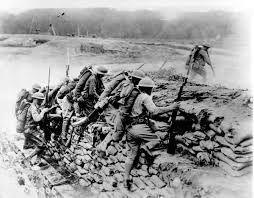
Identify major characteristics of World War I, including total war, trench warfare, modern military technology, and high casualty rates
Identify the importance of imperialism, nationalism, militarism, and the alliance system in causing World War I
Track each student's skills and progress in your Mastery dashboards