Loading...

Week 13: Entomology & Wildlife Forensics
Quiz by Professor J. Crowson
Tag the questions with any skills you have. Your dashboard will track each student's mastery of each skill.
______________________ is the study of insect species including their biology, lifecycles, and relationships with their environment and other organisms.
Botany
Entomology
Anthropology
Etymology
All of the following are areas of forensic entomology investigations EXCEPT FOR:
Urban Context/Housing
Medicolegal Applications
Agricultural Crop Research
Stored Product Infestations
______________________ is the study of insect species including their biology, lifecycles, and relationships with their environment and other organisms.
All of the following are areas of forensic entomology investigations EXCEPT FOR:
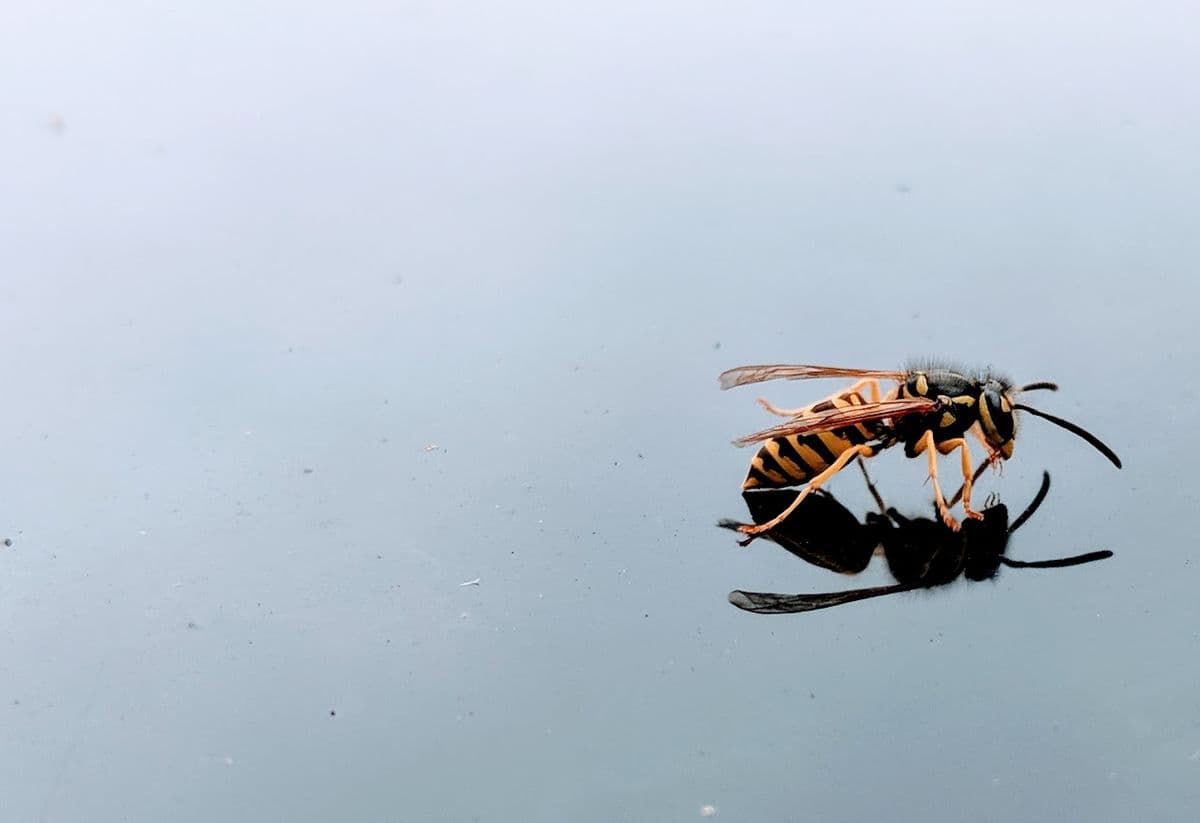
A termite infestation creating an unsafe apartment structure, would be an investigation related to what area of forensic entomology?
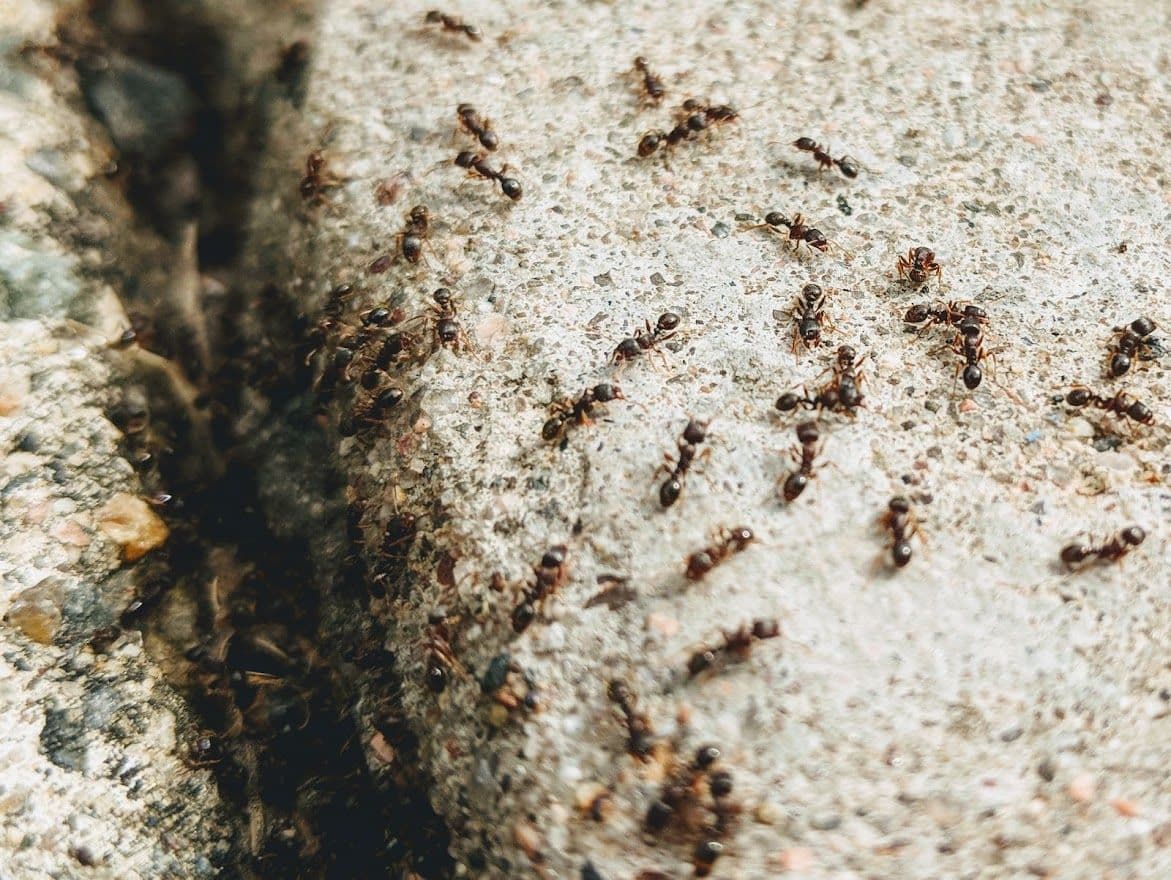
An infestation of biscuit beetles found in grain silos would be an investigation, most fitting under what category of investigation in forensic entomology?
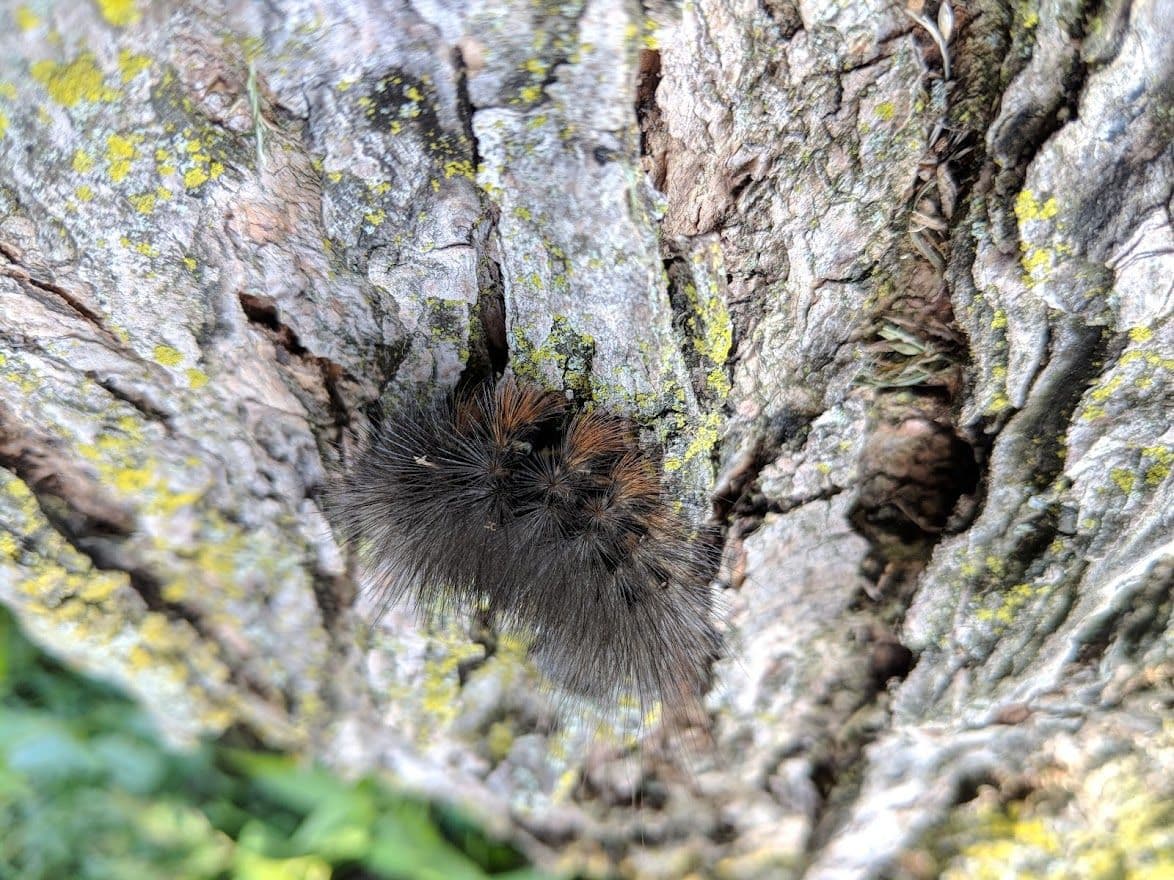
Due to their high protein content and nutritional benefits, some experts suggests that Americans and Northern Europeans eat what, which is not commonly consumed among their citizens?
The historical story featured in a book entitled, The Washing Away of Wrongs, discusses a murder solved by flies being attracted to a weapon. What country does this 1247 book derive from?
This type of time of death, refers to when a person actually died.
This type of time of death refers to when a person is confirmed deceased and may or may not be when that person precisely died.
This type of time of death may be given as a range based on evidence collected and analyzed.
This refers to a range of date and/or times that a person likely died.
___________ refer to insects that are present on a body in order to feed only on dead tissues.
This term refers to insects that are present on a body to only feed upon necrophagic insects.
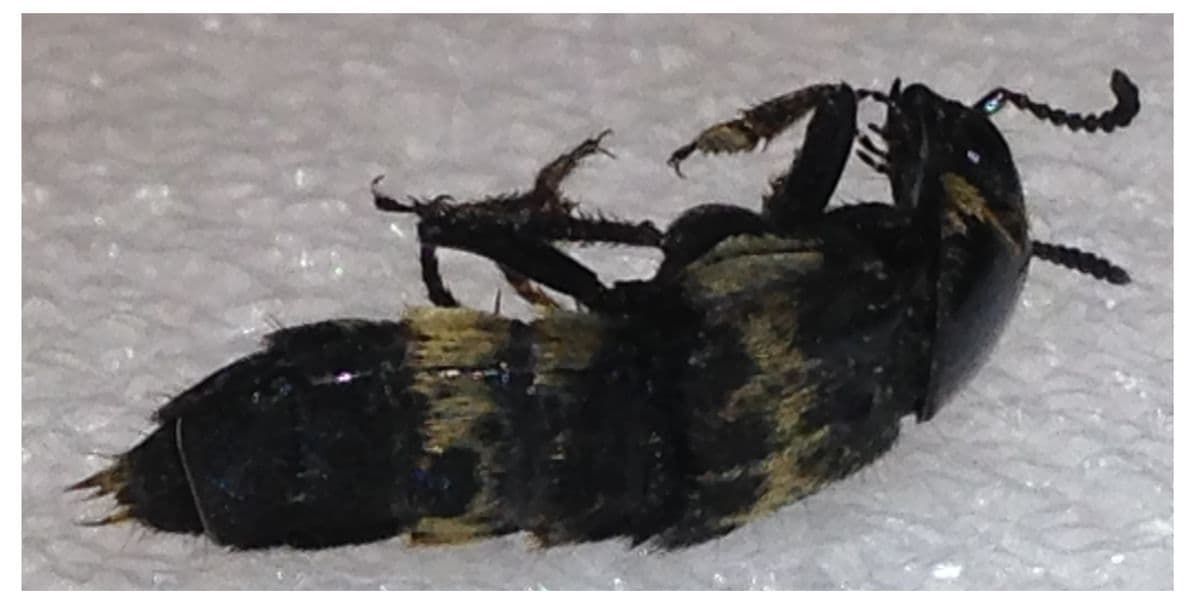
This type of insect is present on a body to both feed upon dead tissue and other insects present.
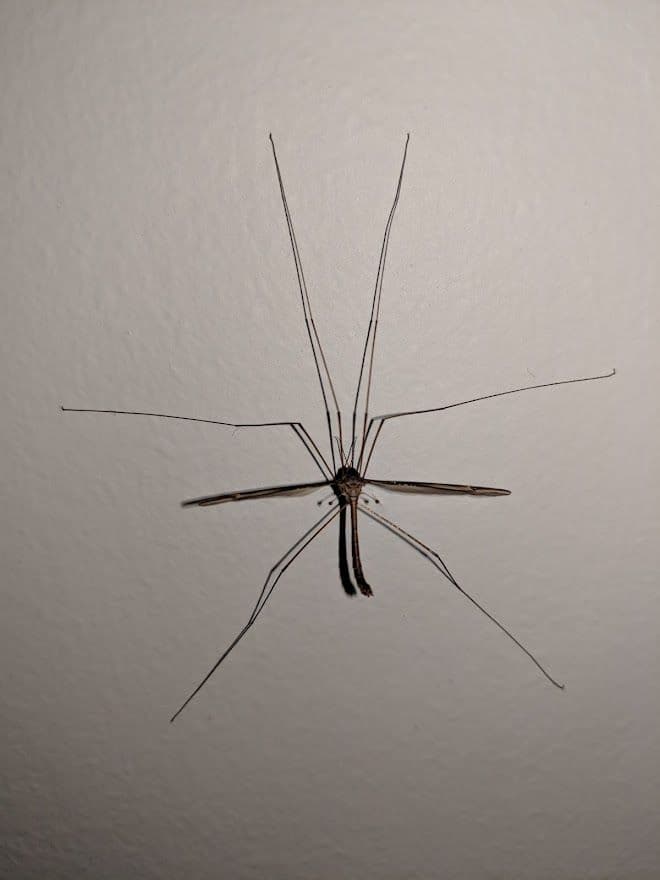
This type of insect present on a body, is only coincidentally there due to the surroundings being its natural environment.
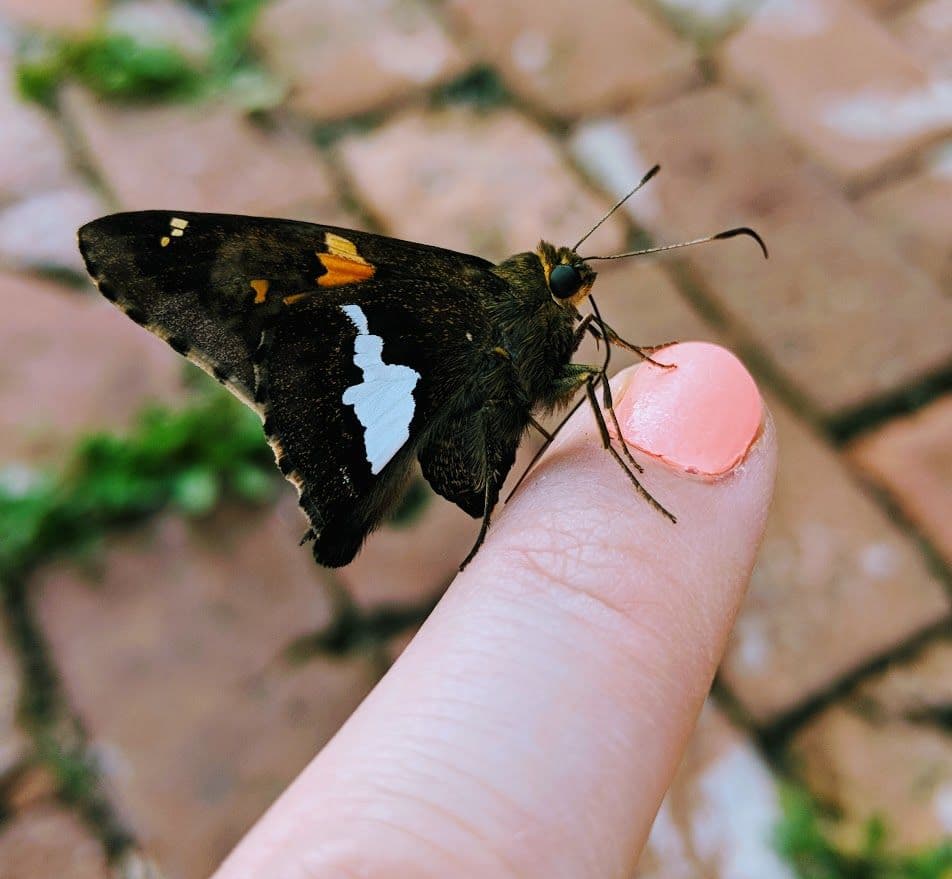
While in their larval stages, a blowfly will go through how many phases, which are also called instars?
Instars can be determined by counting what structures on the peritremes of maggots?
PMI, which describes the time that has passed since death, stands for what?
All of the following can significantly influence rate of insect activity EXCEPT FOR?

Which of the following are all ways that insects can influence a case EXCEPT FOR?
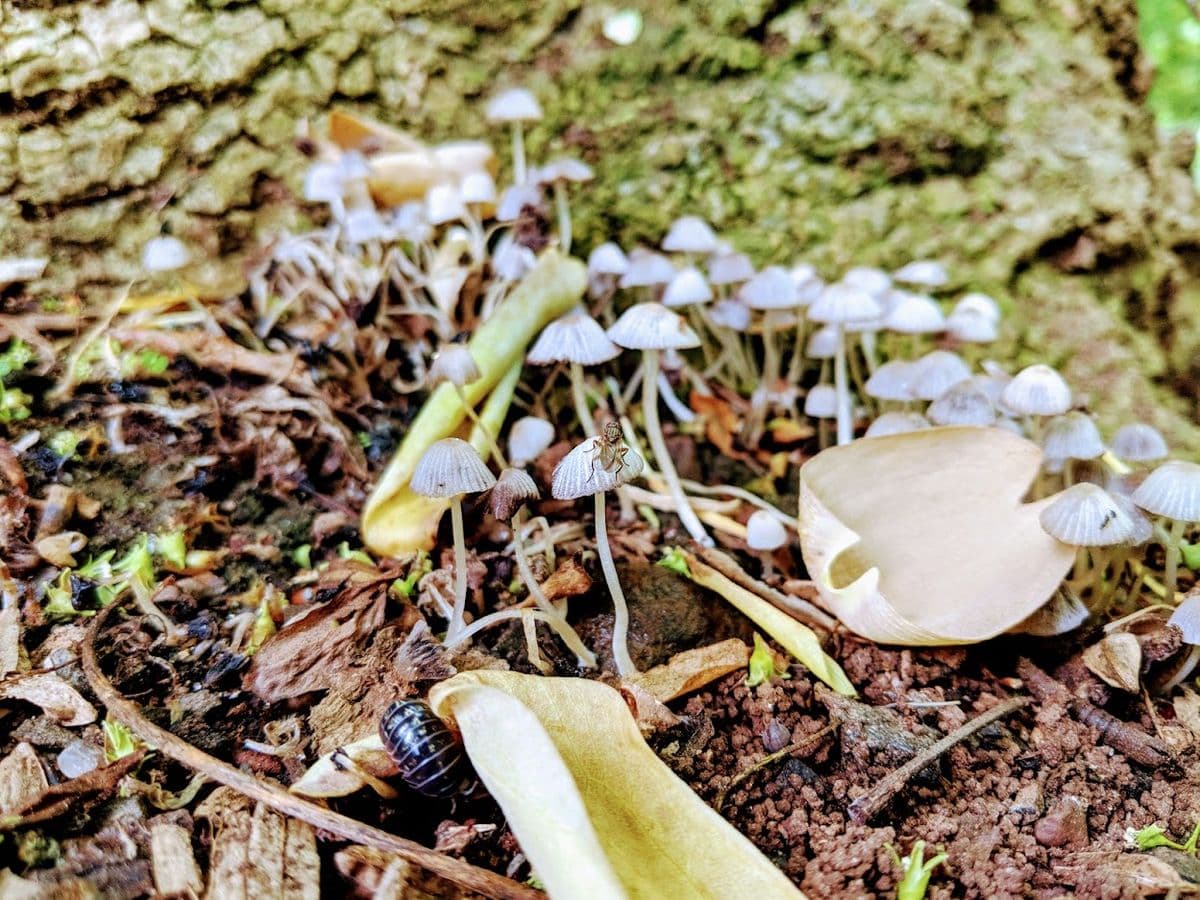
_____________ refers to the infestation of fly larvae on living or necrotic tissues in vertebrates.
_______________ forensics refers to the application of forensic science to assist in the protection and conservation non-domesticated animals both in their natural environments as well as those in captivity.

_____________ are the most trafficked animal in the world.

The ________________ is an older act that is considered the first American law relating to wildlife protection, which prevent the trafficking of living or dead specimens, or products deriving from such; it also prevents false records of wildlife transportation for commerce.
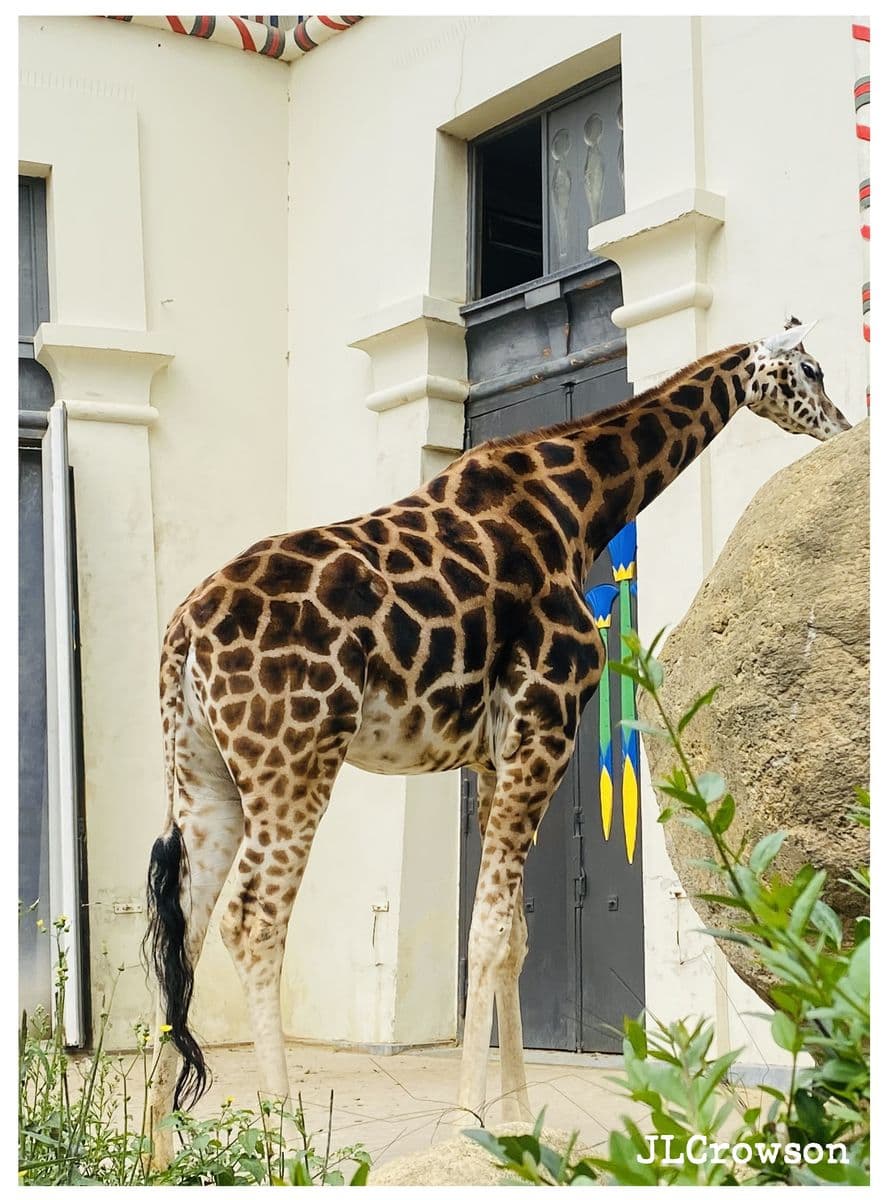
This law serves to protect most North American birds (except for game birds). It states that it is unlawful to hunt, capture, own, sell, kill, etc., any migratory birds (as well as their nests, eggs, or products).

This law prohibits the selling, importing, purchasing, transport, or stealing of any sea mammal or product of such.
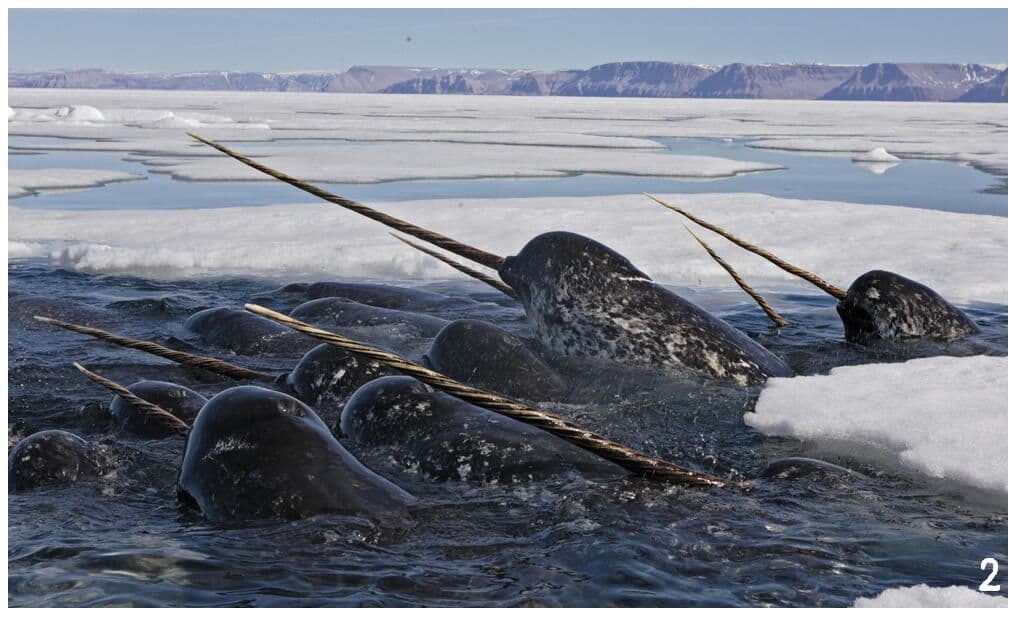
Under this law, there is a list of species (both plant and animal) that are in danger of extinction or near extinction. Any species listed are illegal to import, take, sell, purchase, or be received unless permitted by regulation.
______________ refers to a treaty of over 170 countries worldwide that pertains to endangered or threatened wildlife and plants. There are three levels of protection, which are most endangered, threatened with endangerment, and requested regulations for species to prevent unsustainability or illegal exploiting.
___________ describes any mammalian tooth/tusks of commercial interest, which is big enough to be carved or scrimshawed.
The animals that natural ivory comes from are all of the following EXCEPT FOR:
Elephant ivory has what are called ______________ lines, which can be seen in cross sections of the ivory dentine, which appear as cross hatching or stacked chevron shapes
