Loading...


Domestic Hot Water Systems
Quiz by Ricky Fleet
Customize this quiz to suit your class
Instantly translate to 100+ languages
Tag the questions with any skills you have. Your dashboard will track each student's mastery of each skill.
Give this quiz to my class
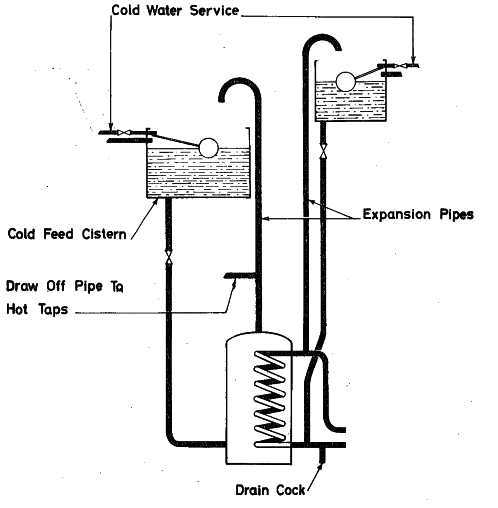


 Know the components used in domestic hot water systemsUnderstand the installation requirements of domestic hot water plumbing systems Accidents are unexpected events or happening at home, school, on the road or at work which can lead to injuries or death. It can cause pain, sorrow, discomfort or deformation of the body. Some accidents are caused by mistakes, stubbornness, carelessness or disobedience. The accident at home is called domestic accident. TYPES OF ACCIDENT 1) BURNS: These are caused by hot objects like hot iron. Burns could be caused through fire incidents. 2) BITES: These are caused by animals such as snakes, dogs, insects etc. Some insect’s bites may lead to itching of the spot and its surroundings. This may later lead to a serious discomfort. 3) BRUISES: These are marks on the skin which results when one falls of hit by a person in a fight. This action causes the swelling of the skin. 4) SCALDS: Scalds are caused by hot water, hot oil or acid if it mistakenly touches or pours on the body. 5) CUTS: These are caused by sharp objects such as knife, blades, scissors. 6) ROAD ACCIDENTS: These are caused by Reckless driving, bad roads(potholes). 7) AIR AND SEA ACCIDENTS: These are mainly caused by poor weather and engine failure. It can lead to materials and human beings lost. 8) RAIL ACCIDENTS: These are caused by bad railways and careless crossing by motorists. THE FOLLOWING ARE THE WAYS OF PREVENTING ACCIDENTS. 1. Do not play near an open fire or flame. 2. Do not run up the staircase but walk smartly. 3. Do not dare a strange dog. 4. Do not play with sharp objects likes blades, knives and scissors. 5. Do not play with harmful insects. 6. Avoid rough plays to prevent bruises and wounds and other forms of accidents. 7. Remove all objects that can cause a fall on the way. 8. Wear dry rubber slippers before operating an electrical appliance like Television, refrigerator and pressing iron. 9. Always obey your parents’ instructions. 10. Always keep the floor clean at all time. Contact with the Americas In 1001, Viking sailors led by Leif Erikson reached the eastern tip of North America. Archaeologists have found evidence of the Viking settlement of Vinland in present-day Newfoundland, Canada. The Vikings did not stay in Vinland long and no one is sure why they left. However, Viking stories describe fierce battles with Skraelings, the Viking name for the Inuit. Evidence suggests that Asians continued to cross the Bering Sea into North America after the last ice age ended. Some scholars believe that ancient seafarers from Polynesia may have traveled to the Americas using their knowledge of the stars and winds. Modern Polynesians have sailed canoes thousands of miles in this way. Still others think that fishing boats from China and Japan blew off course and landed on the western coast of North or South America. Perhaps such voyages occurred. If so, they were long forgotten. Before 1492, the peoples of Asia and Europe had no knowledge of the Americas and their remarkable civilizations. The Voyages of Columbus Portuguese sailors had pioneered new routes around Africa toward Asia in the late 1400s. Spain, too, wanted a share of the riches. King Ferdinand and Queen Isabella hoped to keep their rival, Portugal, from controlling trade with India, China, and Japan. They agreed to finance a voyage of exploration by Christopher Columbus. Columbus, an Italian sea captain, planned to reach the East Indies by sailing west across the Atlantic. Finding a sea route straight to Asia would give the Spanish direct access to the silks, spices, and precious metals of Asia. The spice trade was a major cause for European exploration and a reason the Spanish rulers supported Columbus’s voyage. They also wanted wealth from any source. “Get gold,” King Ferdinand said to Columbus. “Humanely if possible, but at all hazards—get gold.” Crossing the Atlantic In August 1492, Columbus set out with three ships and about 90 sailors. As captain, he commanded the largest vessel, the Santa María. The other ships were the Niña and the Pinta. After a brief stop at the Canary Islands, the little fleet continued west into unknown seas. Fair winds sped them along, but a month passed without the sight of land. Some sailors began to grumble. They had never been away from land for so long and feared being lost at sea. Still, Columbus sailed on. On October 7, sailors saw flocks of birds flying southwest. Columbus changed course to follow the birds. A few days later, crew members spotted tree branches and flowers floating in the water. At 2 a.m. on October 12, the lookout on the Pinta spotted white cliffs shining in the moonlight. “Tierra! Tierra!” he shouted. “Land! Land!” At dawn, Columbus rowed ashore and planted the banner of Spain. He was convinced that he had reached the East Indies in Asia. He called the people he found there “Indians.” In fact, he had reached islands off the coasts of North America and South America in the Caribbean Sea. These islands later became known as the West Indies. For three months, Columbus explored the West Indies. To his delight, he found signs of gold on the islands. Eager to report his success, he returned to Spain. Columbus Claims Lands for Spain In Spain, Columbus presented Queen Isabella and King Ferdinand with gifts of pink pearls and brilliantly colored parrots. Columbus brought with him many things that Europeans had never seen before: tobacco, pineapples, and hammocks used for sleeping. Columbus also described the “Indians” he had met, the Taino (ty noh). The Taino, he promised, could easily be converted to Christianity and could also be used as slaves. The Spanish monarchs were impressed. They gave Columbus the title Admiral of the Ocean Sea. They also agreed to finance future voyages. The promise of great wealth, and the chance to spread Christianity, gave them a reason to explore further. Columbus made three more voyages across the Atlantic. In 1493, he founded the first Spanish colony in the Americas, Santo Domingo, on an island he called Hispaniola (present-day Haiti and the Dominican Republic). A colony is an area settled and ruled by the government of a distant land. Columbus also explored present-day Cuba and Jamaica. He sailed along the coasts of Central America and northern South America. He claimed all of these lands for Queen Isabella of Spain. Columbus proved to be a better explorer than governor. During his third expedition, settlers on Hispaniola complained of his harsh rule. Queen Isabella appointed an investigator, who sent Columbus back to Spain in chains. In the end, the queen pardoned Columbus, but he never regained the honors he had won earlier. He died in 1506, still convinced that he had reached Asia. The Impact of Columbus’s Voyages Columbus has long been honored as the bold sea captain who “discovered America.” Today, we recognize that American Indians had discovered and settled these lands long before 1492. We also recognize that Columbus and the Europeans who followed him treated the ancient inhabitants of the Americas brutally. Still, Columbus’s voyages did change history. They marked the beginning of lasting contact among the peoples of Europe, Africa, and the Americas. For a great many American Indians, contact had tragic results. Columbus and those who followed were convinced that European culture was superior to that of the Indians. The Spanish claimed Taino lands and forced the Taino to work in gold mines, on ranches, or in Spanish households. Many Taino died from harsh conditions or European diseases. The Taino population was wiped out. Still, the voyages of Columbus signaled a turning point for the Americas. A turning point is a moment in history that marks a decisive change. Curious Europeans saw the new lands as a place where they could settle, trade, and grow rich. Spanish Exploration Continues After the voyages of Columbus, the Spanish explored and settled other Caribbean islands that Columbus had found. They sought gold, land for crops, people to enslave, and converts to Christianity for the Spanish crown. By 1511, they had conquered Puerto Rico, Jamaica, and Cuba. They also explored the eastern coasts of North America and South America in search of a western route to Asia. In 1513, Vasco Núñez de Balboa (bal boh uh) crossed the Isthmus of Panama. American Indians had told him that a large body of water lay to the west. With a party of Spanish soldiers and Indians, Balboa reached the Pacific Ocean and claimed the ocean for Spain. The Spanish had no idea how wide the Pacific was until a sea captain named Ferdinand Magellan (muh jel un) sailed across it. The expedition—made up of five ships and about 250 crew members—left Spain in 1519. Fifteen months later, it cut through the stormy southern tip of South America by way of what is now known as the Strait of Magellan and entered the Pacific Ocean. Crossing the vast Pacific, the sailors ran out of food: Primary Source “We remained 3 months and 20 days without taking in provisions or other refreshments and ate only old biscuit reduced to powder, full of grubs and stinking from the dirt which rats had made on it. We drank water that was yellow and stinking.” —Antonio Pigafetta, The Diary of Antonio Pigafetta Magellan himself was killed in a battle with the local people of the Philippine Islands off the coast of Asia. In 1522, only one ship and 18 sailors returned to Spain. They were the first people to circumnavigate, or sail completely around, the world. In doing so, they had found an all-water western route to Asia. Europeans became aware of the true size of the Earth. How Did the Columbian Exchange Affect the Rest of the World? The encounter between the peoples of the Eastern and Western Hemispheres sparked a global exchange of goods and ideas. Because it started with the voyages of Columbus, this transfer is known as the Columbian Exchange. The Columbian Exchange refers to a biological and cultural exchange of animals, plants, human populations, diseases, food, government, technology, the arts, and languages. The exchange went in both directions. Europeans learned much from American Indians. At the same time, Europeans contributed in many ways to the culture of the Americas. This exchange also brought about many modifications, or changes, to the physical environment of the Americas, with both positive and negative results. Changing Environments Europeans introduced domestic animals such as chickens from Europe and Africa. European pigs, cattle, and horses often escaped into the wild and multiplied rapidly. Forests and grasslands were converted to pastures. As horses spread through what would become the United States, Indians learned to ride them and used them to carry heavy loads. Plants from Europe and Africa changed the way American Indians lived. The first bananas came from the Canary Islands. By 1520, one Spaniard reported that banana trees had spread “so greatly that it is marvelous to see the great abundance of them.” Oranges, lemons, and figs were also new to the Americas. In North America, explorers also brought such plants as bluegrass, the daisy, and the dandelion. These plants spread quickly in American soil and modified American grasslands. Tragically, Europeans also brought new diseases, such as smallpox and influenza. American Indians had no resistance to these diseases. Historians estimate that within 75 years, diseases from Europe had killed almost 90 percent of the people in the Caribbean Islands and in Mexico. American Indian Influences on Europe, Africa and Asia American Indians introduced Europeans to valuable food crops such as corn, potatoes, sweet potatoes, beans, tomatoes, manioc, squash, peanuts, pineapples, and blueberries. Today, almost half the world’s food crops come from plants that were first grown in the Americas. Europeans carried the new foods with them as they sailed around the world. Everywhere, people’s diets changed and populations increased. In South Asia, people used American hot peppers and chilies to spice stews. Chinese peasants began growing corn and sweet potatoes. Italians made sauces from tomatoes. People in West Africa grew manioc and corn. European settlers often adopted American Indian skills. In the North, Indians showed Europeans how to use snowshoes and trap beavers and other fur-bearing animals. European explorers learned how to paddle Indian canoes. Some leaders studied American Indian political structures. In the 1700s, Benjamin Franklin admired the Iroquois League and urged American colonists to unite in a similar way. Positive and Negative Consequences Through the Columbian Exchange, Europeans and American Indians modified their environments and gained new resources and skills. At the same time, warfare and disease killed many on both sides. Europeans viewed expansion positively. They gained great wealth, explored trade routes, and spread Christianity. Yet their farming, mining, and diseases took a toll on the physical environment and left many American Indians dead. Despite these negatives, the Columbian Exchange shaped the modern world, including what would become the United States.ENGLISH GROUP PROJECT: THE GLOBAL VENTURE (Thailand) Comprehensive Presentation Script & Role Outline (5-Person Distribution) 1. Strategic Role & Workload Distribution Matrix Role / Name Core Domain / Responsibility Presentation Delivery Scope Member 1Member 1 Tan Finance & Housing (Rent, cost of living, deposits, urban/rural margins)Finance & Housing (Rent, cost of living, deposits, urban/rural margins) Slide 3: Finance Lead, Slide 8: Data VisualizerSlide 3: Finance Lead, Slide 8: Data Visualizer Member 2Member 2 Huy Work Culture & Professional Etiquette (Hierarchy, industry growth, networking)Work Culture & Professional Etiquette (Hierarchy, industry growth, networking) Slide 3: Culture Lead, Slide 9: Adaptation ExpertSlide 3: Culture Lead, Slide 9: Adaptation Expert Member 3Member 3 Minh Legal, Immigration & Visa Pathways (Non-Immigrant B visas, extensions, 90-day rules)Legal, Immigration & Visa Pathways (Non-Immigrant B visas, extensions, 90-day rules) Slide 3: Legal Anchor, Slide 4: Legal FrameworkSlide 3: Legal Anchor, Slide 4: Legal Framework Member 4Member 4 THanh Healthcare Ecosystem & Public Safety (Insurance, emergency networks, local hazards)Healthcare Ecosystem & Public Safety (Insurance, emergency networks, local hazards) Slide 3: Safety Anchor, Slide 10: Matrix PresenterSlide 3: Safety Anchor, Slide 10: Matrix Presenter Member 5Member 5 Sơn(project manager),Kiên Logistics, Climate & Project Manager (Transit, weather, group synthesis)Logistics, Climate & Project Manager (Transit, weather, group synthesis) Slide 1-2: Opener, Slide 6: Email Lead, Slide 11-12: CloserSlide 1-2: Opener, Slide 6: Email Lead, Slide 11-12: Closer 3. Complete Presentation Script (Slide-by-Slide) Execution Note: During delivery, presenters should display the corresponding slide from the HTML presentation tool. Speak clearly, maintaining eye contact with the grading panel. 12-Slide Presentation Guide: Secondments in Thailand Slide 1: Title Slide Purpose: Introduce the topic clearly. Content guide: Include the presentation title, group members’ names, course/module name, and date. Speaker guide: Briefly say that the presentation explains what employees and companies should consider before sending someone on secondment to Thailand. Slide 2: Agenda / Overview Welcome everyone. Our presentation is about secondments in Thailand. We will cover the main areas that a company and employee should prepare for before relocation. These include finance and housing, work culture, legal and visa requirements, healthcare and safety, and daily logistics such as transport and climate. By the end of the presentation, we hope to show that a successful secondment depends not only on the job itself, but also on good planning before and after arrival in Thailand. Slide 3: What Is a Secondment? A secondment is a temporary work assignment where an employee is transferred to another country, branch, client site, or partner organization while usually remaining connected to the original employer. Secondments require coordination between the employee, home employer, host organization, and local authorities. Slide 4: Finance & Housing — Cost of Living Finance and housing are one of the first things a secondee should plan before moving to Thailand. The cost of living can vary a lot depending on whether the employee is based in Bangkok, another major city, or a regional area. Urban areas usually have higher rent, but they also offer better access to transport, hospitals, offices, and international services. In smaller cities or rural areas, rent may be lower, but transport and convenience can become bigger concerns. So, the key point is that secondees should not only compare prices, but also consider location, commute, and what support the employer provides. Slide 6: Work Culture — Hierarchy & Etiquette Purpose: Help secondees understand workplace expectations. Content guide: Cover respect for seniority, polite communication, indirect feedback, saving face, punctuality, proper greetings, and professional dress. Speaker guide: Explain that foreign employees should avoid being too blunt in meetings and should observe how local colleagues communicate with managers or senior staff. Suggested visual: “Do and Don’t” etiquette list. Slide 7: Work Culture — Industry Growth & Networking Purpose: Connect secondments to career and business opportunities. Content guide: Mention sectors where Thailand often attracts foreign professionals, such as manufacturing, tourism, logistics, finance, technology, and regional business operations. Discuss relationship-building and networking. Speaker guide: Emphasize that trust and long-term relationships are important in Thai professional settings. Networking can happen through industry events, chambers of commerce, company introductions, and informal business meals. Suggested visual: Thailand industry opportunity map or sector icons. Slide 8: Legal & Immigration — Visa Pathways Purpose: Explain the main legal entry pathway for work-related secondments. Content guide: Introduce the Non-Immigrant B visa as a common work/business visa category. Mention that supporting documents may include passport, application forms, employment or company letters, and other evidence requested by Thai authorities. Speaker guide: Make clear that a visa alone may not be enough to legally work; seconded employees normally need the correct visa and work authorization. The exact process depends on the employer, role, nationality, and assignment structure. Suggested visual: Simple flowchart: Home employer → Host company → Visa application → Arrival → Work permit/compliance. Slide 9: Legal & Immigration — Compliance Rules Purpose: Explain ongoing responsibilities after arrival. Content guide: Cover visa extensions, work permit validity, re-entry permits, address reporting, and 90-day reporting for eligible long-stay foreigners. Speaker guide: Stress that compliance is not a one-time task. Employees and HR teams should track deadlines carefully because missing reporting or renewal dates can cause fines, delays, or legal issues. Suggested visual: Compliance checklist or timeline. Slide 10: Healthcare & Public Safety Purpose: Explain how secondees should prepare for health and safety risks. Content guide: Cover international health insurance, access to private hospitals, emergency numbers, vaccinations or health checks if required, and common local hazards such as road safety, flooding, heat, food hygiene, and mosquito-borne illnesses. Speaker guide: Explain that Thailand has strong healthcare options in major cities, but employees should confirm insurance coverage before arrival. They should also know what to do in an emergency and save important contact numbers. Suggested visual: Emergency preparation checklist. Slide 11: Logistics & Climate Purpose: Explain practical relocation and daily-life planning. Content guide: Cover public transit, taxis, ride-hailing, domestic travel, airport access, SIM cards, banking, weather, rainy season, heat, and packing needs. Speaker guide: Mention that weather affects commuting, clothing, housing choice, and travel planning. Employees should plan around heat, rain, and possible flooding, especially during the rainy season. Suggested visual: Seasonal calendar showing hot, rainy, and cool periods. Slide 12: Project Manager / Group Synthesis Purpose: Bring the presentation together and end with key recommendations. Content guide: Summarize the main risks and preparation steps: budget early, secure compliant visa/work permit arrangements, understand workplace culture, arrange insurance, and prepare for climate/logistics. Speaker guide: Conclude by saying that a successful secondment in Thailand depends on both professional readiness and personal relocation planning. End with 3–5 recommendations for companies and employees. Suggested visual: Final checklist: “Before departure,” “Upon arrival,” and “During secondment.” A simple way to divide the work is: Member 1: Slides 1–3 introduction. Member 2: Slides 4–5 finance and housing. Member 3: Slides 6–7 work culture. Member 4: Slides 8–9 legal and immigration. Member 5: Slides 10–12 healthcare, logistics, and conclusion. Domestic PolicyDomestic AnimalsDomestic Animals 2