Identify geographic factors such as location, physical features, transportation corridors and barriers, and distribution of natural resources that influence a society's political relationships.
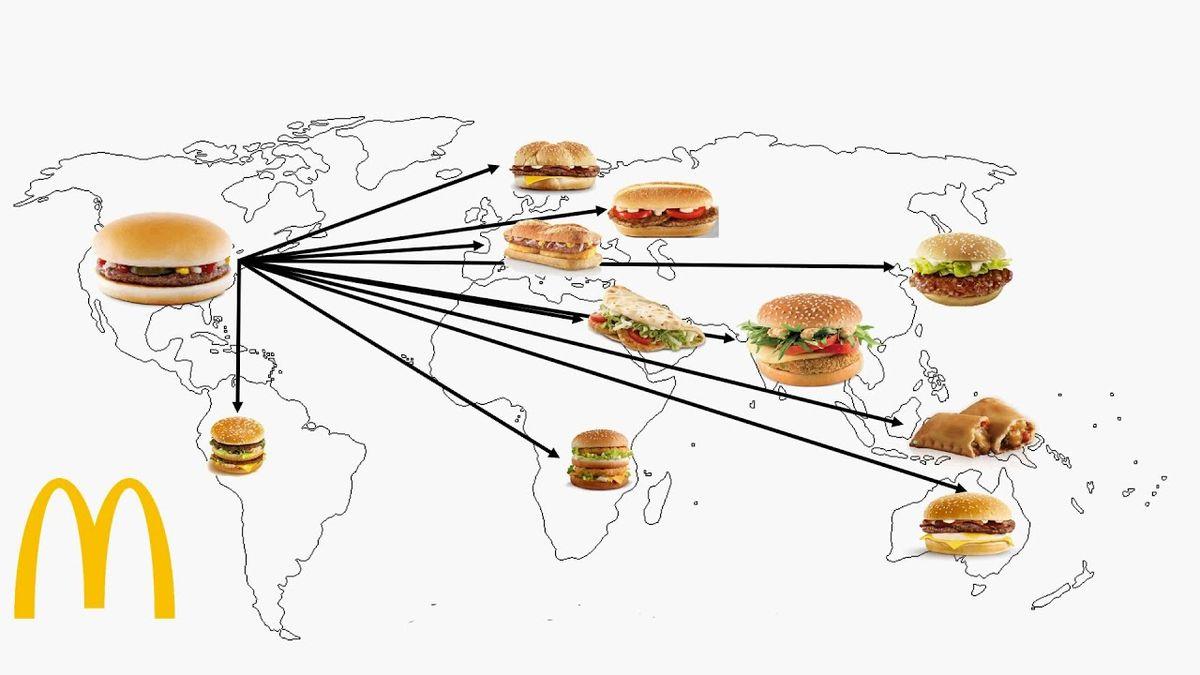
Identify the impact of cultural diffusion on individuals and world societies.
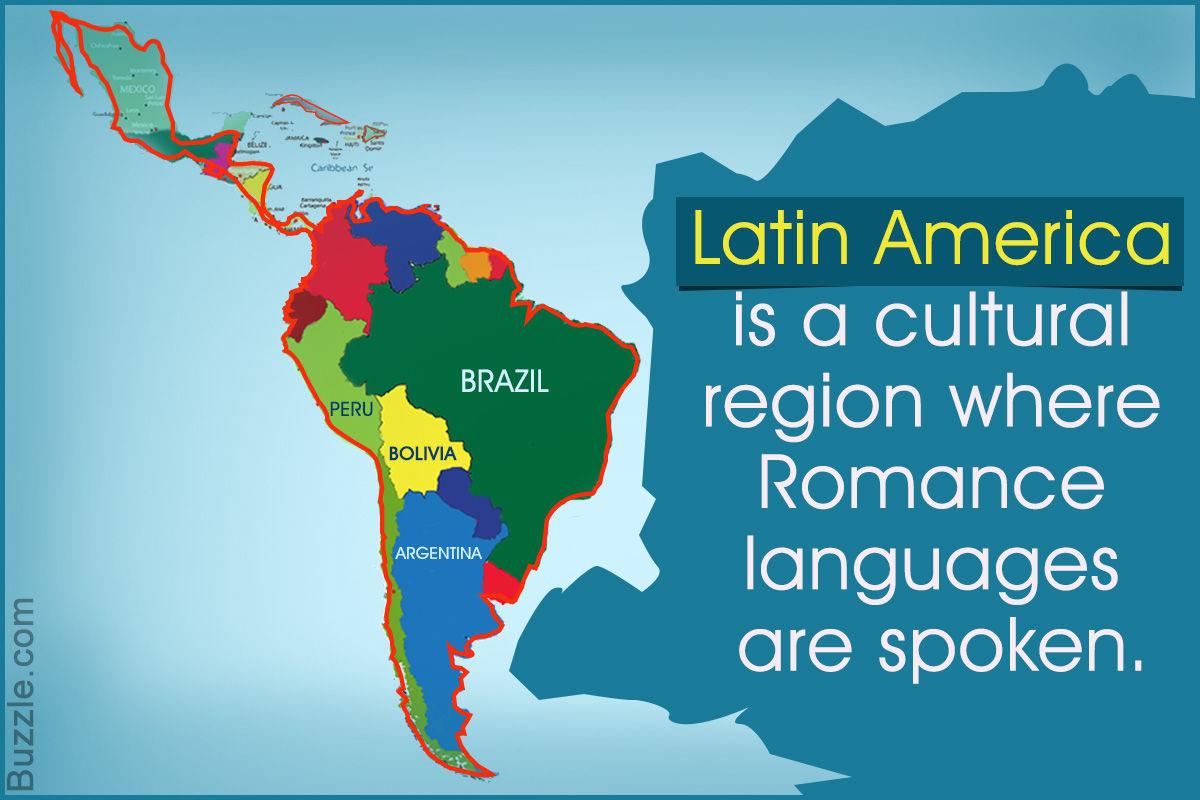
Identify and describe common traits that define cultures and culture regions.
Trace characteristics of various contemporary societies in regions that resulted from historical events or factors such as colonization, immigration, and trade.
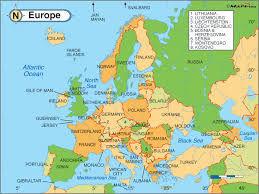
Pose and answer questions about geographic distributions and patterns for various world regions and countries shown on maps, graphs, and charts.
The student understands the impact of interactions between people and the physical environment on the development and conditions of places and regions.
Compare and contrast free enterprise, socialist, and communist economies in various contemporary societies, including the benefits of the U.S. free enterprise system.
Compare various world regions and countries using data from maps, graphs, and charts.
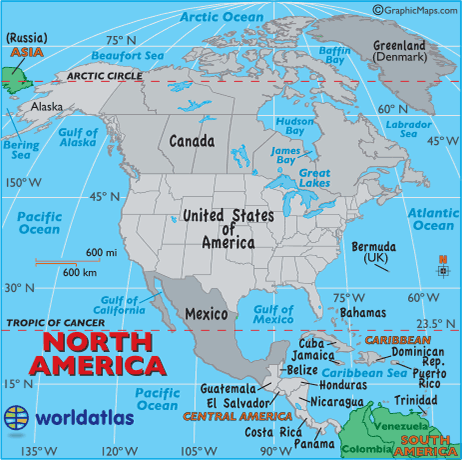
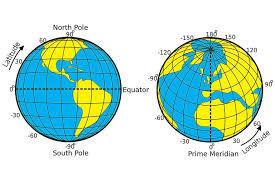
Answer geographic questions, including: Where is it located? Why is it there? What is significant about its location? How is its location related to the location of other people, places, and environments? Using latitude and longitude, where is it located?
Explain the impact of the distribution of resources on international trade and economic interdependence among and within societies.
The student understands how geographic factors influence the economic development and political relationships of societies.
Identify and describe the historical influence of individuals or groups on various contemporary societies.
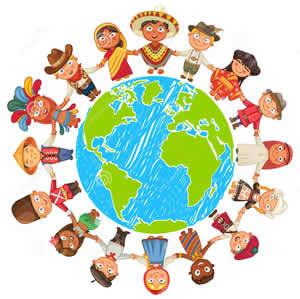
Define a multicultural society.
The student understands the influences of individuals and groups from various cultures on various historical and contemporary societies.
Identify and give examples of governments with rule by one, few, or many.
The student understands categories of economic activities and the data used to measure a society's economic level.
Identify and explain examples of conflict and cooperation between and among cultures.
Identify examples of scientific discoveries, technological innovations, and scientists and inventors that have shaped the world.
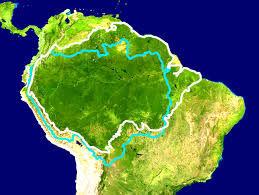
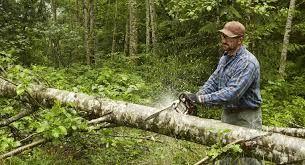
Identify and analyze ways people have modified the physical environment such as mining, irrigation, and transportation infrastructure.
The student understands the influences of science and technology on contemporary societies.
The student understands the concepts of limited and unlimited governments.
Analyze information by sequencing, categorizing, identifying cause-and-effect relationships, comparing, contrasting, finding the main idea, summarizing, making generalizations and predictions, and drawing inferences and conclusions.
Track each student's skills and progress in your Mastery dashboards