Analyze and interpret data to compare and contrast the composition of Earth’s atmospheric layers (including the ozone layer) and greenhouse gases. (Clarification statement: Earth’s atmospheric layers include the troposphere, stratosphere, mesosphere, and thermosphere.)
Plan and carry out an investigation to demonstrate how energy from the sun transfers heat to air, land and water at different rates. (Clarification statement: Heat transfer should include the processes of conduction, convection, and radiation.)
Construct an explanation of the relationship between air pressure, weather fronts, and air masses and meteorological events such as tornadoes and thunderstorms.
Analyze and interpret weather data to explain the effects of moisture evaporating from the ocean on weather patterns and weather events such as hurricanes.
Develop a model demonstrating the interaction between unequal heating and the rotation of the Earth that causes local and global wind systems.
Track each student's skills and progress in your Mastery dashboards
Give this quiz to my class
Q 1/10
Score 0
The Earth's atmosphere is divided into five layers. In which layer does all life exist?
30
troposphere
stratosphere
mesosphere
exosphere
Q 2/10
Score 0
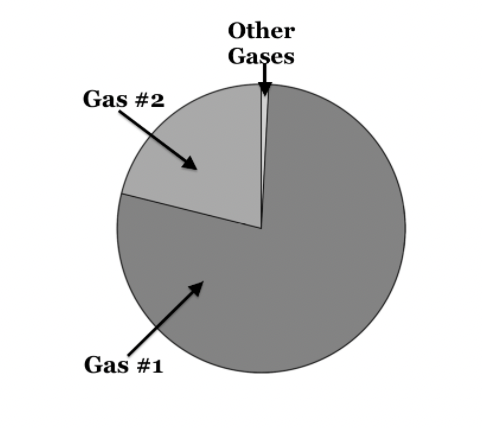
This circle graph shows the percentages of different gases in Earth’s atmosphere. Which gas is represented by Gas #1?
30
oxygen
carbon dioxide
hydrogen
nitrogen
10 questions
Q.
The Earth's atmosphere is divided into five layers. In which layer does all life exist?
1
30 sec
S6E4a
Q.
This circle graph shows the percentages of different gases in Earth’s atmosphere. Which gas is represented by Gas #1?
2
30 sec
S6E4a
Q.
When air is heated, it will MOST likely
3
30 sec
S6E4b
Q.
Which is responsible for creating wind?
4
30 sec
S6E4b
Q.
The diagram below shows a landscape. Where in the diagram would the air pressure be the GREATEST?
5
30 sec
S6E4d
Q.
Barometric pressure has been dropping all day. What weather conditions will most likely occur?
6
30 sec
S6E4d
Q.
Cumulonimbus clouds often form along cold fronts. Which type of weather is MOST likely to occur along a cold front?
7
30 sec
S6E4d
Q.
A hurricane becomes more powerful by evaporating water from
8
30 sec
S6E4e
Q.
When visiting the beach, Felicity observed that a breeze blew in FROM the ocean during the day and out toward the ocean at night. Which factor is MOST responsible for the direction of land and sea breezes in coastal regions?
9
30 sec
S6E4c
Q.
Which of the following are narrow belts of strong winds found in the upper troposphere? (global wind)