Tag the questions with any skills you have. Your dashboard will track each student's mastery of each skill.
Give this quiz to my class
Q 1/50
Score 0
Chemical messengers that are secreted by endocrine glands directly into the bloodstream. This enables them to reach cells and organs throughout the body
30
Vitamins
Hormones
Humors
Neurotransmitters
Q 2/50
Score 0
A pea sized gland that is divided into two parts, the anterior and the posterior lobes. These lobes secrete chemical signals that control other glands and produce hormones associated with growth and fertility
30
pituitary gland
pineal gland
thymus gland
thyroid gland
50 questions
Q.
Chemical messengers that are secreted by endocrine glands directly into the bloodstream. This enables them to reach cells and organs throughout the body
1
30 sec
Q.
A pea sized gland that is divided into two parts, the anterior and the posterior lobes. These lobes secrete chemical signals that control other glands and produce hormones associated with growth and fertility
2
30 sec
Q.
Stimulated the growth and secretions of the adrenal cortex.
3
30 sec
Q.
Stimulates the secretion of estrogen and the growth of ova (eggs) in the ovaries of the female. In the male it stimulates the production of sperm in the testicles
4
30 sec
Q.
Also known as the somatotropic hormone regulates the growth of bone, muscle, and other body tissues.
5
30 sec
Q.
Located in the brain, stimulates or inhibits many of the body's activities through the nervous or endocrine system in order to maintain homeostasis
6
30 sec
Q.
Also known as prolactin, stimulates and maintains the secretion of breast milk in the mother after childbirth.
7
30 sec
Q.
Stimulates ovulation in the female. In the male the luteinizing hormone stimulates the secretion of testosterone.
8
30 sec
Q.
Increases the production of melanin in melanocytes, thereby causing darkening of skin pigmentation; production usually increases during pregnancy.
9
30 sec
Q.
Stimulates the secretion of hormones by the thyroid gland.
10
30 sec
Q.
Secreted by the hypothalamus and stored and released in the pituitary gland, helps control blood pressure by reducing the amount of water that is excreted through the kidneys.
11
30 sec
Q.
The 'hug' hormone which creates a sense of comfort. Also stimulates uterine contractions during childbirth with positive feedback reaction.
12
30 sec
Q.
A synthetic form of oxytocin that is administered to induce or speed up labor.
13
30 sec
Q.
A very small endocrine gland in the brain which responds to light and dark signals to control the sleep cycle. Secretes melatonin.
14
30 sec
Q.
Influences the sleep wakefulness portions of the circadian cycle.
15
30 sec
Q.
Refers to the biological functions that occur within a 24 hour period.
16
30 sec
Q.
Butterfly-shaped and lies on either side of the throat; controls metabolism and calcium levels in the blood.
17
30 sec
Q.
Two primary thyroid hormones that regulate the rate of metabolism and affect the growth and rate of function of many other body systems.
18
30 sec
Q.
Produced by the thyroid gland; decreases calcium levels in the blood and tissues by moving calcium into storage in the bones and teeth.
19
30 sec
Q.
Four glands behind the thyroid gland which secrete parathyroid hormones which signal the body to deposit excess calcium to bone stores.
20
30 sec
Q.
Works with the hormone calcitonin that is secreted by the thyroid gland which regulate the calcium levels in the blood and tissues.
21
30 sec
Q.
Located in the chest behind the sternum; secretes thymosin which stimulates the production of T lymphocytes particularly before puberty.
22
30 sec
Q.
Plays an important part in the immune system by stimulating the maturation of lymphocytes into T cells
23
30 sec
Q.
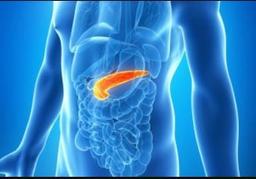
A feather-shaped organ located posterior to the stomach; functions as part of the digestive and endocrine systems with insulin/glucagon production as well as digestive enzymes.
24
30 sec
Q.
Also known as blood sugar which is the basic form or energy used by the body to make ATP.
25
30 sec
Q.
Hormone secreted by the pancreas in response to low levels of glucose in bloodstream; it increases the glucose level by stimulating liver to convert glycogen into glucose for release into the bloodstream.
26
30 sec
Q.
Hormone secreted by the beta cells of the pancreatic islets in response to high levels of glucose in the bloodstream.
27
30 sec
Q.
Produce epinephrine (adrenaline) to control flight or fight response
28
30 sec
Q.
A corticosteroid that regulates the salt and water levels in the body by increasing sodium reabsorption and potassium excretion by the kidneys.
29
30 sec
Q.
Means returning a substance to a bloodstream
30
30 sec
Q.
Also known as hydrocortisone, a corticosteroid that has an anti-inflammatory action. It also regulates the metabolism of carbohydrates, fats and proteins in the body.
31
30 sec
Q.
Stimulates the sympathetic nervous system in response to physical injury or to mental stress such as fear. Makes the heart rate beat faster and can raise blood pressure.
32
30 sec
Q.
Gamete producing glands; ovaries in females and testicles in males. They secrete the hormones that are responsible for the development and maintenance of the secondary sex characteristics that develop during puberty.
33
30 sec
Q.
Hormone secreted by the ovaries that is important in the development and maintenance of the female secondary sex characteristics and in regulation of the menstrual cycle.
34
30 sec
Q.
Hormone released during the second half of the menstrual cycle by the corpus luteum in the ovary. It function is to complete the preparation of the uterus for possible pregnancy.
35
30 sec
Q.
Sex hormones, primarily testosterone, secreted by the gonads, the adrenal cortex and fat cells; they promote the development and maintenance of the male sex characteristics, however they are present in both men and women.
36
30 sec
Q.
Steroid hormone secreted by the testicles and the adrenal cortex to stimulate the development of male secondary sex characteristics.
37
30 sec
Q.
Manmade substances that are chemically related to male sex hormones. They are used in the treatment of hormone problems in men and toe help the body replace muscle mass
38
30 sec
Q.
Produced and released by neurons in the brain, rather than by the endocrine glands, delivered to organs and tissues through the bloodstream.
39
30 sec
Q.
Chronic disease characterized by abnormal enlargement of the extremities caused by the excessive secretion of growth hormone after puberty.
40
30 sec
Q.
Abnormal growth of the entire body that is caused by excessive secretion of growth hormone before puberty.
41
30 sec
Q.
Also known as an underactive thyroid is caused a deficiency of thyroid secretions; fatigue and weight gain are effects
42
30 sec
Q.
Occurs when your thyroid gland produces too much of the hormone thyroxine; can accelerate your body's metabolism, causing unintentional weight loss and a rapid or irregular heartbeat.
43
30 sec
Q.
Characterized by abnormally high concentrations of calcium circulating in the blood instead of being stored in the bones and teeth.
44
30 sec
Q.
Characterized by abnormally low levels of calcium in the blood
45
30 sec
Q.
Abnormally high concentration of glucose in the blood. Is seen primarily in patients with diabetes mellitus.
46
30 sec
Q.
Abnormally low concentration of glucose in the blood. Symptoms include nervousness and shakiness, confusion , perspiration or feeling anxious or weak.
47
30 sec
Q.
Autoimmune insulin deficiency disorder caused by the destruction of pancreatic islet beta cells.
48
30 sec
Q.
Insulin resistance disorder (juvenile diabetes), can be associated with lifestyle or can have genetic predisposition
49
30 sec
Q.
Produced by the adrenal cortex, examples are are cortisol and aldosterone.