Loading...

Muslim Empire pt 2
Quiz by Emily Nelson
Customize this quiz to suit your class
Instantly translate to 100+ languages
Tag the questions with any skills you have. Your dashboard will track each student's mastery of each skill.
Give this quiz to my class


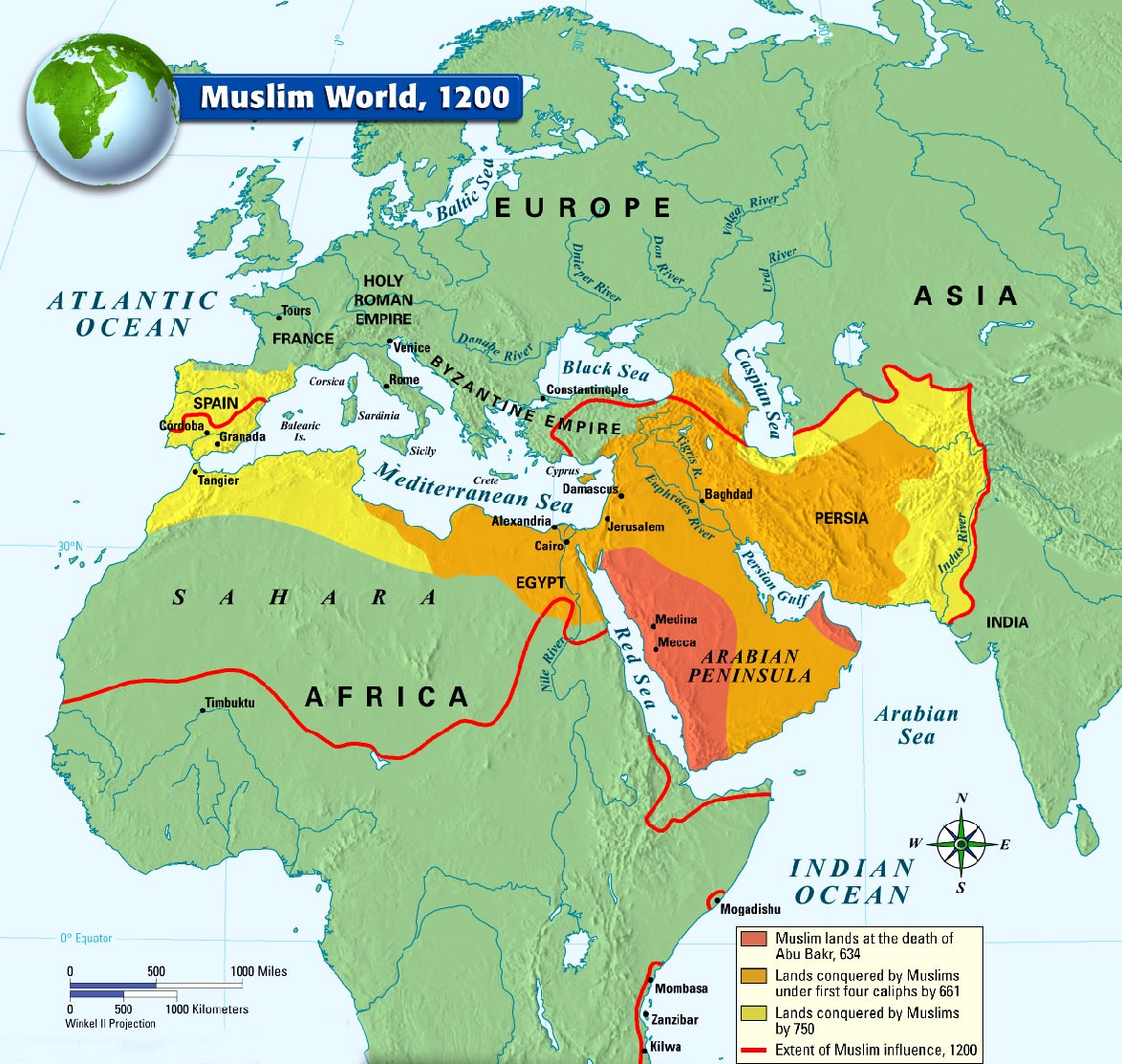
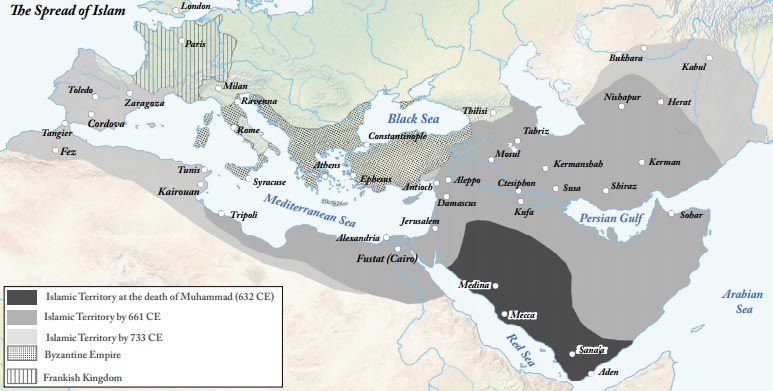
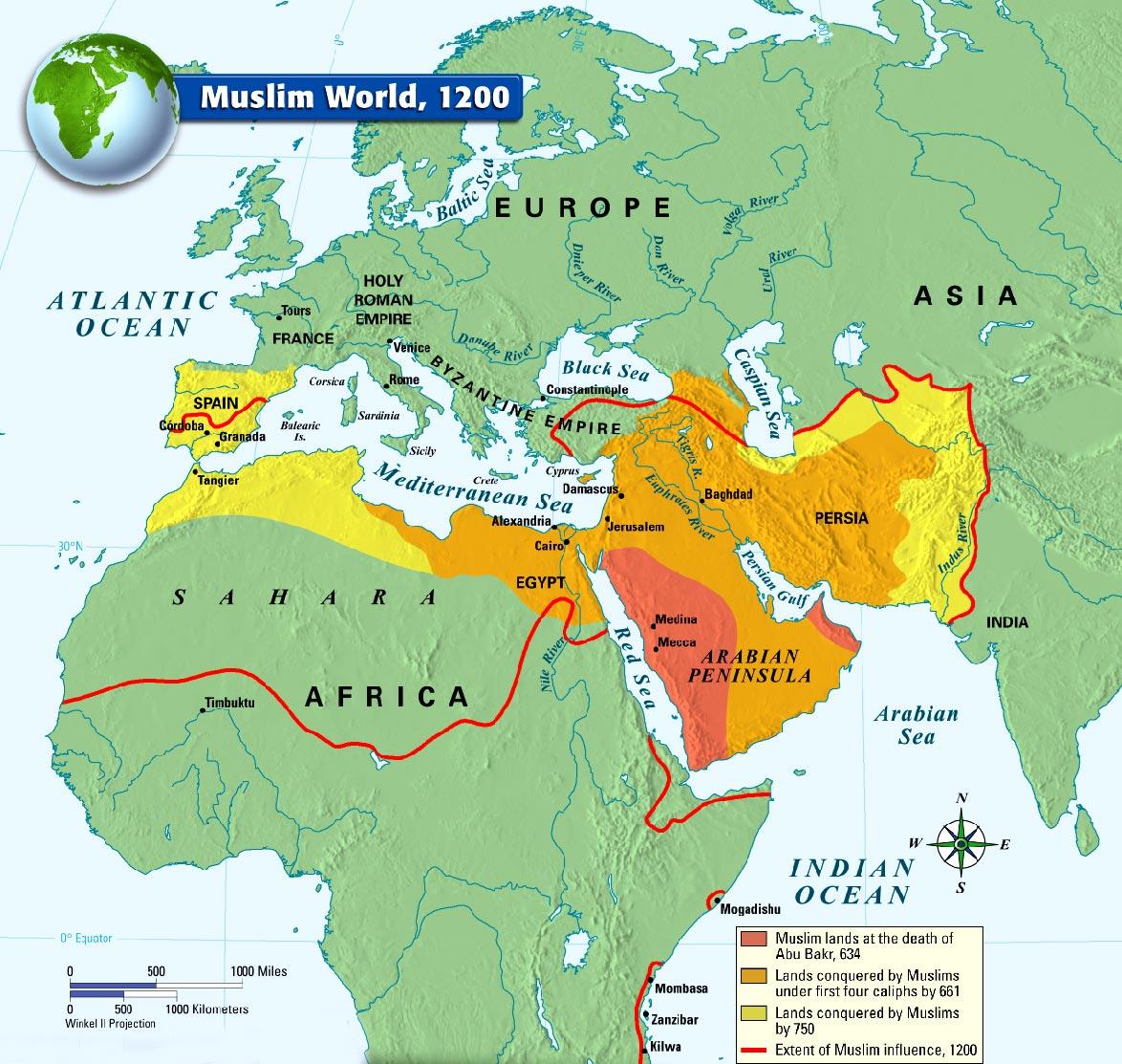


Muslim Empire Review pt 1
Muslim Empire Webquest
The history of Tunisia can be traced back to around the tenth century BCE, when the Phoenicians established colonies along the coast. The Phoenicians were a group of seafaring traders who brought their language, religion, and culture. They had a lasting effect on Tunisia. In 146 BCE, Tunisia became part of the Roman Empire. The Romans brought with them their language, law, and government. Tunisia became an important center of commerce and culture. In the seventh century CE, Arab armies conquered, Tunisia, and the country became part of the Muslim world. Tunisia became part of the Ottoman Empire in 1574. The Ottomans ruled over the country for almost 300 years. During this time, Tunisia became an important trade center, and the country experienced prosperity and cultural growth. The Republic of Tunisia Today In 1881, Tunisia became a protectorate of France. It gained its independence in 1956. Tunisia officially became a republic and elected its first president, Habib Bourguibain 1957. He modernized the country and improved education and the economy.
India's Muslim Empires - Day 1
YouGov found 44 per cent were proud of Britain's history of colonialism, with 21 per cent regretting it happened and 23 per cent holding neither view. The same poll also found 43 per cent believed the British Empire was a good thing, 19 per cent said it was bad and 25 per cent said it was "neither". At its height in 1922, the British empire governed a fifth of the world's population and a quarter of the world's total land area. Although the proponents of Empire say it brought various economic developments to parts of the world it controlled, critics point to massacres, famines and the use of concentration camps by the British Empire. 1. Boer concentration camps During the Second Boer War (1899-1902), the British rounded up around a sixth of the Boer population - mainly women and children - and detained them in camps, which were overcrowded and prone to outbreaks of disease, with scant food rations. Of the 107,000 people interned in the camps, 27,927 Boers died, along with an unknown number of black Africans. 2. Amritsar massacre When peaceful protesters defied a government order and demonstrated against British colonial rule in Amritsar, India, on 13 April 1919, they were blocked inside the walled Jallianwala Gardens and fired upon by Gurkha soldiers. The soldiers, under the orders of Brigadier Reginald Dyer, kept firing until they ran out of ammunition, killing between 379 and 1,000 protesters and injuring another 1,100 within 10 minutes. Brigadier Dyer was later lauded a hero by the British public, who raised £26,000 for him as a thank you. 3. Partitioning of India In 1947, Cyril Radcliffe was tasked with drawing the border between India and the newly created state of Pakistan over the course of a single lunch. After Cyril Radcliffe split the subcontinent along religious lines, uprooting over 10 million people, Hindus in Pakistan and Muslims in India were forced to escape their homes as Some estimates suggest up to one million people lost their lives in sectarian killings. 4. Mau Mau Uprising Thousands of elderly Kenyans, who claim British colonial forces mistreated, raped and tortured them during the Mau Mau Uprising (1951-1960), have launched a £200m damages claim against the UK Government. Members of the Kikuyu tribe were detained in camps, since described as "Britain's gulags" or concentration camps, where they allege they were systematically tortured and suffered serious sexual assault. Estimates of the deaths vary widely: historian David Anderson estimates there were 20,000, whereas Caroline Elkins believes up to 100,000 could have died. 5. Famines in India Between 12 and 29 million Indians died of starvation while it was under the control of the British Empire, as millions of tons of wheat were exported to Britain as famine raged in India. In 1943, up to four million Bengalis starved to death when Winston Churchill diverted food to British soldiers and countries such as Greece while a deadly famine swept through Bengal. Talking about the Bengal famine in 1943, Churchill said: “I hate Indians. They are a beastly people with a beastly religion. The famine was their own fault for breeding like rabbits.”
Muslim Faith
Muslim stories: The Ants
Muslim stories: the Crying Camel