Loading...


PISA PRE-TEST
Quiz by Mia Cristialen P. Boqueda
Tag the questions with any skills you have. Your dashboard will track each student's mastery of each skill.
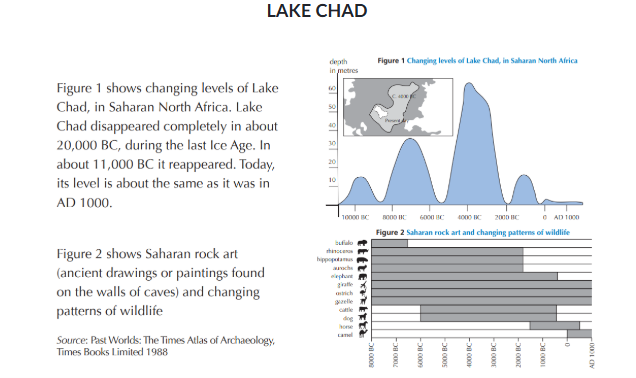
Use the below information about Lake Chad to answer the questions below.
What is the depth of Lake Chad today?
About two metres.
It has disappeared completely.
About fifty metres.
About fifteen metres.
The information is not provided.D
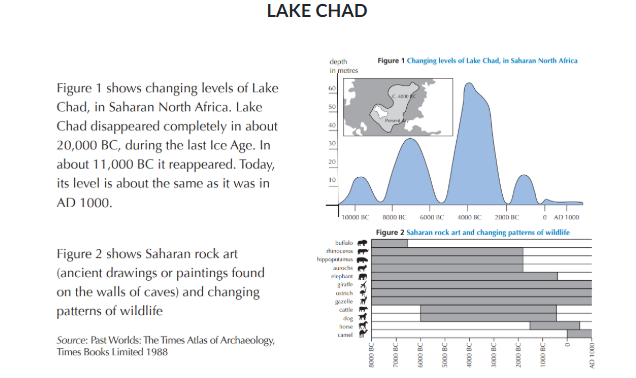
Use the below information about Lake Chad to answer the questions below.
Figure 2 is based on the assumption that
the animals in the rock art were present in the area at the time they were
the artists who drew the animals were able to travel widely.
the artists who drew the animals were able to travel widely.
the artists who drew the animals were highly skilled
there was no attempt to domesticate the animals which were depicted in the rock art.
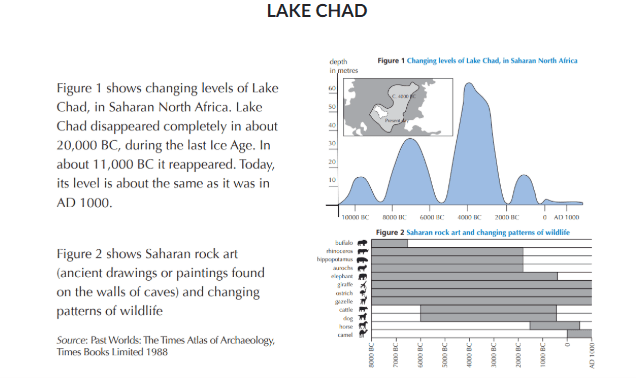
Use the below information about Lake Chad to answer the questions below.
What is the depth of Lake Chad today?
Use the below information about Lake Chad to answer the questions below.
Figure 2 is based on the assumption that
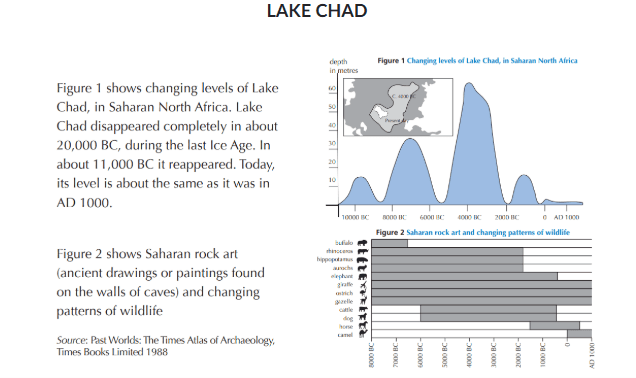
Use the above information about Lake Chad to answer the questions below.
For this question, you need to draw together information from Figure 1 and Figure 2.
The disappearance of the rhinoceros, hippopotamus and aurochs from Saharan rock art happened
Which one of the following describes a feature of the ACOL flu immunisation program?

This information sheet suggests that if you want to protect yourself against the flu virus,
a flu injection is

According to the information sheet, which one of these staff members should contact Fiona?
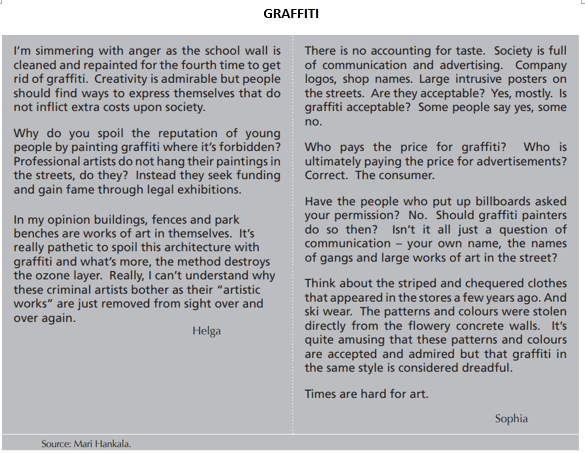
The two letters below came from the Internet and are about graffiti. Graffiti is an illegal painting and writing on walls and elsewhere. Refer to the letters to answer the questions below.
The purpose of each of these letters is to
Use the information about a country’s labour force shown above to answer the questions below.
What are the two main groups into which the working-age population is divided?
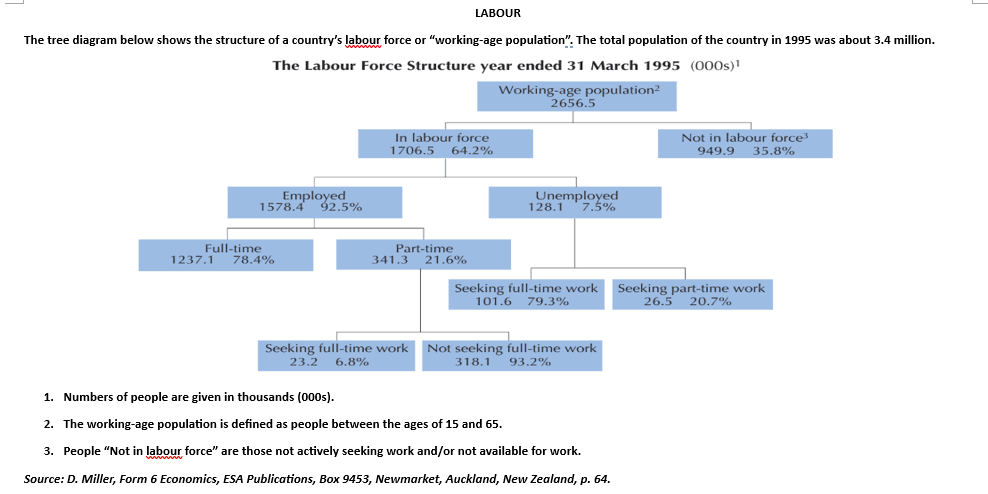
Use the information about a country’s labour force shown above to answer the questions below.
How many people of working age were not in the labour force? (Write the number of people, not the percentage.)
Use the information about a country’s labour force shown above to answer the questions below.
The information about the labour force structure is presented as a tree diagram, but it could have been presented in a number of other ways, such as a written description, a pie chart, a graph or a table.
The tree diagram was probably chosen because it is especially useful for showing
What does the table indicate about the level of PLAN International's activity in Ethiopia in 1996, compared with other countries in the region?

POLICE
A murder has been committed but the suspect denies everything. He claims not to know the victim. He says he never knew him, neverwent near him, never touched him... The police and the judge are convinced that he is not telling the truth. But how to prove it?
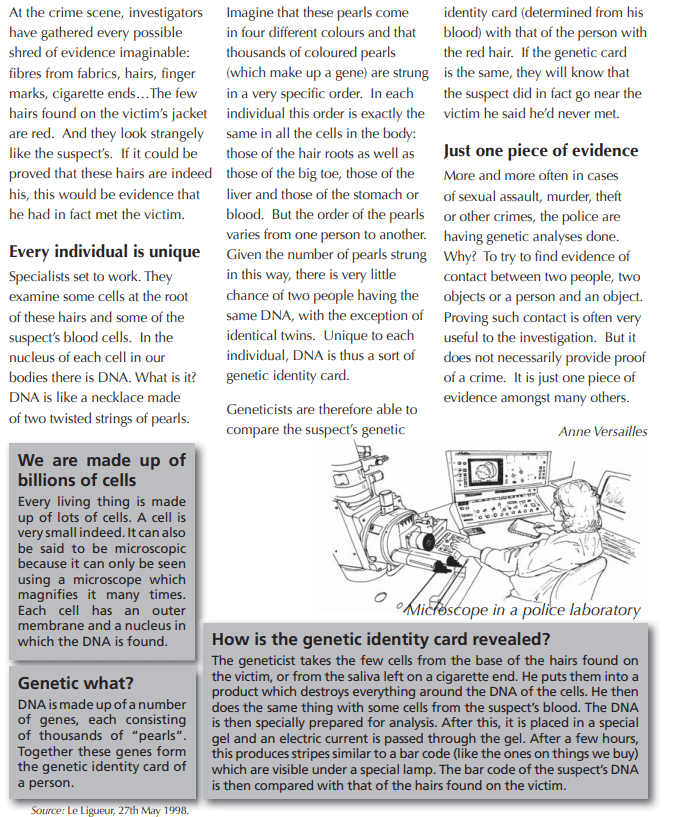
To explain the structure of DNA, the author talks about a pearl necklace. How do these pearl necklaces vary from one individual to another?
POLICE
A murder has been committed but the suspect denies everything. He claims not to know the victim. He says he never knew him, never went near him, never touched him... The police and the judge are convinced that he is not telling the truth. But how to prove it?
What is the purpose of the box headed "How is the genetic identity card revealed"? To explain
POLICE
A murder has been committed but the suspect denies everything. He claims not to know the victim. He says he never knew him, never went near him, never touched him... The police and the judge are convinced that he is not telling the truth. But how to prove it?
What is the author's main aim?
POLICE
A murder has been committed but the suspect denies everything. He claims not to know the victim. He says he never knew him, never went near him, never touched him... The police and the judge are convinced that he is not telling the truth. But how to prove it?
The end of the introduction (the first shaded section) says: "But how to prove it?"
According to the passage, investigators try to find an answer to this question by
MORELAND
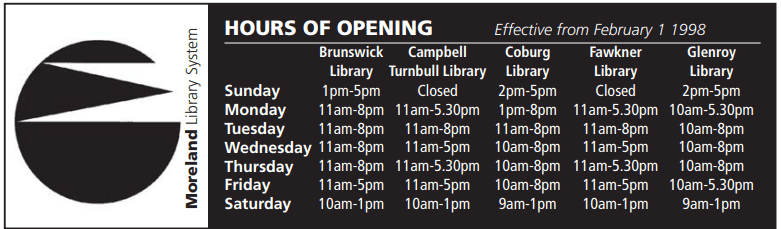
The Moreland Library System gives new library members a bookmark showing its Hours of Opening. Refer to the bookmark to answer the question below.
Which library is still open at 6 p.m. on Friday evening?
JUST JUDGE
Refer to the story A Just Judge to answer the questions which follow it.
A Just Judge
An Algerian King named Bauakas wanted to find out whether or not it was true, as he had been told, that in one of his cities lived a just judge who could instantly discern the truth, and from whom no rogue was ever able to conceal himself. Bauakas exchanged clothes with a merchant and went on horseback to the city where the judge lived.
At the entrance to the city a cripple approached the king and begged alms of him. Bauakas gave him money and was about to continue on his way, but the cripple clung to his clothing.
"What do you wish?" asked the king. "Haven't I given you money?"
"You gave me alms," said the cripple, "now grant me one favour. Let me ride with you as far as the city square, otherwise the horses and camels may trample me."
Bauakas sat the cripple behind him on the horse and took him as far as the city square. There he halted his horse, but the cripple refused to dismount."
We have arrived at the square, why don't you get off?" asked Bauakas.
"Why should I?" the beggar replied. "This horse belongs to me. If you are unwilling to return it, we shall have to go to court."
Hearing their quarrel, people gathered around them shouting:
"Go to the judge! He will decide between you!"
Bauakas and the cripple went to the judge. There were others in court, and the judge called upon each one in turn. Before he came to Bauakas and the cripple he heard a scholar and a peasant. They had come to court over a woman: the peasant said she was his wife, and the scholar said she was his. The judge heard them both, remained silent for a moment, and then said:
"Leave the woman here with me, and come back tomorrow."
When they had gone, a butcher and an oil merchant came before the judge. The butcher was covered with blood, and the oil merchant with oil. In his hand the butcher held some money, and the oil merchant held onto the butcher's hand.
"I was buying oil from this man", the butcher said, "and when I took out my purse to pay him, he seized me by the hand and tried to take all my money away from me. That is why we have come to you--I holding onto my purse, and he holding onto my hand. But the money is mine, and he is a thief."
Then the oil merchant spoke. "That is not true", he said. The butcher came to me to buy oil, and and after I had poured him a full jug, he asked me to change a gold piece for him. When I took out my money and placed it on a bench, he seized it and tried to run off. I caught him by the hand, as you see, and brought him here to you."
The judge remained silent for a moment, then said: "Leave the money here with me, and come back tomorrow."
When his turn came, Bauakas told what had happened. The judge listened to him, and then asked the beggar to speak.
"All that he said is untrue", said the beggar. "He was sitting on the ground, and as I rode through the city he asked me to let him ride with me. I sat him on my horse and took him where he wanted to go. But when we got there he refused to get off and said that the horse was his, which is not true."
The judge thought for a moment, then said, "Leave the horse here with me, and come back tomorrow."
The following day many people gathered in court to hear the judge's decisions.
First came the scholar and the peasant.
"Take your wife", the judge said to the scholar, "and the peasant shall be given fifty strokes of the lash."
The scholar took his wife, and the peasant was given his punishment.
Then the judge called the butcher.
"The money is yours," he said to him. And pointing to the oil merchant he said: "Give him fifty strokes of the lash."
He next called Bauakas and the cripple.
"Would you be able to recognise your horse among twenty"
Would you be able to recognise your horse among twenty others?" he asked Bauakas.
"I would", he replied.
"And you?" he asked the cripple.
"I would", said the cripple"
"Come with me", the judge said to Bauakas.
They went to the stable. Bauakas instantly pointed out his horse among the twenty others. Then the judge called the cripple to the stable and told him to point out the horse. The cripple recognised the horse and pointed to it. The judge then returned to his seat.
"Take the horse, it is yours", he said to Bauakas. "Give the beggar fifty strokes of the last."
When the judge left the court and went home, Bauakas followed him.
"What do you want?" asked the judge. "Are you not satisfied with my decision?"
"I am satisfied", said Bauakas, "But I should like to learn how you knew that the woman was the wife of the scholar, that the money belonged to the butcher, and that the horse was mine and not the beggars".
"This is how I knew about the woman: in the morning I sent for her and said: 'Please fill my inkwell.' She took the inkwell, washed it quickly and deftly, and filled it with ink; therefore it was work she was accustomed to. If she had been the wife of the peasant she would not have know how to do it. This showed me that the scholar was telling the truth.
"And this is how I knew about the money: I put into a cup full of water, and in the morning I looked to see if any oil had risen to the surface. If the money had belonged to the oil merchant it would have been soiled by his oily hands. There was no oil on the water; therefore, the butcher was telling the truth.
"It was more difficult to find out about the horse. The cripple recognised it among twenty others, even as you did. However, I did not take you both to the stable to see which of you knew the horse, but to see which of you the horse knew. When you approached it, it turned its head and stretched its neck towards you; but when the crippled touch it, it laid back its ears and lifted one hoof. Therefore I knew that you were the horse's real master."
Then Bauakas said to the judge: "I am not a merchant, but King Bauakas, I came here in order to see if what is said of you is true. I see now that you are a wise judge. Ask whatever you wish of me and you shall have it as reward."
"I need no reward", replied the judge. "I am content that my king has praised me.
What is this story main about?
JUST JUDGE
Refer to the story A Just Judge to answer the questions which follow it.
A Just Judge
An Algerian King named Bauakas wanted to find out whether or not it was true, as he had been told, that in one of his cities lived a just judge who could instantly discern the truth, and from whom no rogue was ever able to conceal himself. Bauakas exchanged clothes with a merchant and went on horseback to the city where the judge lived.
At the entrance to the city a cripple approached the king and begged alms of him. Bauakas gave him money and was about to continue on his way, but the cripple clung to his clothing.
"What do you wish?" asked the king. "Haven't I given you money?"
"You gave me alms," said the cripple, "now grant me one favour. Let me ride with you as far as the city square, otherwise the horses and camels may trample me."
Bauakas sat the cripple behind him on the horse and took him as far as the city square. There he halted his horse, but the cripple refused to dismount."
We have arrived at the square, why don't you get off?" asked Bauakas.
"Why should I?" the beggar replied. "This horse belongs to me. If you are unwilling to return it, we shall have to go to court."
Hearing their quarrel, people gathered around them shouting:
"Go to the judge! He will decide between you!"
Bauakas and the cripple went to the judge. There were others in court, and the judge called upon each one in turn. Before he came to Bauakas and the cripple he heard a scholar and a peasant. They had come to court over a woman: the peasant said she was his wife, and the scholar said she was his. The judge heard them both, remained silent for a moment, and then said:
"Leave the woman here with me, and come back tomorrow."
When they had gone, a butcher and an oil merchant came before the judge. The butcher was covered with blood, and the oil merchant with oil. In his hand the butcher held some money, and the oil merchant held onto the butcher's hand.
"I was buying oil from this man", the butcher said, "and when I took out my purse to pay him, he seized me by the hand and tried to take all my money away from me. That is why we have come to you--I holding onto my purse, and he holding onto my hand. But the money is mine, and he is a thief."
Then the oil merchant spoke. "That is not true", he said. The butcher came to me to buy oil, and and after I had poured him a full jug, he asked me to change a gold piece for him. When I took out my money and placed it on a bench, he seized it and tried to run off. I caught him by the hand, as you see, and brought him here to you."
The judge remained silent for a moment, then said: "Leave the money here with me, and come back tomorrow."
When his turn came, Bauakas told what had happened. The judge listened to him, and then asked the beggar to speak.
"All that he said is untrue", said the beggar. "He was sitting on the ground, and as I rode through the city he asked me to let him ride with me. I sat him on my horse and took him where he wanted to go. But when we got there he refused to get off and said that the horse was his, which is not true."
The judge thought for a moment, then said, "Leave the horse here with me, and come back tomorrow."
The following day many people gathered in court to hear the judge's decisions.
First came the scholar and the peasant.
"Take your wife", the judge said to the scholar, "and the peasant shall be given fifty strokes of the lash."
The scholar took his wife, and the peasant was given his punishment.
Then the judge called the butcher.
"The money is yours," he said to him. And pointing to the oil merchant he said: "Give him fifty strokes of the lash."
He next called Bauakas and the cripple.
"Would you be able to recognise your horse among twenty"
Would you be able to recognise your horse among twenty others?" he asked Bauakas.
"I would", he replied.
"And you?" he asked the cripple.
"I would", said the cripple"
"Come with me", the judge said to Bauakas.
They went to the stable. Bauakas instantly pointed out his horse among the twenty others. Then the judge called the cripple to the stable and told him to point out the horse. The cripple recognised the horse and pointed to it. The judge then returned to his seat.
"Take the horse, it is yours", he said to Bauakas. "Give the beggar fifty strokes of the last."
When the judge left the court and went home, Bauakas followed him.
"What do you want?" asked the judge. "Are you not satisfied with my decision?"
"I am satisfied", said Bauakas, "But I should like to learn how you knew that the woman was the wife of the scholar, that the money belonged to the butcher, and that the horse was mine and not the beggars".
"This is how I knew about the woman: in the morning I sent for her and said: 'Please fill my inkwell.' She took the inkwell, washed it quickly and deftly, and filled it with ink; therefore it was work she was accustomed to. If she had been the wife of the peasant she would not have know how to do it. This showed me that the scholar was telling the truth.
"And this is how I knew about the money: I put into a cup full of water, and in the morning I looked to see if any oil had risen to the surface. If the money had belonged to the oil merchant it would have been soiled by his oily hands. There was no oil on the water; therefore, the butcher was telling the truth.
"It was more difficult to find out about the horse. The cripple recognised it among twenty others, even as you did. However, I did not take you both to the stable to see which of you knew the horse, but to see which of you the horse knew. When you approached it, it turned its head and stretched its neck towards you; but when the crippled touch it, it laid back its ears and lifted one hoof. Therefore I knew that you were the horse's real master."
Then Bauakas said to the judge: "I am not a merchant, but King Bauakas, I came here in order to see if what is said of you is true. I see now that you are a wise judge. Ask whatever you wish of me and you shall have it as reward."
"I need no reward", replied the judge. "I am content that my king has praised me.
How did the judge know that the woman was the wife of the scholar?
JUST JUDGE
Refer to the story A Just Judge to answer the questions which follow it.
A Just Judge
An Algerian King named Bauakas wanted to find out whether or not it was true, as he had been told, that in one of his cities lived a just judge who could instantly discern the truth, and from whom no rogue was ever able to conceal himself. Bauakas exchanged clothes with a merchant and went on horseback to the city where the judge lived.
At the entrance to the city a cripple approached the king and begged alms of him. Bauakas gave him money and was about to continue on his way, but the cripple clung to his clothing.
"What do you wish?" asked the king. "Haven't I given you money?"
"You gave me alms," said the cripple, "now grant me one favour. Let me ride with you as far as the city square, otherwise the horses and camels may trample me."
Bauakas sat the cripple behind him on the horse and took him as far as the city square. There he halted his horse, but the cripple refused to dismount."
We have arrived at the square, why don't you get off?" asked Bauakas.
"Why should I?" the beggar replied. "This horse belongs to me. If you are unwilling to return it, we shall have to go to court."
Hearing their quarrel, people gathered around them shouting:
"Go to the judge! He will decide between you!"
Bauakas and the cripple went to the judge. There were others in court, and the judge called upon each one in turn. Before he came to Bauakas and the cripple he heard a scholar and a peasant. They had come to court over a woman: the peasant said she was his wife, and the scholar said she was his. The judge heard them both, remained silent for a moment, and then said:
"Leave the woman here with me, and come back tomorrow."
When they had gone, a butcher and an oil merchant came before the judge. The butcher was covered with blood, and the oil merchant with oil. In his hand the butcher held some money, and the oil merchant held onto the butcher's hand.
"I was buying oil from this man", the butcher said, "and when I took out my purse to pay him, he seized me by the hand and tried to take all my money away from me. That is why we have come to you--I holding onto my purse, and he holding onto my hand. But the money is mine, and he is a thief."
Then the oil merchant spoke. "That is not true", he said. The butcher came to me to buy oil, and and after I had poured him a full jug, he asked me to change a gold piece for him. When I took out my money and placed it on a bench, he seized it and tried to run off. I caught him by the hand, as you see, and brought him here to you."
The judge remained silent for a moment, then said: "Leave the money here with me, and come back tomorrow."
When his turn came, Bauakas told what had happened. The judge listened to him, and then asked the beggar to speak.
"All that he said is untrue", said the beggar. "He was sitting on the ground, and as I rode through the city he asked me to let him ride with me. I sat him on my horse and took him where he wanted to go. But when we got there he refused to get off and said that the horse was his, which is not true."
The judge thought for a moment, then said, "Leave the horse here with me, and come back tomorrow."
The following day many people gathered in court to hear the judge's decisions.
First came the scholar and the peasant.
"Take your wife", the judge said to the scholar, "and the peasant shall be given fifty strokes of the lash."
The scholar took his wife, and the peasant was given his punishment.
Then the judge called the butcher.
"The money is yours," he said to him. And pointing to the oil merchant he said: "Give him fifty strokes of the lash."
He next called Bauakas and the cripple.
"Would you be able to recognise your horse among twenty"
Would you be able to recognise your horse among twenty others?" he asked Bauakas.
"I would", he replied.
"And you?" he asked the cripple.
"I would", said the cripple"
"Come with me", the judge said to Bauakas.
They went to the stable. Bauakas instantly pointed out his horse among the twenty others. Then the judge called the cripple to the stable and told him to point out the horse. The cripple recognised the horse and pointed to it. The judge then returned to his seat.
"Take the horse, it is yours", he said to Bauakas. "Give the beggar fifty strokes of the last."
When the judge left the court and went home, Bauakas followed him.
"What do you want?" asked the judge. "Are you not satisfied with my decision?"
"I am satisfied", said Bauakas, "But I should like to learn how you knew that the woman was the wife of the scholar, that the money belonged to the butcher, and that the horse was mine and not the beggars".
"This is how I knew about the woman: in the morning I sent for her and said: 'Please fill my inkwell.' She took the inkwell, washed it quickly and deftly, and filled it with ink; therefore it was work she was accustomed to. If she had been the wife of the peasant she would not have know how to do it. This showed me that the scholar was telling the truth.
"And this is how I knew about the money: I put into a cup full of water, and in the morning I looked to see if any oil had risen to the surface. If the money had belonged to the oil merchant it would have been soiled by his oily hands. There was no oil on the water; therefore, the butcher was telling the truth.
"It was more difficult to find out about the horse. The cripple recognised it among twenty others, even as you did. However, I did not take you both to the stable to see which of you knew the horse, but to see which of you the horse knew. When you approached it, it turned its head and stretched its neck towards you; but when the crippled touch it, it laid back its ears and lifted one hoof. Therefore I knew that you were the horse's real master."
Then Bauakas said to the judge: "I am not a merchant, but King Bauakas, I came here in order to see if what is said of you is true. I see now that you are a wise judge. Ask whatever you wish of me and you shall have it as reward."
"I need no reward", replied the judge. "I am content that my king has praised me.
Which one of the following best describes this story?
IN POOR TASTE
from Arnold Jago
Did you know that in 1996 we spent almost the same amount on chocolate as our Government spent on overseas aid to help the poor?
Could there be something wrong with our priorities?
What are you going to do about it?
Yes, you.
Arnold Jago
Source: The Age newspaper, Melbourne, Australia, 1st April, 1997
Arnold Jago's aim in the letter is to provoke