Spring Semester Exam Review Quiz
Quiz by Jessica Suits
Feel free to use or edit a copy
includes Teacher and Student dashboards
Measure skillsfrom any curriculum
Measure skills
from any curriculum
Tag the questions with any skills you have. Your dashboard will track each student's mastery of each skill.
With a free account, teachers can
- edit the questions
- save a copy for later
- start a class game
- automatically assign follow-up activities based on students’ scores
- assign as homework
- share a link with colleagues
- print as a bubble sheet
38 questions
Show answers
- Q1Which statement best explains why the United States entered World War II?Surprise attack on Pearl HarborInterception of the Zimmerman NoteSinking of the LusitaniaSurprise attacks on the Twin Towers30s
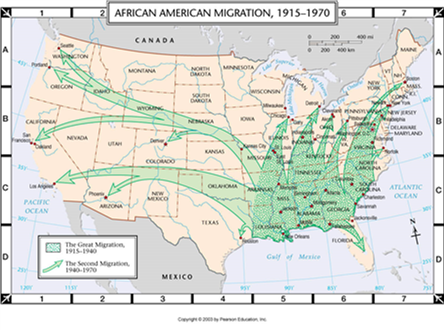
- Q2Which statement best describes the Great Migration?African Americans moved from Western cities to Southern statesAfrican Americans moved from Northern cities to the westAfrican Americans moved from Southern States to Western citiesAfrican Americans moved from Southern states to Northern cities30s
- Q3What amendment ended Prohibition?21st Amendment19th Amendment18th Amendment20th Amendment30s
- Q4What was the impact of FDR's Fair Employment Practices Committee during WWII?Military industry jobs were integrated, so factories could not refuse to hire African American workersThe military must be segregatedAfrican Americans could join the Tuskegee AirmenAfrican Americans were able to join the military30s
- Q5Why did the United States have the fewest casualties during WWI?The US took the Sussex pledge that prevented the use of submarine warfareThe US joined the war in the last year of the war, so they fought for less time than other nationsWWI was over before the United States could joinThe US did not fight in WWI30s
- Q6Which best describes Al Capone during the 1920's?Famous pilot that flew "The Spirit of St. Louis" across the AtlanticWorld champion boxer who won several heavy weight titlesPreacher who shared his teachings throughout the country by radio broadcastAmerican gangster who became famous through organized crime during Prohibition30s
- Q7In the 1920's what development was a major factor in the rise of the "flapper"?the rise in nativismthe popularity of contraceptionthe prohibition of alcoholthe development of mass media30s
- Q8What was the effect of Upton Sinclair's book, The Jungle?President Roosevelt signed new laws that regulated the meatpacking industryGovernment began censoring the media to quiet muckrakersLabor Unions were formed to right for better conditionsPeople stopped eating meat30s
- Q9Why were people going on "bank runs"?Banks were giving away free money to their customersBanks began to close during the Depression and people wanted to get their moneyBanks were offering high interest rates for savings accountsIt was the grand opening of many banks30s
- Q10What did Booker T. Washington and W.E.B. DuBois have in common?Both believed African Americans should fight for the right to voteBoth were born into slaveryBoth believed hard work was more important than fighting for rightsBoth wanted to end lynching and racial violence.30s
- Q11The form of government attempts to maintain total control over societyTotalitarianismDemocracyOligarchyMonarchy30s
- Q12Which of these statements best describes the message of the billboard?Unemployed workers were unwelcome in new cities because there were not enough jobs to go around.Unemployed workers were welcome because jobs were abundantUnemployed workers were welcome because people were sympatheticUnemployed workers were unwelcome because people feared outsiders30s
- Q13What was the primary goal of the program illustrated in the photograph?To increase defense production deemed vital to the economy of the USTo provide proof of US neutrality to European nationsTo increase US revenue by selling surplus goods to European nationsTo provide supplies to nations deemed vital to the defense of the United States30s
- Q14Which sentence best summarizes US participation in the Vietnam war?Ground troops replaced naval bombardment after 1968Full military involvement began after 1964Broad involvement focused on South Vietnam after 1954The heaviest military involvement occurred before 196130s
- Q15Which of the following best summarizes President Hoover's belief in rugged individualism?The government should help people only until they can find their own jobsIt is the government's duty to help peopleThe government should not help people, people should help themselvesThe government could not afford to help people during the Great Depression30s