analyze different forms of point of view, including limited versus omniscient, subjective versus objective
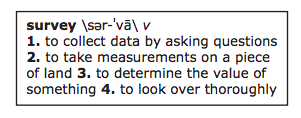
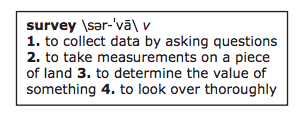
use a dictionary, a glossary, or a thesaurus (printed or electronic) to determine the meanings, syllabication, pronunciations, alternate word choices, and parts of speech of words
analyze linear plot developments (e.g., conflict, rising action, falling action, resolution, subplots) to determine whether and how conflicts are resolved
explain the effect of similes and extended metaphors in literary text
analyze how the central characters' qualities influence the theme of a fictional work and resolution of the central conflict
analyze works written on the same topic and compare how the authors achieved similar or different purposes
summarize the main ideas, supporting details, and relationships among ideas in text succinctly in ways that maintain meaning and logical order
synthesize and make logical connections between ideas within a text and across two or three texts representing similar or different genres and support those findings with textual evidence
compare and contrast the relationship between the purpose and characteristics of different poetic forms (e.g., epic poetry, lyric poetry)
use and understand the function of the following parts of speech in the context of reading, writing, and speaking: (i) verbs (perfect and progressive tenses) and participles, (ii) appositive phrases, (iii) adverbial and adjectival phrases and clauses, (iv) relative pronouns (e.g., whose, that, which), (v) subordinating conjunctions (e.g., because, since)
use context (within a sentence and in larger sections of text) to determine or clarify the meaning of unfamiliar or ambiguous words or words with novel meanings
make subtle inferences and draw complex conclusions about the ideas in text and their organizational patterns
analyze passages in well-known speeches for the author's use of literary devices and word and phrase choice (e.g., aphorisms, epigraphs) to appeal to the audience
distinguish factual claims from commonplace assertions and opinions and evaluate inferences from their logic in text
determine the meaning of grade-level academic English words derived from Latin, Greek, or other linguistic roots and affixes
Track each student's skills and progress in your Mastery dashboards