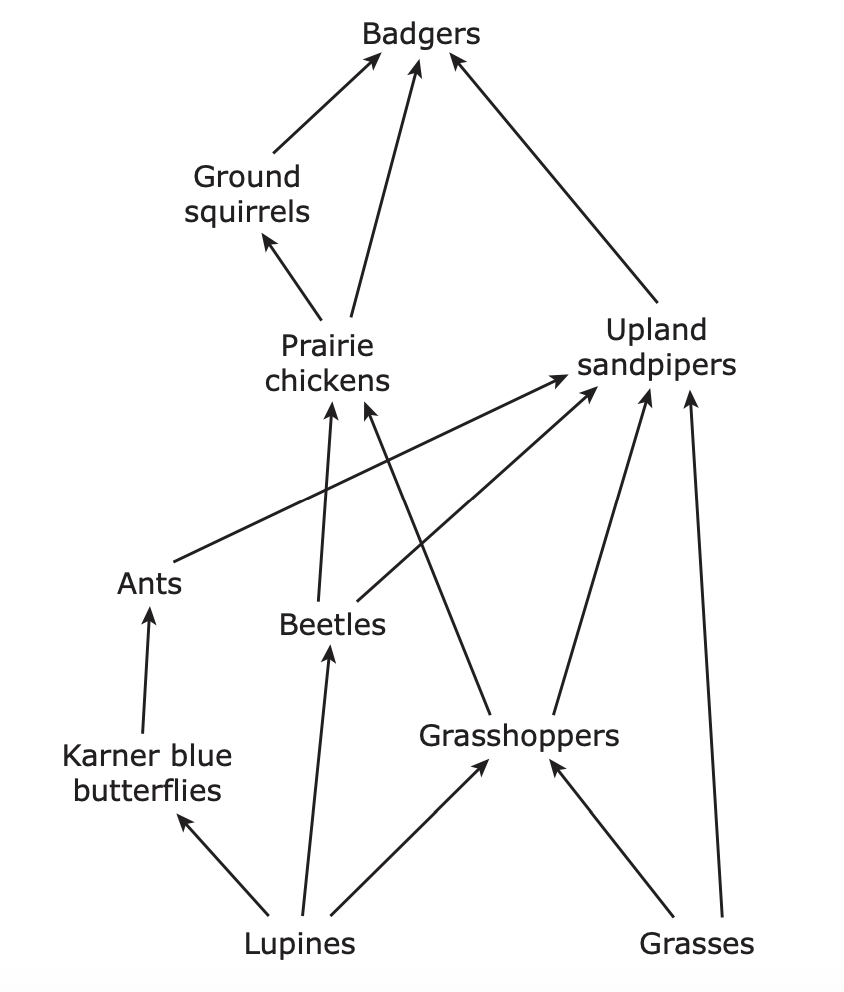
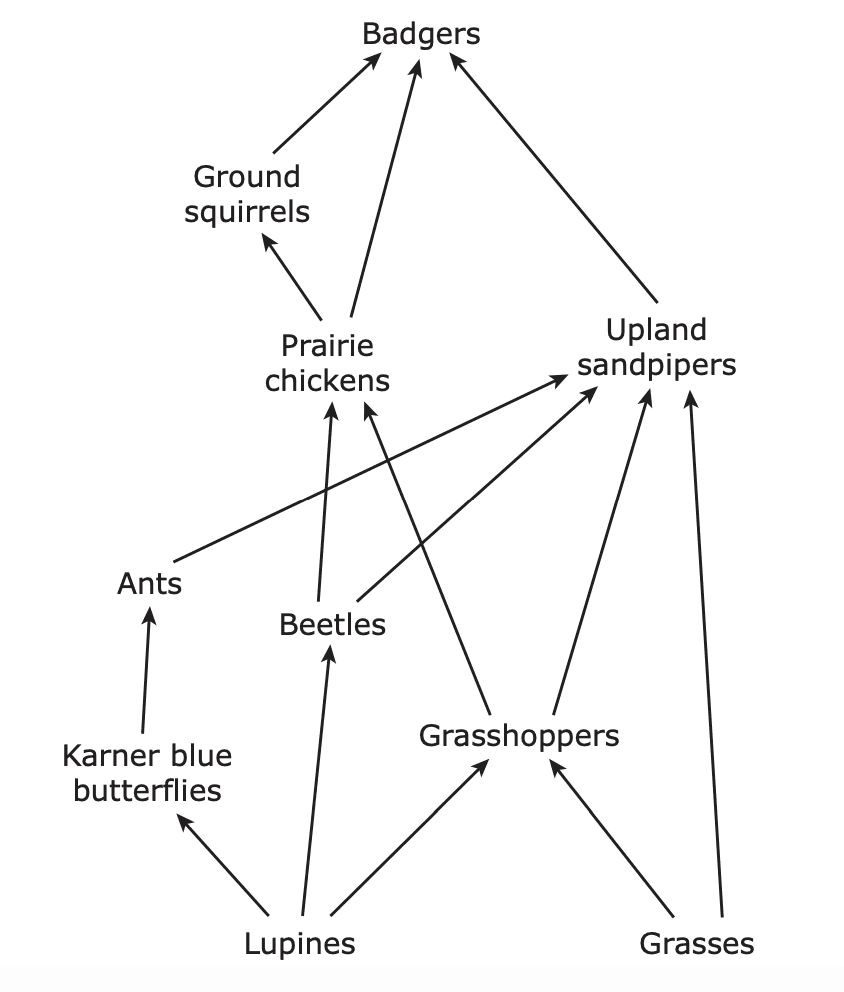
Investigate how organisms and populations in an ecosystem depend on and may compete for biotic factors such as food and abiotic factors such as availability of light and water, range of temperatures, or soil composition.
Describe the life cycle of stars and compare and classify stars using the HertzsprungRussell diagram.
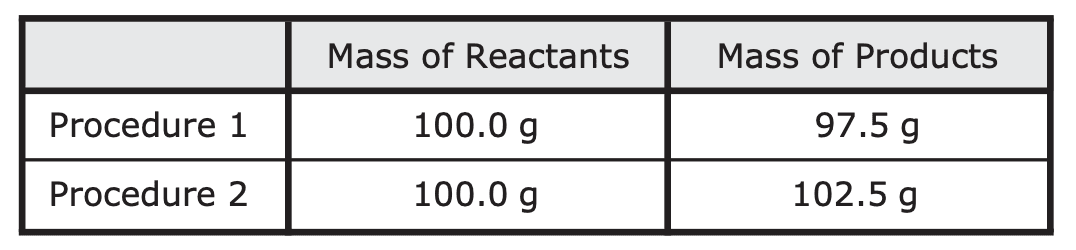
Investigate how mass is conserved in chemical reactions and relate conservation of mass to the rearrangement of atoms using chemical equations, including photosynthesis.
Describe how energy is conserved through transfers and transformations in systems such as electrical circuits, food webs, amusement park rides, or photosynthesis.
Describe human dependence and influence on ocean systems and explain how human activities impact these systems.
Calculate the net force on an object in a horizontal or vertical direction using diagrams and determine if the forces are balanced or unbalanced.
Model and illustrate how the tilted Earth revolves around the Sun, causing changes in seasons.
Identify and model the main functions of the systems of the human organism, including the circulatory, respiratory, skeletal, muscular, digestive, urinary, reproductive, integumentary, nervous, immune, and endocrine systems.
Describe how biodiversity contributes to the stability and sustainability of an ecosystem and the health of the organisms within the ecosystem.
Explain the development of the Periodic Table over time using evidence such as chemical and physical properties.
The student understands the causes and effects of plate tectonics.
Explain how disruptions such as population changes, natural disasters, and human intervention impact the transfer of energy in food webs in ecosystems.
Investigate and describe how Newton's three laws of motion act simultaneously within systems such as in vehicle restraints, sports activities, amusement park rides, Earth's tectonic activities, and rocket launches.
Describe the structure of atoms and ions, including the masses, electrical charges, and locations of protons and neutrons in the nucleus and electrons in the electron cloud.
Research and analyze scientific data used as evidence to develop scientific theories that describe the origin of the universe.
The student recognizes patterns among the Sun, Earth, and Moon system and their effects. The student is expected to demonstrate that Earth rotates on its axis once approximately every 24 hours and explain how that causes the day/night cycle and the appearance of the Sun moving across the sky, resulting in changes in shadow positions and shapes.
Identify elements on the periodic table as metals, nonmetals, metalloids, and rare Earth elements based on their physical properties and importance to modern life.
Compare and contrast gravitational, elastic, and chemical potential energies with kinetic energy.
Compare and contrast elements and compounds in terms of atoms and molecules, chemical symbols, and chemical formulas.
Describe how energy from the Sun, hydrosphere, and atmosphere interact and influence weather and climate.
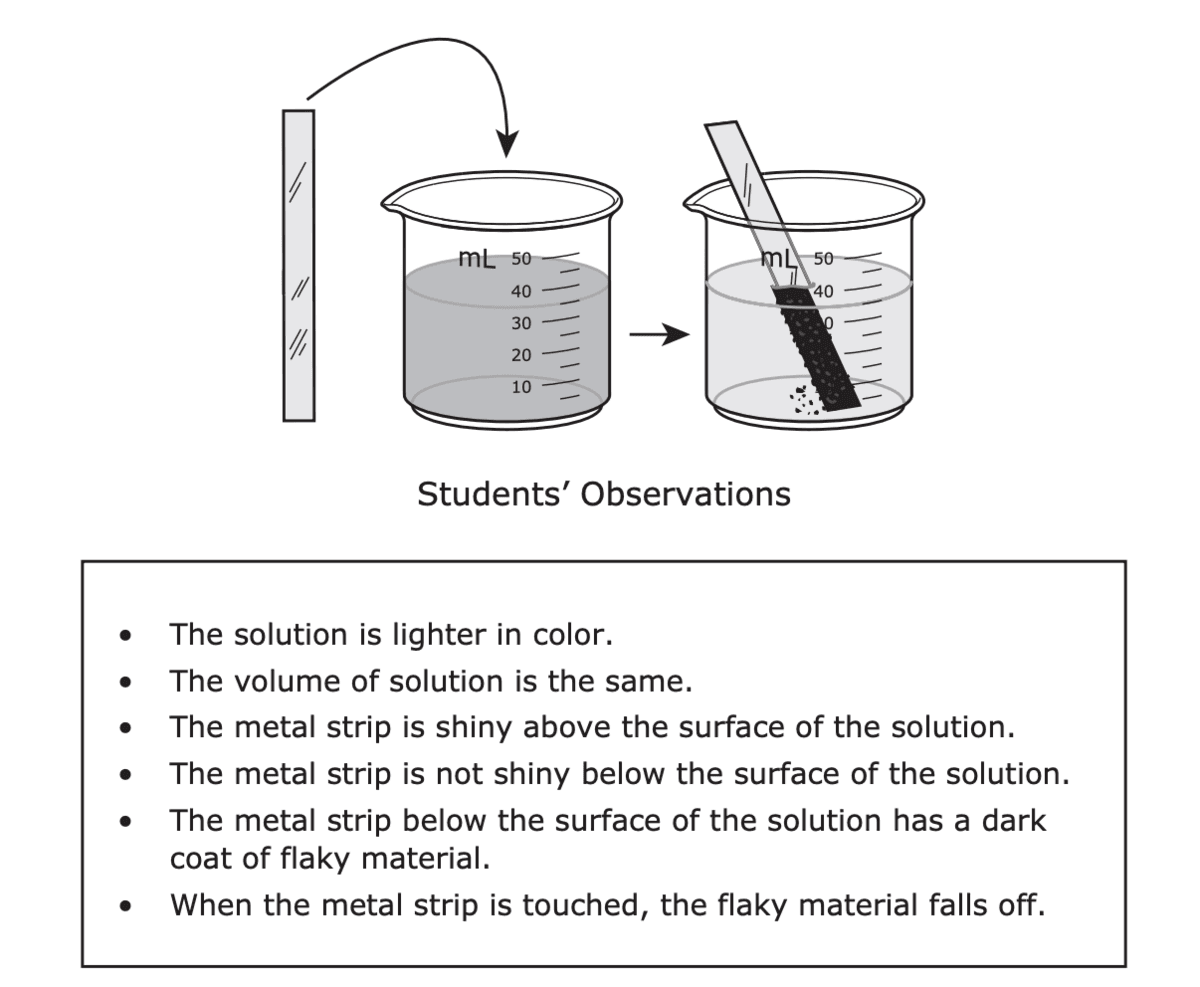
Identify the formation of a new substance by using the evidence of a possible chemical change, including production of a gas, change in thermal energy, production of a precipitate, and color change.
Calculate average speed using distance and time measurements from investigations.
Calculate and analyze how the acceleration of an object is dependent upon the net force acting on the object and the mass of the object using Newton's Second Law of Motion.
Describe and give examples of how natural and artificial selection change the occurrence of traits in a population over generations.
Measure, record, and interpret an object's motion using distance-time graphs.
Describe how gravity governs motion within Earth's solar system.
Track each student's skills and progress in your Mastery dashboards