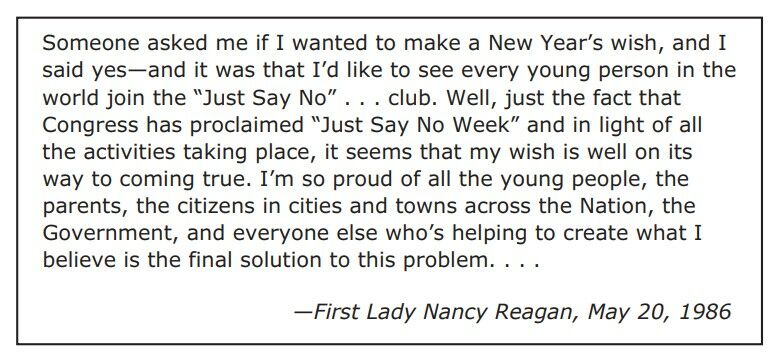
The student understands the impact of political, economic, and social factors in the U.S. from the 1970s through 1990. Describe significant societal issues of this time period such as the War on Drugs and the AIDS epidemic.
The student understands the importance of effective leadership in a constitutional republic. Explain the importance of Congressional Medal of Honor recipients such as Army First Lieutenant Vernon J. Baker, Army Corporal Alvin York, and Army Master Sergeant Raul "Roy" Perez Benavidez.
The student understands the domestic and international impact of U.S. participation in World War II. Identify reasons for U.S. involvement in World War II, including the aggression of Italian, German, and Japanese dictatorships, especially the attack on Pearl Harbor.
The student understands the influence of scientific discoveries, technological innovations, and the free enterprise system on the standard of living in the United States. Analyze how scientific discoveries, technological innovations, space exploration, and the application of these by the free enterprise system improve the standard of living in the United States, including changes in transportation and communication.
The student understands the impact of the American civil rights movement. Compare and contrast the approach taken by the Black Panthers with the nonviolent approach of Martin Luther King Jr.
The student understands the relationship between population growth and the physical environment. Identify the roles of governmental entities and private citizens in managing the environment such as the establishment of the National Park System, the Environmental Protection Agency (EPA), and the Endangered Species Act.
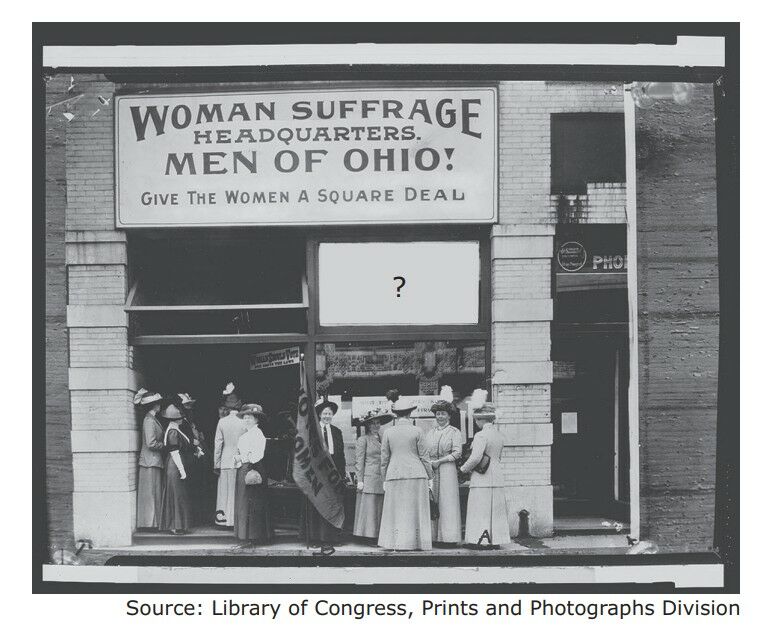
The student understands significant events, social issues, and individuals of the 1920s. Analyze causes and effects of events and social issues such as immigration, Social Darwinism, the Scopes Trial, eugenics, race relations, nativism, the Red Scare, Prohibition, and the changing role of women.
The student understands the impact of significant national and international decisions and conflicts in the Cold War on the United States. Describe how Cold War tensions were intensified by the House Un-American Activities Committee (HUAC), McCarthyism, the arms race, and the space race.
The student understands the impact of significant national and international decisions and conflicts in the Cold War on the United States. Explain reasons and outcomes for U.S. involvement in foreign countries and their relationship to the Domino Theory, including the Vietnam War.
The student understands the political, economic, and social changes in the United States from 1877 to 1898. Analyze economic issues such as industrialization, the growth of railroads, the growth of labor unions, farm issues, the cattle industry boom, the growth of entrepreneurship, and the pros and cons of big business.
The student understands the relationship between the arts and the times during which they were created. Describe the impacts of cultural movements in art, music, and literature such as Tin Pan Alley, the Harlem Renaissance, the Beat Generation, rock and roll, the Chicano Mural Movement, and country and western music on American society.
The student understands the impact of the American civil rights movement. Trace the historical development of the civil rights movement from the late 1800s through the 21st century, including the 13th, 14th, 15th, and 19th amendments.
The student understands the domestic and international impact of U.S. participation in World War II. Explain how American patriotism inspired high levels of military enlistment and the bravery and contributions of the Tuskegee Airmen, the Flying Tigers, and the Navajo Code Talkers.
The student understands the impact of significant national and international decisions and conflicts in the Cold War on the United States. Describe the responses to the Vietnam War, including the draft, the 26th Amendment, the role of the media, the credibility gap, the silent majority, and the anti-war movement.
The student understands the influence of scientific discoveries, technological innovations, and the free enterprise system on the standard of living in the United States. Describe how the free enterprise system drives technological innovation and its application in the marketplace such as cell phones, inexpensive personal computers, and global positioning products.
The student understands the impact of the American civil rights movement. Explain how George Wallace, Orval Faubus, and the Congressional bloc of southern Democrats sought to maintain the status quo.
The student understands the domestic and international impact of U.S. participation in World War II. Analyze major military events of World War II, including fighting the war on multiple fronts, the Bataan Death March, the U.S. military advancement through the Pacific Islands, the Battle of Midway, the invasion of Normandy, and the liberation of concentration camps.
The student understands the economic effects of government policies from World War II through the present. Identify the causes of prosperity in the 1950s, including the Baby Boom and the impact of the GI Bill (Servicemen's Readjustment Act of 1944), and the effects of prosperity in the 1950s such as increased consumption and the growth of agriculture and business.
The student understands the impact of significant national and international decisions and conflicts in the Cold War on the United States. Explain reasons and outcomes for U.S. involvement in the Korean War and its relationship to the containment policy.
The student understands the promises of the Declaration of Independence and the protections of the U.S. Constitution and the Bill of Rights. Identify and analyze methods of expanding the right to participate in the democratic process, including lobbying, non-violent protesting, litigation, and amendments to the U.S. Constitution.
The student understands the emerging political, economic, and social issues of the United States from the 1990s into the 21st century. Identify significant social and political issues such as health care, immigration, and education from different viewpoints across the political spectrum.
The student understands the political, economic, and social changes in the United States from 1877 to 1898. Analyze social issues affecting women, minorities, children, immigrants, and urbanization.
The student understands domestic and foreign issues related to U.S. economic growth from the 1870s to 1920. Describe the economic effects of international military conflicts, including the SpanishAmerican War and World War I, on the United States.
The student understands the changing relationships among the three branches of the federal government. Evaluate the impact of relationships among the legislative, executive, and judicial branches of government, including Franklin D. Roosevelt's attempt to increase the number of U.S. Supreme Court justices and the presidential election of 2000.
The student understands the political, economic, and social changes in the United States from 1877 to 1898. Analyze political issues such as Indian policies, the growth of political machines, and civil service reform.
The student understands the impact of science, technology, and the free enterprise system on the economic development of the United States. Explain the effects of scientific discoveries and technological innovations such as electric power, telephone and satellite communications, petroleum-based products, steel production, and computers on the economic development of the United States.
The student understands the emergence of the United States as a world power between 1898 and 1920. Analyze major issues raised by U.S. involvement in World War I, including isolationism, neutrality, Woodrow Wilson's Fourteen Points, and the Treaty of Versailles.
The student understands the causes and effects of migration and immigration on American society. Analyze the causes and effects of changing demographic patterns resulting from migration within the United States, including western expansion, rural to urban, the Great Migration, and the Rust Belt to the Sun Belt.
The student understands significant economic developments between World War I and World War II. Identify the causes of the Great Depression, including the impact of tariffs on world trade, stock market speculation, bank failures, and the monetary policy of the Federal Reserve System.
The student understands changes over time in the role of government. Explain constitutional issues raised by federal government policy changes during times of significant events, including World War I, the Great Depression, World War II, the 1960s, and September 11, 2001.
The student understands the economic effects of government policies from World War II through the present. Describe the economic effects of World War II on the home front such as mobilization, the end of the Great Depression, rationing, and increased opportunity for women and minority employment.
The student understands the emergence of the United States as a world power between 1898 and 1920. Explain why significant events, policies, and individuals, including the Spanish-American War, U.S. expansionism, Alfred Thayer Mahan, Theodore Roosevelt, and Sanford B. Dole moved the United States into the position of a world power.
The student understands domestic and foreign issues related to U.S. economic growth from the 1870s to 1920. Describe the changing relationship between the federal government and private business, including the growth of free enterprise, costs and benefits of laissez-faire, Sherman Antitrust Act, Interstate Commerce Act, and Pure Food and Drug Act.
The student understands the relationship between population growth and the physical environment. Identify the effects of population growth and distribution on the physical environment.
The student understands the impact of geographic factors on major events. The student is expected to analyze the impact of physical and human geographic factors on the Klondike Gold Rush, the Panama Canal, the Dust Bowl, and the levee failure in New Orleans after Hurricane Katrina.
The student understands the emerging political, economic, and social issues of the United States from the 1990s into the 21st century. Describe U.S. involvement in world affairs, including the end of the Cold War, the Persian Gulf War, the events surrounding September 11, 2001, and the global War on Terror.
The student understands the impact of science, technology, and the free enterprise system on the economic development of the United States. Explain how specific needs result in scientific discoveries and technological innovations in agriculture, the military, and medicine.
The student understands the effects of reform and third-party movements in the early 20th century. Analyze the impact of Progressive Era reforms, including initiative, referendum, recall, and the passage of the 16th, 17th, 18th, and 19th amendments.
The student understands significant economic developments between World War I and World War II. Describe how various New Deal agencies and programs, including the Federal Deposit Insurance Corporation, the Securities and Exchange Commission, and the Social Security Administration, continue to affect the lives of U.S. citizens.
The student understands the impact of constitutional issues on American society. Analyze the effects of landmark U.S. Supreme Court decisions, including Plessy v. Ferguson, Brown v. Board of Education, Hernandez v. Texas, Tinker v. Des Moines, and Wisconsin v. Yoder.
The student understands the principles included in the Celebrate Freedom Week program. Analyze and evaluate the text, intent, meaning, and importance of the Declaration of Independence and the U.S. Constitution, including the Bill of Rights.
The student understands the impact of constitutional issues on American society. Explain why landmark constitutional amendments have been proposed and ratified from 1877 to the present.
The student understands how people from various groups contribute to our national identity. Describe the Americanization movement to assimilate immigrants and American Indians into American culture.
The student understands the importance of effective leadership in a constitutional republic. Evaluate the contributions of significant political and social leaders in the United States such as Andrew Carnegie, Thurgood Marshall, Billy Graham, Sandra Day O'Connor, and Hillary Clinton.
The student understands traditional historical points of reference in U.S. history from 1877 to the present. Explain the significance of the following years as turning points: 1898 (SpanishAmerican War), 1914-1918 (World War I), 1929 (the Great Depression begins), 19391945 (World War II), 1957 (Sputnik launch ignites U.S.-Soviet space race), 1968 (Martin Luther King Jr. assassination), 1969 (U.S. lands on the moon), 1991 (Cold War ends), 2001 (terrorist attacks on World Trade Center and the Pentagon), and 2008 (election of first black president, Barack Obama).
The student understands the concept of American exceptionalism as identified by Alexis de Tocqueville. Discuss values crucial to America's success as a constitutional republic, including liberty, egalitarianism, individualism, populism, and laissez-faire.
The student understands how historians use historiography to interpret the past and applies critical-thinking skills to organize and use information acquired from a variety of valid sources, including technology. Analyze primary and secondary sources such as maps, graphs, speeches, political cartoons, and artifacts to acquire information to answer historical questions.
The student understands the impact of political, economic, and social factors in the U.S. from the 1970s through 1990. Describe the causes and key organizations of the conservative resurgence of the 1980s such as the Heritage Foundation and the Moral Majority.
The student understands the emergence of the United States as a world power between 1898 and 1920. Identify the causes of World War I and reasons for U.S. entry.
The student understands the impact of science, technology, and the free enterprise system on the economic development of the United States. Describe the effect of technological innovations in the workplace such as assembly line manufacturing and robotics.
The student understands how people from various groups contribute to our national identity. Identify the contributions of women such as Rosa Parks, Eleanor Roosevelt, and Sonia Sotomayor to American society.
The student understands significant economic developments between World War I and World War II. Analyze the effects of the Great Depression on the U.S. economy and society such as widespread unemployment and deportation and repatriation of people of Mexican heritage.
The student understands the causes and effects of migration and immigration on American society. Analyze the causes and effects of changing demographic patterns resulting from immigration to the United States.
The student understands the economic effects of government policies from World War II through the present. Describe the dynamic relationship between U.S. international trade policies and the U.S. free enterprise system such as the Organization of Petroleum Exporting Countries OPEC) oil embargo, the General Agreement on Tariffs and Trade (GATT), and the North American Free Trade Agreement (NAFTA).
The student understands domestic and foreign issues related to U.S. economic growth from the 1870s to 1920. Explain how foreign policies affected economic issues such as the Chinese Exclusion Act of 1882, the Open Door Policy, Dollar Diplomacy, and immigration quotas.
The student understands the changing relationships among the three branches of the federal government. Describe the impact of events such as the Gulf of Tonkin Resolution and the War Powers Act on the relationship between the legislative and executive branches of government.
The student understands traditional historical points of reference in U.S. history from 1877 to the present. Identify the major eras in U.S. history from 1877 to the present and describe their defining characteristics.
The student understands the impact of significant national and international decisions and conflicts in the Cold War on the United States. Describe U.S. responses to Soviet aggression after World War II, including the Truman Doctrine, the Marshall Plan, the Berlin Airlift, the North Atlantic Treaty Organization, and John F. Kennedy's role in the Cuban Missile Crisis.
The student understands the impact of the American civil rights movement. Compare and contrast the approach taken by the Black Panthers with the nonviolent approach of Martin Luther King Jr.
The student understands the emergence of the United States as a world power between 1898 and 1920. Analyze the impact of machine guns, airplanes, tanks, poison gas, and trench warfare as significant technological innovations in World War I on the Western Front.
Track each student's skills and progress in your Mastery dashboards