The student knows all organisms are classified into domains and kingdoms. Organisms within these taxonomic groups share similar characteristics that allow them to interact with the living and nonliving parts of their ecosystem. The student is expected to:
Track each student's skills and progress in your Mastery dashboards
Give this quiz to my class
Q 1/12
Score 0
Amoeba and paramecia are eukaryotic, single cellular, heterotrophic, and reproduce asexually.
In which kingdom would this organism be classified?
30
Plant
Fungi
Protist
Animal
Q 2/12
Score 0
Members of the Archaea and Bacteria kingdoms all share which characteristic?
30
They are animals
They are single-celled
They are multi-cellar
They are able to make their own food
12 questions
Q.
Amoeba and paramecia are eukaryotic, single cellular, heterotrophic, and reproduce asexually.
In which kingdom would this organism be classified?
1
30 sec
6.12
Q.
Members of the Archaea and Bacteria kingdoms all share which characteristic?
2
30 sec
6.12
Q.
Organisms found in hot springs and deep in ocean vents belong to which domain?
3
30 sec
6.12
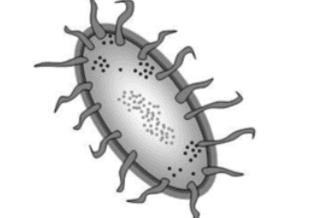
Q.
What domain does this organism likely belong?
4
30 sec
6.12
Q.
Which of the following is a list of the three known domains?
5
30 sec
6.12
Q.
All of the following organisms belong to the same domain, except:
Trees
Bacteria
Animals
Fungi
Plants
6
30 sec
6.12
Q.
What is the greatest difference in the Archea and Bacteria domains?
7
30 sec
6.12
Q.
Diseases that cause strep throat, Salmonella, E.coli and botulism belong to which domain?
8
30 sec
6.12
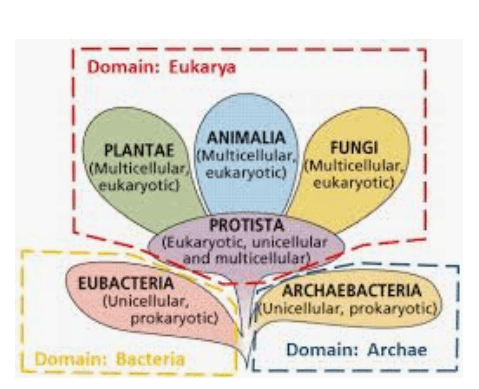
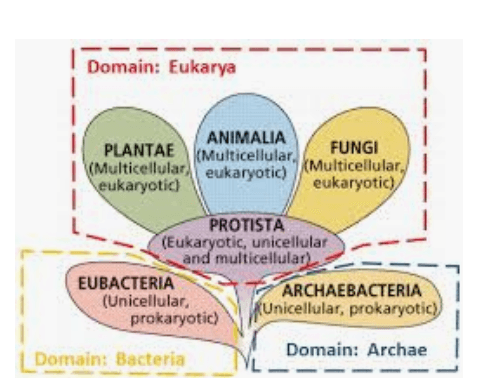
Q.
According to the diagram the difference between Protista and Eubacteria is...
9
30 sec
6.12
Q.
According to the diagram, Fungi and Protista are similar in which ways?
10
30 sec
6.12
Q.
What makes the domain Eukarya unique?
11
30 sec
6.12
Q.
In which domain would you classify an organism with the following characteristics?
Prokaryotic
Autotrophic
Unicellular
Asexual Reproduction
Salty environment