Our brand new solo games combine with your quiz, on the same screen

Correct quiz answers unlock more play!

New Quizalize solo game modes
13 questions
Show answers
  • Q1
    A coastal area that once supported a thriving fishing industry is overfished. The number of species found living in the marine ecosystem decreases. Which of these activities is most likely to increase the natural biodiversity in the area?
    Introducing non-native species to fill unoccupied habitats and banning fishing
    Eliminating non-native species and encouraging fishing for large predatory fish
    Building artificial reefs and increasing fishing activity
    Building artificial reefs and limiting fishing activity
    60s
    8.11c
  • Q2
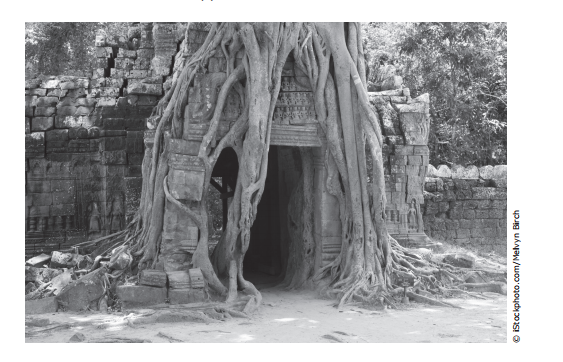
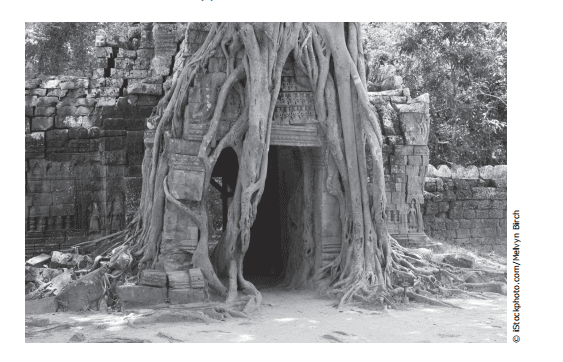
    The strangler fig is a vine that starts out as a seed in the tree canopy of the rain forest. It drops its roots down from the canopy to the forest floor. By sprouting in the rain-forest canopy, the strangler fig seedling is exposed to more —
    Question Image
    soil
    nutrients
    sunlight
    consumers
    60s
    8.11a
  • Q3
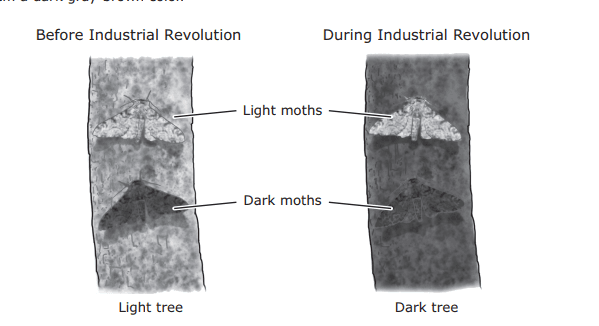
    Before the Industrial Revolution in England, the peppered moth was commonly found on tree trunks that had light-colored lichen on the bark. Most of the peppered moths were a light gray-brown color similar to that of the lichen. A few of the moths had a mutation that made them a dark gray-brown color During the Industrial Revolution, coal-burning factories produced black soot that covered the trees and killed the lichen in and near cities. In these areas the number of dark peppered moths increased, while the number of light peppered moths decreased. What contributed to this change?
    Question Image
    The dark moths preyed on the light moths.
    The soot-covered trees camouflaged the dark moths.
    Bird populations increased in the areas near the factories.
    The dark moths laid fewer eggs than the light moths.
    60s
    8.11b
  • Q4
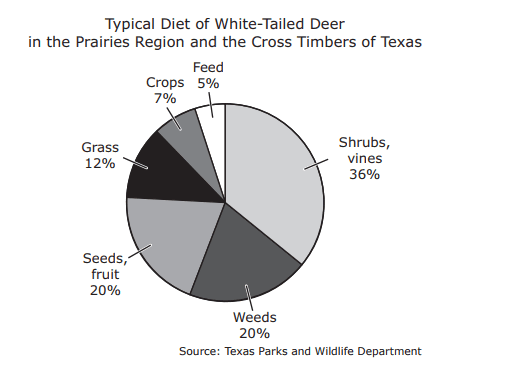
    The Prairies Region and the Cross Timbers are located in north-central Texas. The graph below shows information about eating habits of white-tailed deer in these regions. A Cross Timbers rancher is concerned about competition between the ranch animals and the deer. Based on the graph, which ranch animals compete for the most food with white-tailed deer?
    Question Image
    Turkeys that eat seeds and fruit
    Hogs that eat fruit, seeds, and feed
    Goats that eat weeds and shrubs
    Cattle that eat grass and feed
    60s
    8.11a
  • Q5
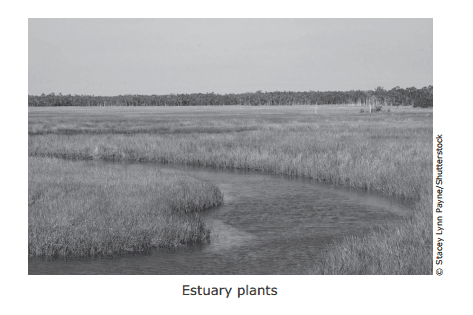
    Galveston Bay, an estuary in Southeast Texas, is shown below. The amount of salt in the water changes with the tides. Sometimes the water is mostly freshwater, and sometimes it is mixed with saltwater. Various plant species live in this environment and provide a habitat for other organisms. To successfully live in an estuary, a plant species must have an adaptation that allows it to —
    Question Image
    absorb large amounts of water
    store excess gases
    filter excess salt
    produce large amounts of food
    60s
    8.11b
  • Q6
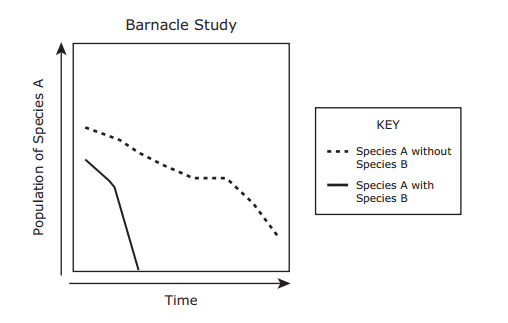
    A scientist named Joseph Connell studied two species of barnacles on the shore of a Scottish island. In the area between the average tide and the neap high tide, he found that the population of Species A was smaller than that of Species B. He removed Species B from one area but left both Species A and B in a similar area. The graph below shows the results of this study Based on these data, which hypothesis was Connell most likely testing?
    Question Image
    The two species of barnacles are closely related to each other
    Barnacles grow larger when they are isolated from other species.
    The populations of both species of barnacles increase more in warm water than in cool water.
    The two species of barnacles compete with each other for resources.
    60s
    8.11a
  • Q7
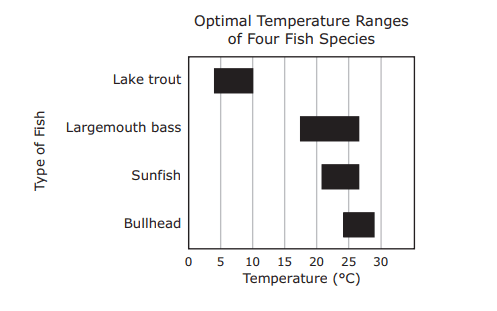
    Fish in a lake have to compete for space. Different fish have different optimal temperature ranges. The graph below shows the temperature ranges of four fish species. At which temperature range will there be the most competition for space among these fish species?
    Question Image
    10°C to 15°C
    15°C to 20°C
    25°C to 30°C
    5°C to 10°C
    60s
    8.11a
  • Q8
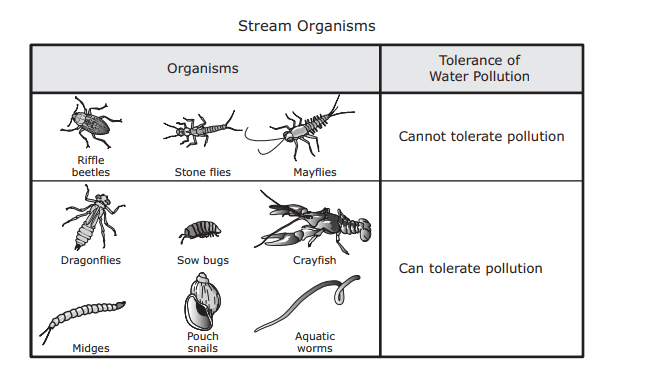
    The types of small organisms that live on the bottom of streams can be good indicators of water pollution. The table below groups some organisms by their tolerance of pollution. A certain stream that was historically clear and clean has become increasingly polluted with fertilizer waste over the years. Which of these describes a likely result of this pollution?
    Question Image
    Riffle beetles have become more abundant in the stream.
    Mayflies that were previously abundant are no longer present in the stream.
    Stone flies and midges thrive and compete for the same food source.
    Large numbers of crayfish have suddenly died.
    60s
    8.11b
  • Q9
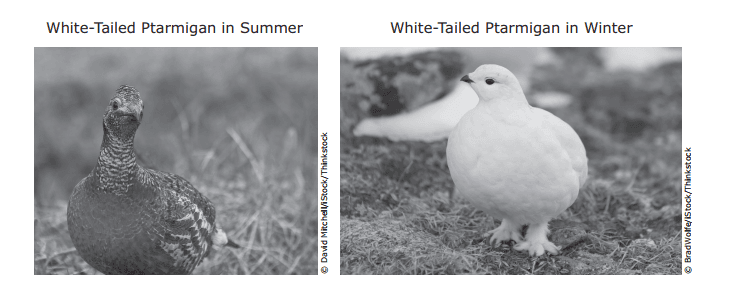
    The white-tailed ptarmigan lives at high elevations on mountains that receive a lot of snow in the winter. During the summer, the ptarmigans’ feathers are mottled brown. The birds lose the brown feathers and grow a new set of white feathers during the winter. Scientists are concerned that rising global temperatures will affect the white-tailed ptarmigan. If global climate change leads to the elimination of snow in the habitat of white-tailed ptarmigans, which adaptation is most likely to occur over many generations?
    Question Image
    Birds with brown feathers will be easier to see on the ground in the winter. Over time this could lead to white-tailed ptarmigans that have brown feathers throughout the year.
    Birds with white feathers in areas without winter snow will be easier for predators to find. Over time this could lead to white-tailed ptarmigans that have brown feathers throughout the year.
    Birds with white feathers will be easier to see on the ground in the summer. Over time this could lead to white-tailed ptarmigans that have white feathers throughout the year.
    Birds with brown feathers in areas without winter snow will be easier for predators to find. Over time this could lead to white-tailed ptarmigans that have white feathers throughout the year.
    60s
    8.11b
  • Q10
    Four students were asked to create a graph representing a typical predator–prey relationship. Which graph shows a situation in which the number of predators in a population depends on the number of prey?
    #texas/1654661e-944c-486d-b249-318c2c49f34c/A.png
    #texas/1654661e-944c-486d-b249-318c2c49f34c/C.png
    #texas/1654661e-944c-486d-b249-318c2c49f34c/D.png
    #texas/1654661e-944c-486d-b249-318c2c49f34c/B.png
    60s
    8.11a
  • Q11
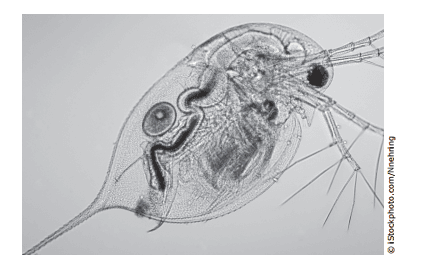
    The organism in the photo is a daphnia, or water flea. Daphnia are tiny aquatic organisms that live in most freshwater habitats. Adults range from less than 1 to 5 mm in length. They are good swimmers and eat mostly algae. Daphnia become mature at 5 to 10 days, and an adult female can produce up to 100 eggs every 3 or 4 days during its 2-month life span. When harmful algae rapidly increase in the daphnia’s environment, daphnia can develop adaptations to tolerate the negative effects of the algae within 10 years. What characteristic of the daphnia allows the population to adapt to environmental change?
    Question Image
    Its small size
    Its freshwater environment
    Its short generation time
    Its herbivorous diet
    60s
    8.11b
  • Q12
    Black walnut trees produce a nontoxic chemical that becomes highly toxic when it is exposed to air or soil. How does this chemical help black walnut trees compete with plants growing nearby?
    By increasing the photosynthesis rates in the other plants
    By limiting the amount of water available to the other plants
    By attracting herbivores to the other plants
    By suppressing the growth of the other plants
    60s
    8.11a
  • Q13
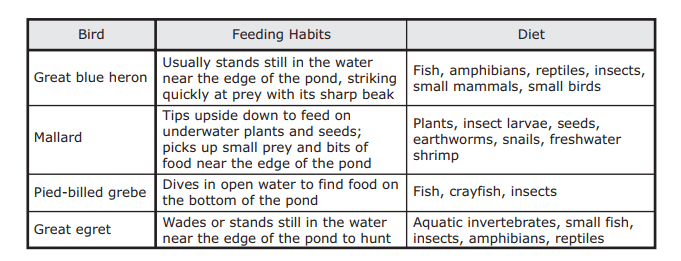
    After researching the diets of several birds inhabiting a nearby pond, a student goes on a field investigation to observe the feeding habits of the birds. The student records information from research and observations in the table. The student observes a great blue heron catching fish near the edge of the pond. Based on the information the student collected, which bird will compete with the great blue heron for the same hunting spots and similar prey?
    Question Image
    The mallard, because it hunts for fish while wading near the edge of the pond
    None of these
    The pied-billed grebe, because it dives in open water to get crayfish on the bottom of the pond
    The great egret, because it hunts in water near the edge of the pond for fish and other prey
    60s
    8.11a

Teachers give this quiz to your class